Plizio Visual Lab

Wild Coast
Plizio editorial teamData Sources
Sea
—°
Wild Coast (South Africa)

Weather…

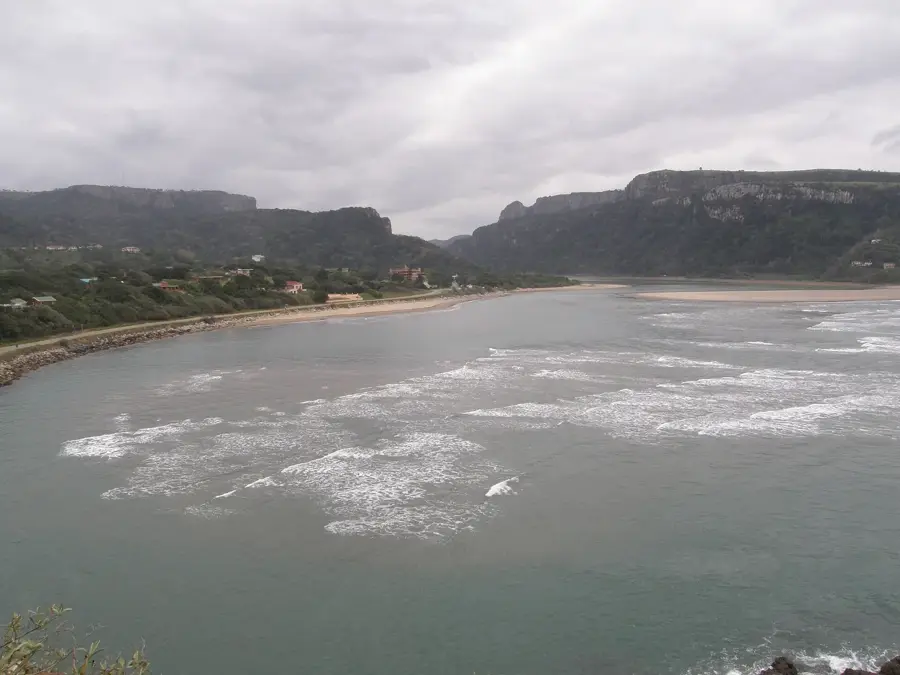
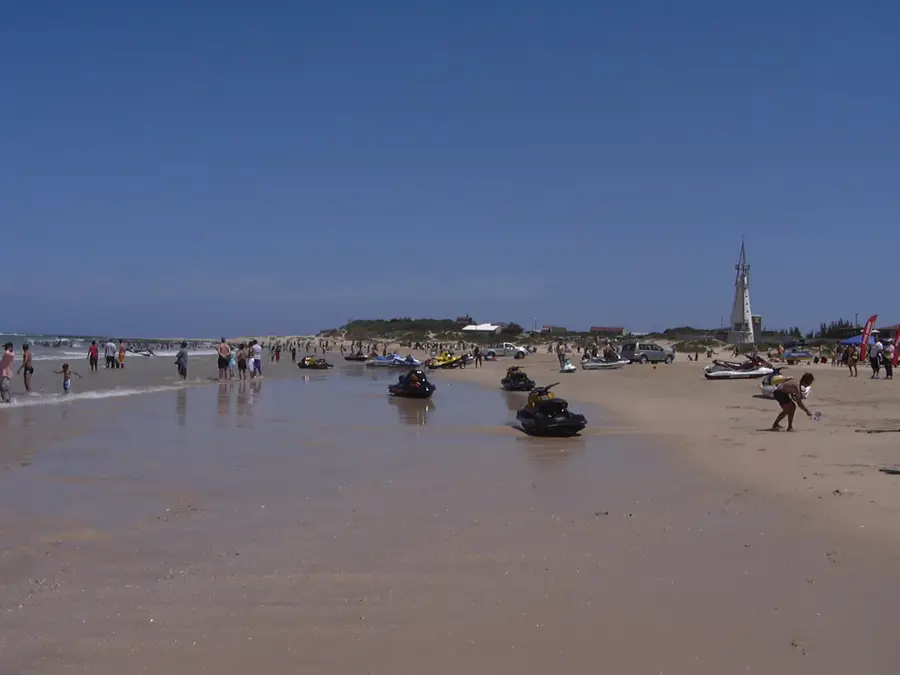
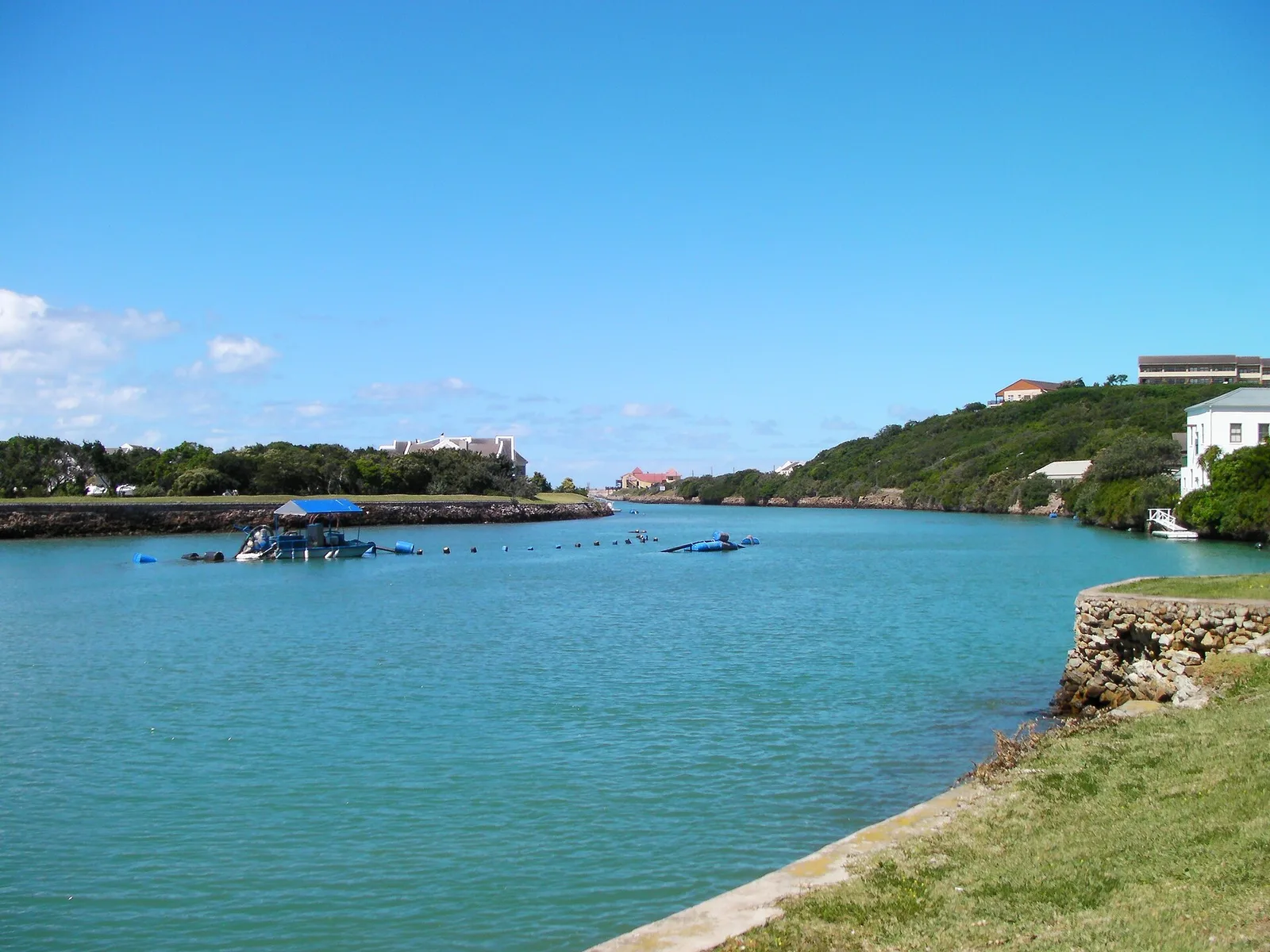
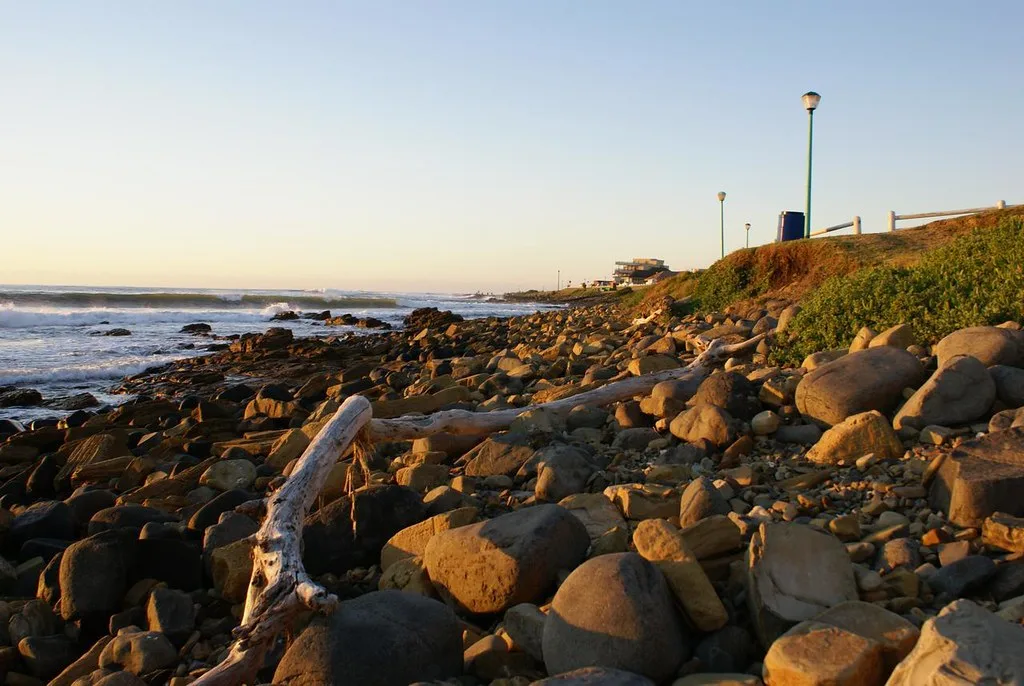
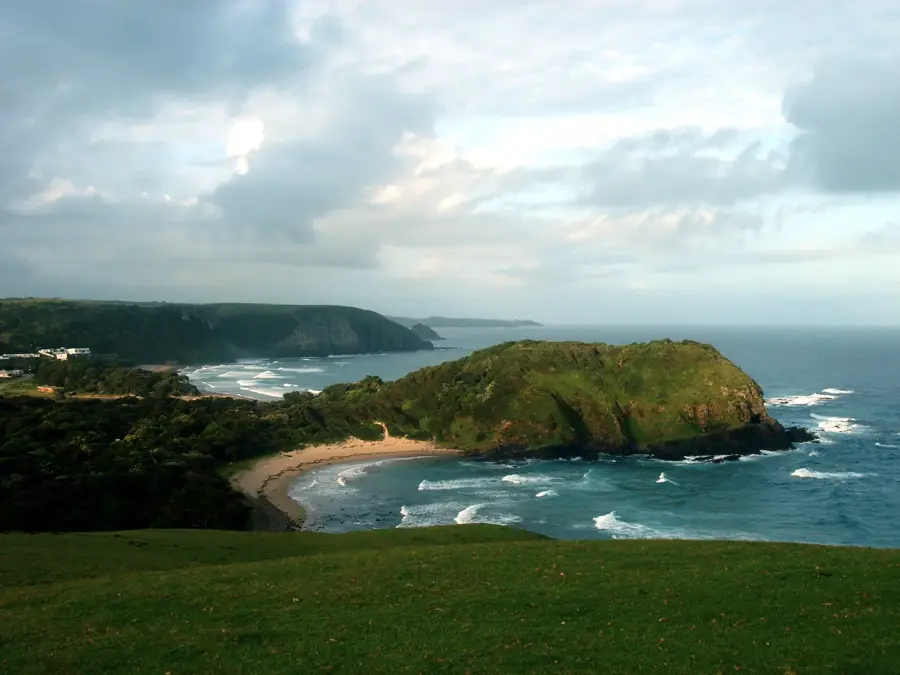
The Wild Coast, located in the eastern part of the Eastern Cape province, is one of South Africa's most pristine and dramatic coastal stretches. It spans 250 kilometers from the Kei River to the border of KwaZulu-Natal, characterized by rugged cliffs, hidden coves, and vast, deserted beaches. Culturally, the region is the ancestral heartland of the Xhosa people, and the landscape is dotted with traditional, turquoise-painted circular huts known as rondavels. A geological highlight is the 'Hole in the Wall', a monumental rock archway carved out of shale by the relentless force of the Indian Ocean's surf. The coast is notorious for its treacherous currents and has claimed numerous shipwrecks over the centuries, cementing its reputation as a truly wild frontier. Ecologically, the region features a mix of subtropical forests, mangroves, and rolling grasslands, providing a habitat for rare species like the Cape clawless otter. Every year, the Wild Coast is a primary stage for the 'Sardine Run', where massive shoals of fish are pursued by thousands of dolphins, sharks, and whales along the shoreline. Remote and largely untouched by modern infrastructure, the Wild Coast preserves an authentic atmosphere well-suited for adventurers and nature lovers seeking solitude.

Best time to visit & climate

The most pleasant time to visit is Feb, Mar, Dec.

JanFebMarAprMayJunJulAugSepOctNovDec
Avg °C222321191714141517181921
Rain mm928293763123384357858782

📋 Practical info

🧭
Getting there
Access is typically via the N2 highway, with smaller gravel roads leading to coastal villages such as Coffee Bay or Port St. Johns. These secondary roads can be rough and winding, so a vehicle with good ground clearance is recommended for a more comfortable journey through the rolling hills.
📅
Best season
Late summer and autumn, from February to May, offer the warmest water temperatures and the most pleasant conditions for hiking the coast. The winter months from June to August are also popular for the annual sardine run, attracting diverse marine life and offering spectacular sightings from the shore.
⛰️
Terrain & paths
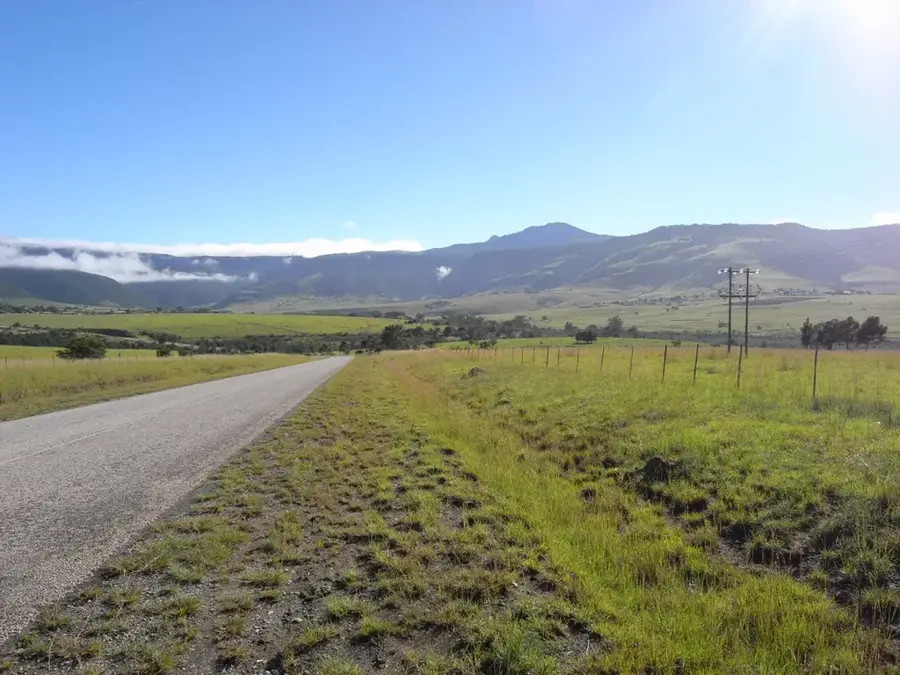
Expect rugged cliffs, rolling green hills, and secluded sandy beaches; trails can be steep, rocky, and sometimes challenging after rain. The landscape is dotted with traditional Xhosa homesteads, and the path often requires crossing small river estuaries that may be tidal depending on your location.
🎒
What to bring
High-quality hiking boots with good grip are essential, along with a reliable raincoat for sudden showers and appropriate swimming gear for the lagoons. Pack a lightweight daypack with enough water, energy-dense snacks, and a first-aid kit, as help can be far away in this remote part of South Africa.
🅿️
Parking
Secure parking is generally found at backpacker lodges or hotels within the main coastal villages like Coffee Bay or Port St. Johns. If you are starting a multi-day hike, many establishments offer long-term secure parking for a small fee, ensuring your vehicle remains safe while you explore the coast.
⚠️
Safety
Cliffs can be unstable and ocean currents are often very strong; only swim in designated areas or where local knowledge confirms it is safe. Walking alone is discouraged in remote sections; it is better to hike in a group and always let your host know your planned route and expected arrival time.
⏱️
Time needed
At least 2 to 3 days are recommended to truly experience the remote beauty and complete some of the iconic coastal trail sections between villages. For those with more time, a week-long hiking expedition allows for a complete immersion into the Wild Coast's unique mix of culture, nature, and solitude.

Geography

Coordinates
-32.00000, 29.00000

Facts

  • Stretches for 250 kilometers along the Indian Ocean coast.
  • Home to the 'Hole in the Wall', a famous natural rock arch.
  • Cultural heartland of the Xhosa people with traditional villages.
  • A primary location for viewing the annual 'Sardine Run'.
  • Famous for waterfalls that drop directly into the ocean.
  • Notorious for treacherous currents and historic shipwrecks.

Explore nearby

Notable places around
Route planner — Car & Motorhome

Where do you start? We build the route here, with stops and country notes along the way.

Vehicle
Only stops with (optional):

© OpenStreetMap contributors · OpenRouteService

Sights nearby

Frequently asked questions

What is the highlight of the Wild Coast?
The pristine, wild coastline sections and the cultural diversity of the Xhosa.
Is it suitable for hiking?
Yes, the Wild Coast Hiking Trail is world-famous for its beauty.
How safe is the region?
The region is generally safe, but be cautious with solo hikes.
Do I need a 4x4?
For some remote lodges, a 4x4 vehicle is very helpful.
When is the best time?
Spring and autumn are convenient for the mild weather.
Wild Coast: where is it located?
Wild Coast is located in South Africa.
Wild Coast: when is the best time to visit?
The most pleasant time to visit is Feb, Mar, Dec.
Wild Coast: why is it worth visiting?
The Wild Coast, located in the eastern part of the Eastern Cape province, is one of South Africa's most pristine and dramatic coastal stretches.
View on map → The Top 50 Attractions → OpenStreetMap →
Africa
Explore with Plizio Discover more places in Africa
More places in South Africa →

Nearby cities

History & landmarks
More places