Plizio Visual Lab

Falémé River
Plizio editorial teamData Sources
River
—°
Falémé River (Senegal)

Weather…

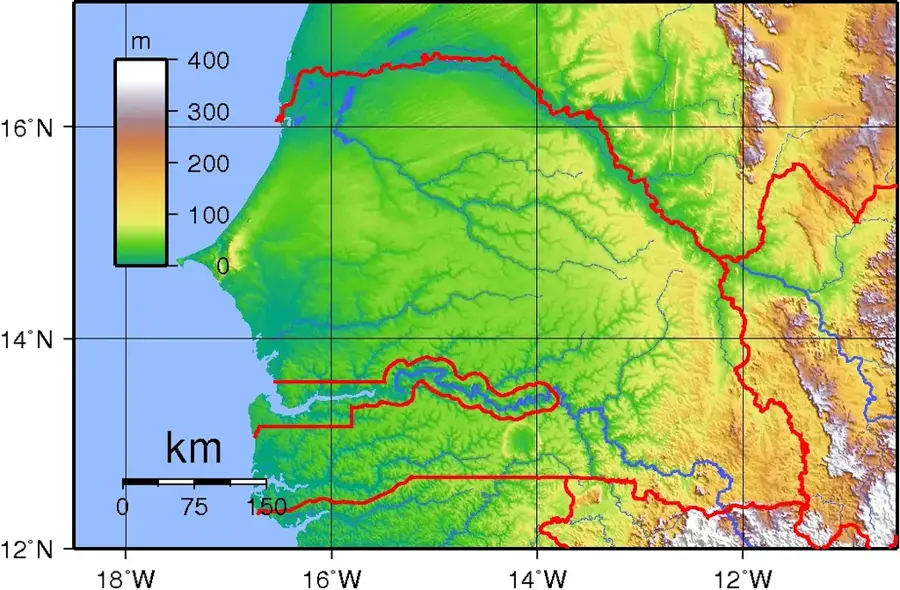
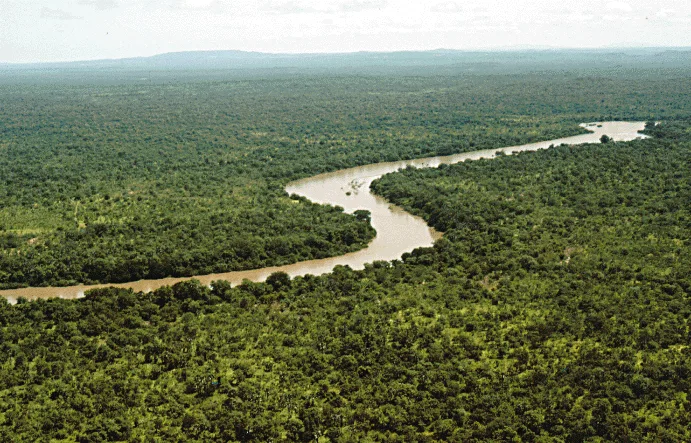
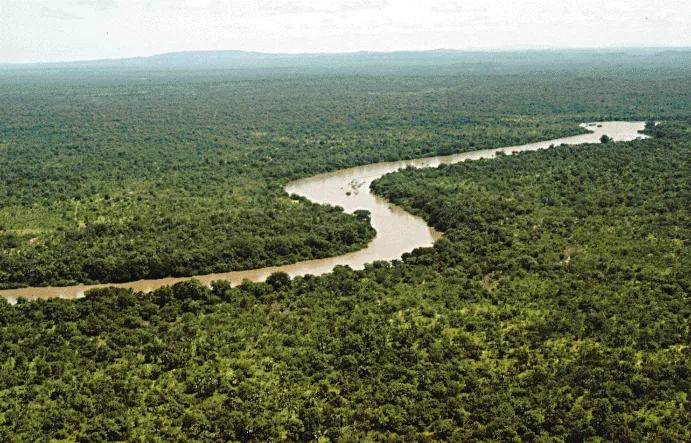
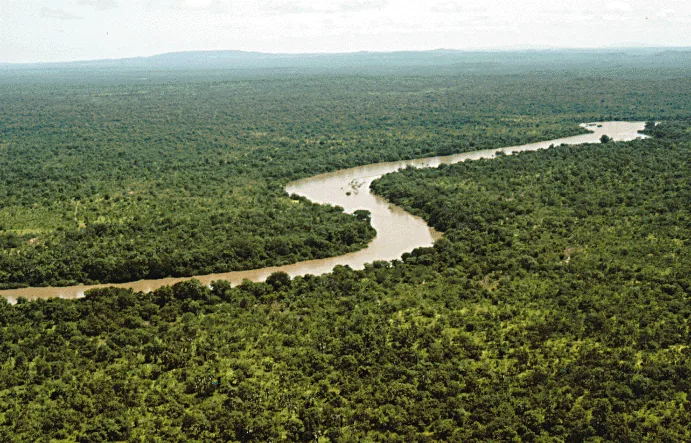
The Falémé River is the principal left-bank tributary of the Senegal River, stretching approximately 650 kilometers and forming the natural international border between Senegal and Mali. Originating in the northern Fouta Djallon highlands of Guinea, it flows northward before joining the main Senegal River near Bakel. The river is characterized by extreme seasonal fluctuations, with heavy flows during the rainy season and nearly dry reaches during the peak of the dry season. This waterway is the lifeblood for local agriculture and livestock farming in the Kédougou region, supporting numerous rural communities. In recent years, the Falémé has faced severe environmental challenges due to intensive artisanal gold mining, which has led to high levels of mercury pollution and increased sedimentation. Government interventions have been launched to regulate mining activities and safeguard the water quality and fish stocks that thousands of people depend on for their daily survival.

Best time to visit & climate

The most pleasant time to visit is Jan, Nov, Dec.

JanFebMarAprMayJunJulAugSepOctNovDec
Avg °C262932343531282627272625
Rain mm0114261182273222426630

📋 Practical info

🧭
Getting there
Reaching this remote eastern tributary generally requires a capable 4x4 vehicle traveling overland from major towns like Tambacounda or Kedougou. The unpaved routes can be extremely challenging, and navigating with a knowledgeable local guide is often necessary.
📅
Best season
The most reliable time to visit is during the early dry season from November to February, when roads are passable and the heat is somewhat manageable. Heavy rains between July and October often cause the river to swell, cutting off access roads entirely.
⛰️
Terrain & paths
The surrounding environment features rugged Sahelian savanna, rocky riverbanks, and transitional gallery forests. The riverbed itself contains shifting sand and gravel, with water levels fluctuating dramatically depending on seasonal rainfall patterns.
🎒
What to bring
Travelers must bring extensive autonomous supplies, including abundant drinking water, extra fuel, and robust camping equipment if staying overnight. Sturdy hiking boots, heavy-duty insect repellent, and comprehensive first-aid supplies are strictly essential.
🅿️
Parking
There is no formal infrastructure; vehicles are typically parked at remote rural encampments or near traditional mining villages along the banks. It is crucial to always ask permission from the local village chief before leaving your vehicle for extended periods.
⚠️
Safety
The sheer isolation means self-sufficiency is critical; emergency medical services or reliable cell phone coverage are practically non-existent. Visitors should also exercise extreme caution regarding waterborne diseases and avoid drinking unfiltered river water.
⏱️
Time needed
Due to the very long and arduous overland journey required to reach the area, visits typically last two to four days as part of a broader regional expedition. A simple daytime stopover is rarely practical given the immense travel distances involved.

Geography

Coordinates
13.50000, -11.83330

Facts

  • The river spans a total length of approximately 650 kilometers.
  • It serves as the natural international border between Senegal and Mali.
  • The confluence with the Senegal River is located 30 km upstream of Bakel.
  • Its headwaters are situated in the Fouta Djallon massif in Guinea.
  • Known for significant gold deposits found in its alluvial sediments.
  • Water discharge can fluctuate from 0 to 1000 m³/s during the year.

Explore nearby

Notable places around
Route planner — Car & Motorhome

Where do you start? We build the route here, with stops and country notes along the way.

Vehicle
Only stops with (optional):

© OpenStreetMap contributors · OpenRouteService

Sights nearby

Frequently asked questions

Is the river navigable?
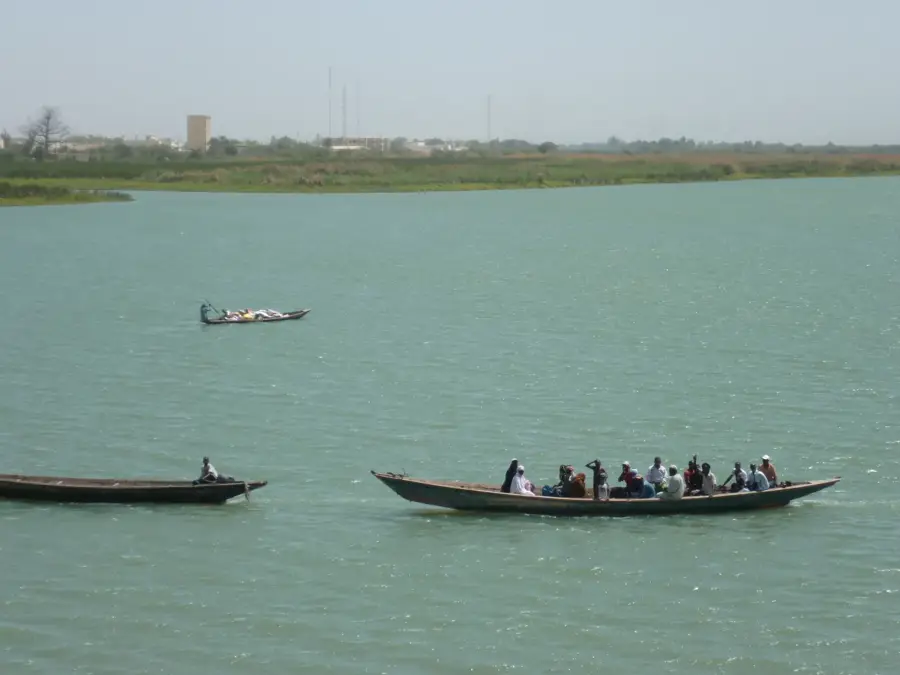
Only partially and depending on the season; small canoes are best for local trips.
Can you fish on the Faleme?
Yes, fishing is common, but check for local permits.
Best time to visit?
After the rainy season when the landscape is green and water levels are stable.
Is there tourist infrastructure?
No, this is a very remote region; full self-sufficiency is necessary.
Wildlife dangers?
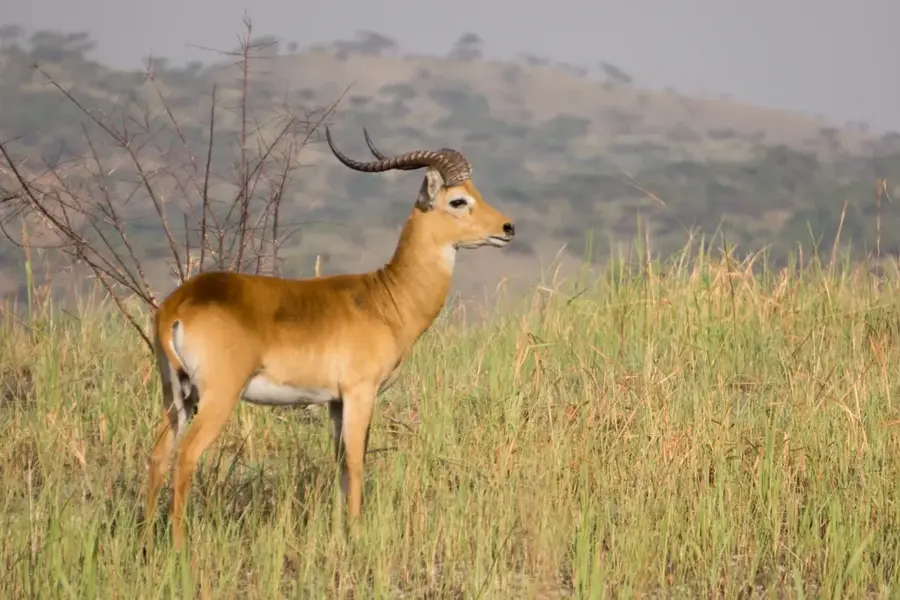
Be cautious of crocodiles and hippos; keep your distance from the bank.
Falémé River: where is it located?
Falémé River is located in Senegal.
Falémé River: when is the best time to visit?
The most pleasant time to visit is Jan, Nov, Dec.
Falémé River: why is it worth visiting?

The Falémé River is the principal left-bank tributary of the Senegal River, stretching approximately 650 kilometers and forming the natural international border between Senegal and Mali.
View on map → The Top 50 Attractions → OpenStreetMap →
Africa
Explore with Plizio Discover more places in Africa
More places in Senegal →

Nature

More places