Plizio Visual Lab
National Bird Reserve Zone
Weather…
Water temperature…
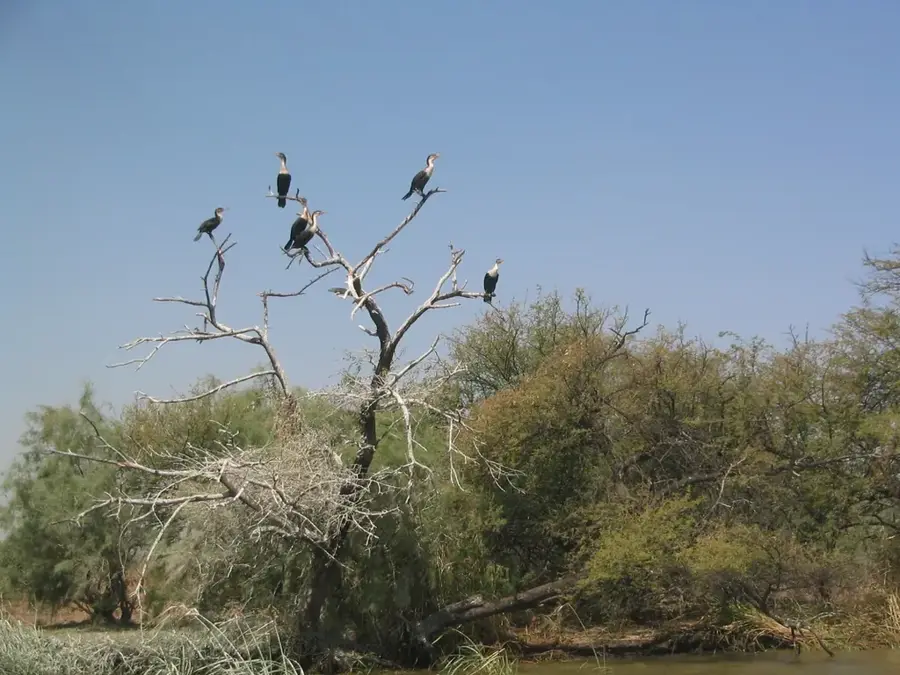
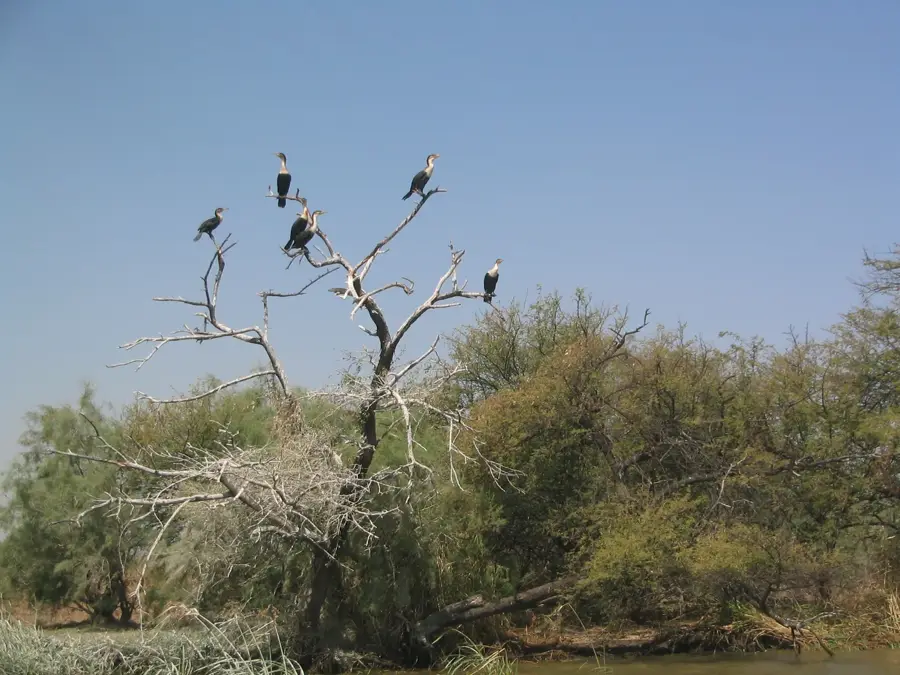
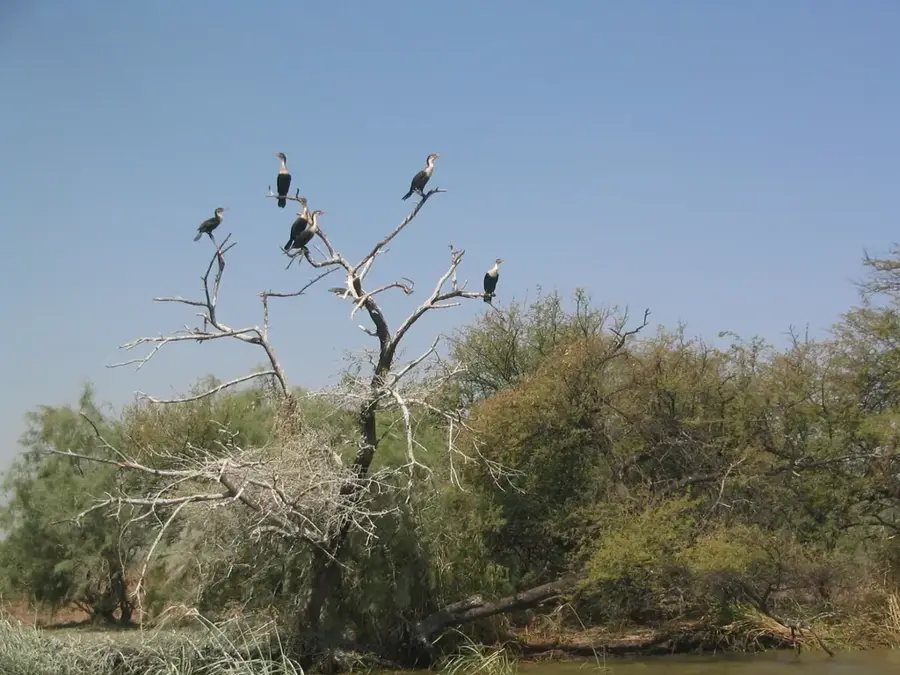
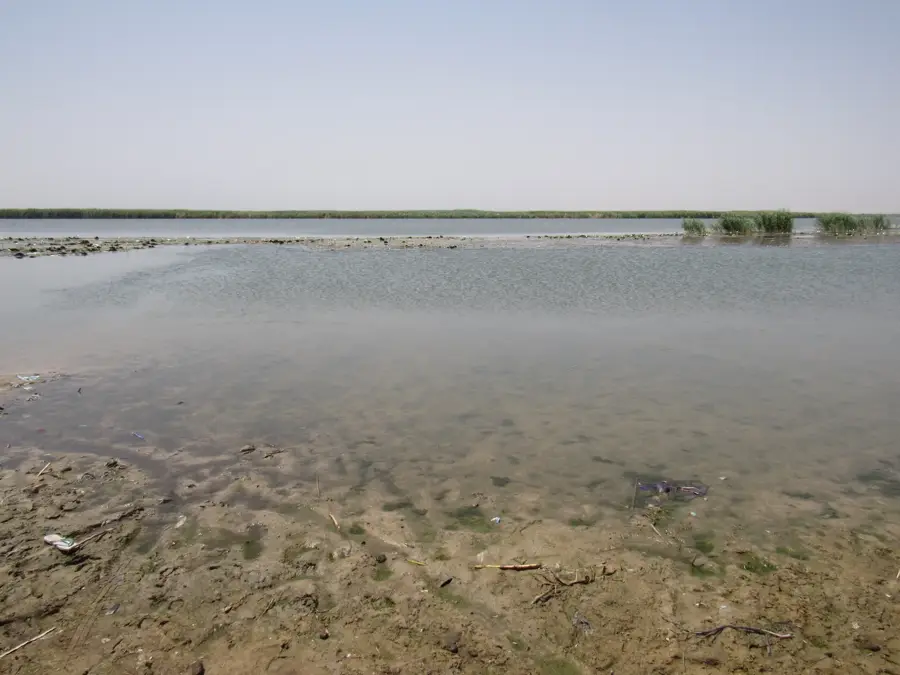
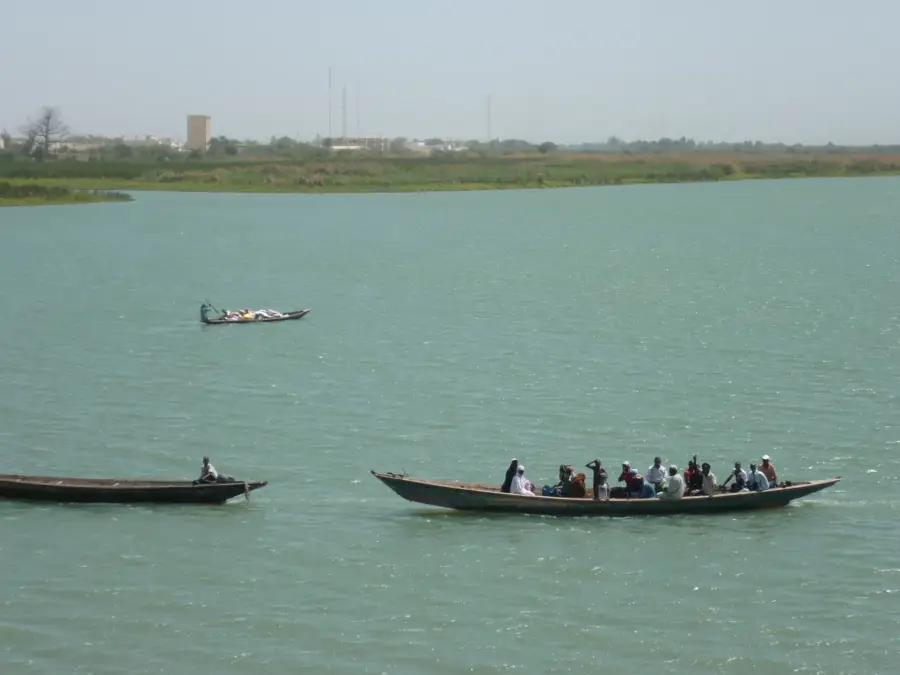
The National Bird Reserve Zone, frequently associated with the Technopole wetlands in Dakar, constitutes a critical habitat for migratory waterbirds along the West African Flyway. Classified by BirdLife International as an Important Bird Area (IBA), this protected zone encompasses brackish lagoons and mangrove remnants. Annually, the area hosts over 250 species of birds, including rare specimens such as the Great White Pelican and various heron species. The proximity to Dakar's urban infrastructure makes the reserve a vital center for environmental education and ornithological research within Senegal. Despite urban encroachment pressures, the area remains an indispensable ecological filter and a refuge for local biodiversity in the heart of the metropolitan region.
- Location: Senegal
- Nearby: Djoudj National Bird Park (5 km)
Best time to visit & climate
The most pleasant time to visit is Jan, Feb, Dec.
| Jan | Feb | Mar | Apr | May | Jun | Jul | Aug | Sep | Oct | Nov | Dec | |
|---|---|---|---|---|---|---|---|---|---|---|---|---|
| Avg °C | 22 | 22 | 24 | 24 | 25 | 27 | 28 | 29 | 29 | 29 | 26 | 23 |
| Rain mm | 3 | 9 | 24 | 1 | 0 | 8 | 45 | 102 | 91 | 15 | 1 | 0 |
📋 Practical info
Geography
Facts
- Hosts over 250 documented bird species within the Dakar urban area.
- Recognized as an Important Bird Area (IBA) according to BirdLife criteria.
- Essential stopover point on the East Atlantic Flyway for migratory birds.
- Comprises approximately 200 hectares of wetlands and dune formations.
- Serves as a natural retention basin for rainwater in Dakar.
- Observation site for rare species such as the Little Stint.
Explore nearby
Notable places around


Route planner — Car & Motorhome
Where do you start? We build the route here, with stops and country notes along the way.
© OpenStreetMap contributors · OpenRouteService
Sights nearby
Frequently asked questions
When can one watch birds here?
Is a guide required?
What do I need to keep in mind?
Are there marked trails?
Is the area dangerous in the rain?
National Bird Reserve Zone: where is it located?
National Bird Reserve Zone: when is the best time to visit?
National Bird Reserve Zone: why is it worth visiting?

History & landmarks

Nature
More places