Plizio Visual Lab

Senegal River Delta
Plizio editorial teamData Sources
River
—°5
Senegal River Delta (Senegal)

Weather…

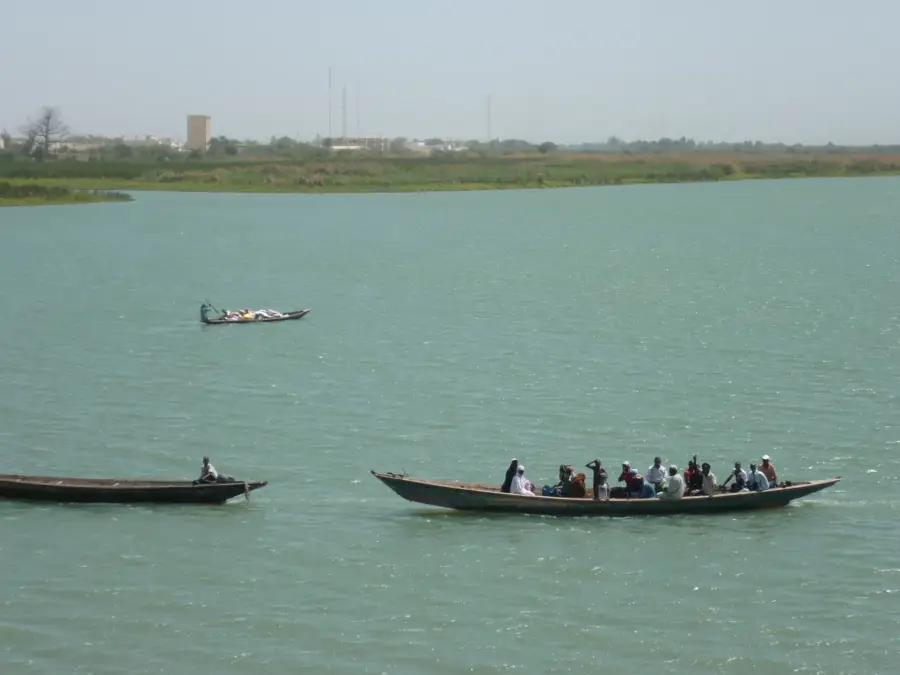
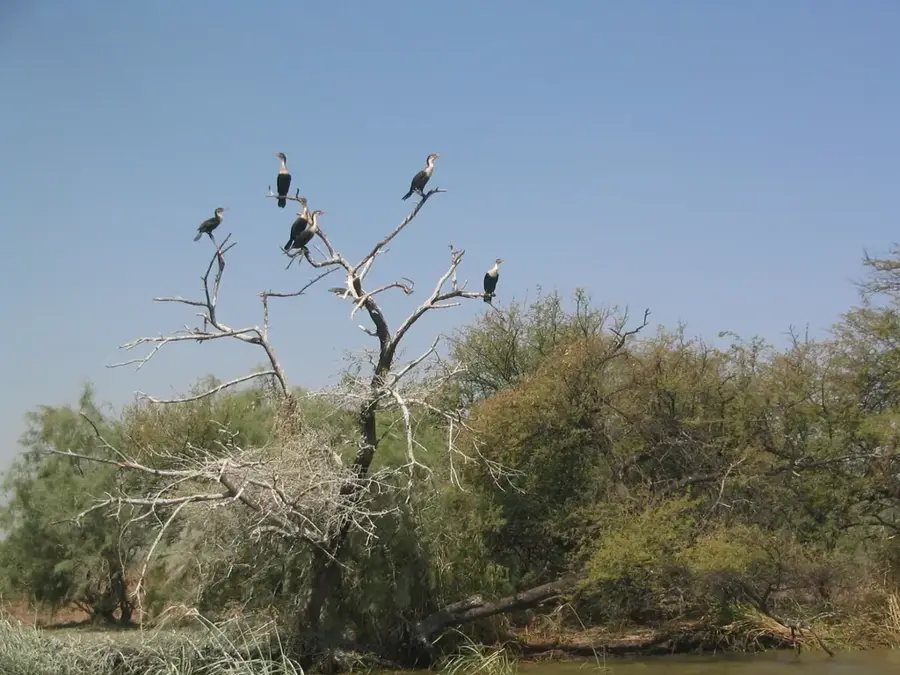
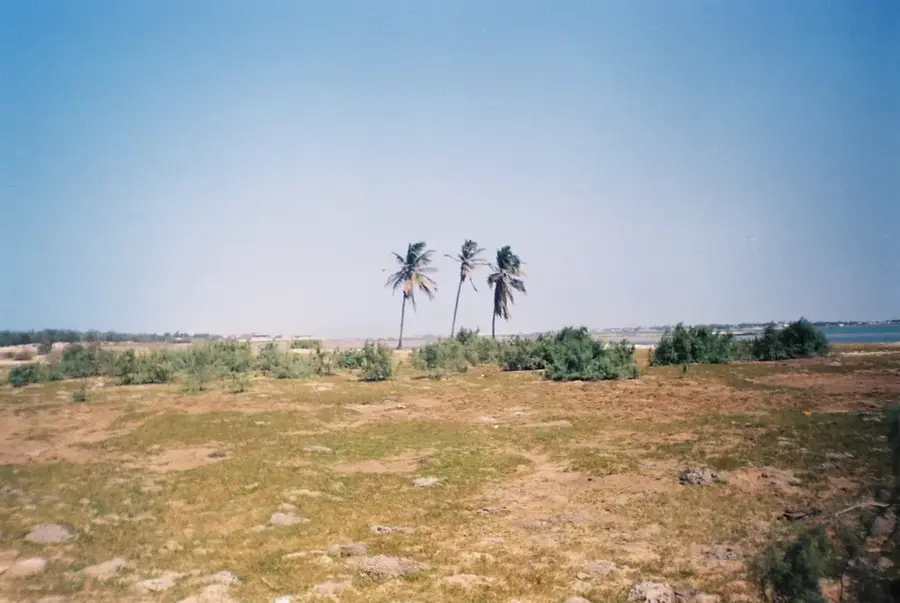
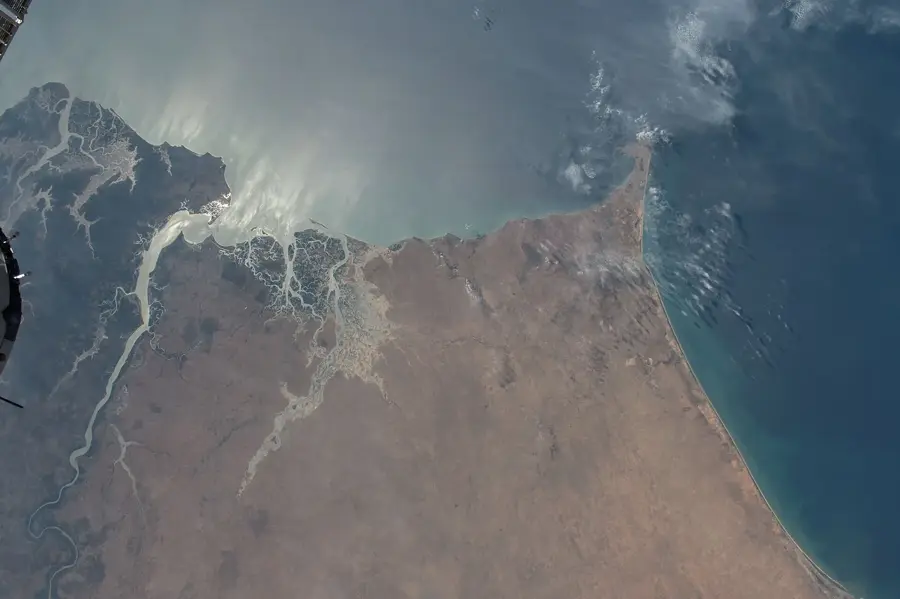
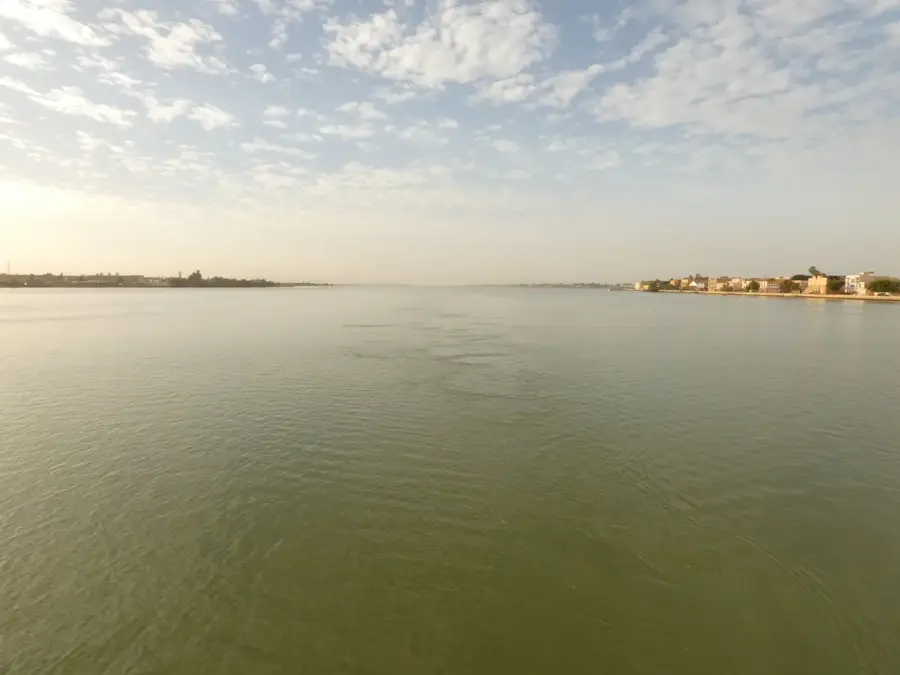
The Senegal River Delta in the northwest of the country is one of Africa's most significant wetlands and home to the world-renowned Djoudj Bird Sanctuary. This vast ecosystem covers tens of thousands of hectares and consists of a complex network of channels, lakes, and marshes. Every year, the delta serves as a vital wintering ground for over three million migratory birds from Europe and West Asia, including pelicans, flamingos, and numerous duck species. The area is protected under the Ramsar Convention and plays a central role in the biodiversity of the entire Sahel region. In addition to its rich avifauna, the delta provides habitat for crocodiles, manatees, and warthogs. For the local economy, the delta is of immense importance, as it enables intensive irrigation for rice cultivation and supports productive fisheries. However, invasive plant species and the construction of dams upstream threaten the natural balance of the delta's water regime.

Best time to visit & climate

The most pleasant time to visit is Jan, Feb, Dec.

JanFebMarAprMayJunJulAugSepOctNovDec
Avg °C222325252728292929292724
Rain mm39382010651231092010

📋 Practical info

🧭
Getting there
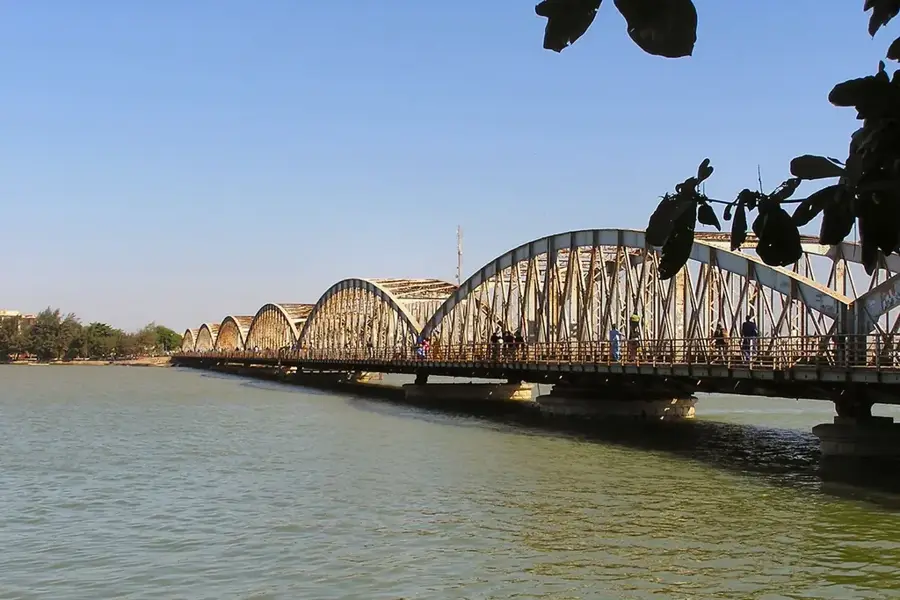
The northern delta section is most commonly approached from the historic city of Saint-Louis, which bridges the river and the sea. Well-maintained coastal roads gradually transition to sandy, uneven paths the closer one gets to the shifting dunes and ocean mouth.
📅
Best season
The cooler period spanning from November to March is well-suited, especially for birdwatchers tracking the massive winter migrations. Summers are hot and humid, and advancing storms from the Atlantic can make navigating the shallow waterways unpredictable.
⛰️
Terrain & paths
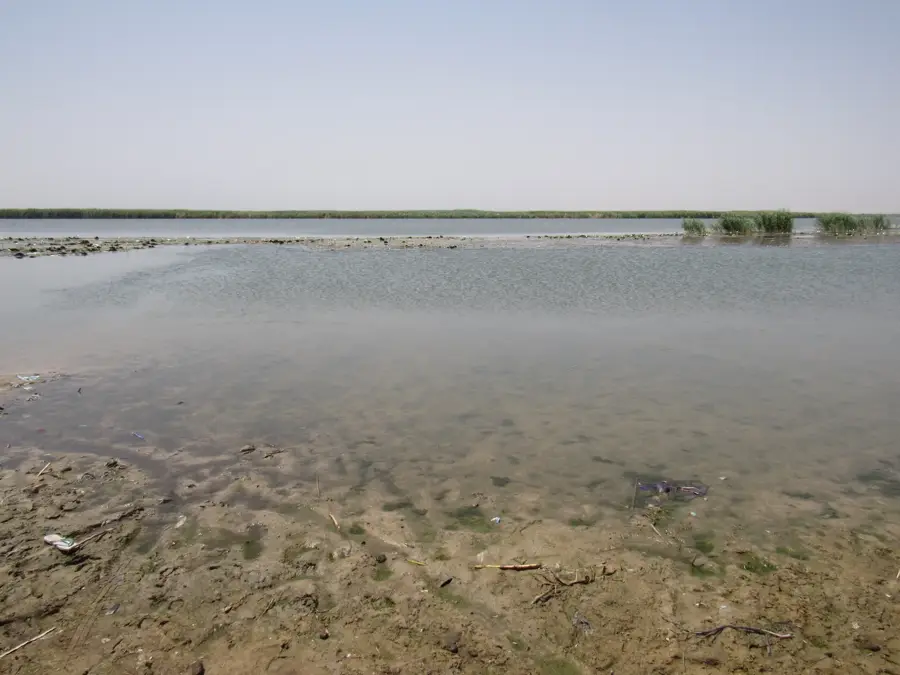
The landscape is a dynamic mix of sandy beaches, shallow brackish lagoons, and coastal wetlands constantly reshaped by the tides. Walking along the shorelines requires navigating deep, loose sand, while watercraft must carefully thread through shifting sandbars.
🎒
What to bring
Binoculars are an absolute necessity for observing the pelicans and flamingos that congregate in the distance. Sturdy sandals or water shoes, along with comprehensive sun protection and a windbreaker to block the persistent sea breezes, complete the convenient kit.
🅿️
Parking
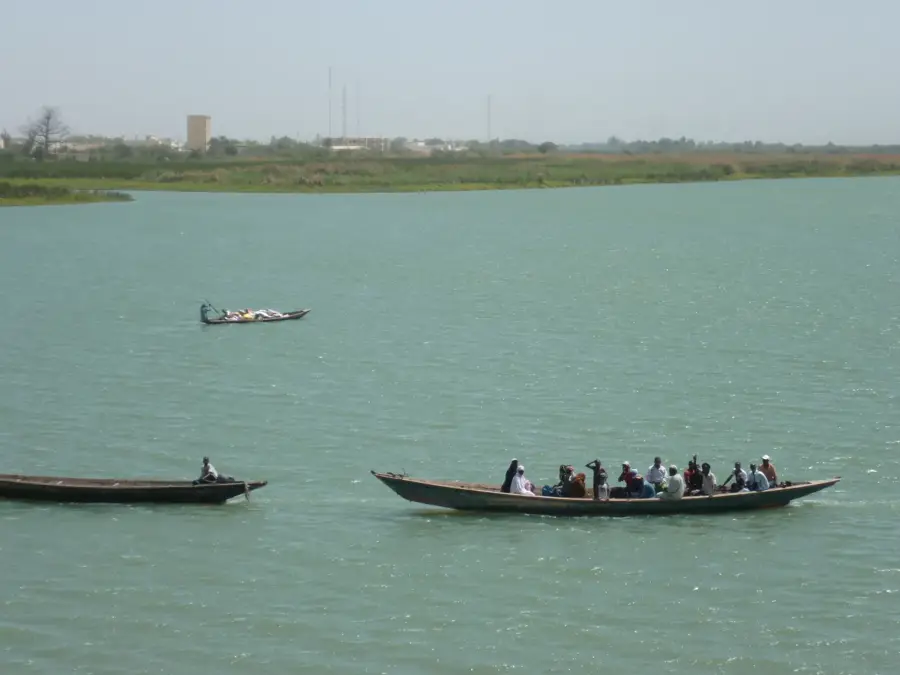
Visitors generally park in the historic center of Saint-Louis and arrange local transport or guided boat excursions to venture deeper into the delta. For those driving out to the beaches, informal parking is common wherever the sandy tracks terminate.
⚠️
Safety
Strong, unpredictable ocean currents make swimming near the river mouth extremely hazardous and strictly unadvisable. Additionally, visitors should respect the delicate nesting grounds of migratory birds and ensure their watercraft remain at a respectful distance.
⏱️
Time needed
A comprehensive bird-watching tour combined with a cruise down the river typically consumes an entire day. Short excursions to simply view the point where the freshwater meets the ocean waves can be easily completed in just a few hours from town.

Geography

Coordinates
15.90000, -16.40000

Facts

  • Location: Mouth of the Senegal River near Saint-Louis.
  • Bird population: Over 3 million migratory birds annually.
  • Status: Ramsar site and UNESCO World Heritage area.
  • Key species: Great White Pelicans (Pelecanus onocrotalus).
  • Economy: Central hub for Senegalese rice production.
  • Threat: Invasive aquatic plants like Salvinia molesta.

Explore nearby

Notable places around
Route planner — Car & Motorhome

Where do you start? We build the route here, with stops and country notes along the way.

Vehicle
Only stops with (optional):

© OpenStreetMap contributors · OpenRouteService

Sights in the town Senegal River Delta (5)

Entrée de la Réserve Spéciale de Faune de Gueumbeul🏺 historical

This gateway marks the entrance to the Guembeul Special Fauna Reserve, a key sanctuary for endangered species in the Senegal delta.

Mirador enclos A📍 landmark

This observation cabin overlooks Enclosure A, providing visitors with a quiet spot to watch local wildlife.

Mirador enclos acclimatation📍 landmark

This elevated cabin allows researchers and visitors to monitor animals in the reserve's acclimatization enclosure.

Mirador enclos élevage d'autrichons📍 landmark

From this observation deck, guests can watch young ostriches being raised within a specialized protective enclosure.

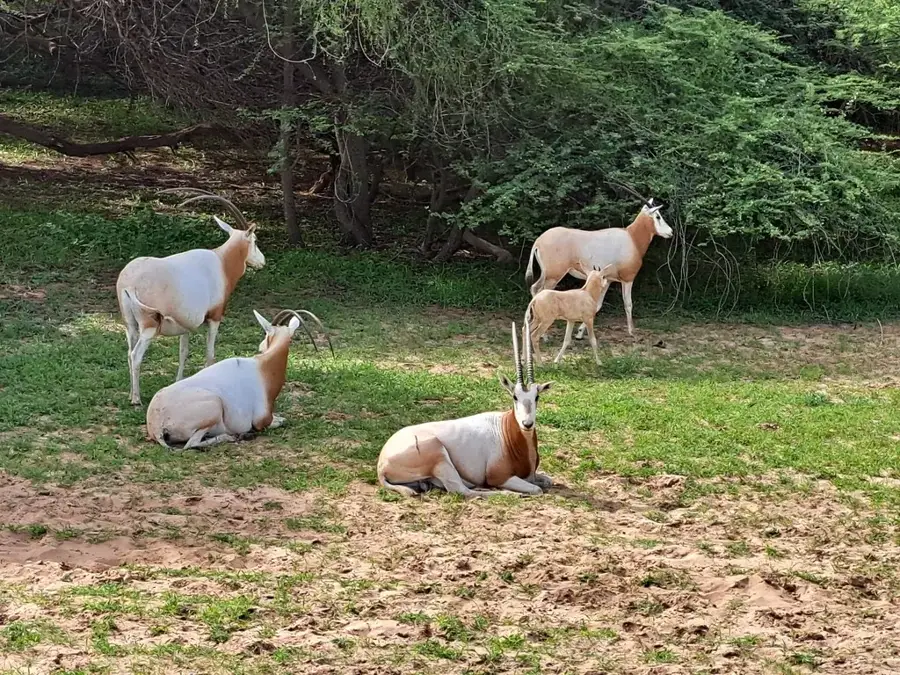
Réserve spéciale de faune de Guembeul🌿 nature

Established in 1983, the Guembeul Special Fauna Reserve is dedicated to the conservation of endangered species like the scimitar oryx.

🕒 Mo-Su 08:00-18:00

Sights nearby

Frequently asked questions

Are there boat tours in the Senegal Delta?
Yes, this is the best way to see the birdlife.
When do migratory birds arrive?
The main season for migratory birds is from November to March.
Do I need binoculars?
Definitely, for observing the diverse bird species.
Can you stay overnight there?
There are some lodges near Saint-Louis that organize tours.
Is the water safe?
Avoid contact with water due to parasite risks.
Senegal River Delta: where is it located?
Senegal River Delta is located in Senegal.
Senegal River Delta: what is there to see?
Highlights include Entrée de la Réserve Spéciale de Faune de Gueumbeul, Mirador enclos A, Mirador enclos acclimatation.
Senegal River Delta: when is the best time to visit?
The most pleasant time to visit is Jan, Feb, Dec.
Senegal River Delta: why is it worth visiting?

The Senegal River Delta in the northwest of the country is one of Africa's most significant wetlands and home to the world-renowned Djoudj Bird Sanctuary.
View on map → The Top 50 Attractions → OpenStreetMap →
Africa
Explore with Plizio Discover more places in Africa
More places in Senegal →

History & landmarks

Nature

More places