Plizio Visual Lab

Conde

Plizio editorial teamData Sources
City
—°1
Conde (São Tomé & Príncipe)
ℹ️

Practical info — Conde

🌤 Weather — 5 days

📍 Nearby

Sights nearby

💡 Tips

  • Hire a local guide from the Lobata district to safely explore the mineral-rich agricultural hills.
  • Bring all the cash (dobras) you might need from the capital, as ATMs and card readers are non-existent here.
  • Accept a freshly opened raw cacao pod if offered by local farmers; the white pulp is sweet and refreshing.
  • Wear sturdy boots, as the rich soil turns into slippery mud quickly after frequent tropical showers.

🍽 Food

🍽
Calulu

A traditional smoked fish stew cooked for hours with local herbs. Ask for it at small village eateries.

🍽
Fire-roasted fish

Freshly caught fish grilled simply over an open fire by locals along the roadside.

🍽
Fresh tropical fruits

Sample the jackfruit, papaya, and mini bananas grown abundantly in the fertile hills of Lobata.

🛍 Shopping · 🧘 Quiet spots

🛍
Raw cacao and coffee

Purchase fresh or dried cacao beans and coffee directly from the farmers on the plantations.

🛍
Woven baskets

Handmade baskets crafted from palm leaves, sold by local artisans in the village center.

🧘
Cacao plantations

Take a peaceful walk through the shaded plantations, accompanied only by the song of tropical birds.

🧘
Village outskirts

The rolling hills just outside the village offer expansive views and absolute rural quiet.

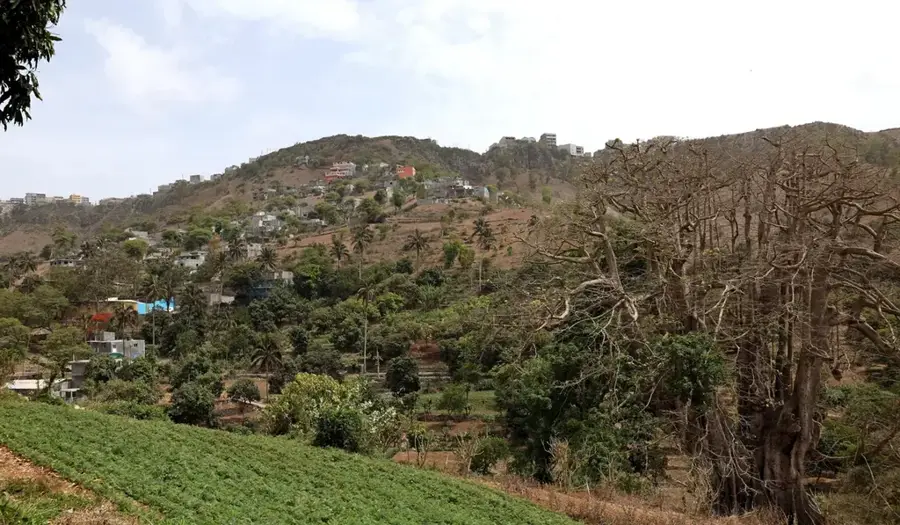
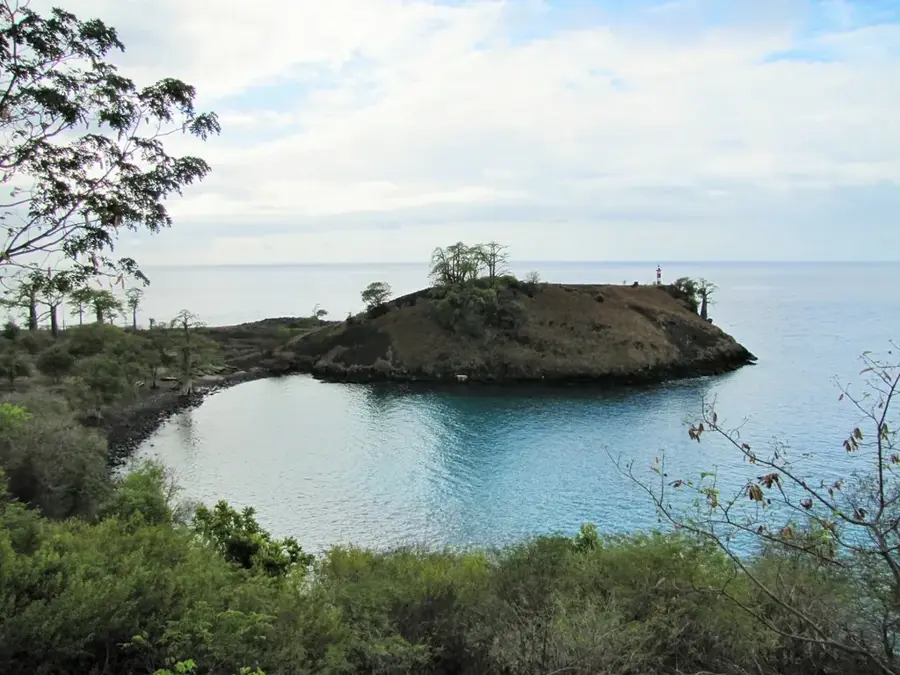
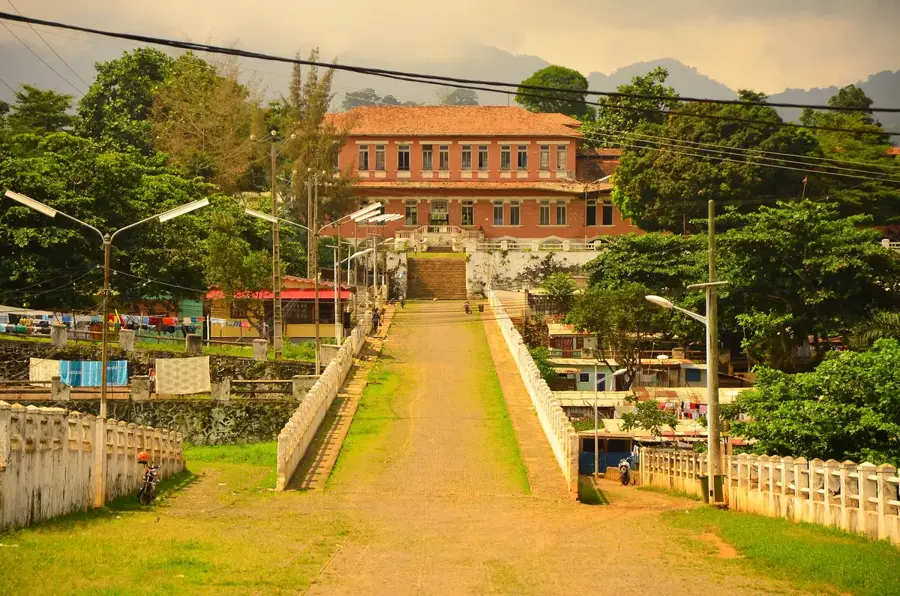
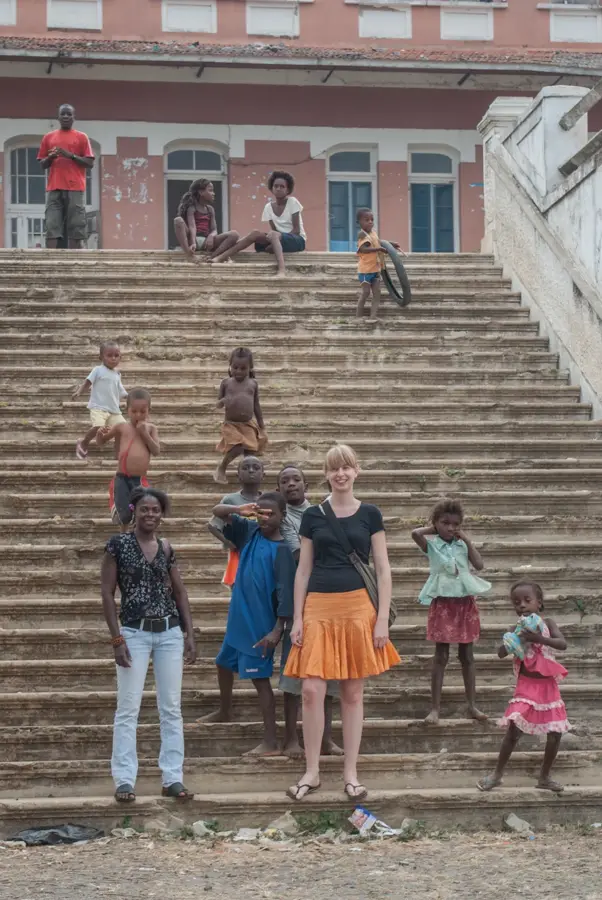
Conde is a village tucked away in the gentle hills of the Lobata district in northern São Tomé, whose name recalls a Portuguese nobleman who received land here in the 18th century. Mineral-rich, dark volcanic soils made the area an early favorite for growing root vegetables and tubers: yam (inhame), cassava, sweet potatoes and taro are cultivated here in striking variety and sold in the markets of Guadalupe and São Tomé. Conde is also known for its traditional pottery: from the reddish-grey clay of nearby streams, experienced women shape cooking pots, water jugs and ritual vessels, the wheel-less firing techniques pointing to West African roots. The community keeps an especially vivid folklore: dances such as Tchiloli, a Creole adaptation of medieval Portuguese plays, are staged on feast days accompanied by drums, flutes and elaborate costumes. Conde is therefore a cornerstone of the northern island not only agriculturally but culturally as well.

Best time to visit & climate

The most pleasant time to visit is Jul–Sep.

JanFebMarAprMayJunJulAugSepOctNovDec
Avg °C272828282726252526262727
Rain mm12511516217612944231935100142130

Geography

Population
685 (2024)
Coordinates
0.40000, 6.63000

Facts

  • Located in the Lobata District in the north of the island
  • Situated in a fertile zone with volcanic soils
  • Former site of significant agricultural Roças
  • Local center for cocoa and coffee processing
  • Infrastructure partially dates back to the colonial era
  • Located approximately 15 kilometers northwest of the capital

Explore nearby

Notable places around

Route planner — Car & Motorhome

Where do you start? We build the route here, with stops and country notes along the way.

Vehicle
Only stops with (optional):

© OpenStreetMap contributors · OpenRouteService

Sights in the town Conde (1)

Praia das Conchas🎡 recreation

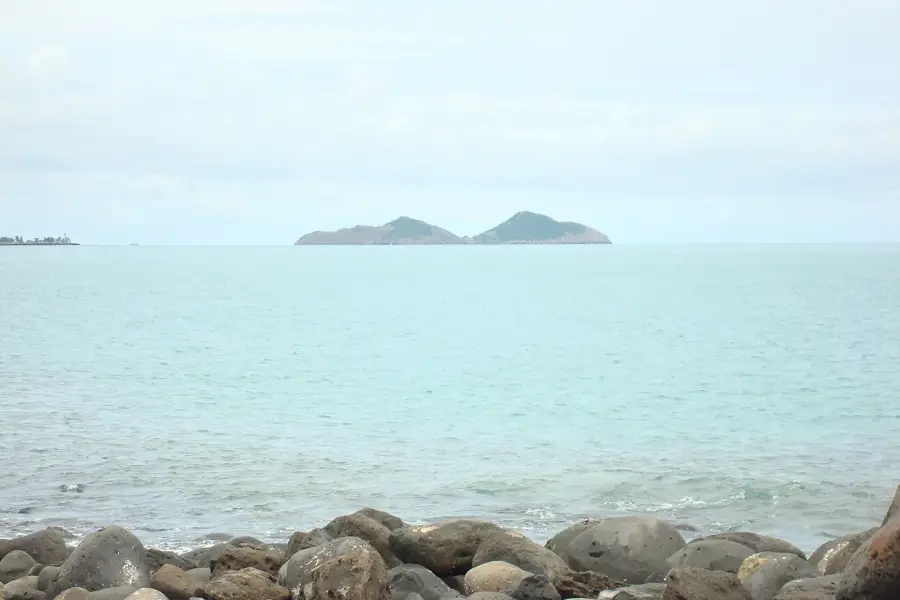
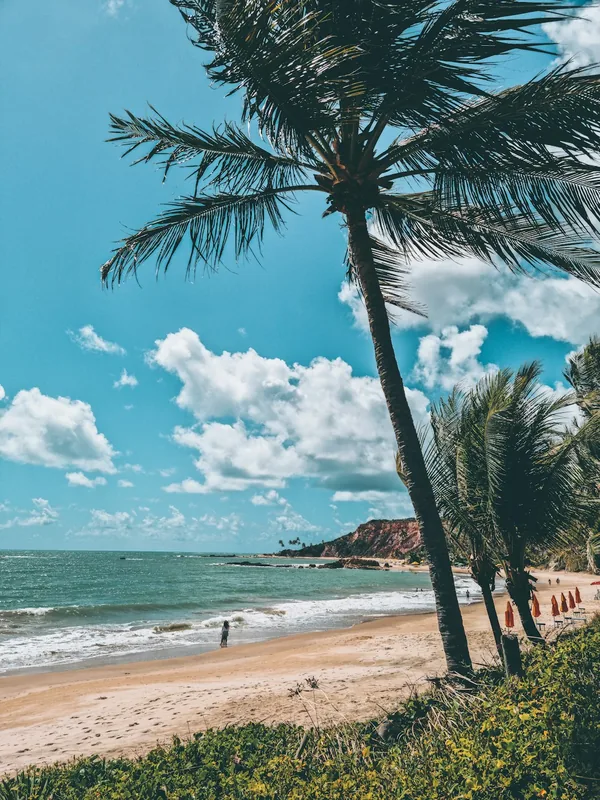
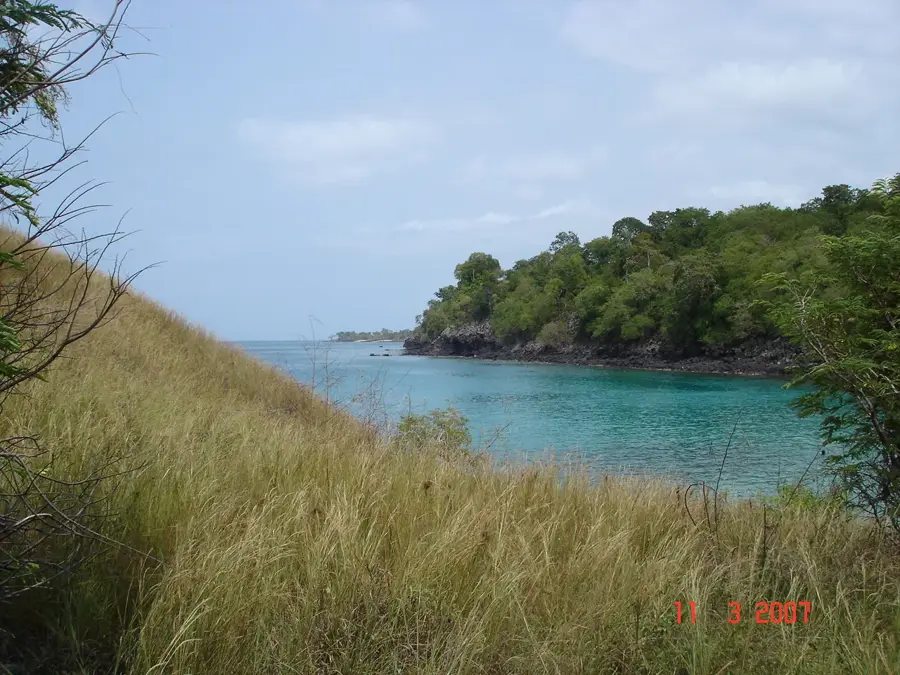
Also hidden in Conde is the pleasant Praia das Conchas, which promises a typical island idyll. Bathers find good conditions to unwind on this stretch of beach in São Tomé and Príncipe. Whether for collecting shells or simply relaxing, this place radiates great peacefulness. A small packed picnic perfectly rounds off the stay.

Frequently asked questions

What does Conde offer?
Tranquility and local atmosphere.
How long for a visit?
A few hours are enough.
Do I need cash?
Yes, definitely.
Is a car necessary?
Yes, highly recommended.
Are there many tourists?
No, very untouristy.
Conde: where is it located?
Conde is located in São Tomé & Príncipe.
Conde: when is the best time to visit?
The most pleasant time to visit is Jul, Sep.
Conde: why is it worth visiting?
Conde is a village tucked away in the gentle hills of the Lobata district in northern São Tomé, whose name recalls a Portuguese nobleman who received land here in the 18th century.
View on map → The Top 50 Attractions → OpenStreetMap →
Africa
Explore with Plizio Discover more places in Africa

Nearby cities

History & landmarks

More places