
Plizio Visual Lab

Canavial

Plizio editorial teamData Sources
City
—°1
Canavial (São Tomé & Príncipe)
ℹ️

Practical info — Canavial

🌤 Weather — 5 days

📍 Nearby

Sights nearby

💡 Tips

  • Bring enough cash in local currency (dobras) from the capital, as ATMs are practically non-existent here.
  • A 4x4 vehicle is highly recommended due to the unpaved and sometimes muddy rural roads.
  • Portuguese is the main language; learning a few basic greetings will win you many smiles.
  • Ask locals for permission before walking deeply into the sugarcane fields or private lands.

🍽 Food

🍽
Calulu

A rich, traditional stew made with dried fish or meat and local herbs, often available upon request at guesthouses.

🍽
Fresh Tropical Fruit

Buy directly from small village stalls for the freshest bananas and papayas.

🍽
Sugarcane Produce

Sample local molasses or fresh sugarcane juice during the harvest season.

🛍 Shopping · 🧘 Quiet spots

🛍
Village Stalls

Small, informal roadside setups are the best places to buy locally grown produce and snacks.

🛍
Nearest Town Market

Head to the larger neighboring towns for any substantial grocery or craft shopping.

🧘
Sugarcane Field Paths

Walk along the dirt tracks bordering the fields for absolute rural tranquility.

🧘
Coastal Viewpoints

Ask residents for directions to the quietest cliffside spots overlooking the ocean.

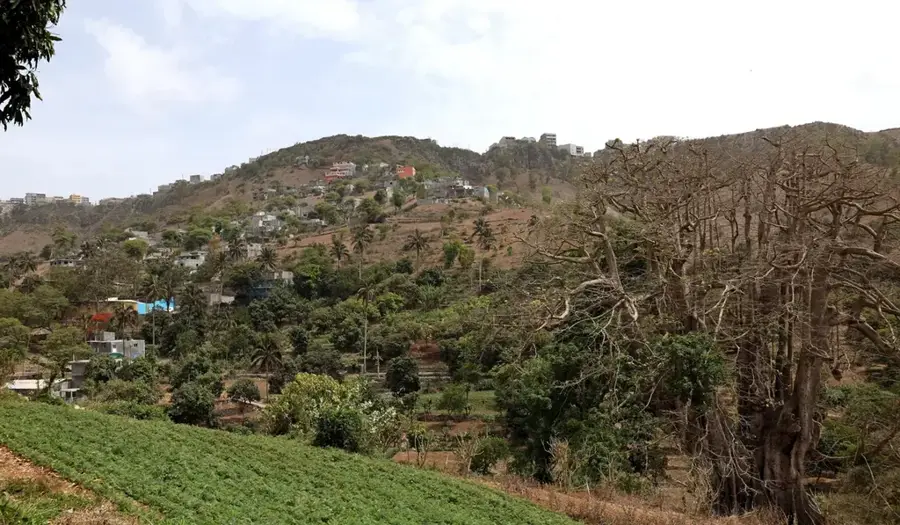
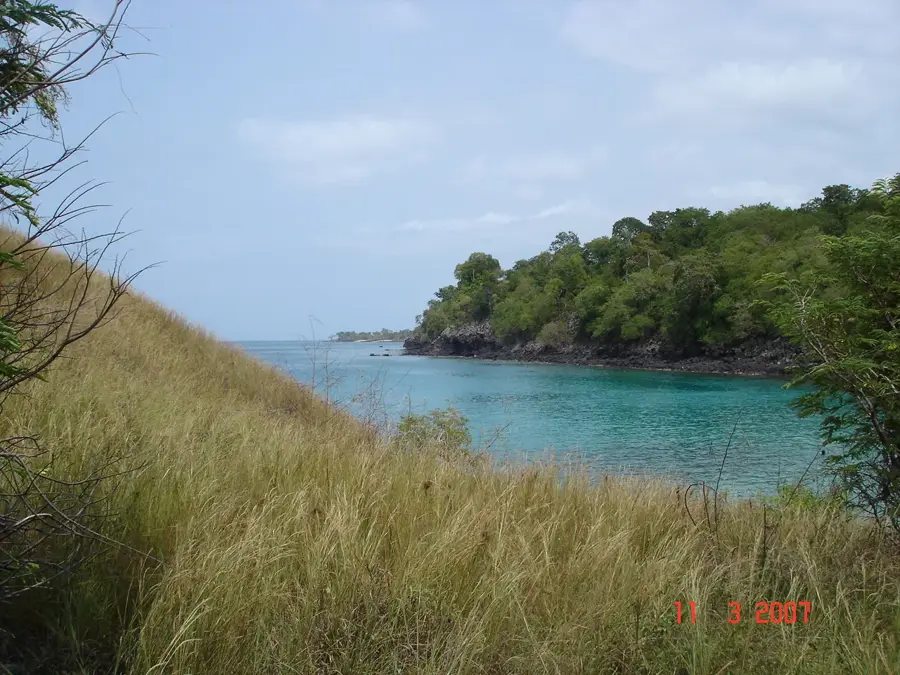
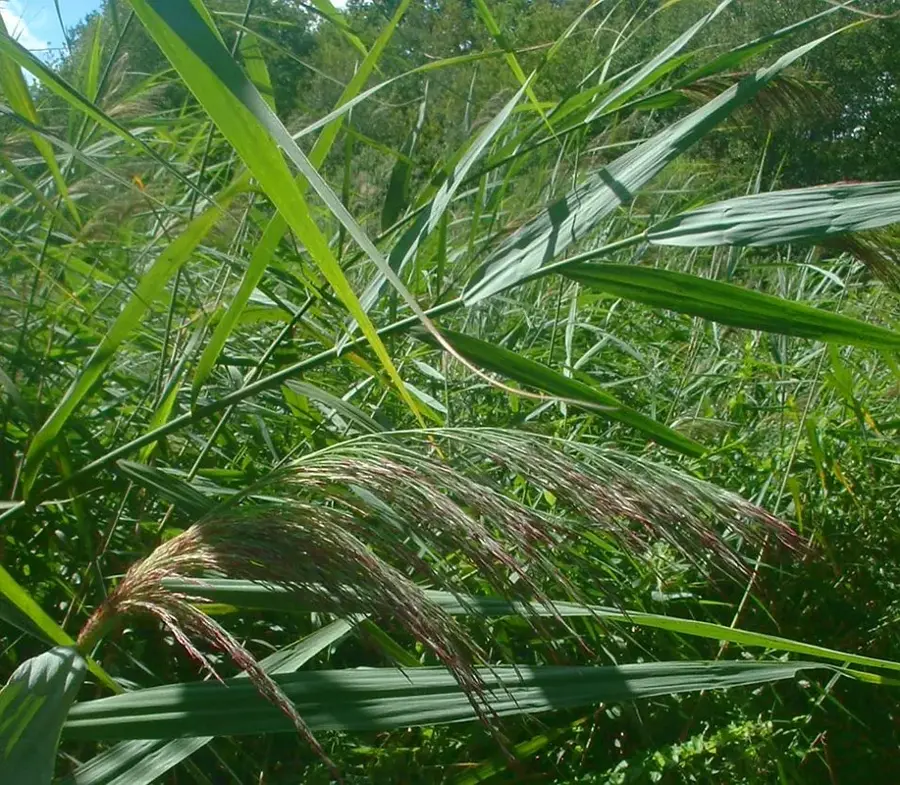
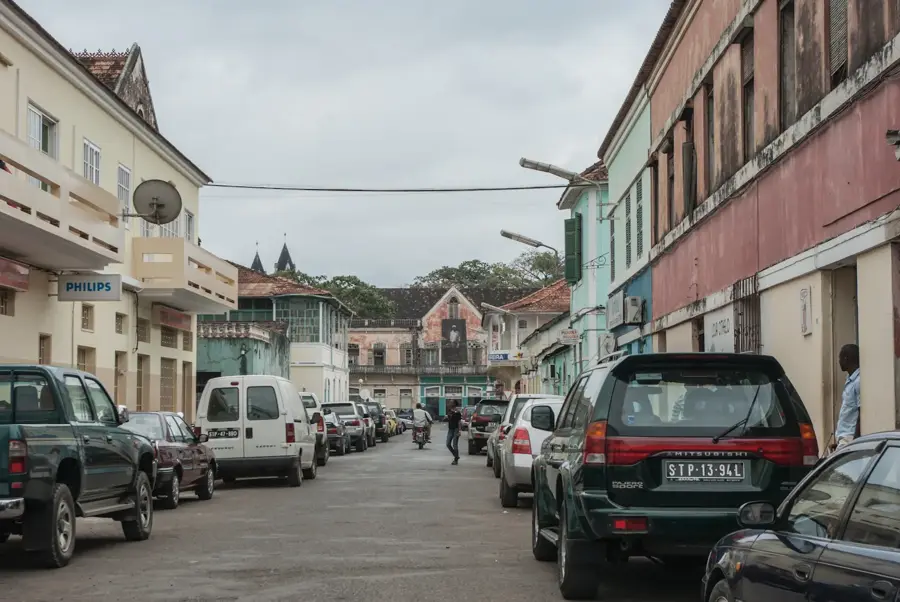
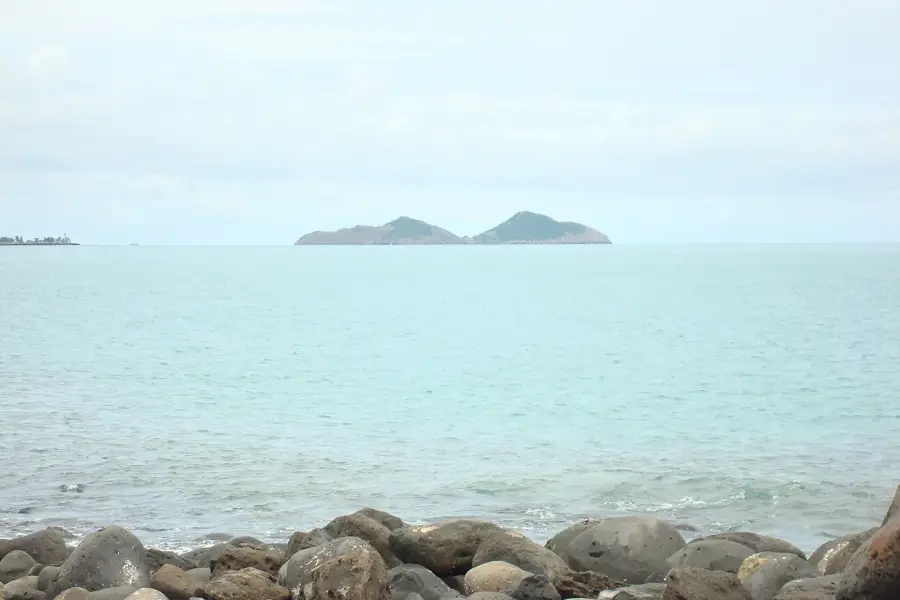
Canavial is a hamlet in the Lobata district on São Tomé's north coast whose name comes from the Portuguese word „canavial“ (sugar cane field), recalling the region's once-dominant crop. In the 16th and 17th centuries, sugar cane was the island's main export before being supplanted by cocoa and coffee. Remnants of this tradition survive in Canavial in the form of small distilleries producing cacharamba and grogue, locally distilled sugar-cane spirits indispensable at family festivals. The flat coastal fields rise here into gentle hills and form a traditional mosaic of livestock raising with local cattle breeds and small-scale arable farming. From the plateau, one overlooks much of the northern continental shelf with its pristine coral reefs, among the most species-rich in the region. Canavial retains a quiet, agrarian atmosphere and exemplifies the link between the old plantation culture and today's subsistence economy.

Best time to visit & climate

The most pleasant time to visit is Jul–Sep.

JanFebMarAprMayJunJulAugSepOctNovDec
Avg °C272828282726252526262727
Rain mm12511516217612944231935100142130

Geography

Population
1,404 (2025)
Coordinates
0.39000, 6.68000

Facts

  • Coastal town in the Lobata District with fishing traditions
  • The name derives from historical sugarcane fields
  • Surrounded by volcanic coastal formations
  • Local economy is based on subsistence farming
  • Houses relics of old colonial irrigation systems
  • Located north of the capital city São Tomé

Explore nearby

Notable places around

Route planner — Car & Motorhome

Where do you start? We build the route here, with stops and country notes along the way.

Vehicle
Only stops with (optional):

© OpenStreetMap contributors · OpenRouteService

Sights in the town Canavial (1)

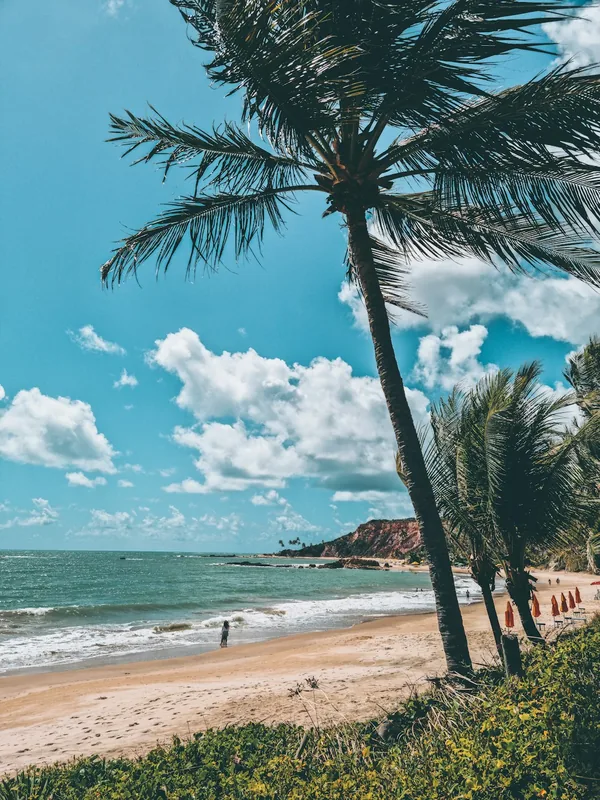
Praia Micoló🎡 recreation

Even in Canavial, Praia Micoló reveals its quiet and natural charm. Bathers and walkers enjoy the gentle entry into the water and the soft ground. It is a fabulous place to get to know the local rhythms of the island. Those who long for relaxation will certainly find what they are looking for on this unobtrusive beach.

Frequently asked questions

Is Canavial worth a trip?
For those seeking peace, yes.
How much time to plan?
A few hours.
Are there dining options?
No, please bring your own.
When to visit?
In the dry season.
Car necessary?
Yes, essential.
Canavial: where is it located?
Canavial is located in São Tomé & Príncipe.
Canavial: when is the best time to visit?
The most pleasant time to visit is Jul, Sep.
Canavial: why is it worth visiting?
Canavial is a hamlet in the Lobata district on São Tomé's north coast whose name comes from the Portuguese word „canavial“ (sugar cane field), recalling the region's once-dominant crop.
View on map → The Top 50 Attractions → OpenStreetMap →
Africa
Explore with Plizio Discover more places in Africa

Nearby cities

History & landmarks

More places