Plizio Visual Lab
Agostinho Neto

ℹ️Practical info — Agostinho Neto
▾
🌤 Weather — 5 days
📍 Nearby
Sights nearby
💡 Tips
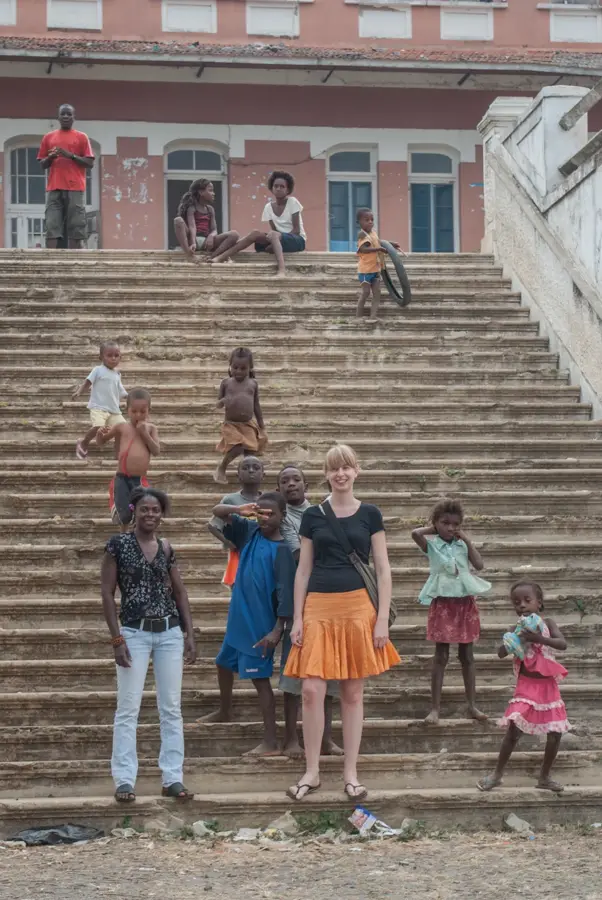
- The impressive colonial hospital ruins are a major draw, but remember that the structures are currently inhabited; please be respectful.
- Hire a local guide to fully understand the deep history and layout of this massive former plantation (roça).
- The climate is tropical and highly humid, so bringing an effective mosquito repellent is essential.
- There is virtually no formal tourist infrastructure, so pack your own water and snacks before visiting.
- Wear sturdy shoes, as the plantation grounds are uneven and nearby jungle trails can be slippery.
🍽 Food
A traditional stew of dried fish or meat packed with local herbs; ask around if a local family is hosting meals.
Buy fresh papayas, bananas, and jackfruit that are grown right on the grounds of the former estate.
Occasionally, coffee grown on the estate is roasted traditionally by locals; it's a quiet find if you can find it.
🛍 Shopping · 🧘 Quiet spots
With no actual shops, you can often buy fresh fruits and cocoa beans directly from the residents.
Occasionally, locals will carve small wooden figures to sell informally to visiting tourists.
The massive, nature-reclaimed buildings offer an eerie but profoundly peaceful and historic atmosphere.
The lush green trails immediately surrounding the estate invite you for a meditative walk.
Water temperature…
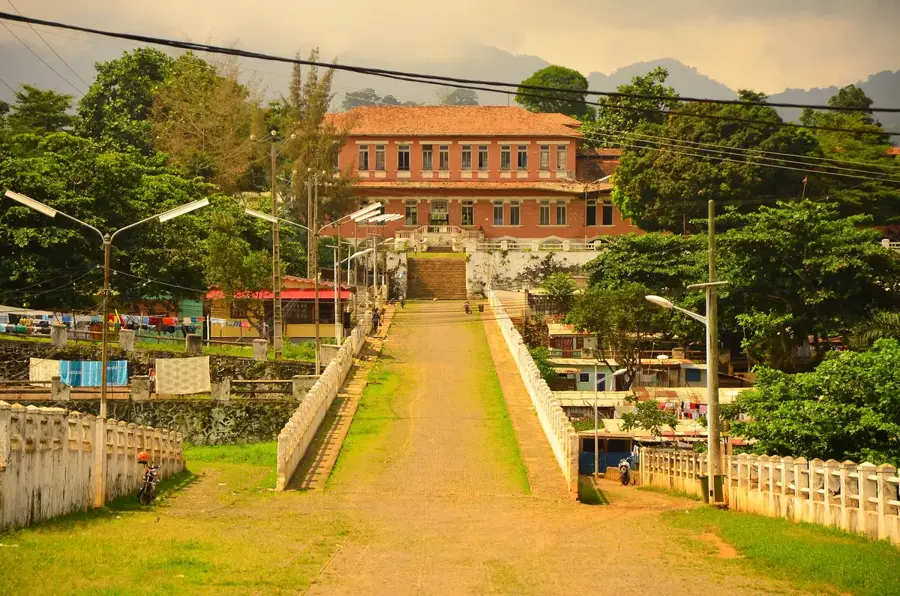
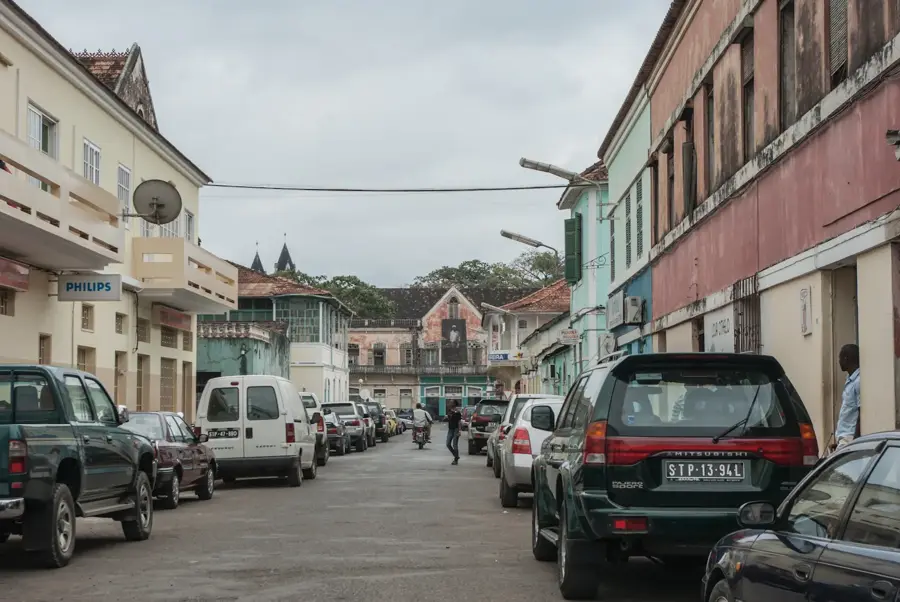
Agostinho Neto, formerly known as Rio do Ouro, is São Tomé's largest and most impressive historic roça, located in the Lobata district about 18 kilometers north of the capital. The plantation was founded in the 1860s by Portuguese investors and quickly developed into the country's flagship roça, a „plantation state within the state“ with its own hospital, railway station, chapel, school and worker housing complexes for thousands of laborers. At its peak around 1900, more than 5,000 people lived here, including contract workers recruited from Cape Verde, Angola and Mozambique, whose working conditions were internationally denounced as „modern slavery“. After independence in 1975, the roça was nationalized and renamed after Angolan founding father Agostinho Neto. The multi-story neoclassical hospital building, one of the largest of its kind in West Africa, is today a monument to the São Toméan labor movement. Despite progressive decay, the site attracts many visitors as a melancholic architectural witness and popular film location.
- Location: São Tomé & Príncipe
- Nearby: Canavial (5 km)
- Population: ~992 (2025)
Best time to visit & climate
The most pleasant time to visit is Jul–Sep.
| Jan | Feb | Mar | Apr | May | Jun | Jul | Aug | Sep | Oct | Nov | Dec | |
|---|---|---|---|---|---|---|---|---|---|---|---|---|
| Avg °C | 27 | 28 | 28 | 28 | 27 | 26 | 25 | 25 | 26 | 26 | 27 | 27 |
| Rain mm | 125 | 115 | 162 | 176 | 129 | 44 | 23 | 19 | 35 | 100 | 142 | 130 |
Geography
Facts
- Largest former cocoa plantation in the country
- Previously known as Roça Rio do Ouro
- Houses a monumental neoclassical hospital
- Named after the first president of Angola
- Important example of colonial industrial architecture
- Located approximately 20 kilometers north of the capital
Explore nearby
Notable places around

Route planner — Car & Motorhome
Where do you start? We build the route here, with stops and country notes along the way.
© OpenStreetMap contributors · OpenRouteService
Sights in the town Agostinho Neto (1)
Frequently asked questions
Is a stop in Agostinho Neto worth it?
How long for the visit?
Are there markets?
Do I need cash?
Is parking safe?
Agostinho Neto: where is it located?
Agostinho Neto: when is the best time to visit?
Agostinho Neto: why is it worth visiting?

Nearby cities



History & landmarks
More places