Plizio Visual Lab

Bonifacio Monument
Plizio editorial teamData Sources
monument
—°11
Bonifacio Monument (Philippines)

Weather…

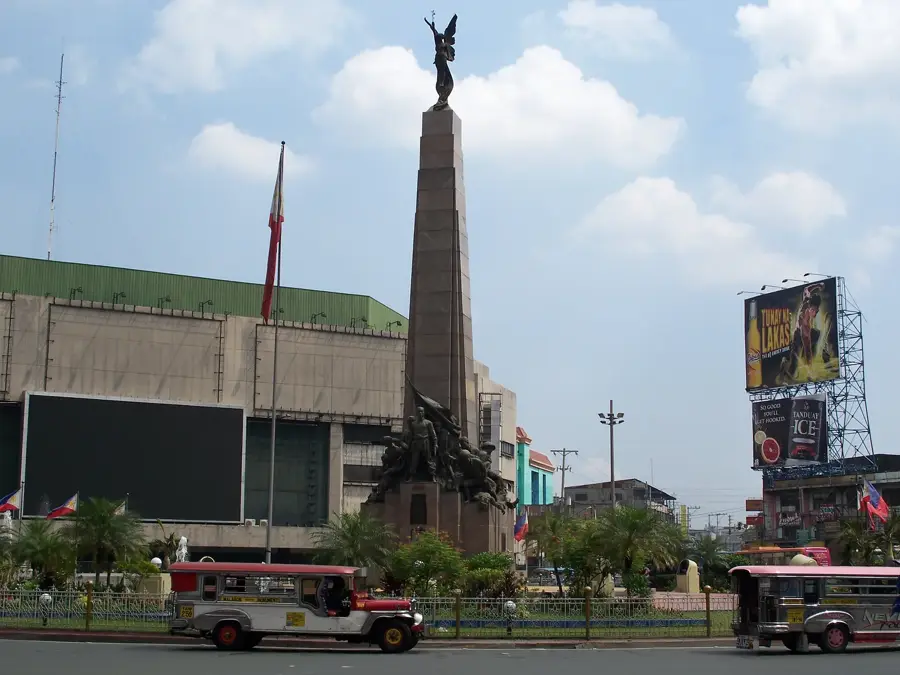
The Bonifacio Monument in Caloocan City, known as 'Monumento,' is one of the most powerful symbols of Filipino nationalism. It was created by National Artist Guillermo Tolentino to honor Andrés Bonifacio, the founder of the Katipunan and leader of the Philippine Revolution against Spain. The bronze figure group depicts the moment of the 'Cry of Pugad Lawin,' where revolutionaries tore up their community tax certificates to signal their break from Spain. At the center stands the heroic figure of Bonifacio, with a drawn bolo and the Katipunan flag. The monument stands at a strategic transportation hub, reminding passersby daily of the sacrifices made for the country's liberation. It is considered one of the finest sculptural works in the Philippines.

Best time to visit & climate

The most pleasant time to visit is Jan–Mar.

JanFebMarAprMayJunJulAugSepOctNovDec
Avg °C242425272827262626262524
Rain mm148148119102171248312289301341345393

📋 Practical info

🚪
Visiting
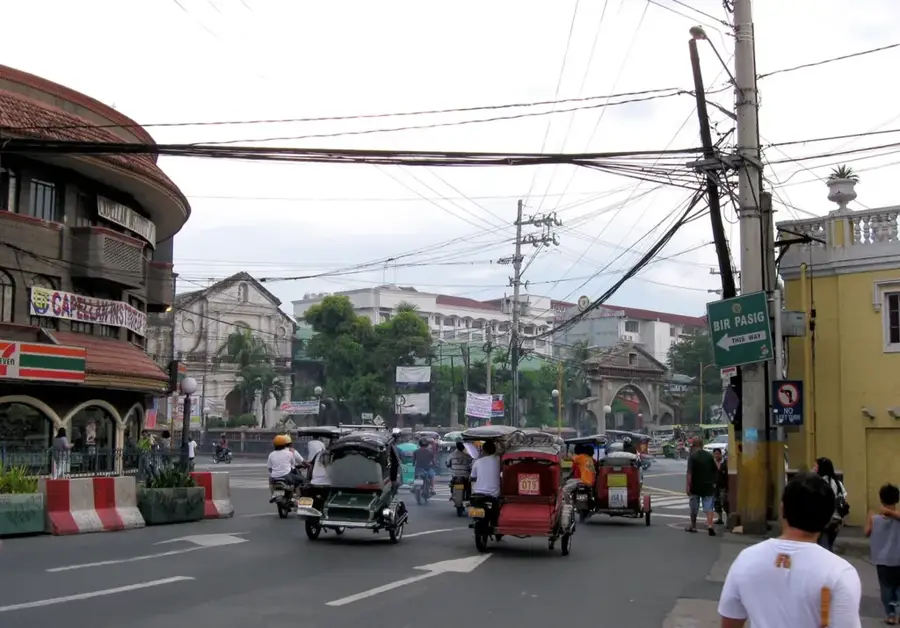
This impressive open-air monument is located at a busy major roundabout in Caloocan and is visible at all times from the outside. It is best viewed up close from the designated pedestrian areas, though the surrounding traffic can be quite intense.
🕒
Typical hours
Since it is a public landmark, it is freely accessible 24/7 throughout the entire year. However, visiting during daylight hours is highly recommended for safety and to fully appreciate the intricate details of the bronze sculptures.
📷
Photography
The site is excellent for wide-angle photography to capture the imposing central obelisk and the surrounding figures. The monument looks particularly striking against a clear morning sky or during the golden hours of sunset.
⏱️
Time needed
A relatively brief stop of about 15 to 30 minutes is usually more than sufficient to walk around the area, admire the expressive sculptures, and take a few memorable photographs before moving on.
Combine with
This historical stop is often combined with a broader cultural tour of Metro Manila's various national heritage sites, or simply paired with visiting the local shopping centers and bustling markets in Caloocan.
🧭
Getting there
The monument is exceptionally easy to reach via public transportation; the LRT-1 Monumento Station is located just a short walk away. Alternatively, numerous jeepneys and taxis pass directly along EDSA and MacArthur Highway.
💡
Insider tip
Exercise extreme caution when navigating the bustling pedestrian lanes near the roundabout, as the local vehicular traffic is notoriously fast, unpredictable, and dense throughout most of the day.

Geography

Coordinates
14.65700, 120.98400

Facts

  • The monument was inaugurated in 1933.
  • It is located in a roundabout where several major roads intersect.
  • The obelisk stands 45 feet (about 14 m) high.
  • The figures represent the Cry of Pugad Lawin, the start of the revolution.
  • Guillermo Tolentino is also the sculptor of the UP Oblation monument.
  • Andrés Bonifacio is considered the 'Father of the Philippine Revolution'.
  • The monument was designed with Art Deco aesthetics.

Explore nearby

Notable places around
Route planner — Car & Motorhome

Where do you start? We build the route here, with stops and country notes along the way.

Vehicle
Only stops with (optional):

© OpenStreetMap contributors · OpenRouteService

Sights in the town Bonifacio Monument (11)

Andres Bonifacio Monument🏺 historical

Unveiled on October 23, 1933, this towering memorial honors the founder of the Katipunan and the Philippine Revolution.

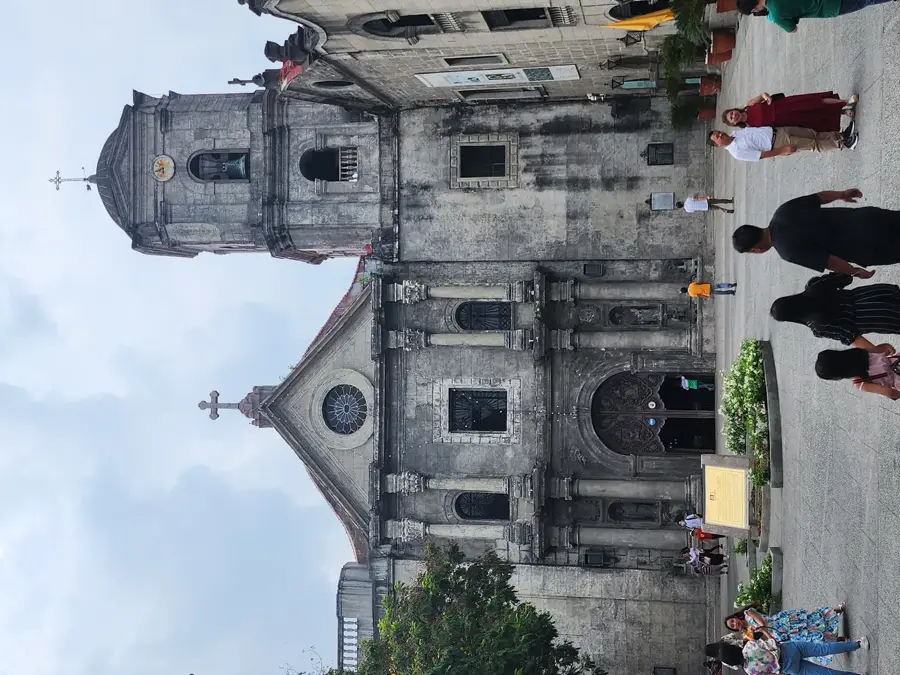
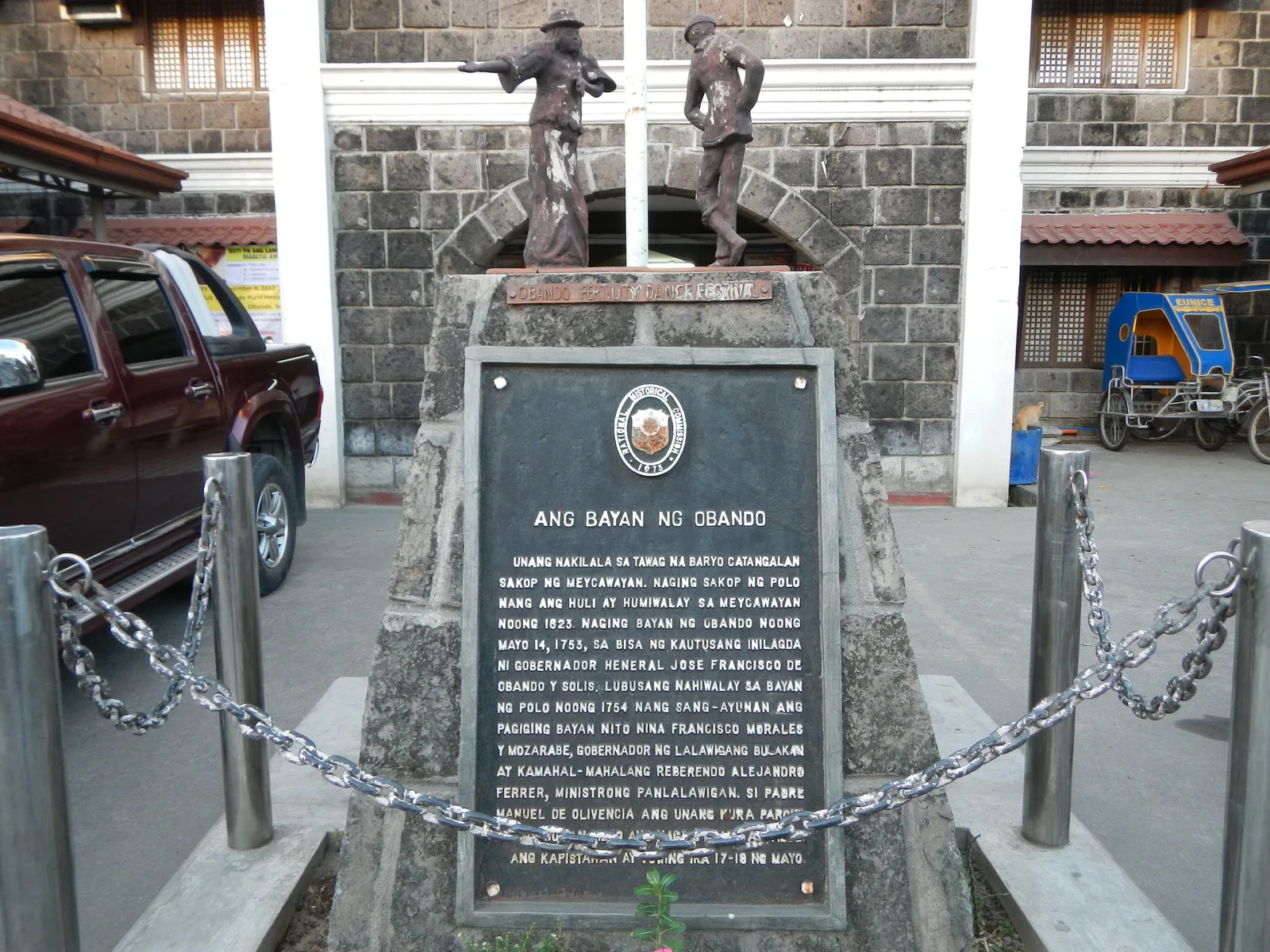
San Pascual de Baylon Parish Chruch⛪ religious

Also known as Obando Church, this famous Catholic site is globally renowned for its traditional fertility dance festival.

Hearts of Jesus and Mary Parish⛪ religious

Dedicated to the Sacred Hearts of Jesus and Mary, this parish church serves as a central Catholic hub for the neighborhood.

Meycauayan Church⛪ religious

This historic colonial-era parish church is dedicated to Saint Francis of Assisi and known for its notable bell tower.

DWWW 774 Transmitter Tower🗼 tower

This towering radio mast broadcasts AM frequency signals across the metropolitan landscape.

DZRH 666 Radio Transmitter🗼 tower

The transmitter tower relays broadcasts for one of the oldest and most established radio stations in the nation.

Valenzuela People's Park🌳 park

Opened on Valentine's Day in 2015, this urban park provides wide open green spaces and recreational pavilions.

Museo Franciscano🏛 museum

The museum's collection focuses heavily on the enduring legacy and missionary work of the Franciscan order.

Museo ni Dr. Pio Valenzuela🏛 museum

Visitors to this museum can explore memorabilia and historical exhibits detailing the life of the Filipino patriot.

🕒 Tu-Su 09:00-16:00🆓

Museo Valenzuela🏛 museum

This city museum holds a collection of civic artifacts and historical records tracing the municipality's development.

Centennial Stage🎭 culture

This open-air performance venue hosts local cultural presentations and grand community celebrations.

Sights nearby

Frequently asked questions

Who is honored by the Bonifacio Monument?
It commemorates Andrés Bonifacio, leader of the Philippine Revolution against Spain.
Is the monument freely accessible?
Yes, it is located in a public plaza and can be viewed anytime.
How much time should I plan for?
About 15 to 30 minutes is enough to admire the monument.
Is the monument accessible?
Yes, the surrounding area is flat and easily accessible.
When is the best time to visit?
Early morning or late afternoon to avoid the midday heat.
Bonifacio Monument: where is it located?
Bonifacio Monument is located in Philippines.
Bonifacio Monument: what is there to see?
Highlights include Andres Bonifacio Monument, San Pascual de Baylon Parish Chruch, Hearts of Jesus and Mary Parish.
Bonifacio Monument: when is the best time to visit?
The most pleasant time to visit is Jan, Mar.
Bonifacio Monument: why is it worth visiting?

The Bonifacio Monument in Caloocan City, known as 'Monumento,' is one of the most powerful symbols of Filipino nationalism.
View on map → The Top 50 Attractions → OpenStreetMap →
Asia
Explore with Plizio Discover more places in Asia
More places in Philippines →

Nearby cities

History & landmarks
More places