Plizio Visual Lab
Manila
ℹ️Practical info — Manila
▾
🌤 Weather — 5 days
📍 Nearby
Sights nearby
💡 Tips
- Traffic is notoriously heavy; use the LRT/MRT or the Grab app instead of hailing random cabs.
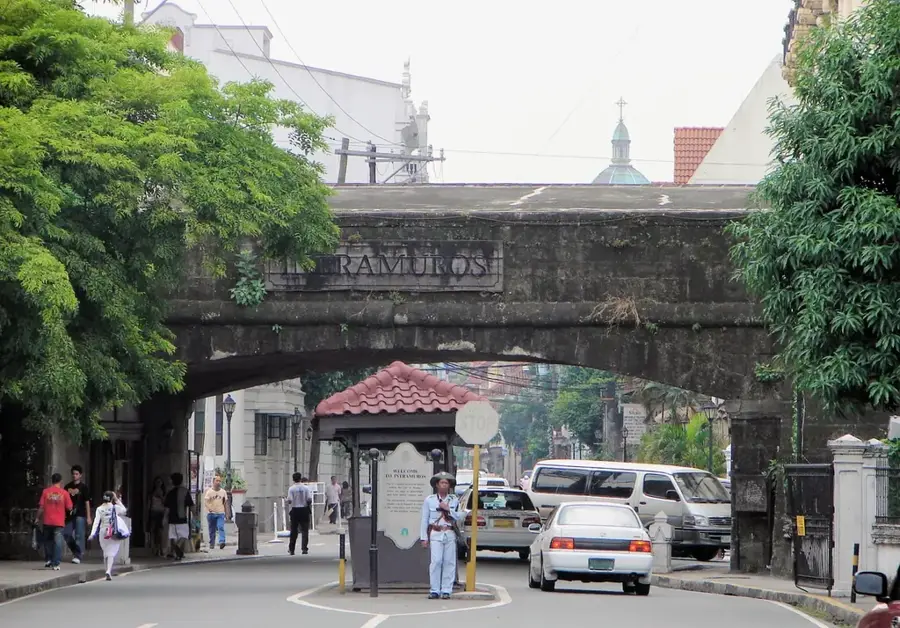
- Intramuros is best explored by bamboo bicycle early in the morning before the heat peaks.
- Always carry small change (coins and 20-peso bills) for jeepneys and street vendors.
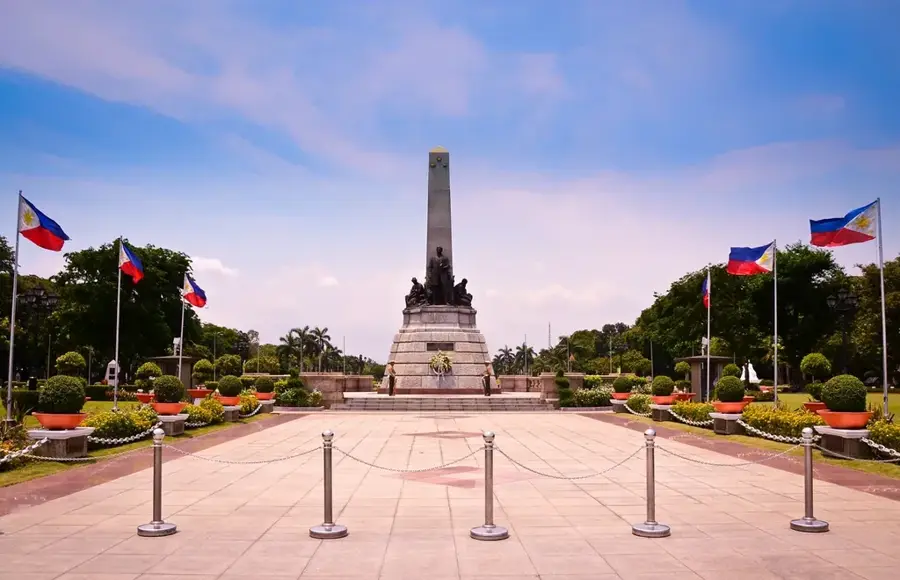
- Beware of overly friendly strangers offering 'free tours' around Rizal Park.
- Malls are a great air-conditioned escape during the strong midday heat.
🍽 Food
A shaved ice dessert with sweet beans and fruits, available at local dessert shops.
The classic soy-vinegar pork or chicken stew, served in nearly every local eatery.
A fertilized duck egg; a true street food challenge best tried at night markets.
🛍 Shopping · 🧘 Quiet spots
For extremely cheap clothes and souvenirs, but prepare for huge crowds.
Known for selling pearls and affordable electronics; bargaining is expected here.
A peaceful former cemetery turned into a circular park with large old trees.
Watch the sunset with a sea breeze, though it's best to avoid peak weekend crowds.
Water temperature…
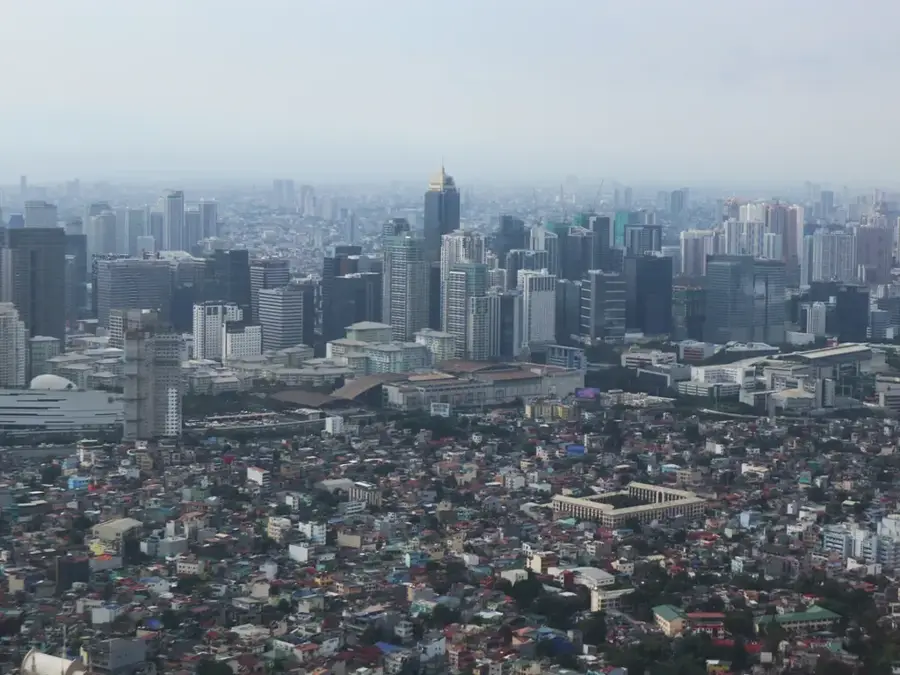
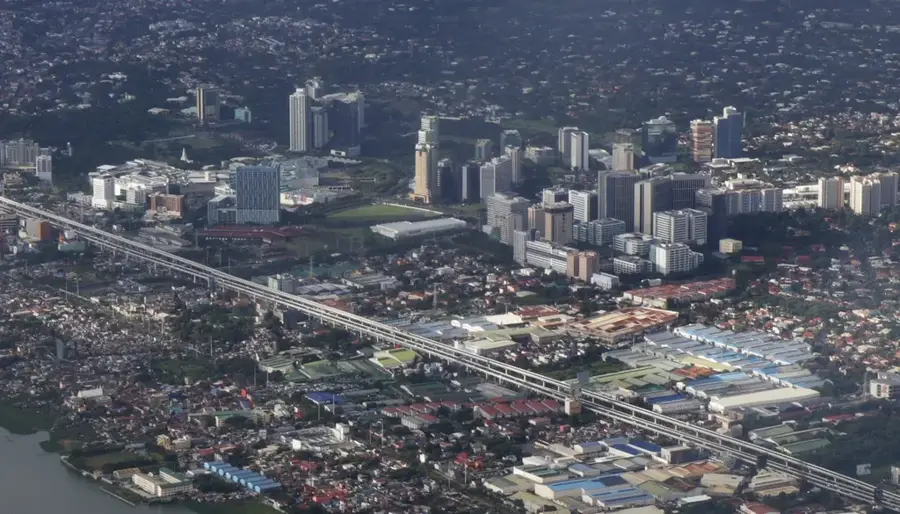
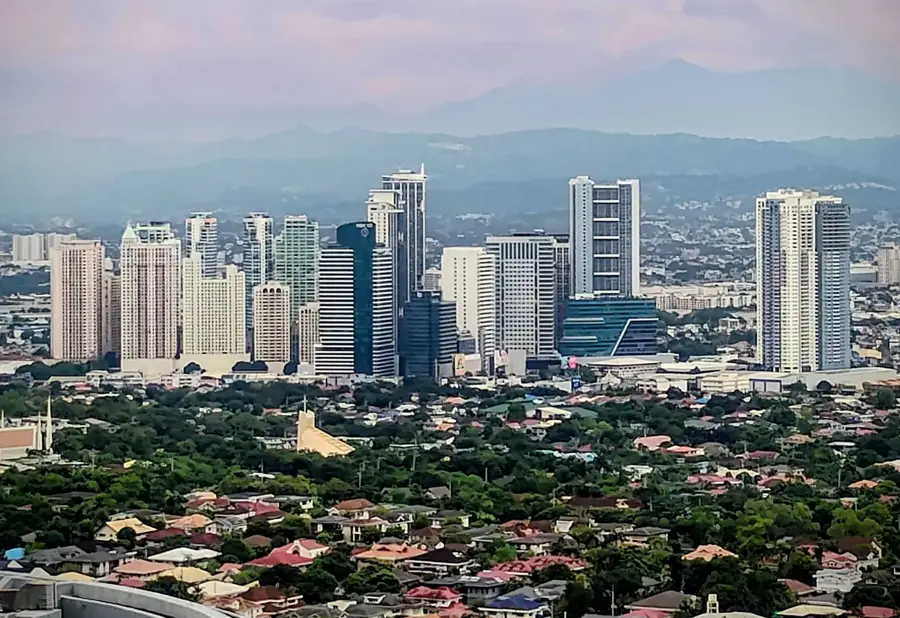
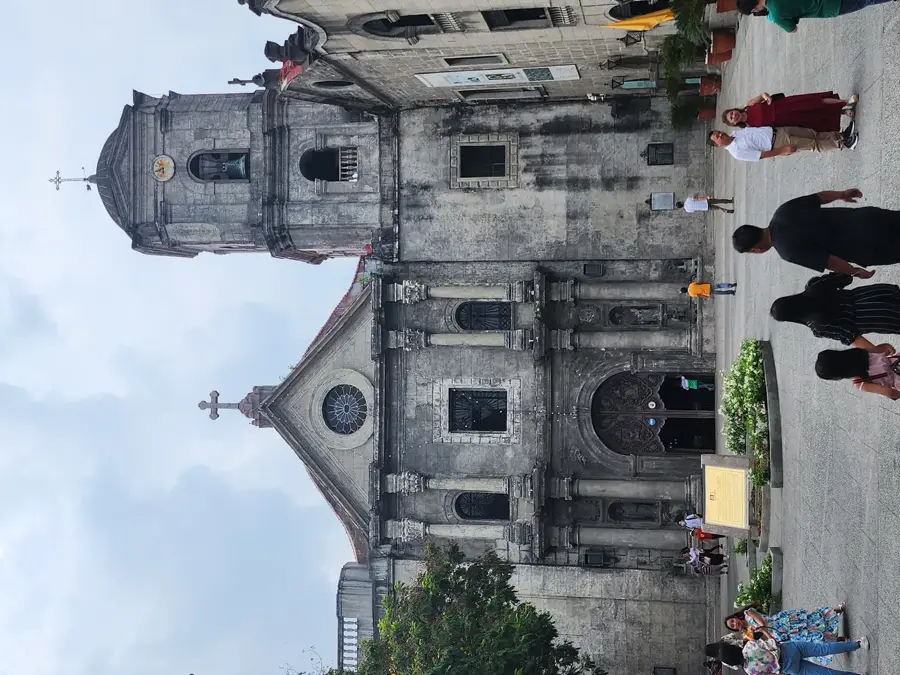
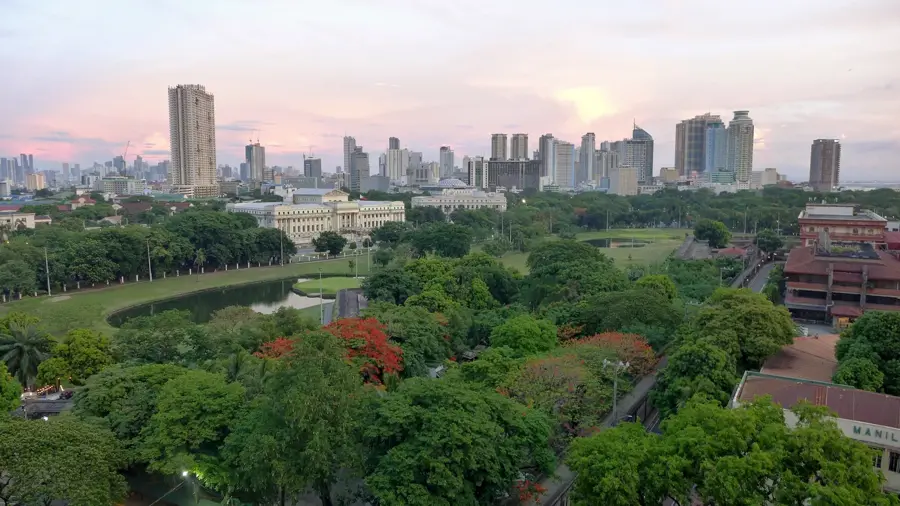
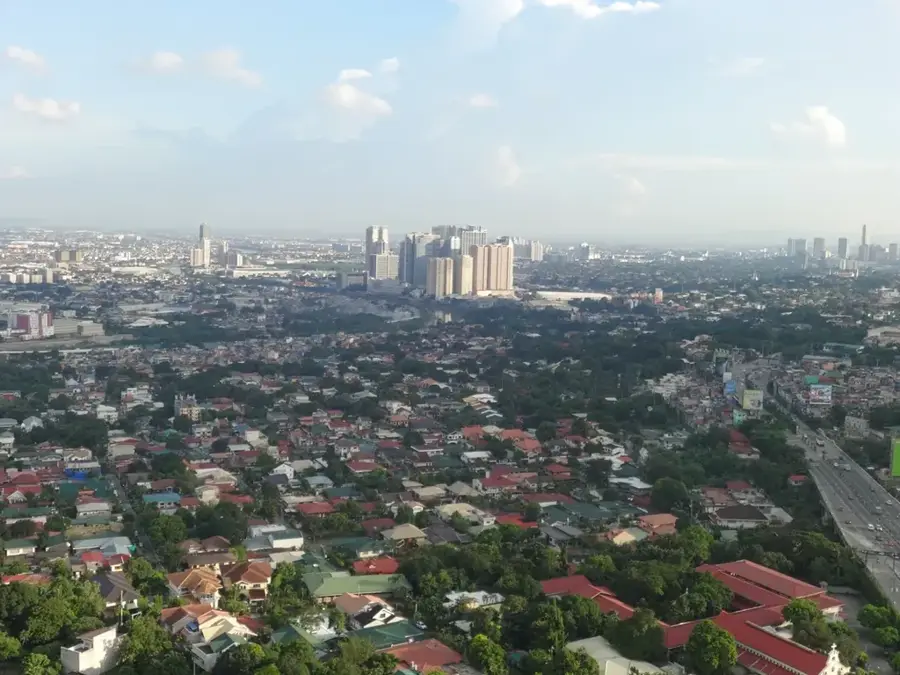
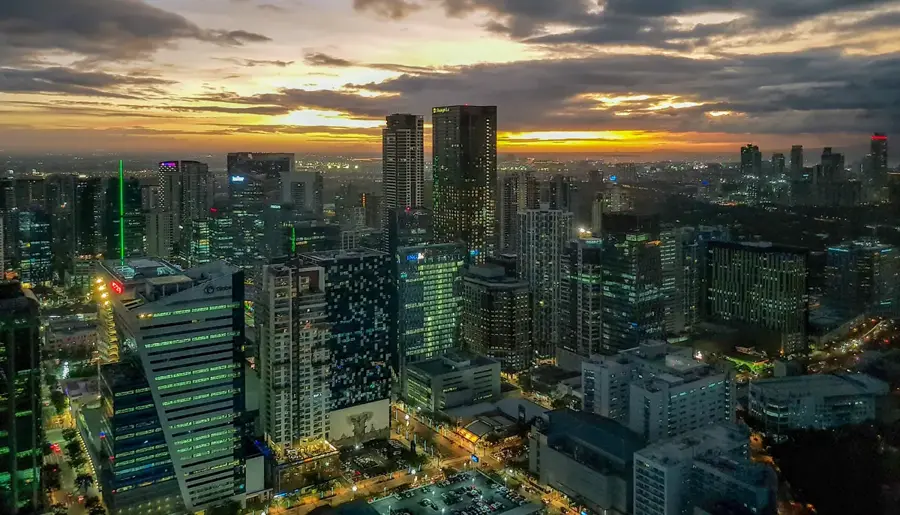
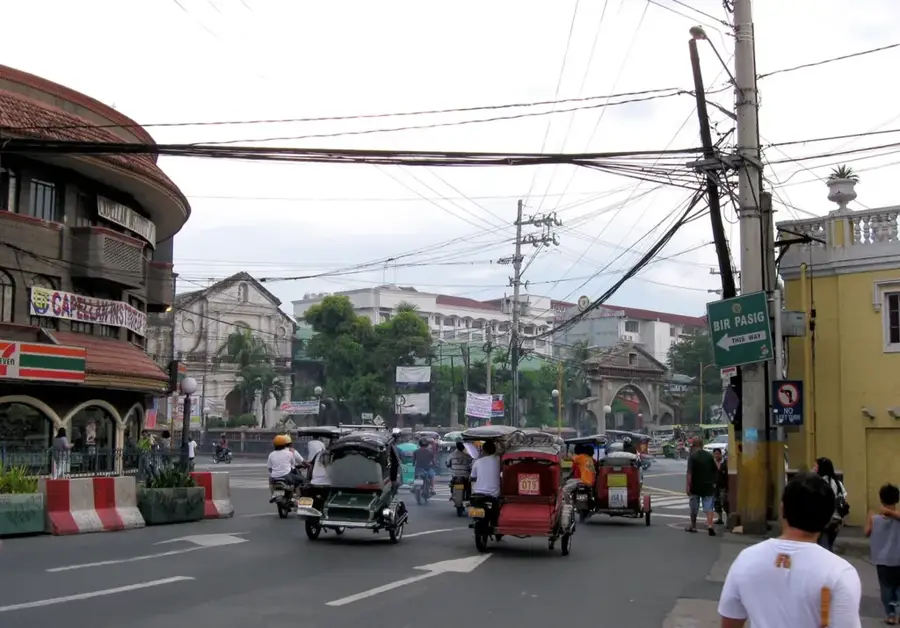
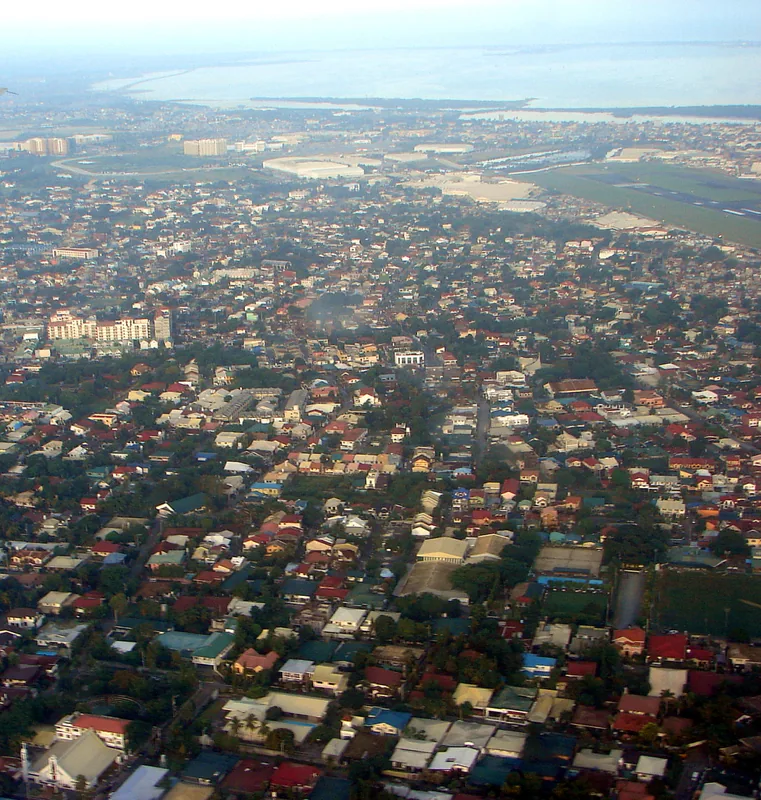
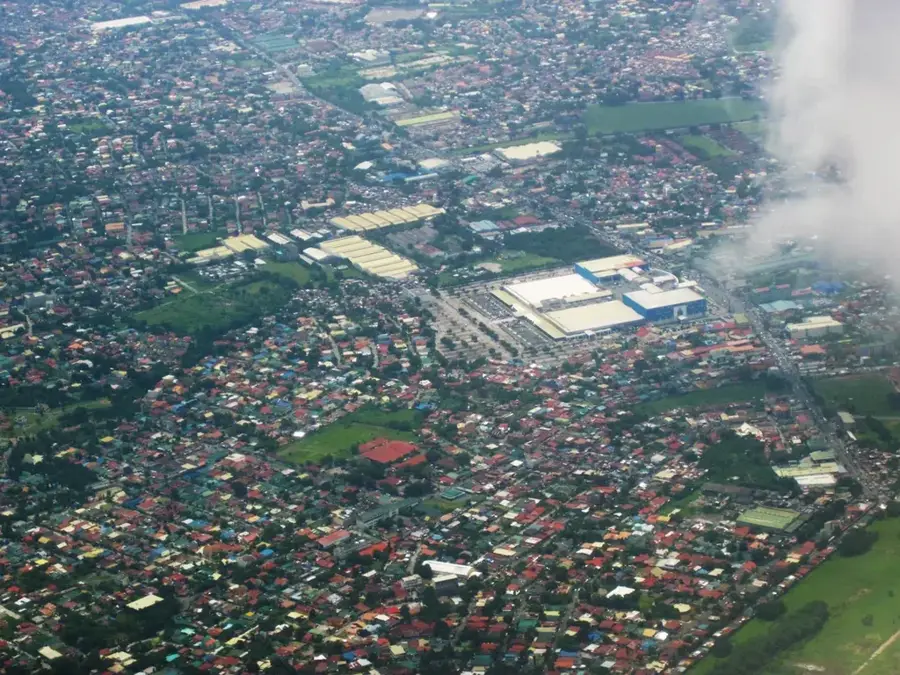
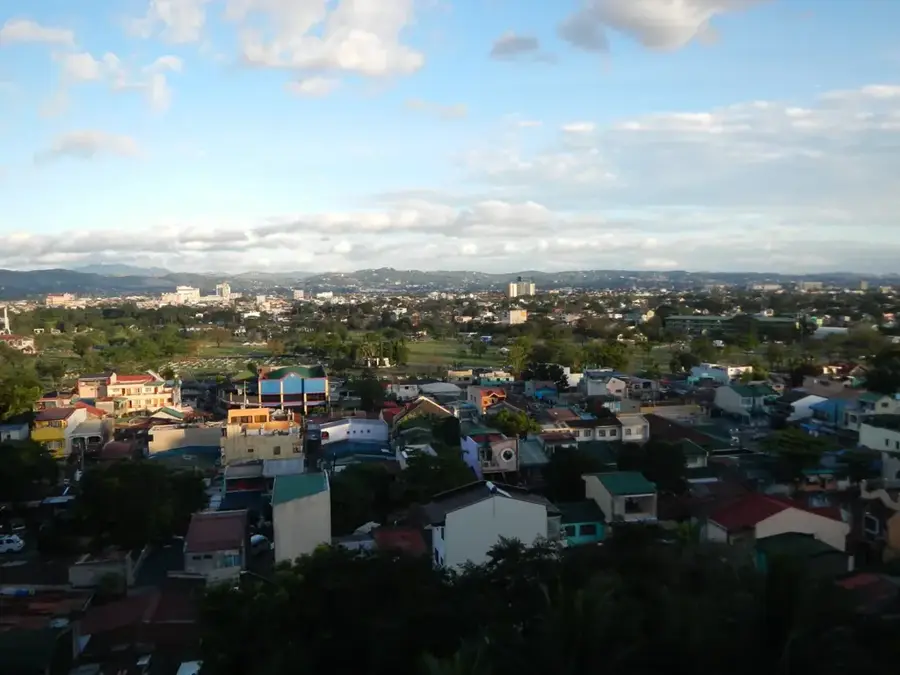
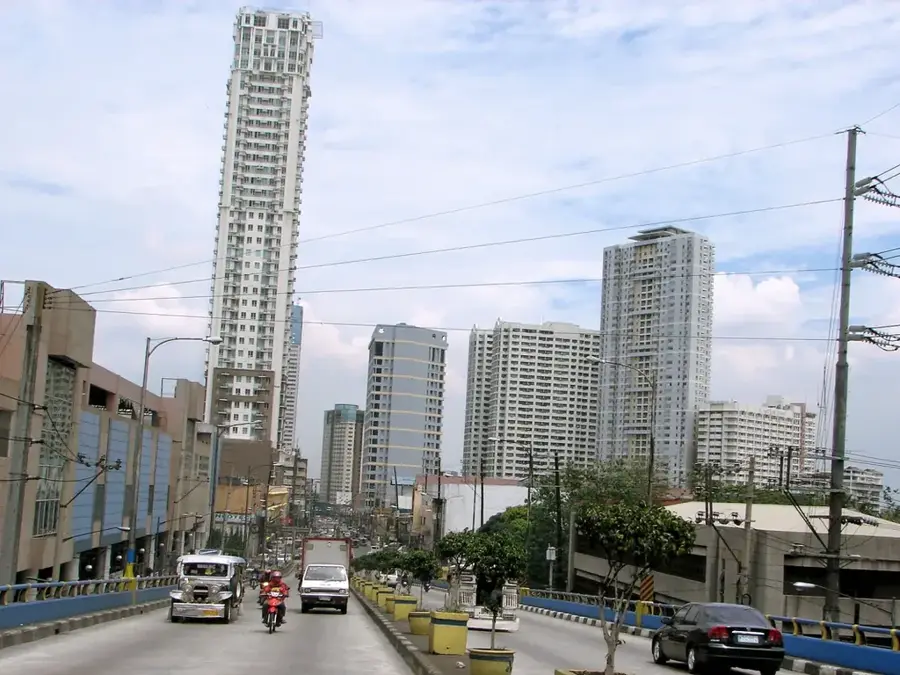
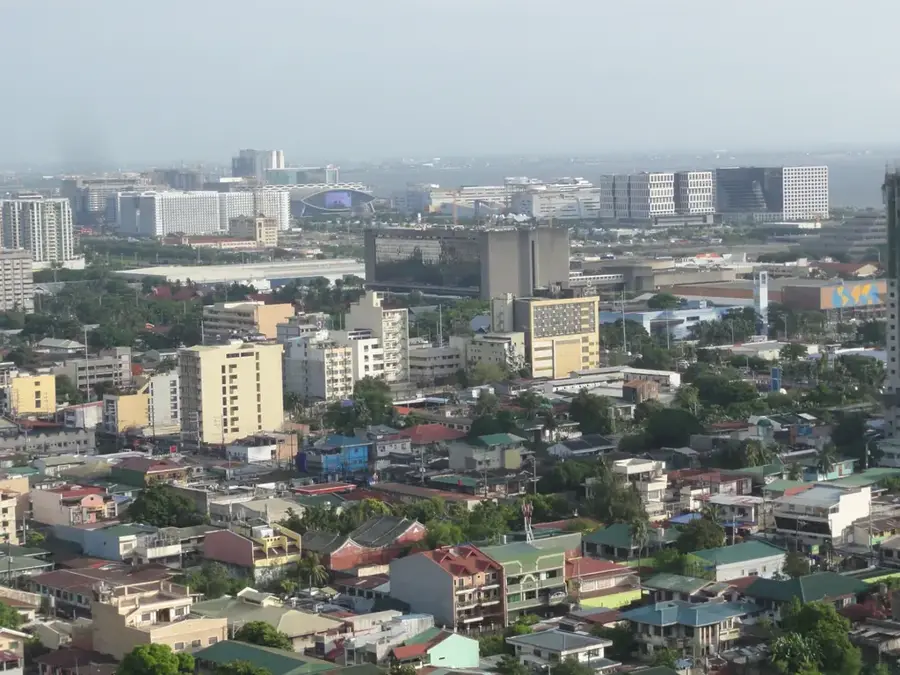
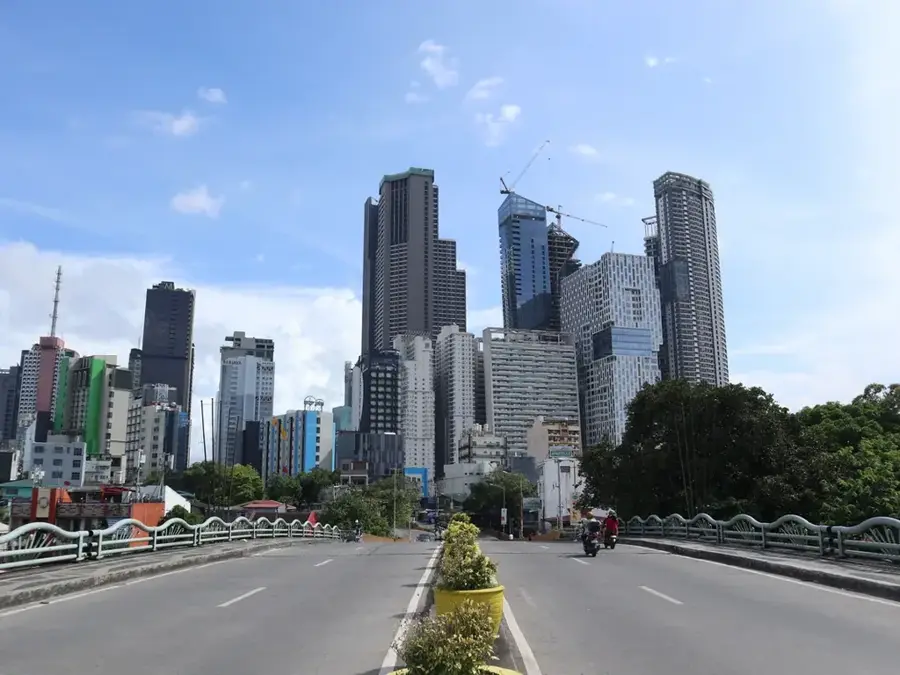
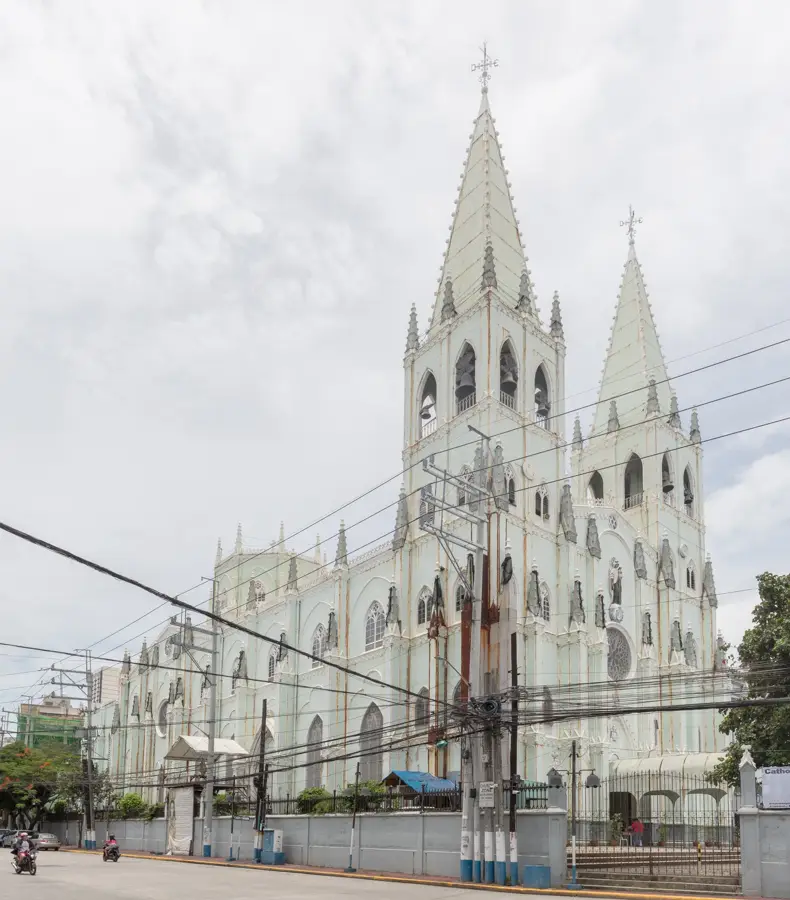
Manila, the capital city of the Philippines, is a sprawling bayside metropolis on the island of Luzon that serves as the nation's political, economic, and social hub. Its history is a complex tapestry beginning as a fortified Muslim settlement known as Maynila before being conquered by Spanish forces in 1571. For over 300 years, it was the center of the Spanish East Indies, protected by the massive stone walls of Intramuros, which remains the city's historical anchor today. The American colonial period following the 1898 Treaty of Paris introduced new architectural styles and educational reforms, shaping the modern civil service and urban layout. World War II left an indelible mark on the city; the 1945 Battle of Manila resulted in catastrophic destruction, leveling much of its historic core and making it one of the most damaged cities of the conflict. In the decades since, Manila has evolved into a high-density mega-city, characterized by a dynamic skyline and bustling streets. Its economy is driven by a massive shipping industry through the Port of Manila, a robust financial sector, and a booming business process outsourcing (BPO) industry. Culturally, Manila is a melting pot where East meets West; the influence of centuries of Catholicism is evident in its grand churches and fervent religious festivals, such as the Feast of the Black Nazarene. The city is also the educational center of the country, home to the University of Santo Tomas, the oldest existing university in Asia. Despite the pressures of urbanization, including traffic congestion and environmental challenges, Manila continues to be the primary engine of Philippine growth and the epicenter of its cultural identity. The city provides a unique blend of experiences, from the sunset views over Manila Bay and the luxury of the Makati business district to the spirited street life of Binondo, the world's oldest Chinatown.
- Location: Philippines
- Top sights: First United Building Community Museum · The Aquatic Reef · arch of good will
- Nearby: Makati (5 km)
- Population: ~1.600.000 (2025)
Best time to visit & climate
The most pleasant time to visit is Jan–Mar.
| Jan | Feb | Mar | Apr | May | Jun | Jul | Aug | Sep | Oct | Nov | Dec | |
|---|---|---|---|---|---|---|---|---|---|---|---|---|
| Avg °C | 24 | 24 | 25 | 27 | 28 | 27 | 26 | 26 | 26 | 26 | 25 | 24 |
| Rain mm | 148 | 148 | 119 | 102 | 171 | 248 | 312 | 289 | 301 | 341 | 345 | 393 |
Live webcam – Manila
See what it looks like near Manila right now.
Navotas › South: Paco - Obando · 7.5 km · Open webcam on Windy · Webcams provided by Windy.com
Geography
Facts
- Manila was founded on June 24, 1571, by Spanish conquistador Miguel López de Legazpi.
- The city proper covers an area of 42.88 square kilometers, making it the most densely populated city in the world.
- Intramuros was the seat of government during the Spanish colonial period (1571–1898).
- The Port of Manila handles over 80% of the country's international shipping trade.
- Binondo, established in 1594, is recognized as the world's oldest Chinatown.
- The University of Santo Tomas, established in 1611, predates Harvard University by 25 years.
- The 1945 Battle of Manila destroyed approximately 70% of the city's historical infrastructure.
- Manila is located in the Pacific Ring of Fire, making it susceptible to earthquakes and typhoons.
Explore nearby
Notable places around
Route planner — Car & Motorhome
Where do you start? We build the route here, with stops and country notes along the way.
© OpenStreetMap contributors · OpenRouteService
Sights in the town Manila (15)
Bahay Nakpil-Bautista🏛 museum
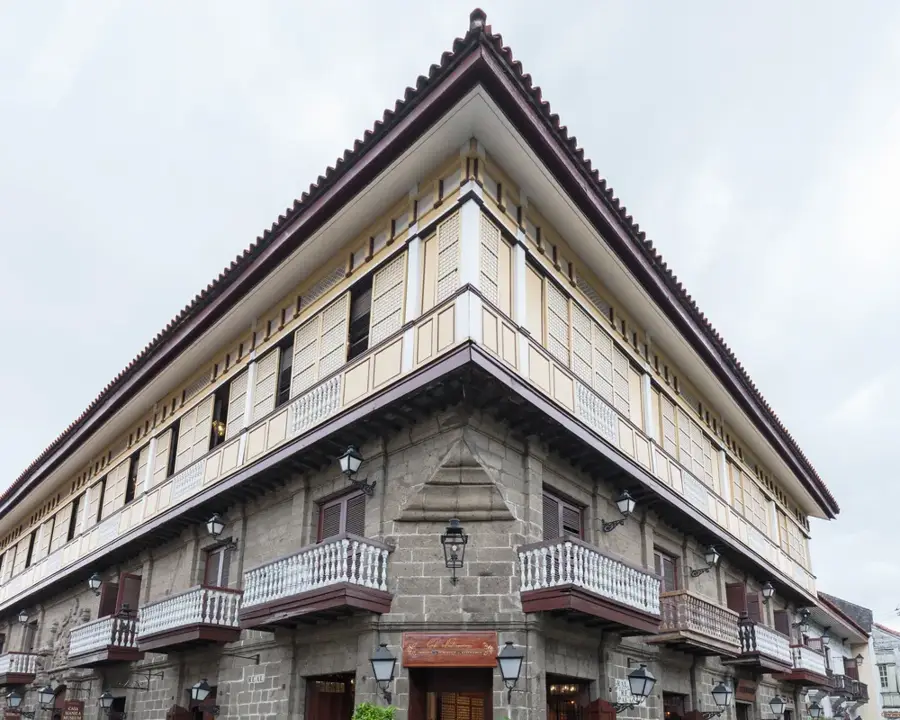
The Bahay Nakpil-Bautista museum is housed in a historic residence with level 4 heritage status.
Frequently asked questions
How many days should you plan for Manila?
What is the best time to travel?
Are there family-friendly activities?
What is the best way to get around Manila?
Which dish should one try?
Manila: where is it located?
Manila: what is there to see?
Manila: when is the best time to visit?
Manila: why is it worth visiting?

Nearby cities

History & landmarks
More places