Plizio Visual Lab
Caloocan
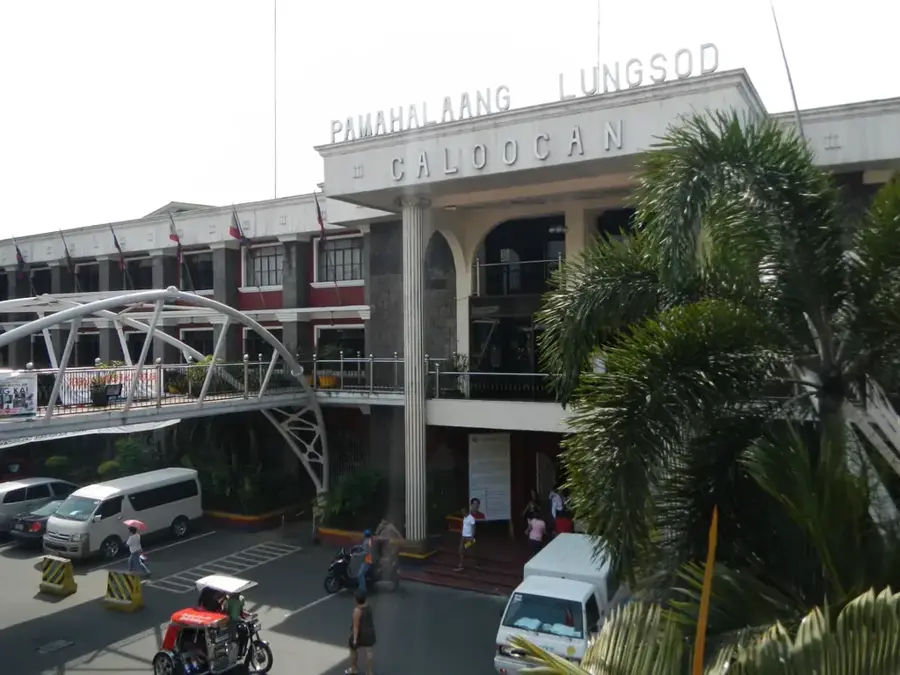
ℹ️Practical info — Caloocan
▾
🌤 Weather — 5 days
📍 Nearby
Sights nearby
💡 Tips
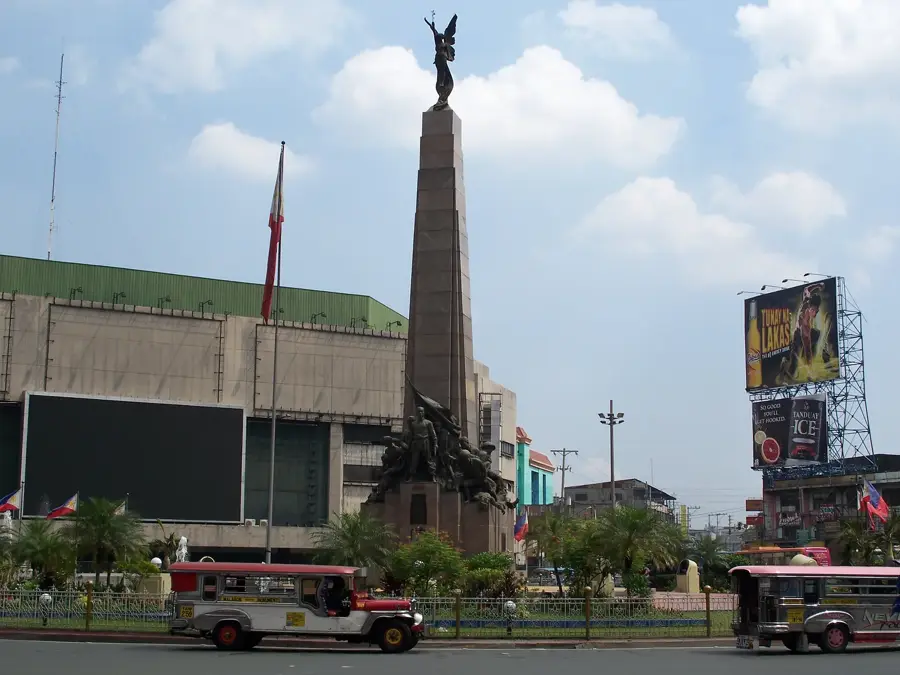
- The Bonifacio Monument (Monumento) is the main landmark; use the LRT-1 train line for the fastest commute to downtown Manila.
- Caloocan is uniquely split into two non-contiguous parts; verify if your destination is in the North or South district.
- Visit the Monumento early in the morning to photograph the historic statues without the heavy midday traffic.
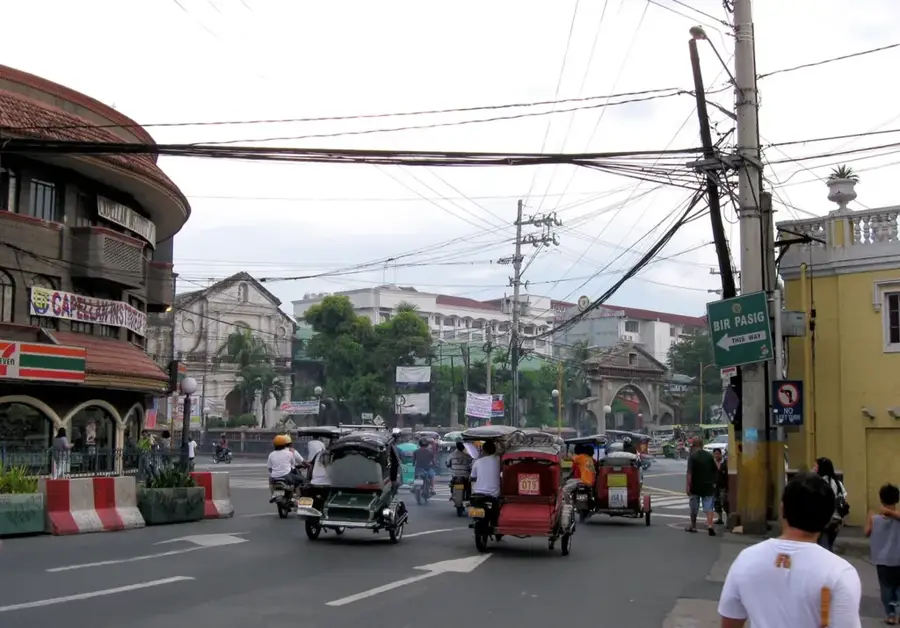
- Rely on jeepneys and tricycles for travel within neighborhoods, as taxis may be harder to hail in some inner streets.
- Look out for local dance competitions and cultural exhibits during the city's annual Pajotan Festival.
🍽 Food
This savory rice porridge is a staple at street stalls near Monumento; a great, budget-friendly breakfast option.
Look for 'suman' (leaf-wrapped sticky rice) in local wet markets, often sold fresh by traditional makers.
Check the areas near local universities in the evening for a wide variety of affordable snacks.
🛍 Shopping · 🧘 Quiet spots
A popular shopping hub near the Monumento area, good for affordable fashion and gadgets.
A traditional wet market where you can find fresh local produce and experience the local vibe.
Located in North Caloocan, this protected area gives lush greenery and a breath of fresh air away from the city.
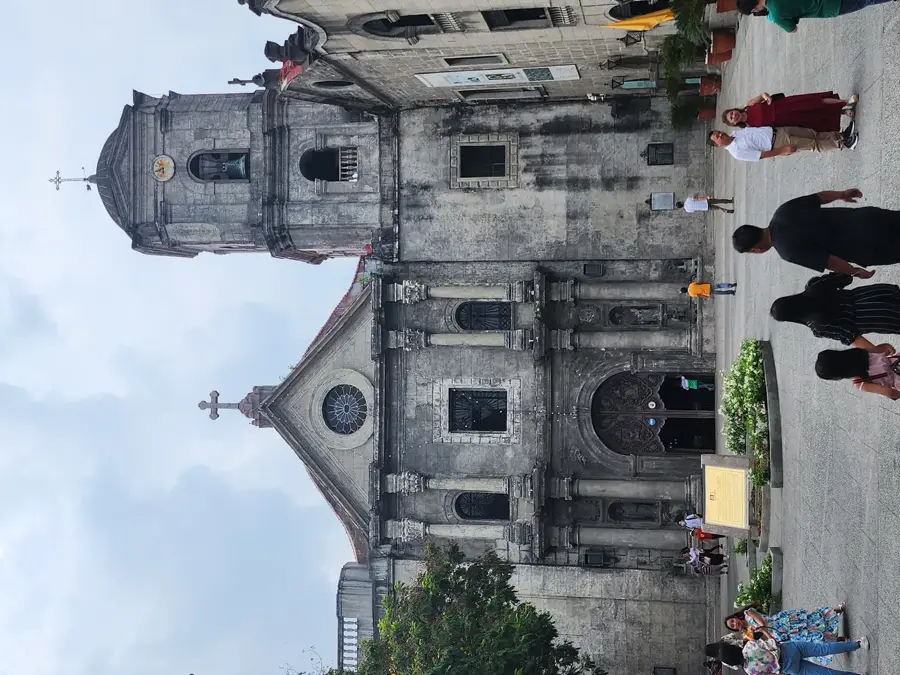
Away from the main thoroughfares, smaller neighborhood churches provide a quiet and cool place for a break.
Water temperature…
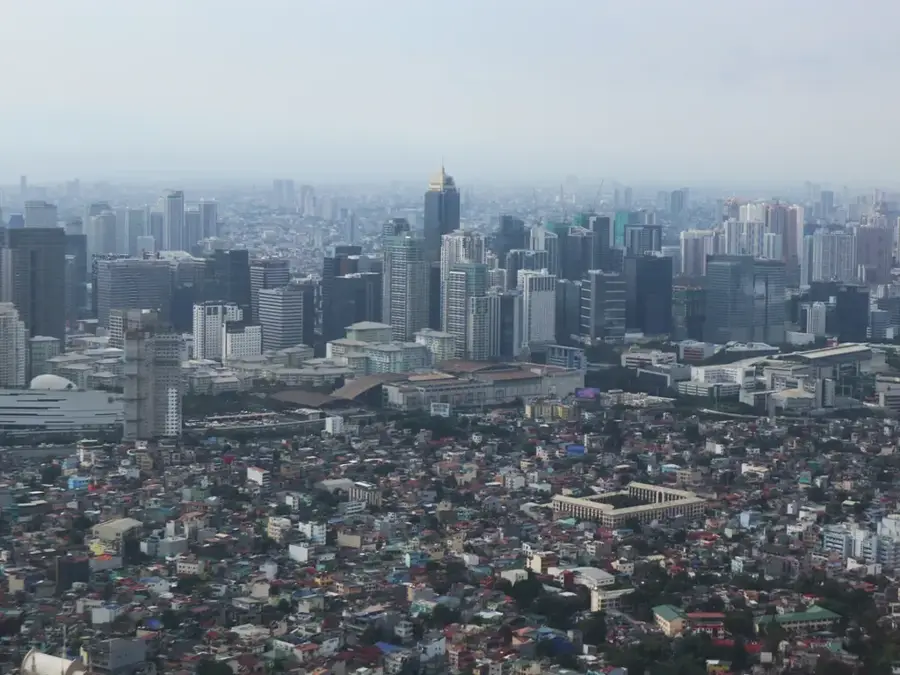
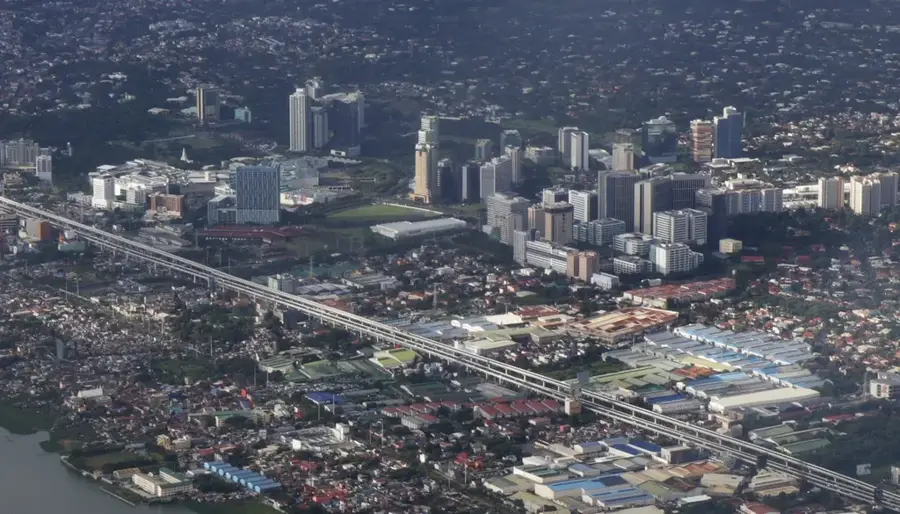
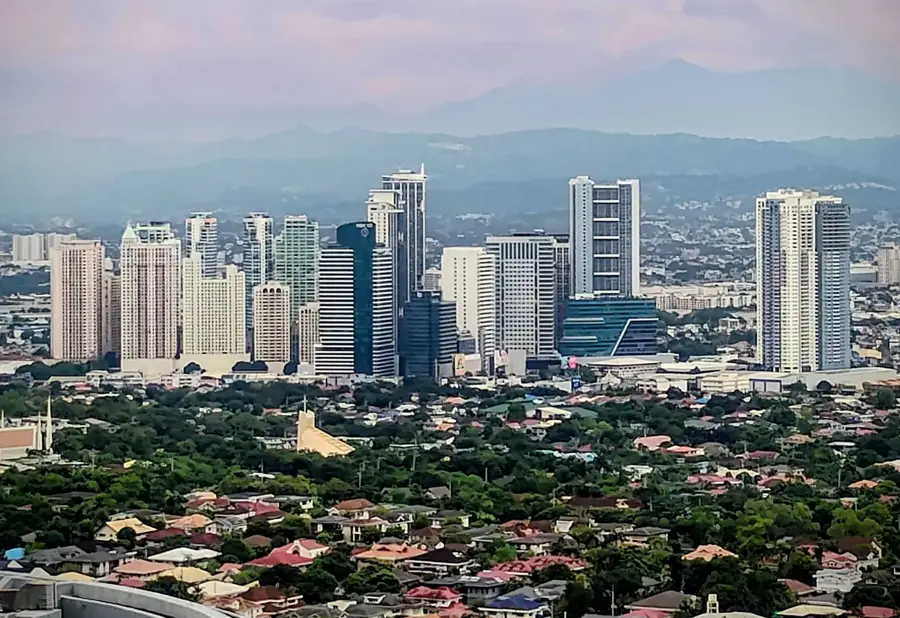
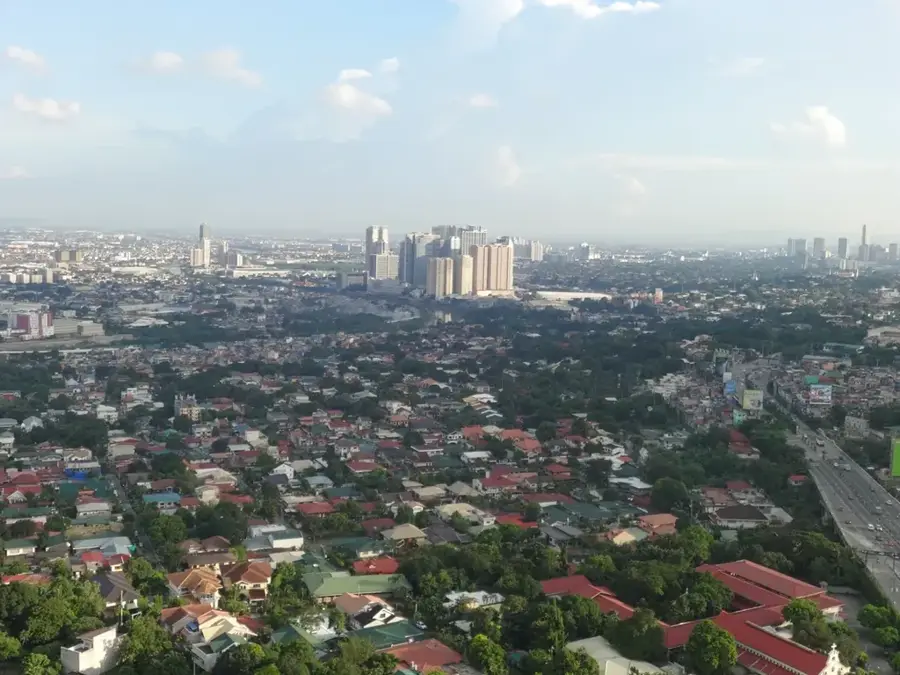
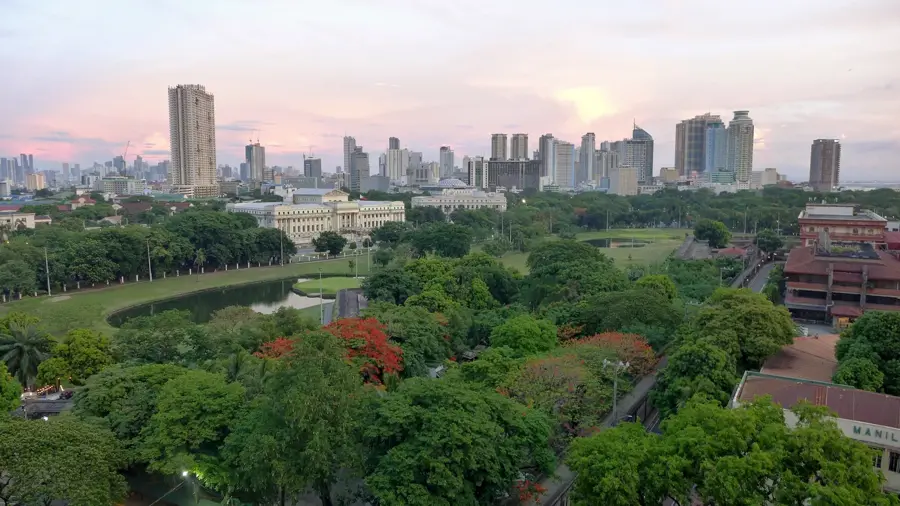
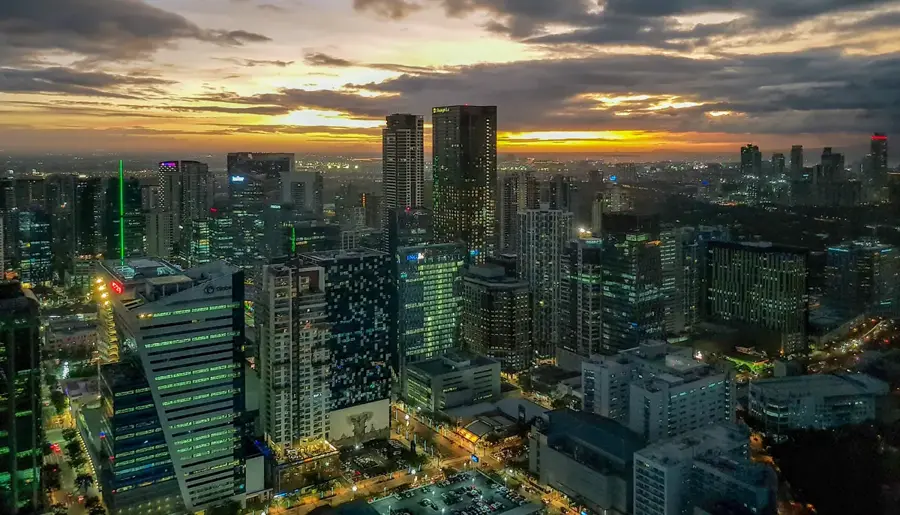
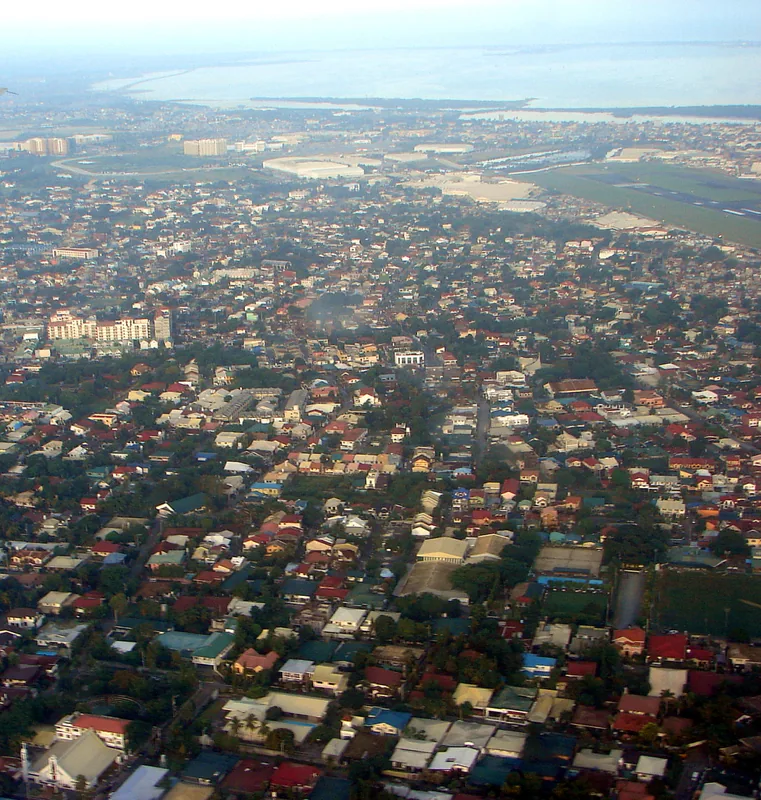
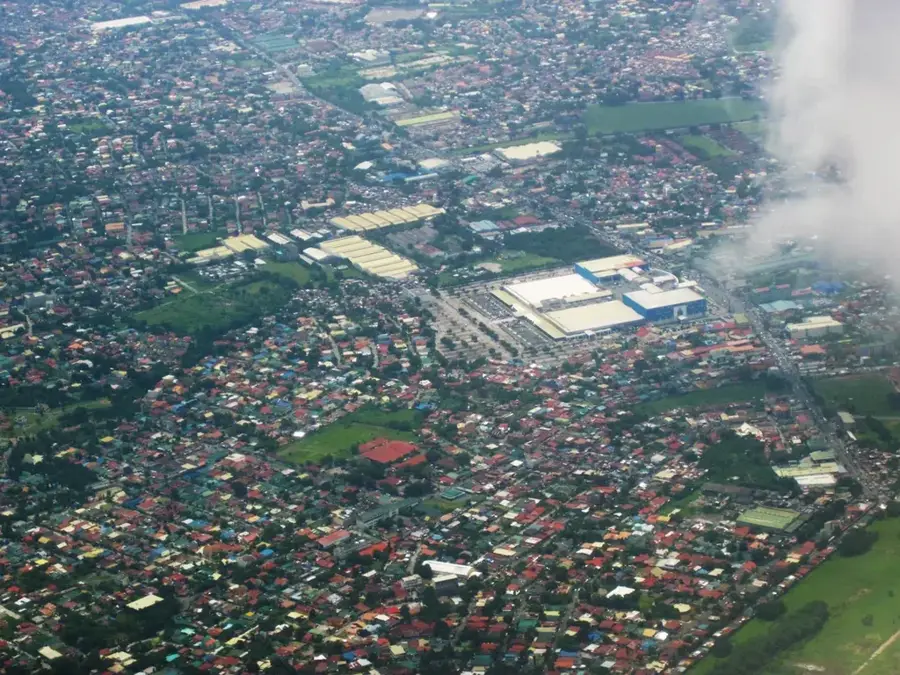
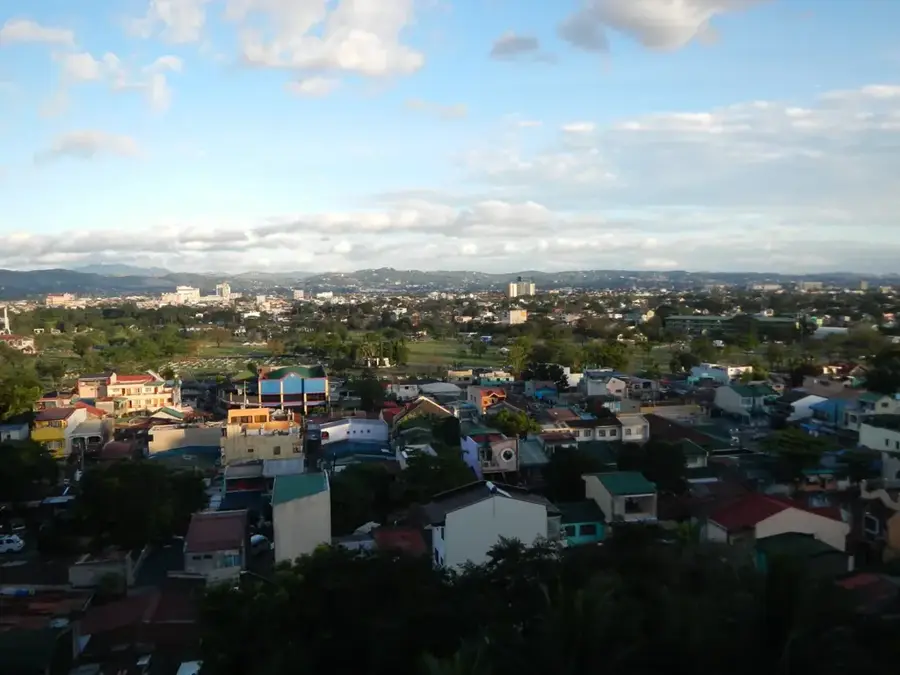
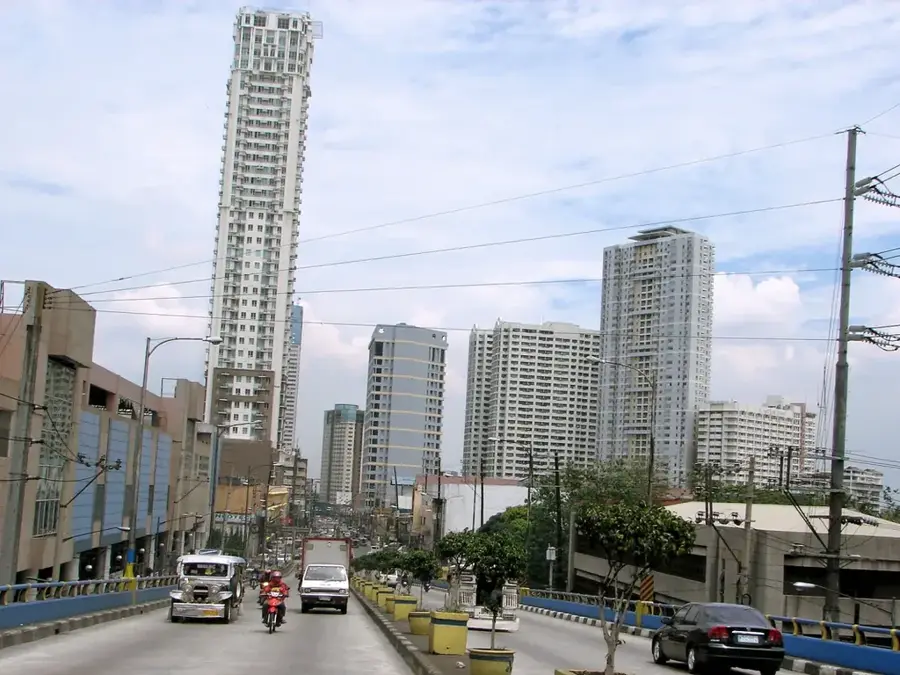
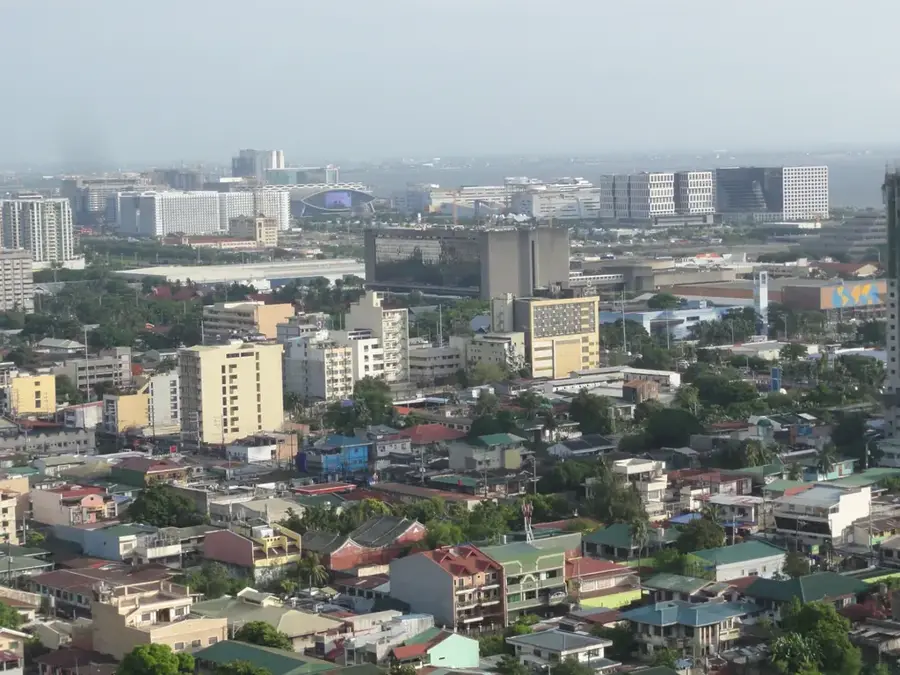
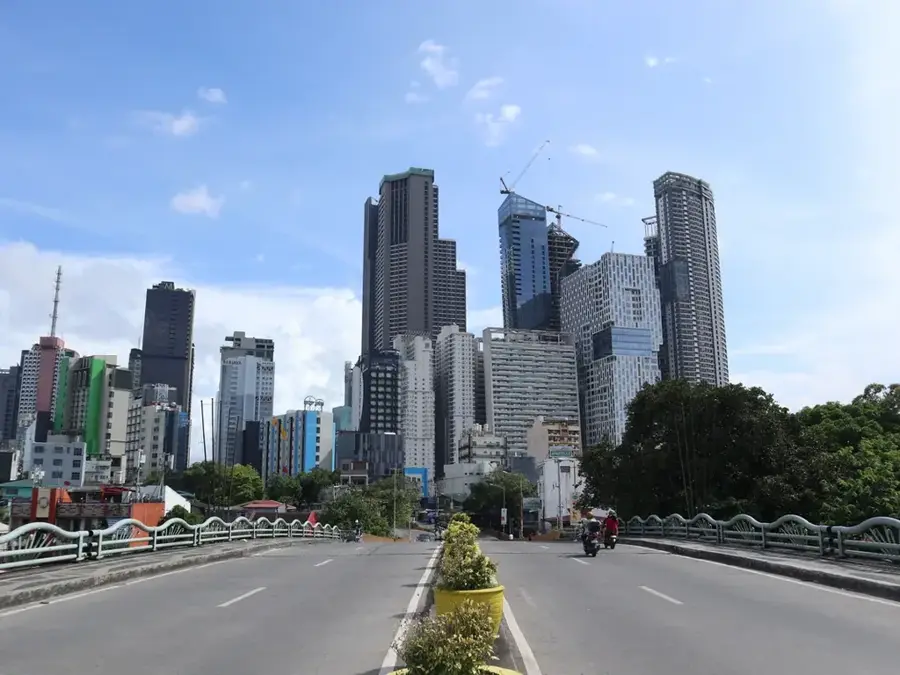
Caloocan, often spelled as Caloocan City, is one of the most populous cities in Metro Manila. The city is geographically divided into two parts: South Caloocan, which is a densely populated, industrialized area, and North Caloocan, which is primarily residential. Caloocan holds rich historical significance as the cradle of the Katipunan, a revolutionary secret society that launched the Philippine Revolution in 1896. The Bonifacio Monument, a towering landmark, honors Andrés Bonifacio, the founder of the Katipunan, and is located at the intersection of major thoroughfares. The city is a major commercial hub, especially for motorcycle and bicycle parts. Despite its urban challenges, Caloocan strives to improve the living conditions of its residents through various social and infrastructure projects.
- Location: Philippines
- Top sights: Malabon Zoo · Philippine Chinese Anti-Japanese War Memorial Hall · Manilq Chemical Center Inc
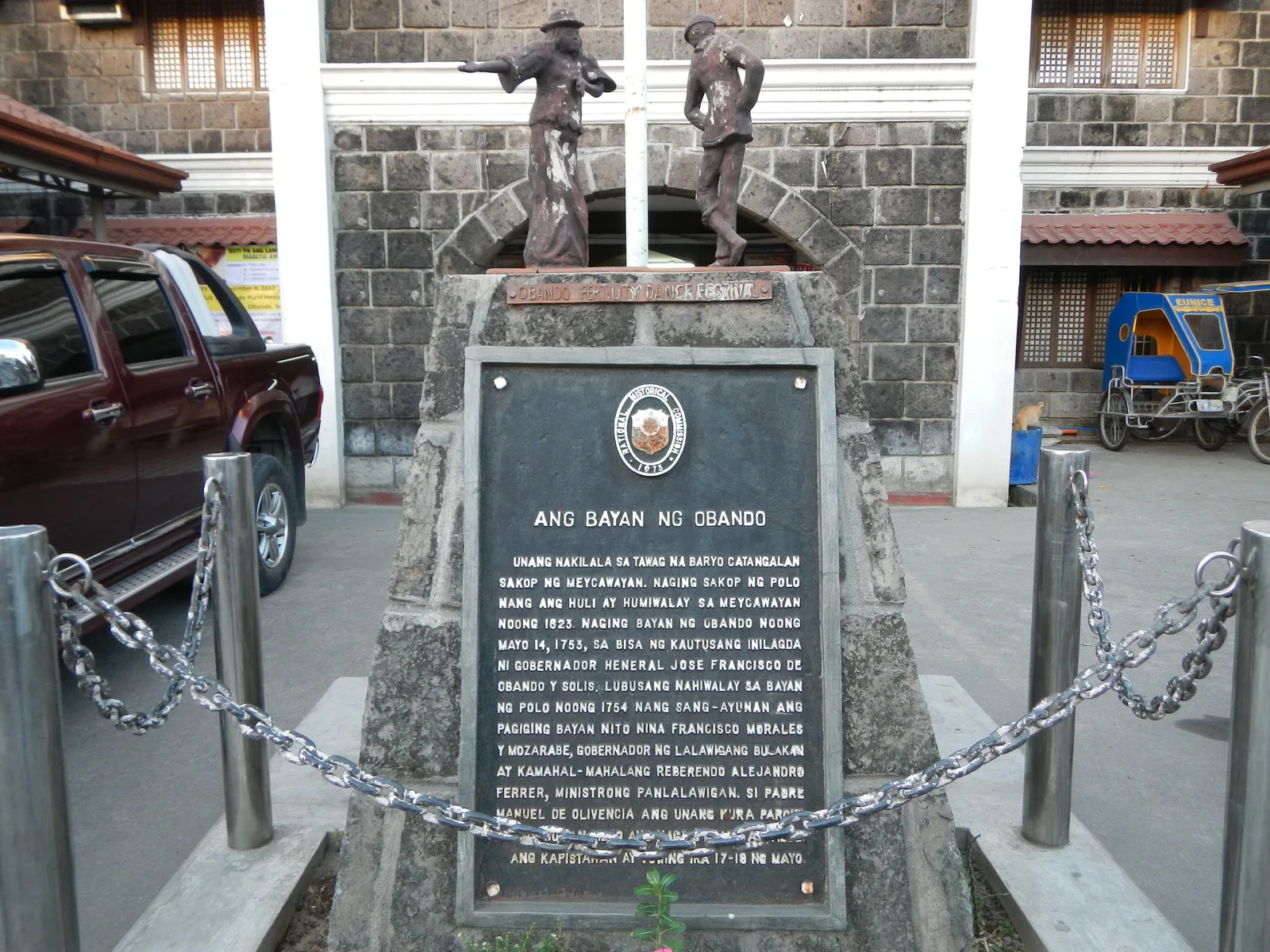
- Nearby: Obando (6 km)
- Population: ~1.712.945 (2026)
Best time to visit & climate
The most pleasant time to visit is Jan–Mar.
| Jan | Feb | Mar | Apr | May | Jun | Jul | Aug | Sep | Oct | Nov | Dec | |
|---|---|---|---|---|---|---|---|---|---|---|---|---|
| Avg °C | 24 | 24 | 25 | 27 | 28 | 27 | 26 | 26 | 26 | 26 | 25 | 24 |
| Rain mm | 148 | 148 | 119 | 102 | 171 | 248 | 312 | 289 | 301 | 341 | 345 | 393 |
Geography
Facts
- The name Caloocan is derived from the Tagalog word 'lo-ok', meaning 'innermost corner'.
- The city is divided into 188 barangays.
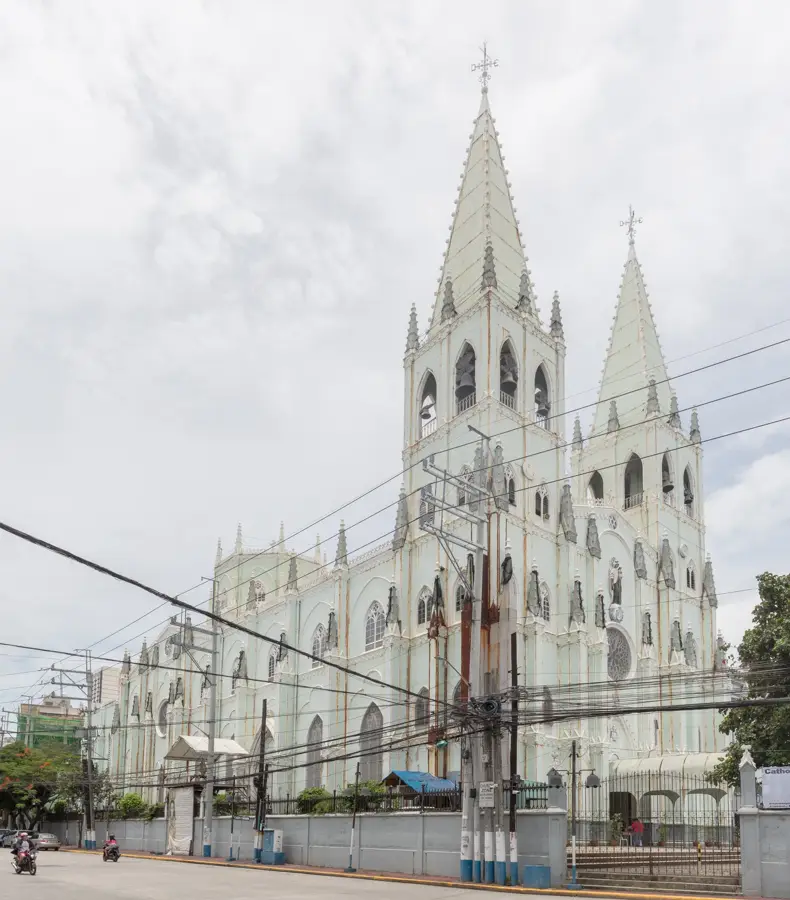
- The San Roque Cathedral is the city's main church.
- The La Mesa Watershed Reservation, a major water reservoir, borders North Caloocan.
- The city has several universities and colleges.
- The 'Cry of Balintawak' or 'Cry of Pugad Lawin' took place in Caloocan.
- Victory Central Mall is a well-known shopping center in South Caloocan.
Explore nearby
Notable places around
Route planner — Car & Motorhome
Where do you start? We build the route here, with stops and country notes along the way.
© OpenStreetMap contributors · OpenRouteService
Sights in the town Caloocan (5)
Frequently asked questions
What kind of place is Caloocan?
Are there historical places?
How is the traffic?
Is the city suitable for tourists?
Are there parks?
Caloocan: where is it located?
Caloocan: what is there to see?
Caloocan: when is the best time to visit?
Caloocan: why is it worth visiting?

Nearby cities

History & landmarks


More places