Plizio Visual Lab
Sauda Smelter
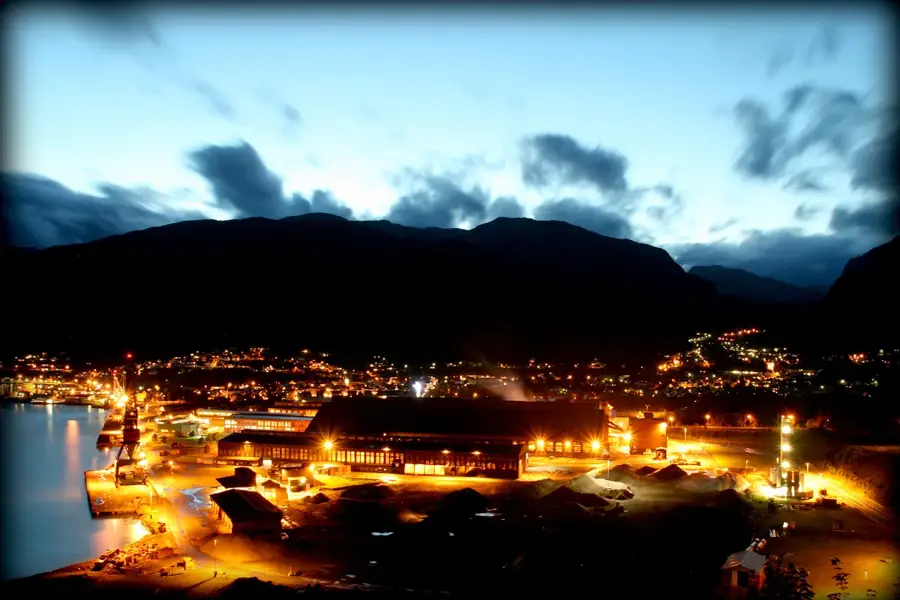
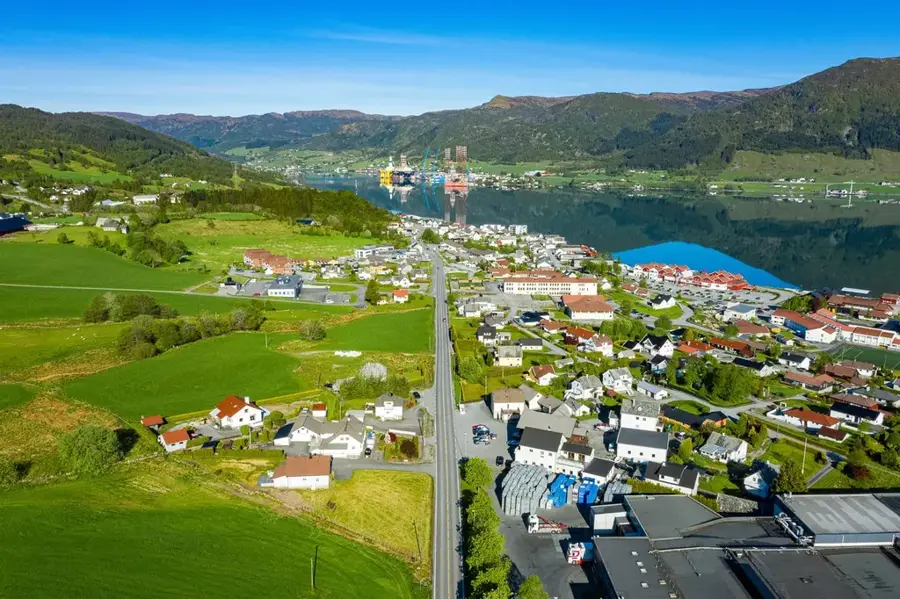
The Sauda Smelter, currently operated by Eramet Norway Sauda, stands as a cornerstone of Norwegian heavy industry and is one of the largest manganese alloy plants in Europe. Construction began in the late 1910s by the Electric Furnace Products Company, with official production starting in 1923. The site's location at the head of the Saudafjord was chosen strategically due to the immediate availability of vast hydroelectric power from the surrounding mountains, which is essential for energy-intensive smelting. The facility specializes in producing refined manganese alloys that are exported globally for the steel industry to enhance metal strength and durability. During the mid-1970s, the plant was the site of a significant labor dispute known as the Sauda Strike, which became a landmark event in Norwegian social and industrial history. Today, the smelter remains a vital employer in Rogaland county and continues to lead in environmental innovation by utilizing advanced gas cleaning systems and waste heat recovery technologies.
- Location: Norway
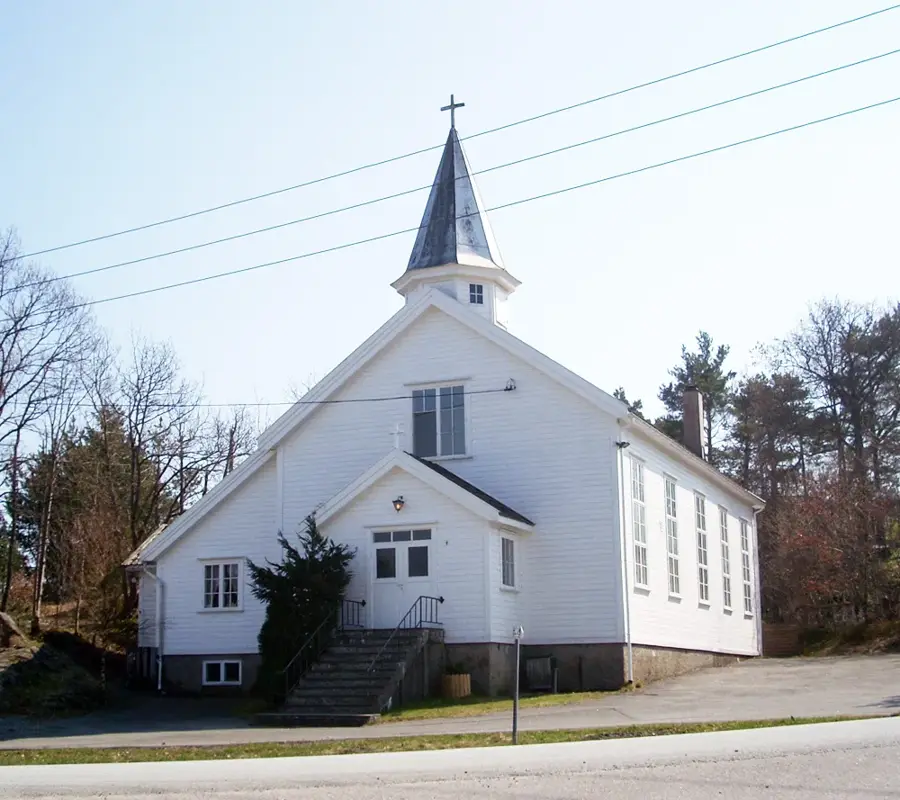
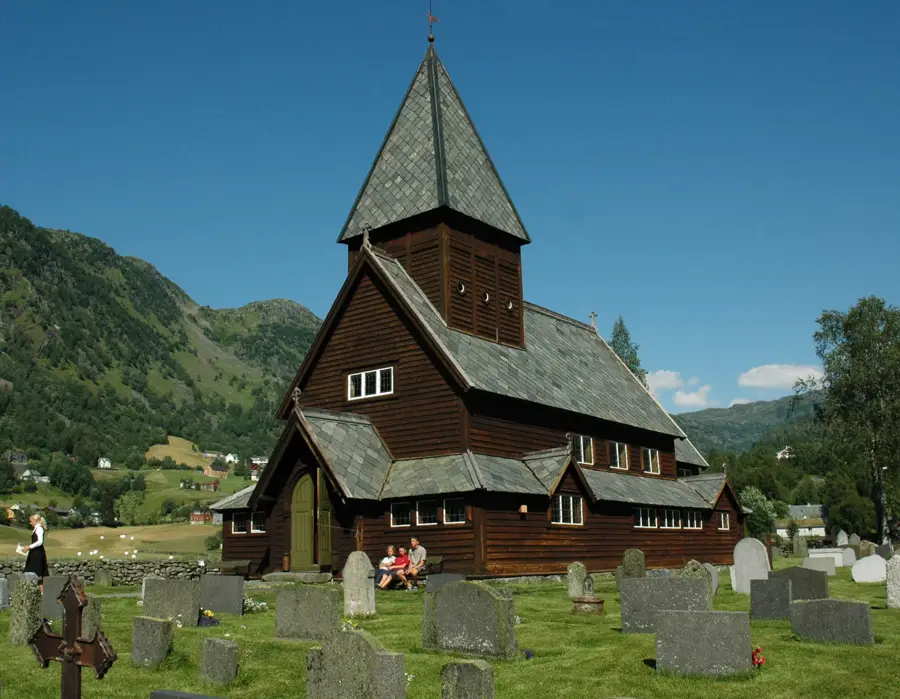
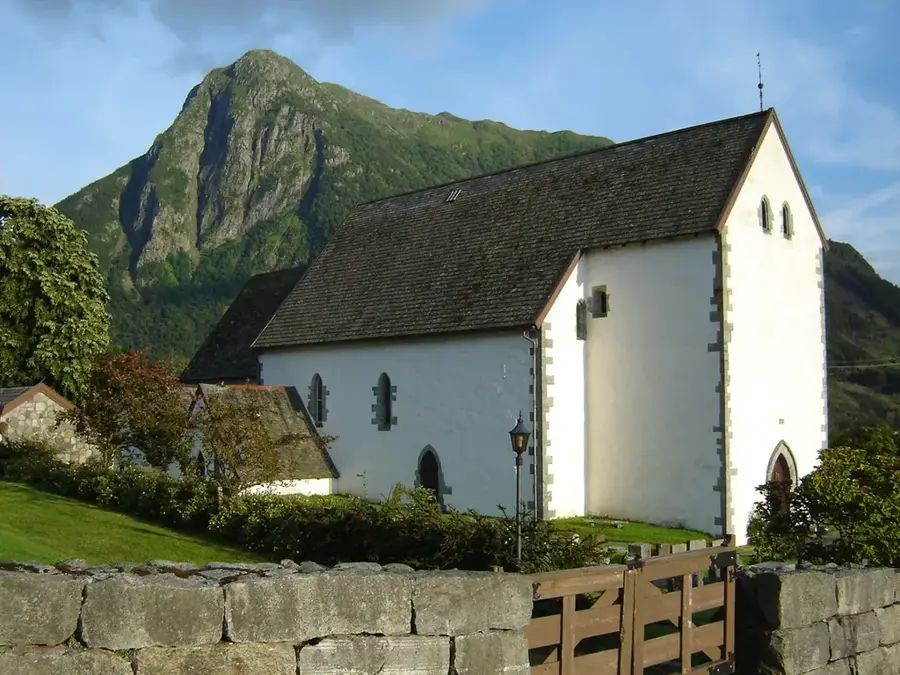
- Top sights: Sauda kyrkje · Fagerheimsamlinga · Saudahallen
- Nearby: Sand (20 km)
Best time to visit & climate
The most pleasant time to visit is Jun–Aug.
| Jan | Feb | Mar | Apr | May | Jun | Jul | Aug | Sep | Oct | Nov | Dec | |
|---|---|---|---|---|---|---|---|---|---|---|---|---|
| Avg °C | -3 | -4 | -2 | 2 | 6 | 11 | 13 | 13 | 9 | 5 | 0 | -2 |
| Rain mm | 286 | 195 | 182 | 134 | 127 | 134 | 160 | 190 | 228 | 248 | 266 | 297 |
📋 Practical info
Geography
Facts
- Industrial production of manganese alloys began in Sauda in 1923.
- The plant relies on hydroelectric power generated by the local Saudefaldene systems.
- It is one of the largest manganese alloy producers in the Western world.
- The 1970 Sauda Strike is a significant event in Norwegian labor history.
- Nearly all production from the facility is exported to global steel manufacturers.
- Energy recovery systems at the plant convert waste heat back into electricity.
Explore nearby
Notable places around

Route planner — Car & Motorhome
Where do you start? We build the route here, with stops and country notes along the way.
© OpenStreetMap contributors · OpenRouteService
Sights in the town Sauda Smelter (6)
Rondehaugen
Viewpoint in Sauda offering views over the town and the surrounding mountains.
Tinghaug🏛 museum
Museum in Sauda displaying archaeological finds and local history exhibits.
Sights nearby
Frequently asked questions
What is produced at the Sauda smelter?
Why is the factory located in Sauda?
Can the factory be visited?
Is the facility environmentally friendly?
How important is the factory for the region?
Sauda Smelter: where is it located?
Sauda Smelter: what is there to see?
Sauda Smelter: when is the best time to visit?
Sauda Smelter: why is it worth visiting?

Nearby cities