Plizio Visual Lab
Old Stavanger
ℹ️Practical info — Old Stavanger
▾
🌤 Weather — 5 days
📍 Nearby
Sights nearby
💡 Tips
- The historic white wooden houses are inhabited, please respect the residents' privacy.
- Cobblestone streets can be very slippery in wet weather, wear sturdy shoes.
- It can get crowded on days with cruise ships; visit the district early in the morning.
- A visit to the local canning museum gives a fascinating insight into the city's industrial history.
🍽 Food
Try innovative dishes at one of the top-rated restaurants near the Vågen harbor.
Warm up with a creamy fish soup at a restaurant along Skagenkaien.
Visit a local coffee roastery in the city for high-quality Norwegian filter coffee.
🛍 Shopping · 🧘 Quiet spots
Just a short walk away you will find colorful houses with boutiques, vintage shops, and crafts.
A few small galleries in the old quarter offer handmade souvenirs and art.
The small lake in the city center has a peaceful retreat with many birds.
Take a walk just outside the old center to enjoy the tranquility of this green oasis.
Water temperature…
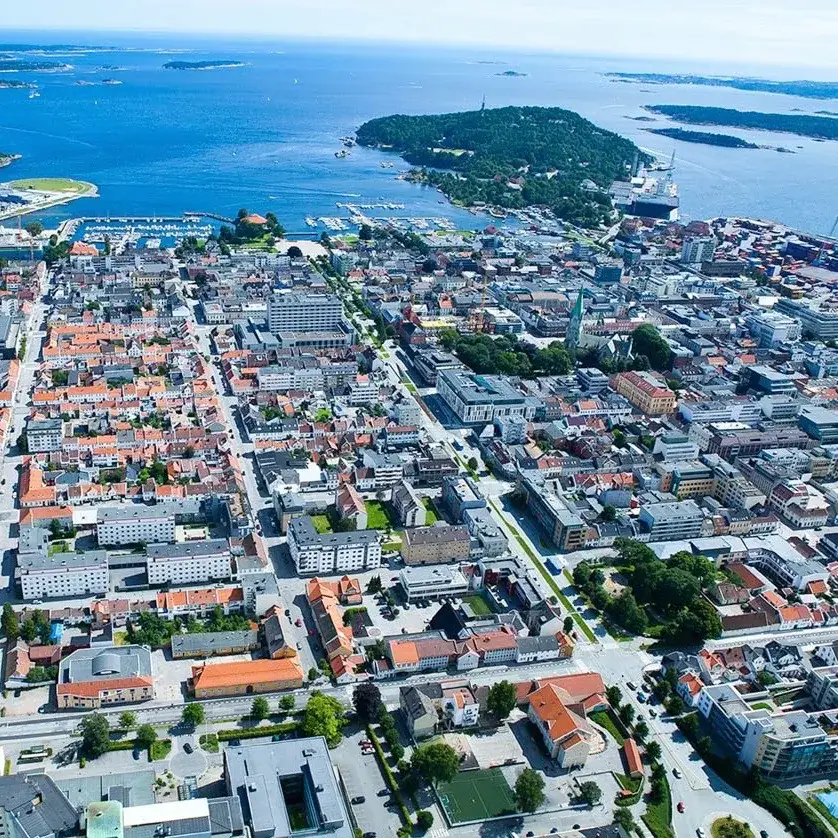
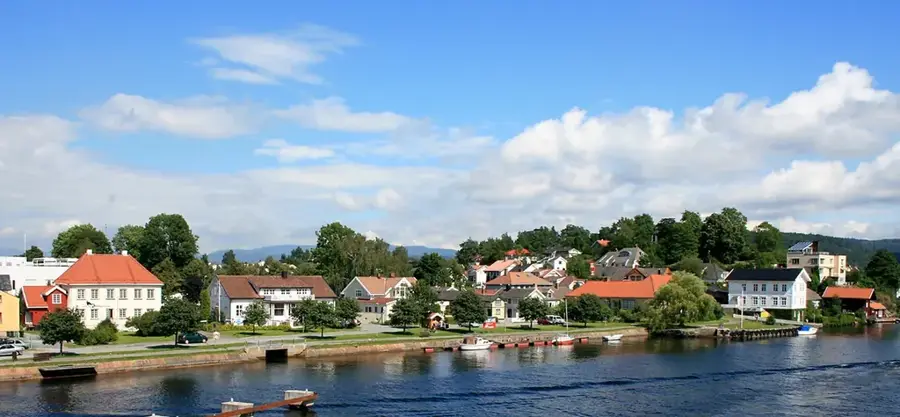
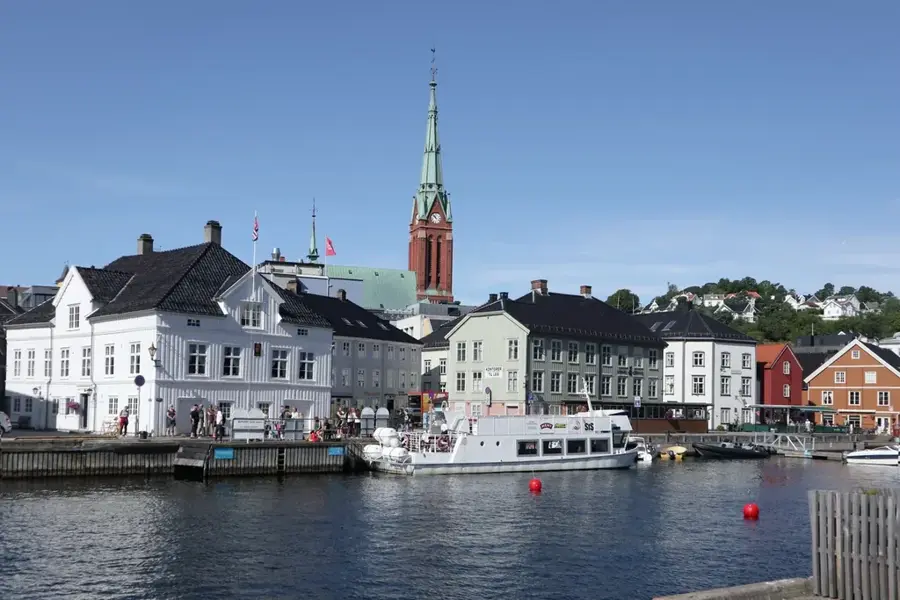
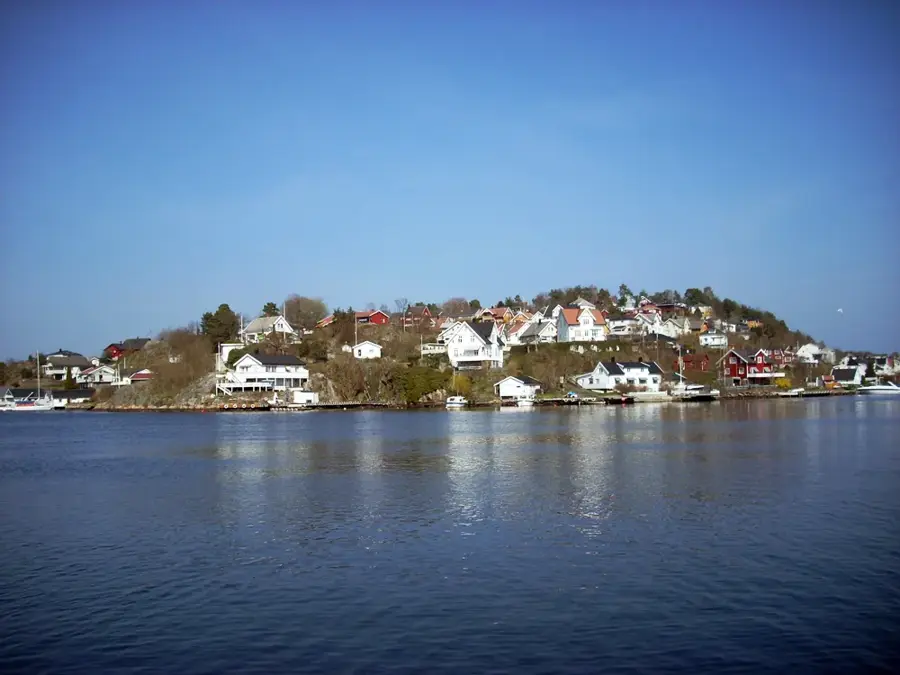
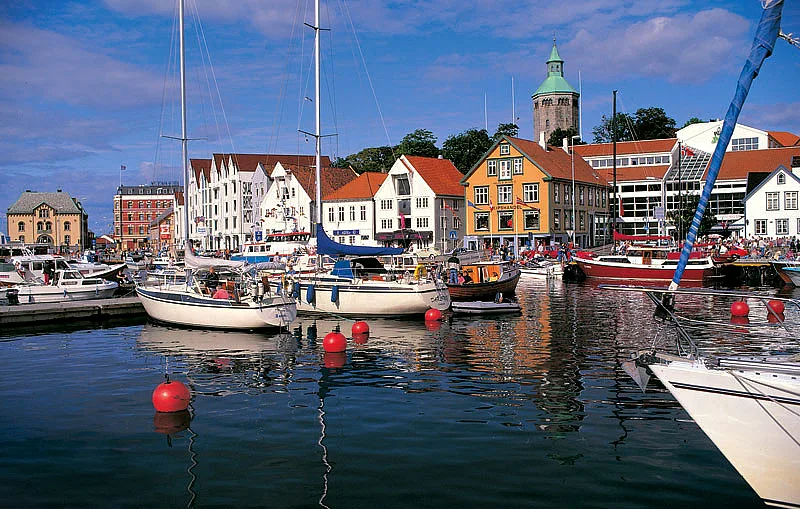
Old Stavanger, also known as Straen, is a historic district in the city center of Stavanger, celebrated for its exceptionally well-preserved wooden architecture. The area consists of 173 small, white-painted wooden houses, most of which were built during the late 18th and early 19th centuries. These cottages originally provided housing for workers employed in the city's once-thriving fishing and canning industries. During the post-World War II reconstruction era, there were plans to demolish the district, but the city architect at the time, Einar Hedén, successfully campaigned to preserve this unique cultural heritage. Today, Old Stavanger is regarded as the finest collection of wooden buildings in Northern Europe and remains an animated residential neighborhood where historic preservation meets modern living. The district also hosts the Norwegian Canning Museum, located in a former factory, which has insights into the region's industrial past. Its cobblestone streets and abundant floral displays make it a key cultural landmark on Norway's western coast.
- Location: Norway
- Top sights: The Norwegian Petroleum Museum · Breidablikk · Ledaal
- Nearby: Hommersåk (8 km)
- Population: ~148.682
Best time to visit & climate
The most pleasant time to visit is Jun–Aug.
| Jan | Feb | Mar | Apr | May | Jun | Jul | Aug | Sep | Oct | Nov | Dec | |
|---|---|---|---|---|---|---|---|---|---|---|---|---|
| Avg °C | 2 | 2 | 3 | 6 | 9 | 13 | 15 | 15 | 13 | 9 | 6 | 4 |
| Rain mm | 205 | 144 | 124 | 94 | 89 | 91 | 114 | 150 | 170 | 189 | 199 | 217 |
Geography
Facts
- The historic district consists of a total of 173 protected wooden houses.
- Most of the buildings were constructed around 1800 for harbor workers.
- In the 1950s, architect Einar Hedén successfully prevented the district's demolition.
- It is recognized as the largest collection of small wooden houses in Northern Europe.
- It houses the world's only museum dedicated exclusively to the canning industry.
- The houses are traditionally painted white, which historically signified wealth.
Explore nearby
Notable places around





Route planner — Car & Motorhome
Where do you start? We build the route here, with stops and country notes along the way.
© OpenStreetMap contributors · OpenRouteService
Sights in the town Old Stavanger (15)
Frequently asked questions
What is Gamle Stavanger?
Are the houses inhabited?
Where is the district located?
Is photography allowed there?
Which museum is nearby?
Old Stavanger: where is it located?
Old Stavanger: what is there to see?
Old Stavanger: when is the best time to visit?
Old Stavanger: why is it worth visiting?

Nearby cities