Plizio Visual Lab
Maïné-Soroa
ℹ️Practical info — Maïné-Soroa
▾
🌤 Weather — 5 days
📍 Nearby
Sights nearby
💡 Tips
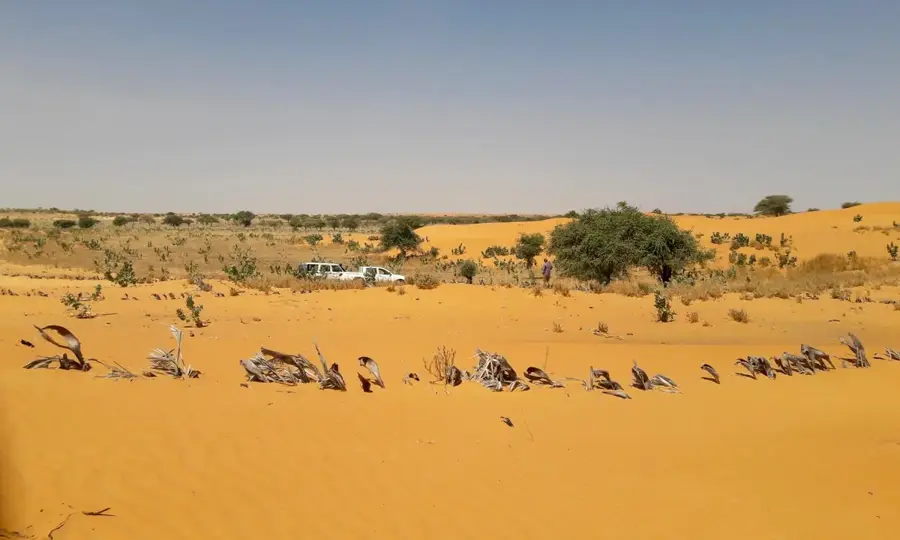
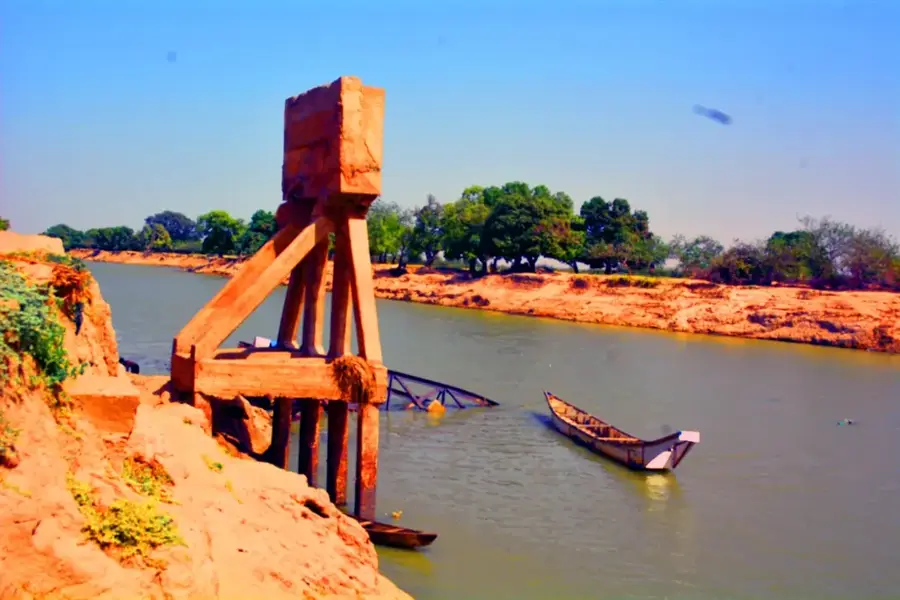
- Observe the fertile riparian zones of the Komadougou Yobé River, which contrast with the dry surrounding environment.
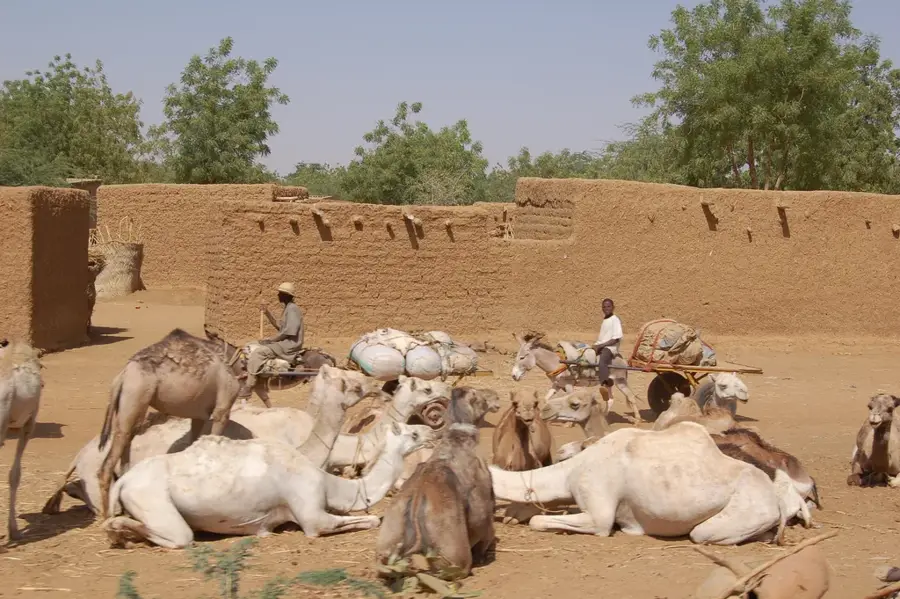
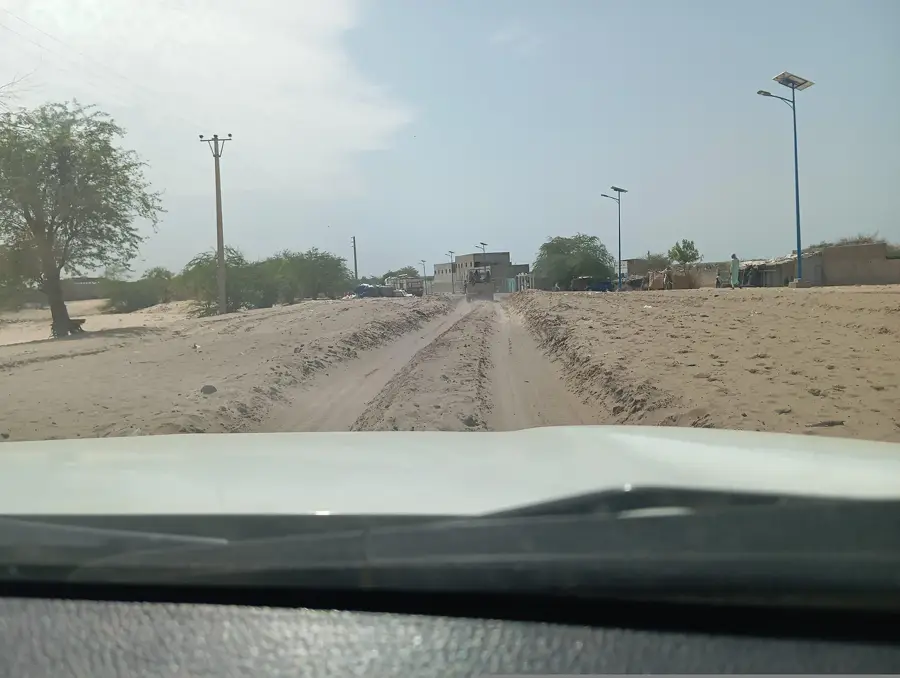
- Pay attention to the traditional Banco architecture (mud-brick) in the historic town center.
- Plan your visit during the rainy season when Peul and Wodaabe nomads cross the region with their herds.
- Respect the privacy of the nomad camps in the area.
- Wear sturdy footwear for walks in the clayey Kadzell plains.
🍽 Food
Often sold by Peul women along the roadside, very creamy and sometimes lightly sweetened.
A hearty dish with local vegetables from the fertile riverbank gardens.
Freshly baked and often served with a sauce made from baobab leaves.
🛍 Shopping · 🧘 Quiet spots
Colorful, handcrafted nomad headwear available in the central market.
Artfully decorated fans made from Doum palm leaves, handy as a souvenir.
Shaded spots under trees along the bank are great for relaxing and watching the river scenery.
The small irrigated plots provide a green and peaceful environment.
Water temperature…
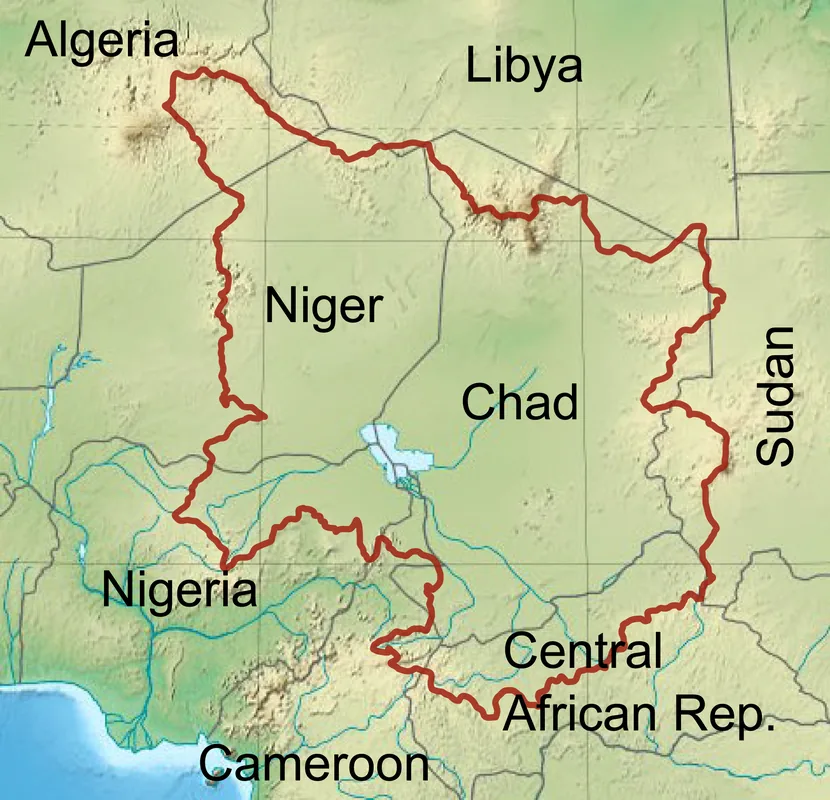
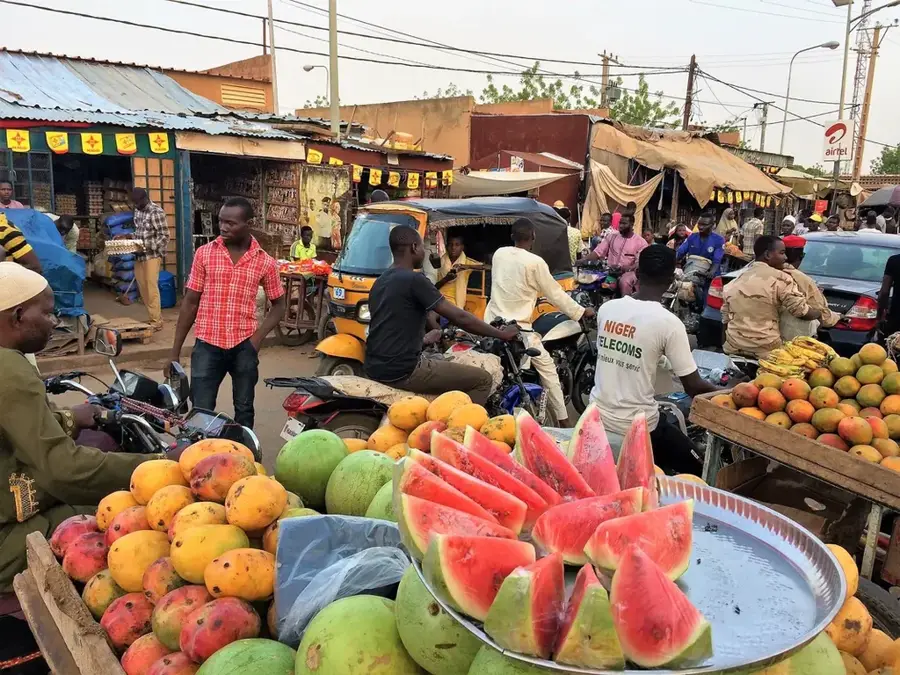
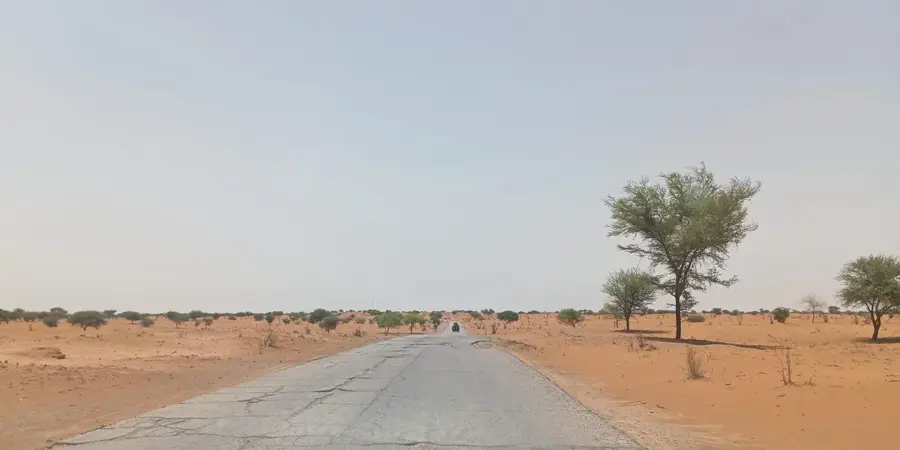
Maïné-Soroa is a historic town in the far southeast of Niger, located within the Diffa Region near the border with Nigeria. It serves as a significant cultural gateway to the Lake Chad Basin and is a major center for the Kanuri people. Historically, the town was a vital stop on trans-Saharan trade routes, a heritage that continues today through its bustling livestock market, which is one of the largest in the eastern Sahel. Geographically, Maïné-Soroa is situated in a transitional zone where sahelian savannah meets the encroaching desert, yet it features fertile depressions known as 'koulongas' that allow for the cultivation of dates and grains. The town holds a special place in Nigerien national history as the birthplace of the country's first president, Hamani Diori, adding a layer of political significance to its cultural prestige. Architecturally, it displays traditional mud-brick structures alongside more modern administrative facilities. Despite facing regional security and environmental challenges, Maïné-Soroa remains a resilient hub of commerce and tradition in eastern Niger.
- Location: Niger
- Nearby: Diffa (72 km)
- Population: ~17.778 (2024)
Best time to visit & climate
The most pleasant time to visit is Jan, Feb, Dec.
| Jan | Feb | Mar | Apr | May | Jun | Jul | Aug | Sep | Oct | Nov | Dec | |
|---|---|---|---|---|---|---|---|---|---|---|---|---|
| Avg °C | 22 | 25 | 29 | 33 | 34 | 33 | 30 | 27 | 28 | 28 | 26 | 22 |
| Rain mm | 0 | 0 | 0 | 2 | 14 | 53 | 123 | 197 | 72 | 11 | 0 | 0 |
Geography
Facts
- Birthplace of Hamani Diori, Niger's first president.
- A major hub for the Kanuri ethnic group and culture.
- Home to a prominent weekly market for cattle and camels.
- Located approximately 70 kilometers west of Diffa city.
- Features unique fertile depressions used for date farming.
- Situated close to the Yobe River and the Nigerian border.
Explore nearby
Notable places around


Route planner — Car & Motorhome
Where do you start? We build the route here, with stops and country notes along the way.
© OpenStreetMap contributors · OpenRouteService
Frequently asked questions
What characterizes Maïné-Soroa?
Is the city safe?
Is there anything worth seeing?
How to travel there?
What is the best travel time?
Maïné-Soroa: where is it located?
Maïné-Soroa: when is the best time to visit?
Maïné-Soroa: why is it worth visiting?

Nearby cities
Nature
More places