Plizio Visual Lab

Komadougou Yobé
Plizio editorial teamData Sources
River
—°
Komadougou Yobé (Niger)

Weather…

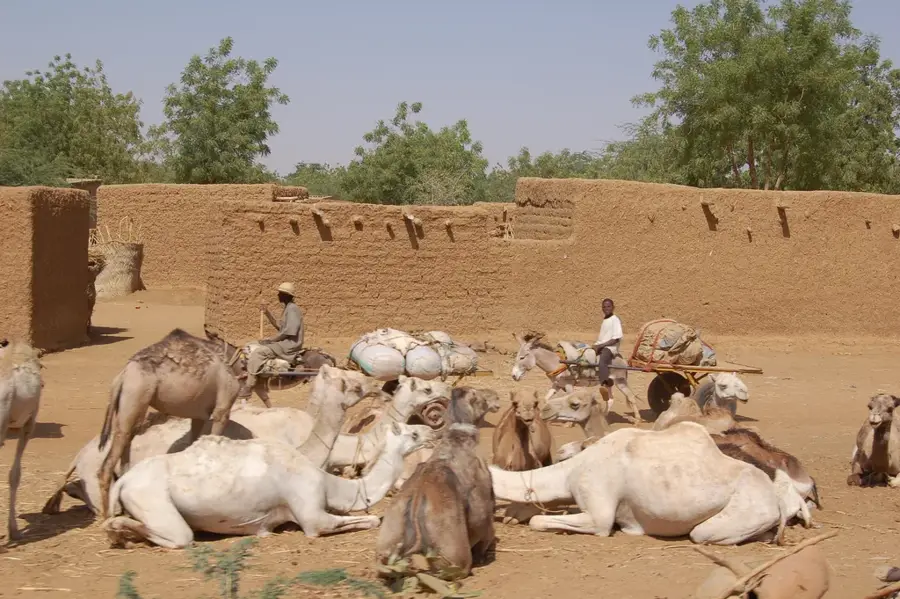
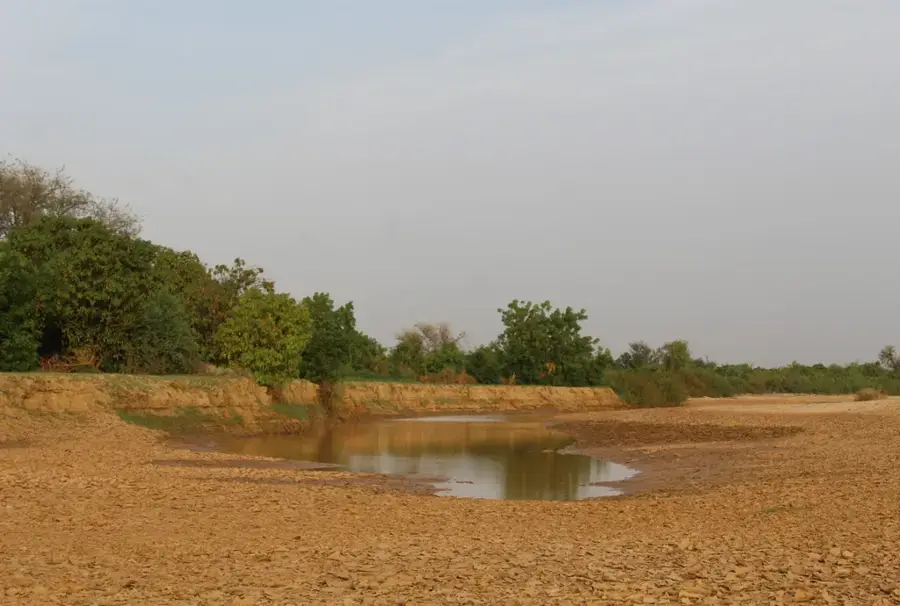
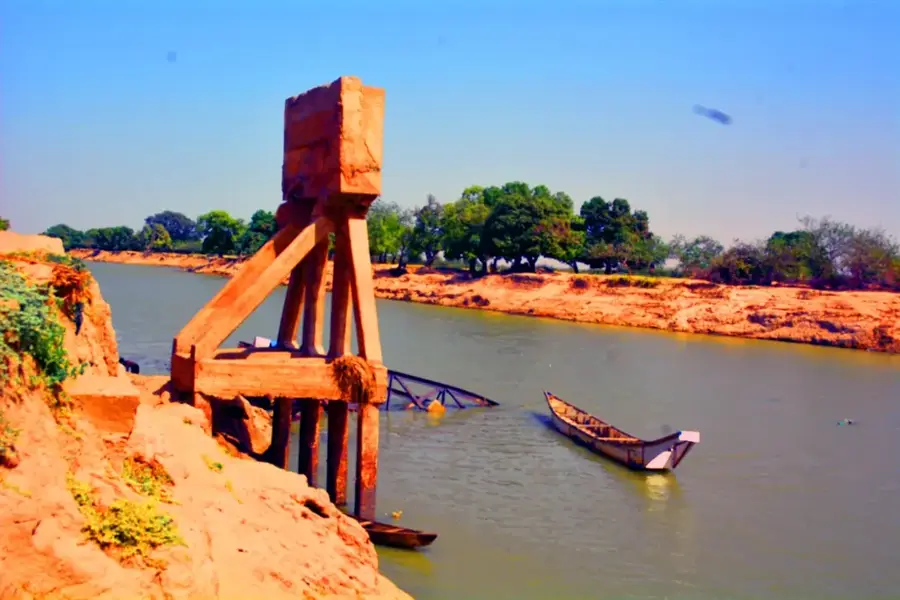
The Komadougou Yobé is a significant river in West Africa, flowing through eastern Niger and northern Nigeria before ultimately emptying into the Lake Chad basin. It forms the natural international border between these two nations for a stretch of approximately 150 kilometers. The river basin is vital for agriculture and livestock farming in an otherwise arid and challenging geographical region. Its flow is highly seasonal, meaning that during the height of the dry season, extensive sections of the riverbed can dry up completely. Historically, the valley served as a major settlement area for the Kanuri people and other ethnic groups in the region. Ecologically, the river provides an essential habitat for numerous migratory birds and a variety of local fish species. The riparian zones are intensively used for growing rice, peppers, and onions, ensuring food security for thousands of people living in the Sahel belt.

Best time to visit & climate

The most pleasant time to visit is Jan, Feb, Dec.

JanFebMarAprMayJunJulAugSepOctNovDec
Avg °C212428323433312829292522
Rain mm001110389616559800

📋 Practical info

🧭
Getting there
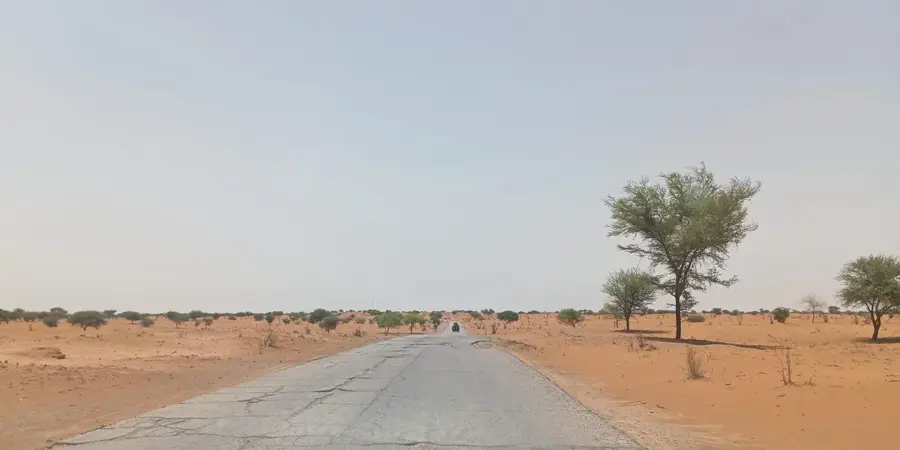
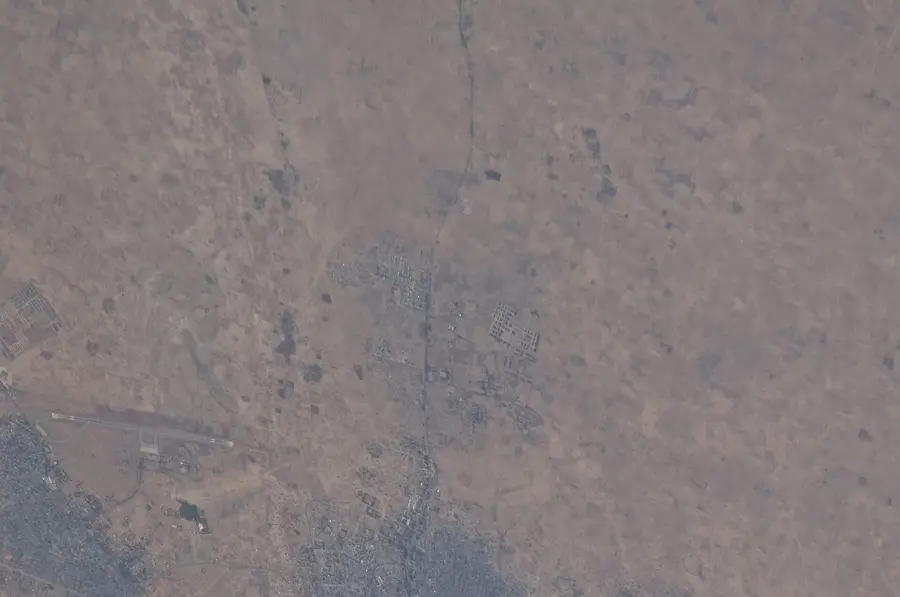
Accessing the Komadougou Yobé river generally involves traveling to towns near the Nigerian border, such as Diffa, using regional road networks. The roads can be dusty and rough, and reaching the actual riverbanks often requires a rugged 4x4 vehicle or local guidance.
📅
Best season
The river's water levels fluctuate significantly; the best time to see it flowing strongly is right after the rainy season, between October and December. During the dry season, the water recedes dramatically, turning large sections into shallow pools or dry riverbeds.
⛰️
Terrain & paths
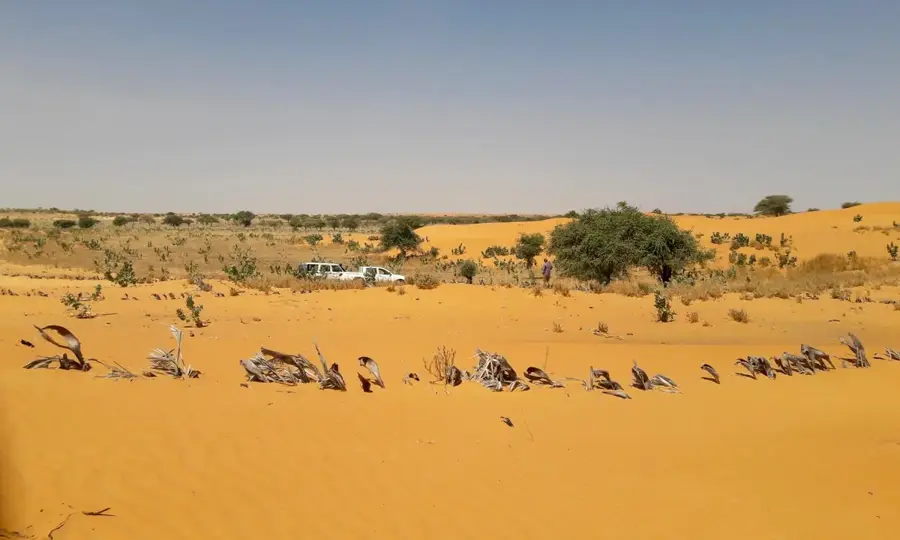
The terrain surrounding the river consists of flat, sandy plains interspersed with seasonal wetlands and sparse Sahelian vegetation. The riverbanks can be muddy and unstable during higher water periods, making walking immediately next to the water challenging.
🎒
What to bring
Essential gear includes lightweight but protective clothing to shield against the relentless sun and blowing sand. Visitors should bring a wide-brimmed hat, strong insect repellent due to the proximity of water, and sufficient drinking water to prevent dehydration.
🅿️
Parking
Parking is typically informal, often done in nearby border towns or villages where the vehicle can be left securely. When venturing close to the river, vehicles are usually parked on firm, elevated ground to avoid getting stuck in sandy or muddy patches.
⚠️
Safety
Security is a primary concern in this border region; travelers must consult current local authority advisories and often travel with escorts. Additionally, the risk of waterborne diseases means visitors should avoid swimming or drinking from the river under any circumstances.
⏱️
Time needed
A visit to observe the river and its surrounding environment can be accomplished in a half-day trip from a nearby hub like Diffa. Longer stays in the region are usually focused on broader aid, research, or specific regional transit rather than prolonged tourism.

Geography

Coordinates
13.50000, 12.00000

Facts

  • Total length of approximately 1,200 km from sources in Nigeria to Lake Chad
  • Forms 150 km of the international border between Niger and Nigeria
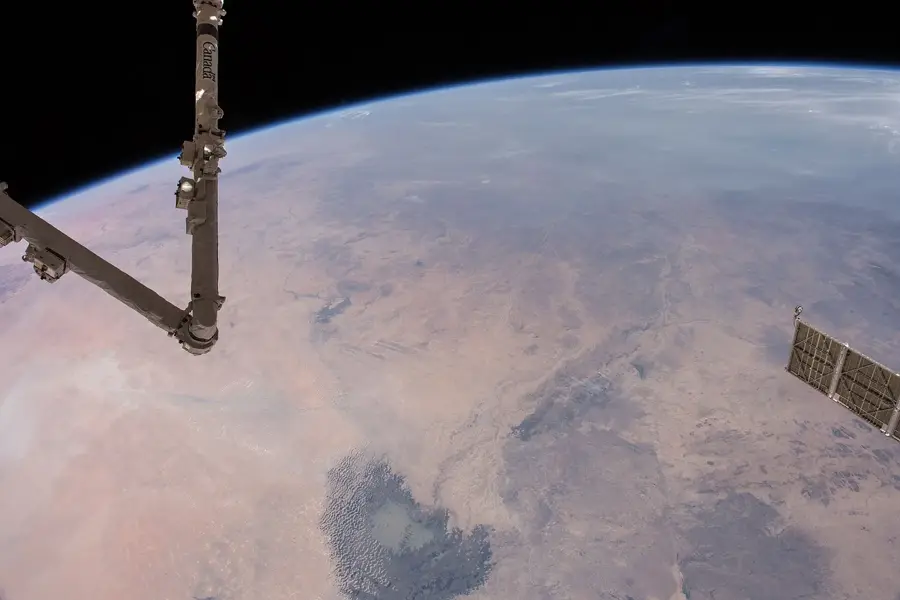
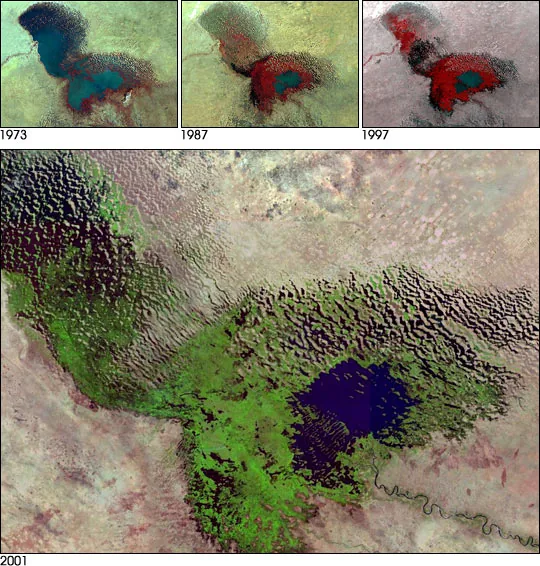
  • Empties into Lake Chad, a large endorheic basin in Central Africa
  • Water flow is highly seasonal, primarily from June to January
  • Main economic driver for the Diffa (Niger) and Yobe (Nigeria) regions
  • Significant refuge for the African manatee during the high-water season

Explore nearby

Notable places around
Route planner — Car & Motorhome

Where do you start? We build the route here, with stops and country notes along the way.

Vehicle
Only stops with (optional):

© OpenStreetMap contributors · OpenRouteService

Sights nearby

Frequently asked questions

Where does the Komadougou Yobé flow?
It forms the border between Nigeria and Niger and flows into Lake Chad.
Can you go bird watching?
Yes, the river is an excellent place for birdwatchers.
How is the accessibility?
Partially difficult, as the riparian areas can be marshy.
Are there tourist centers?
No, it is a very natural and untouched area.
What should I keep in mind?
Observe border regulations and travel only with experienced guides.
Komadougou Yobé: where is it located?
Komadougou Yobé is located in Niger.
Komadougou Yobé: when is the best time to visit?
The most pleasant time to visit is Jan, Feb, Dec.
Komadougou Yobé: why is it worth visiting?

The Komadougou Yobé is a significant river in West Africa, flowing through eastern Niger and northern Nigeria before ultimately emptying into the Lake Chad basin.
View on map → The Top 50 Attractions → OpenStreetMap →
Africa
Explore with Plizio Discover more places in Africa
More places in Niger →

Nearby cities

Nature

More places