Plizio Visual Lab
Pemba
ℹ️Practical info — Pemba
▾
🌤 Weather — 5 days
📍 Nearby
Sights nearby
💡 Tips
- Wimbe Beach gets very busy on weekends; visit on weekdays for a quieter time.
- Chapas (minibuses) are the main transport, but tuk-tuks are easier for short trips.
- Try to have small Metical notes on hand for local markets.
- Malaria precautions are essential year-round in this region.
- Seafood is best bought directly from the fishermen in the early morning.
🍽 Food
A dish of pounded cassava leaves with crab, try it at the beachside barracas.
Grilled spicy prawns that are excellent at the seaside restaurants.
Local Mozambican bread roll sold fresh on many street corners in the morning.
🛍 Shopping · 🧘 Quiet spots
Visit this traditional area to see dhow boat building and buy fresh fish.
Purchase these intricate carvings directly from the artisans at the local craft markets.
A great viewpoint over the bay, highly recommended at sunset.
A quieter alternative to Wimbe that is also excellent for kitesurfing.
Water temperature…
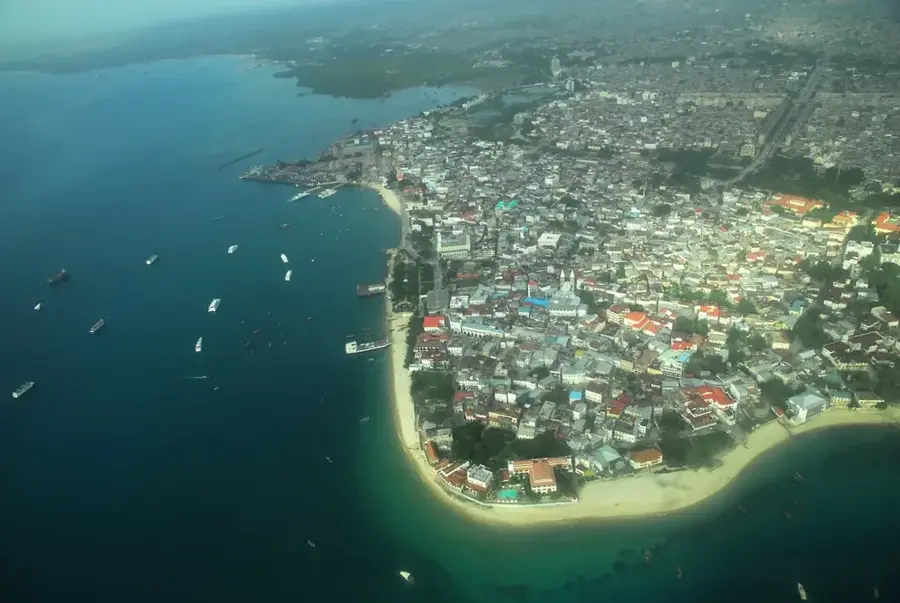
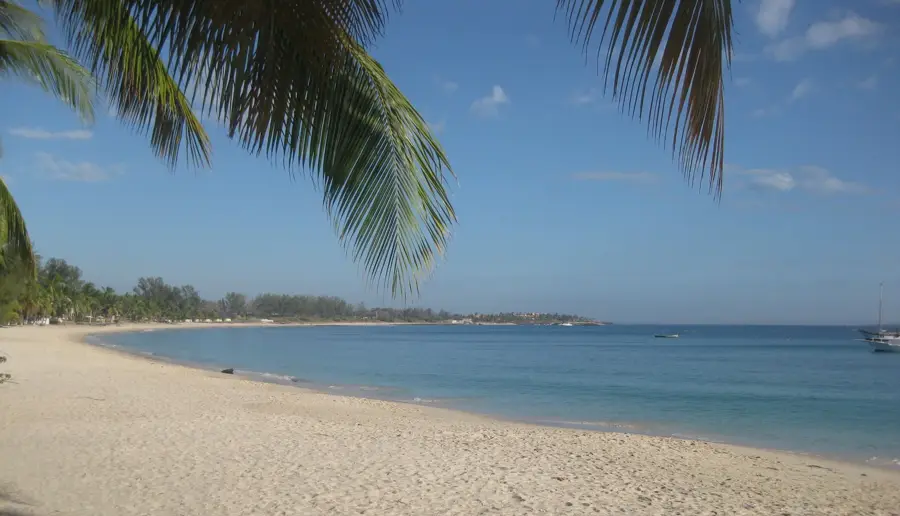
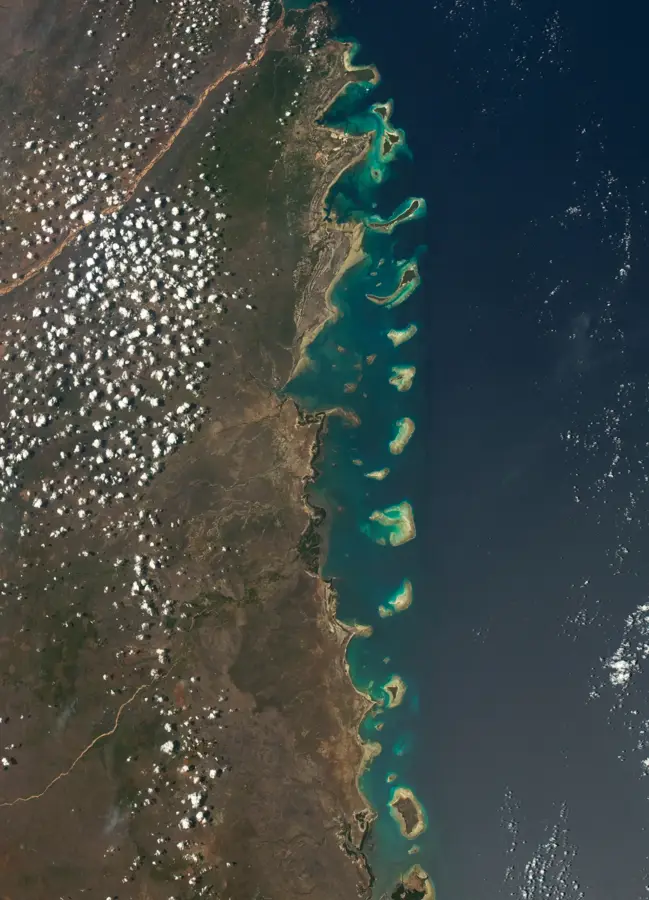
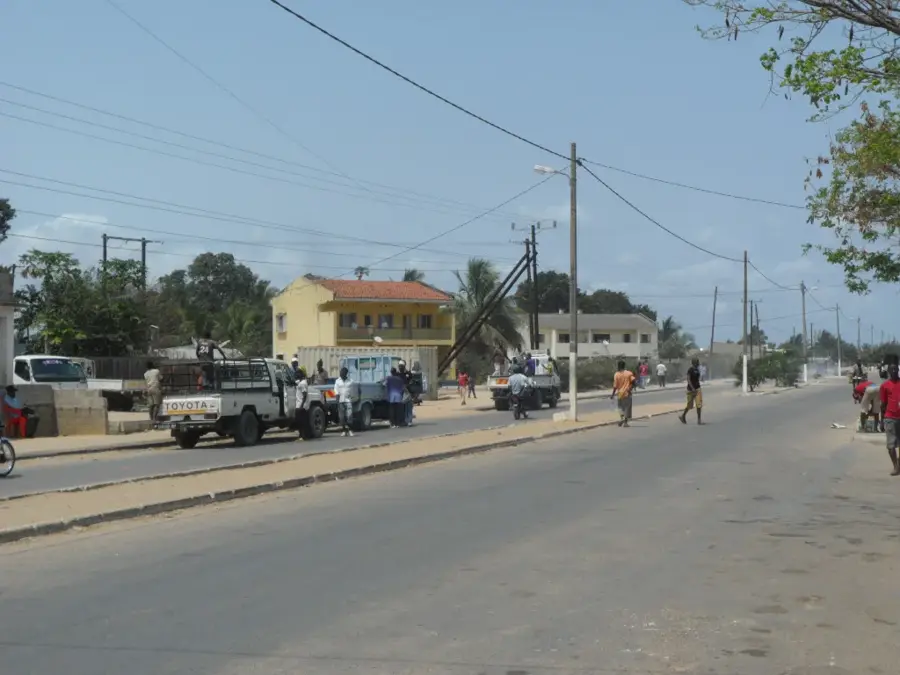
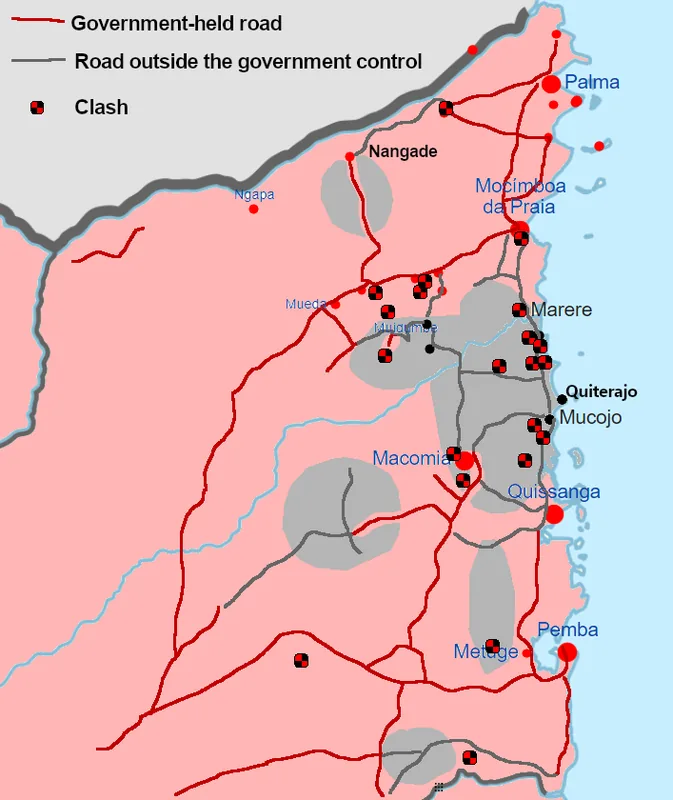
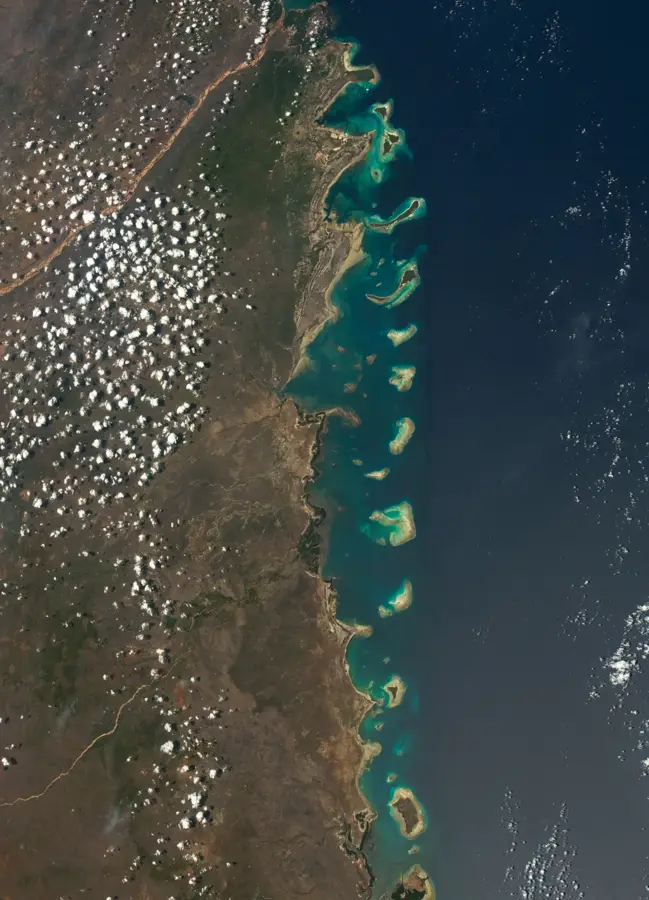
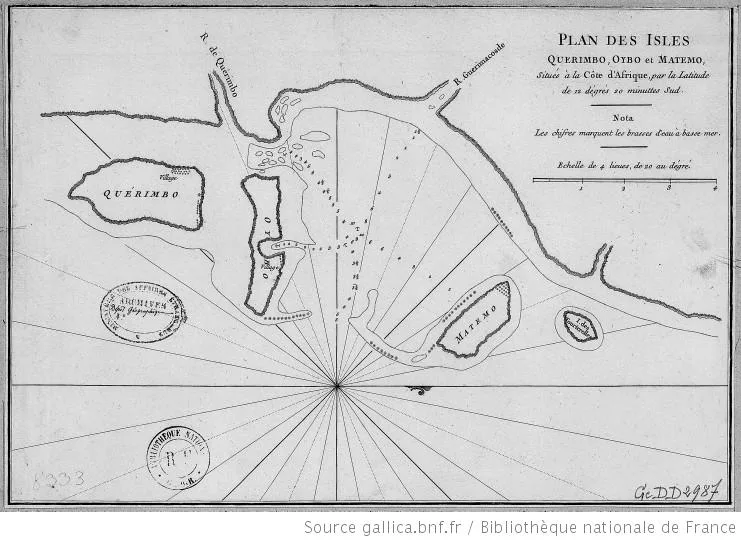
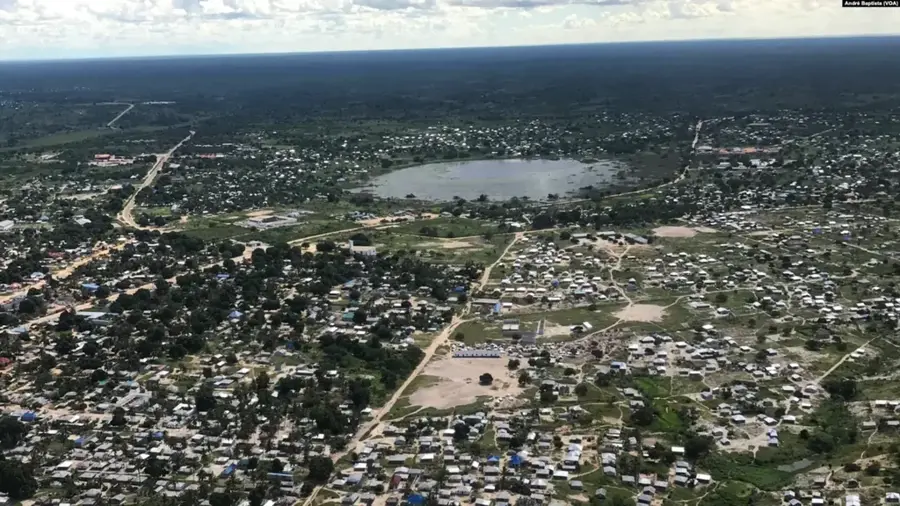
Pemba is a captivating coastal city located in northeastern Mozambique, serving as the provincial capital of Cabo Delgado. It is uniquely positioned on the southern peninsula of the massive Pemba Bay, which is recognized as one of the deepest and largest natural harbors in the world. Historically known as Porto Amélia during the Portuguese era, the city was renamed Pemba in 1975 following Mozambique's independence. In recent decades, the city has undergone a dramatic metamorphosis, evolving from a quiet fishing and tourism town into a bustling logistical hub for the multi-billion dollar offshore natural gas projects in the Rovuma Basin. Despite this industrial surge, Pemba remains a premier gateway for eco-tourism. The world-renowned Wimbi Beach is the city's jewel, featuring a 12-kilometer stretch of white sand and clear waters great for snorkeling and diving among spirited coral reefs. Culturally, Pemba is a melting pot of Swahili, Arabic, and local influences, particularly the Makonde people who are famous for their world-class ebony carvings. The city is the primary access point for the Quirimbas Archipelago, a UNESCO-listed chain of coral islands rich in biodiversity and colonial history. The urban landscape of Pemba is divided between the historic low-lying 'Baixa' area and the more modern developments on the hills. Economically, the city relies on its port, burgeoning energy services, and artisanal fishing. The tropical climate ensures warm temperatures year-round, though it is subject to seasonal monsoons and occasional cyclones. Recent infrastructure upgrades, including a refurbished international airport and expanded port facilities, reflect Pemba's growing role in the global energy market. It is a city where tradition meets high-stakes industrialization, offering a unique blend of pristine nature and modern economic ambition.
- Location: Mozambique
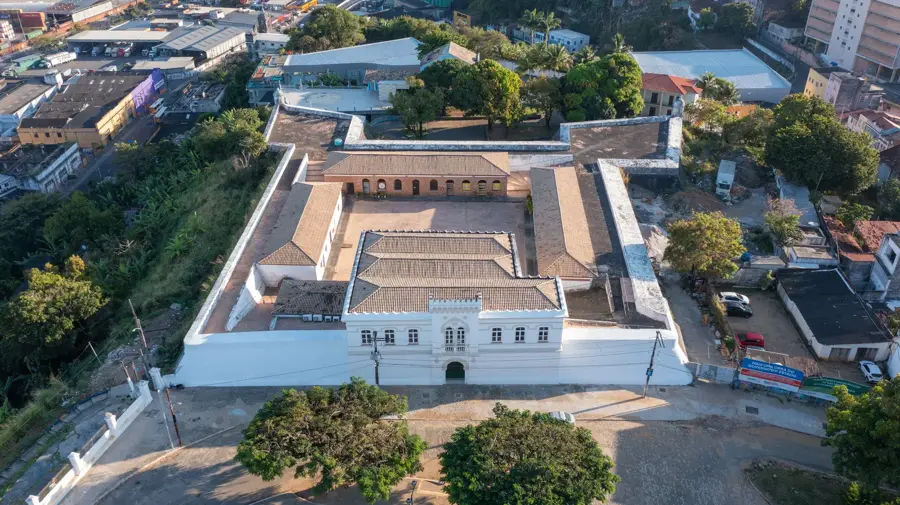
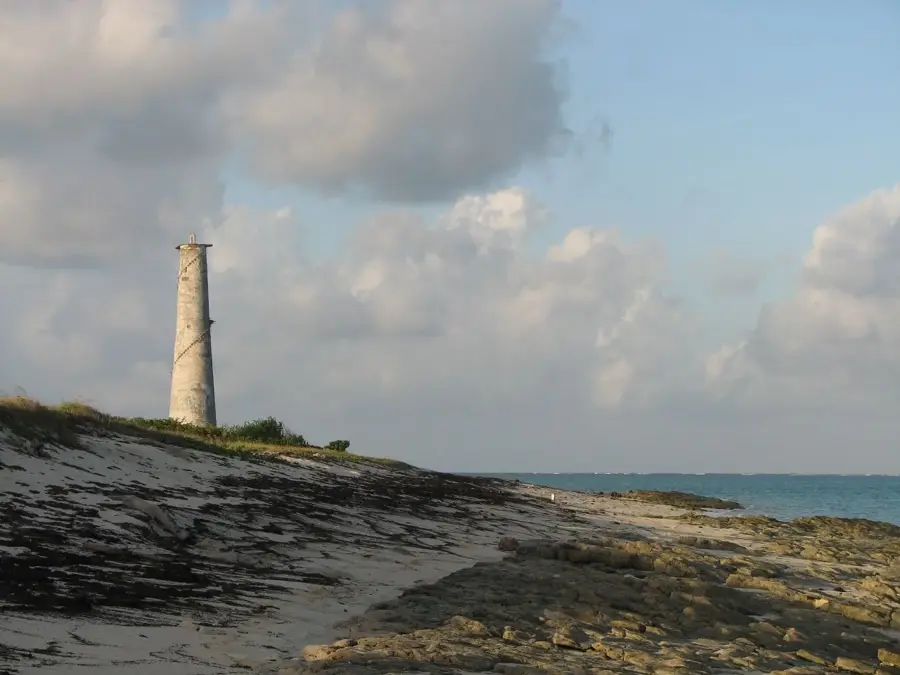
- Top sights: Fortim Jerónimo Romero · Prayer Hut · Praça Kankhomba
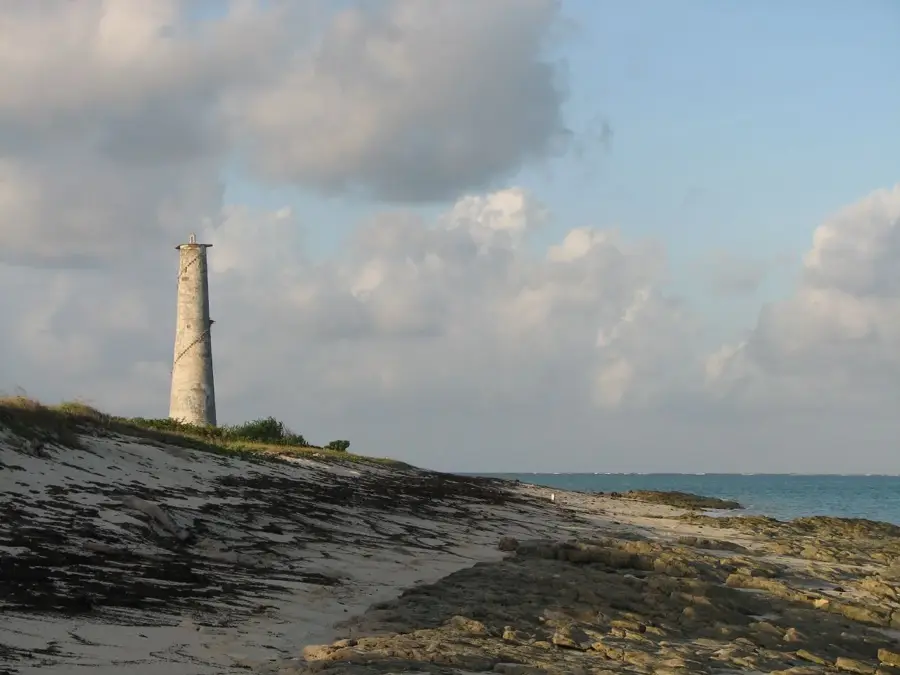
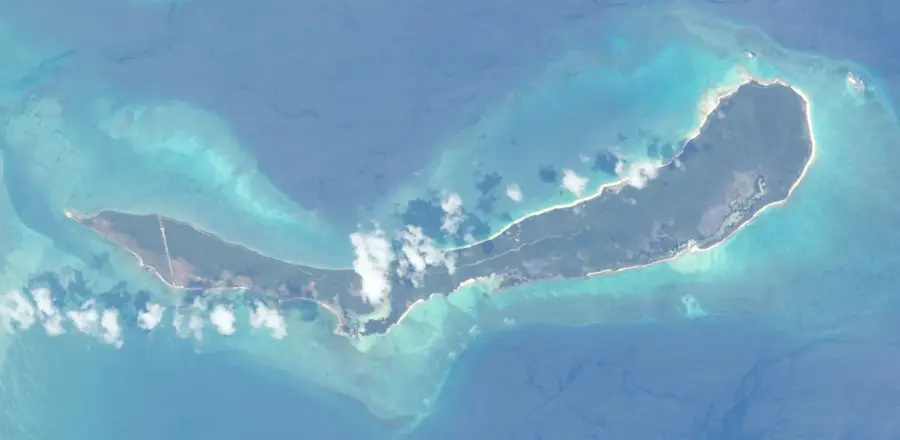
- Nearby: Quirimba Island (47 km)
- Population: ~232.932 (2026)
Best time to visit & climate
The most pleasant time to visit is Jul–Sep.
| Jan | Feb | Mar | Apr | May | Jun | Jul | Aug | Sep | Oct | Nov | Dec | |
|---|---|---|---|---|---|---|---|---|---|---|---|---|
| Avg °C | 27 | 27 | 27 | 27 | 26 | 25 | 24 | 25 | 25 | 26 | 28 | 28 |
| Rain mm | 297 | 236 | 192 | 147 | 27 | 32 | 21 | 19 | 13 | 17 | 34 | 139 |
Geography
Facts
- Pemba Bay is often cited as the 3rd largest natural deep-water bay in the world.
- The city was established as a municipality in 1958.
- Wimbi Beach is a major turtle nesting site in the region.
- The Rovuma Basin offshore gas reserves are among the largest in Africa.
- Pemba is located at an average elevation of 30 meters above sea level.
- The city's name 'Pemba' means 'the one that possesses' in the local language.
- Pemba Port serves as the main supply base for the Afungi LNG park.
- The distance by road to the Tanzanian border is approximately 200 km.
Explore nearby
Notable places around

Route planner — Car & Motorhome
Where do you start? We build the route here, with stops and country notes along the way.
© OpenStreetMap contributors · OpenRouteService
Sights in the town Pemba (4)
Frequently asked questions
What makes Pemba unique?
Are there diving opportunities?
When should one visit Pemba?
Is it a family-friendly destination?
How is the best way to get there?
Pemba: where is it located?
Pemba: what is there to see?
Pemba: when is the best time to visit?
Pemba: why is it worth visiting?

Nearby cities
History & landmarks
More places