Plizio Visual Lab

Roman City of Volubilis
Plizio editorial teamData Sources
Historical site
—°5
Roman City of Volubilis (Morocco)

Weather…

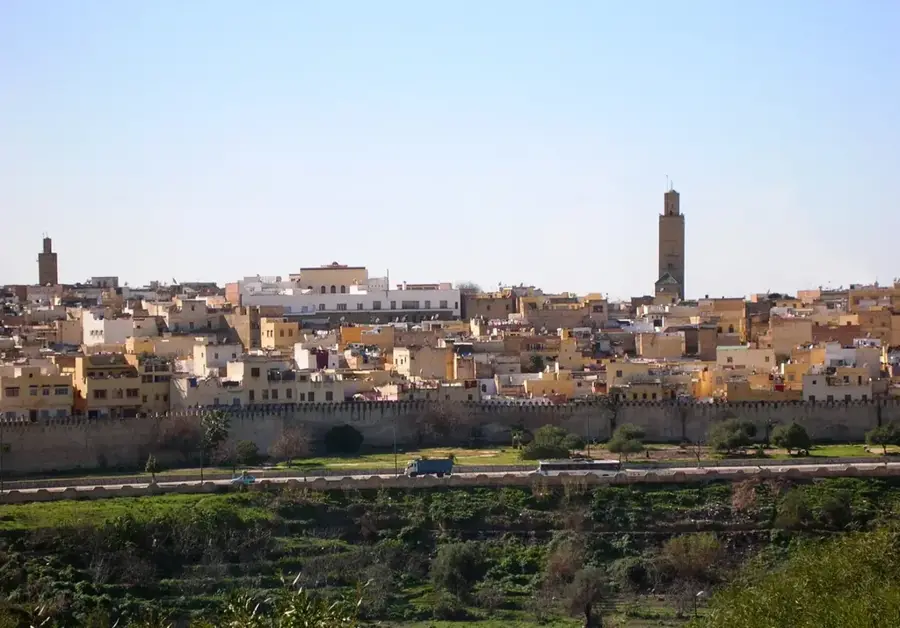
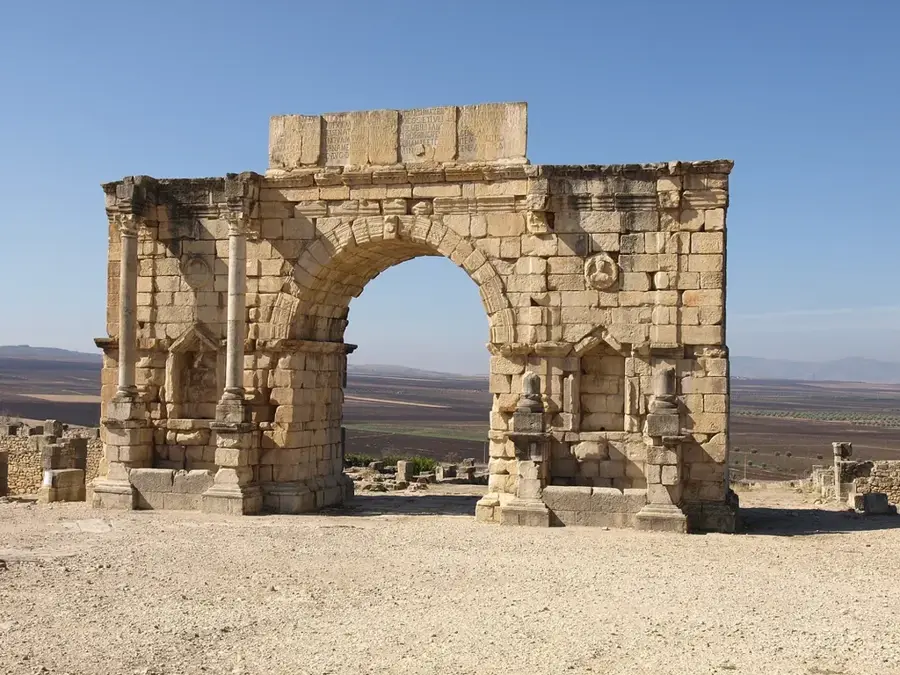
The archaeological site of Volubilis represents the most significant Roman ruin in Morocco, situated near the city of Meknes. Originally founded by Carthaginian traders in the 3rd century BC, it became the capital of the kingdom of Mauretania and later a crucial outpost of the Roman Empire's province of Mauretania Tingitana. The city flourished during the 2nd and 3rd centuries AD, growing to a population of approximately 20,000 people who benefited from the fertile lands producing grain and olive oil. Visitors can explore the well-preserved remains of the Basilica, the Capitoline Temple, and the Triumphal Arch of Caracalla, which was erected in 217 AD. The site is particularly famous for its intricate floor mosaics, such as those in the House of Orpheus and the House of the Labors of Hercules. After the Roman withdrawal around 285 AD, the city remained inhabited for centuries, eventually being abandoned in the 11th century. It was designated a UNESCO World Heritage Site in 1997 due to its exceptional preservation and historical value.

Best time to visit & climate

The most pleasant time to visit is May, Jun, Oct.

JanFebMarAprMayJunJulAugSepOctNovDec
Avg °C111214172024282925211512
Rain mm7970815932735236510581

📋 Practical info

🚪
Visiting
The archaeological site is entirely outdoors, allowing visitors to walk extensively among the remarkably well-preserved ruins of ancient streets, temples, and residential villas. The impressive floor mosaics remain in situ and are fully visible throughout the sprawling complex.
🕒
Typical hours
The gates typically open daily from early morning until just before sunset, giving ample time to explore the vast historical area. Operating hours can fluctuate slightly depending on the season and daylight, so arriving by mid-morning is a reliable strategy.
📷
Photography
Capturing the magnificent Roman architecture and intricate mosaics is allowed and makes for extraordinary travel photography. The warm light of the late afternoon casts beautiful shadows across the columns and ruined arches, providing well-suited lighting conditions.
⏱️
Time needed
A comprehensive tour of the entire ancient city generally requires around two to three hours to appreciate the historical depth. History enthusiasts taking the time to study the individual mosaic details might easily spend a full half-day on the premises.
Combine with
This destination pairs perfectly with a visit to the nearby holy town of Moulay Idriss or the imperial city of Meknes. Planning a day trip that encompasses both the Roman history and the subsequent Islamic architectural heritage creates a profoundly rich itinerary.
🧭
Getting there
Reaching the site is relatively straightforward via taxi or organized tour buses directly from Meknes. The approach road is well-paved, and a dedicated parking area is conveniently situated right near the main entrance and visitor center.
💡
Insider tip
Because there is very little natural shade among the ancient ruins, wearing a wide-brimmed hat, applying sunscreen, and bringing plenty of water is essential. Hiring an official local guide at the entrance can significantly enhance your understanding of the unlabelled ruins.

Geography

Coordinates
34.07200, -5.55300

Facts

  • Volubilis was designated a UNESCO World Heritage Site in 1997.
  • The Triumphal Arch of Caracalla was constructed in 217 AD.
  • At its peak, the city had a population of roughly 20,000 residents.
  • It was a major center for olive oil production in the Roman province.
  • Intricate mosaics depict scenes like 'The Labors of Hercules' and 'Orpheus'.
  • The Basilica and the Forum served as the administrative and religious core.

Explore nearby

Notable places around
Route planner — Car & Motorhome

Where do you start? We build the route here, with stops and country notes along the way.

Vehicle
Only stops with (optional):

© OpenStreetMap contributors · OpenRouteService

Sights in the town Roman City of Volubilis (5)

House of Desultor🏺 historical

Ancient Roman ruined residence in Volubilis containing floor mosaics that depict an acrobat riding a donkey backward.

Mosaïque de la maison du cavalier🏺 historical

Detailed Roman floor mosaic in Volubilis featuring an equestrian figure preserved within ruined domestic walls.

Mosaïque Dionisos🏺 historical

Classical Roman mosaic pavement in Volubilis depicting the god Dionysus accompanied by mythical figures.

View of Volubilis🌿 nature

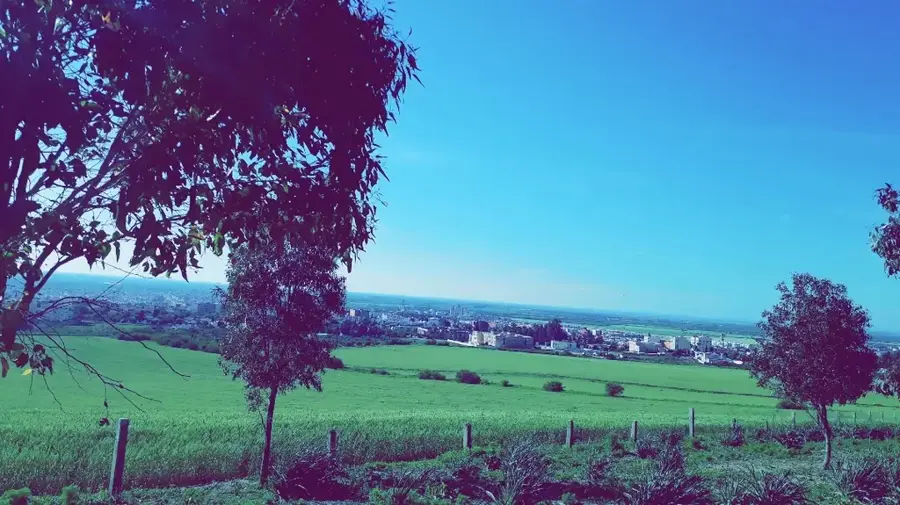
Elevated vantage point offering sweeping panoramas over the ancient Roman ruins and the surrounding fertile plains.

Volubilis Museum🏛 museum

Archaeological museum housing statues, inscriptions, and artifacts excavated from the adjacent Roman city ruins.

Sights nearby

Frequently asked questions

When is the best time to visit Volubilis?
Spring or autumn are well-suited, as temperatures are pleasant and there is little shade.
How long does a tour take?
Plan for about 1.5 to 2 hours to explore the ruins and mosaics at your leisure.
Is there an entrance fee?
Yes, admission costs a small fee payable on-site at the entrance.
Are the mosaics well preserved?
Yes, Volubilis is world-famous for its exceptionally well-preserved Roman mosaic floors.
Is the site wheelchair accessible?
Only partially, as the paths lead over uneven terrain, stones, and grass.
Roman City of Volubilis: where is it located?
Roman City of Volubilis is located in Morocco.
Roman City of Volubilis: what is there to see?
Highlights include House of Desultor, Mosaïque de la maison du cavalier, Mosaïque Dionisos.
Roman City of Volubilis: when is the best time to visit?
The most pleasant time to visit is May, Jun, Oct.
Roman City of Volubilis: why is it worth visiting?

The archaeological site of Volubilis represents the most significant Roman ruin in Morocco, situated near the city of Meknes.
View on map → The Top 50 Attractions → OpenStreetMap →
Africa
Explore with Plizio Discover more places in Africa
More places in Morocco →

Nearby cities

History & landmarks
More places