Plizio Visual Lab
Azrou
ℹ️Practical info — Azrou
▾
🌤 Weather — 5 days
📍 Nearby
Sights nearby
💡 Tips
- Don't feed the wild Barbary macaques in the cedar forests human food. Buy peanuts from local vendors instead.
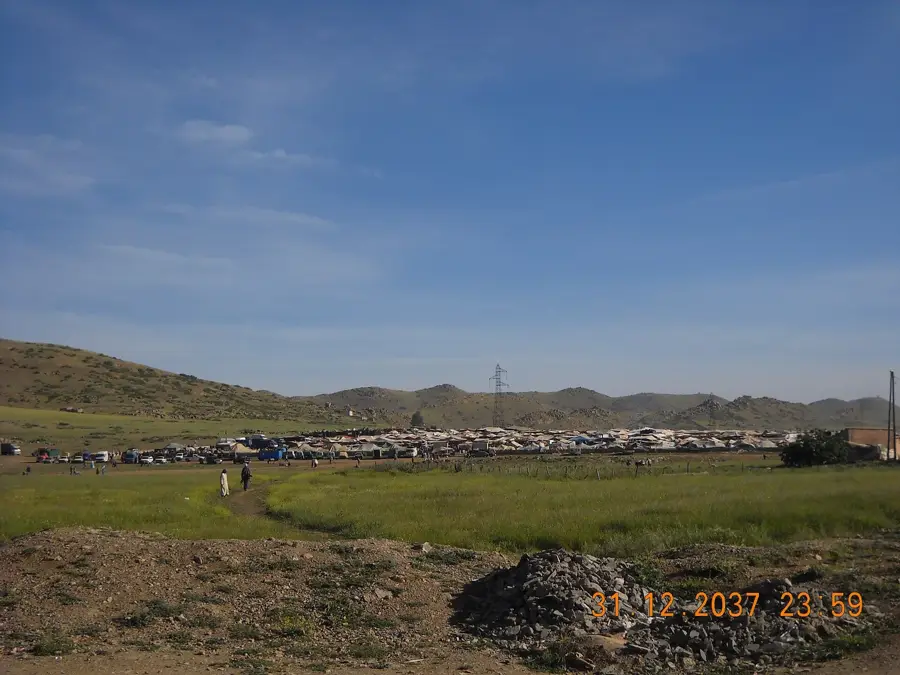
- The weekly Tuesday market (Souk) is one of the largest in the Middle Atlas; arrive early for the best experience.
- Bring warm layers, as Azrou is at a high altitude and gets cold in the evenings.
- Bargain amiably when carpet shopping; it is expected by the Middle Atlas merchants.
🍽 Food
Enjoy freshly caught trout from local mountain streams at restaurants near the town's rivers.
A sweet and savory meat tagine slowly cooked over coals, available in most traditional eateries.
Rich mountain honey collected by local beekeepers, often served at breakfast with fresh bread.
🛍 Shopping · 🧘 Quiet spots
Intricate artisan woodwork made from local cedar, available in small craft shops across town.
Distinctive, thick Berber carpets woven by local women, usually featuring geometric patterns.
A majestic cedar forest just outside town; find a quiet trail away from the main macaque feeding areas.
The peaceful remnants of a former Benedictine monastery set in the mountains.
Water temperature…
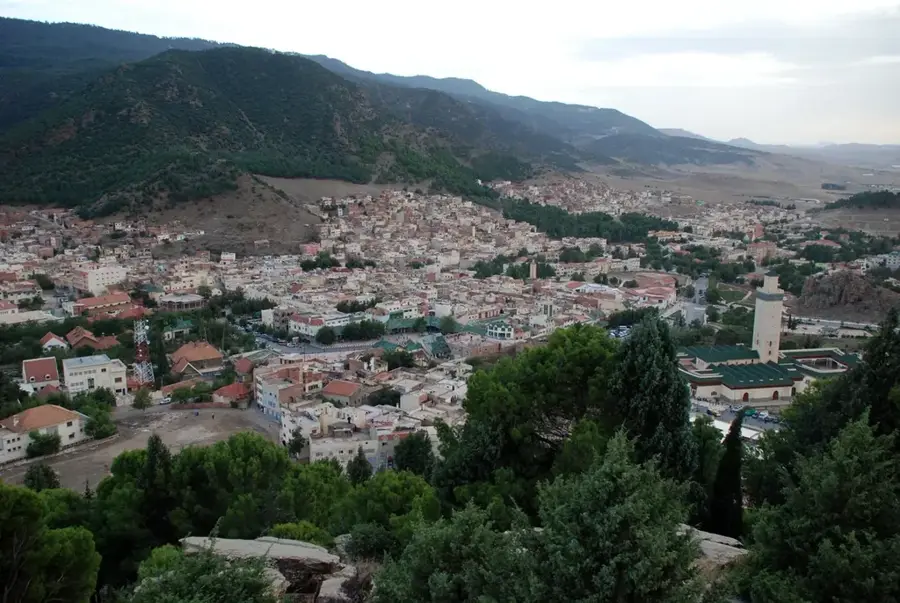
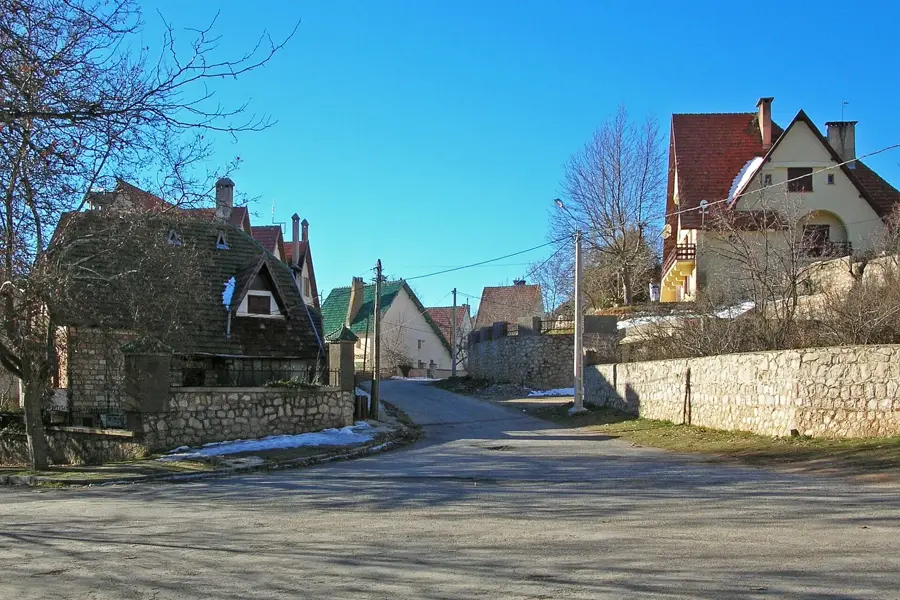
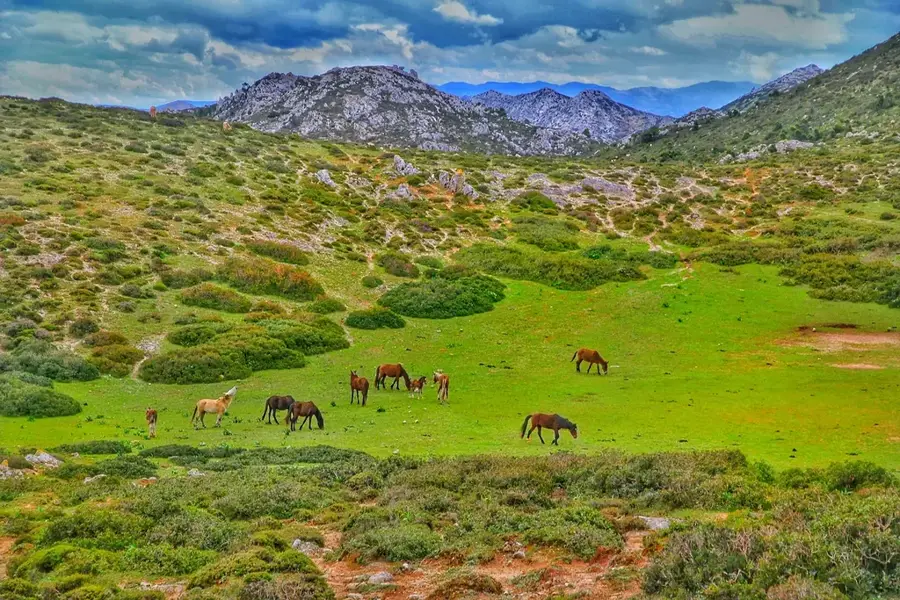
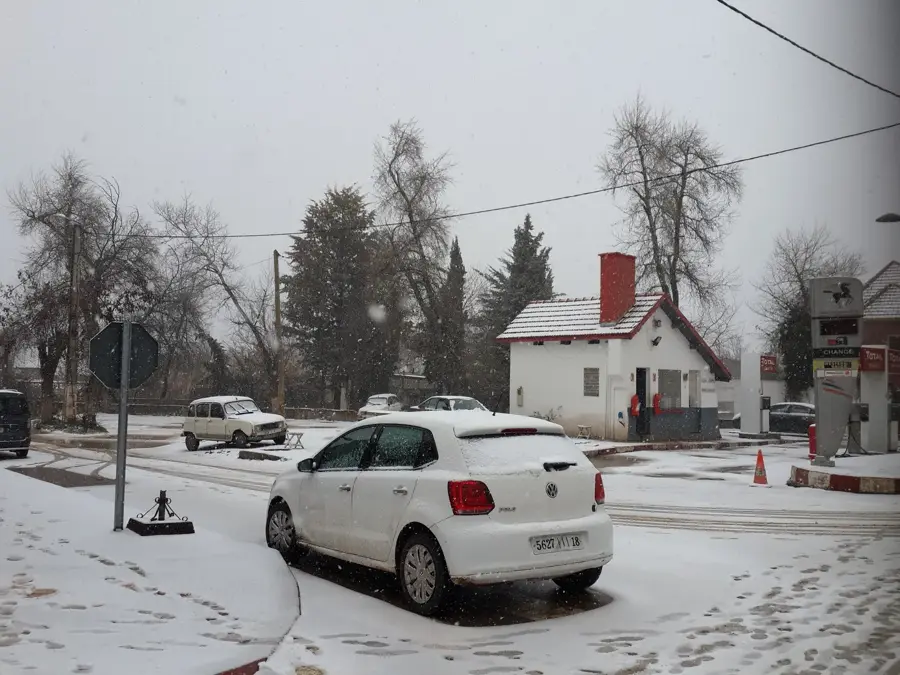
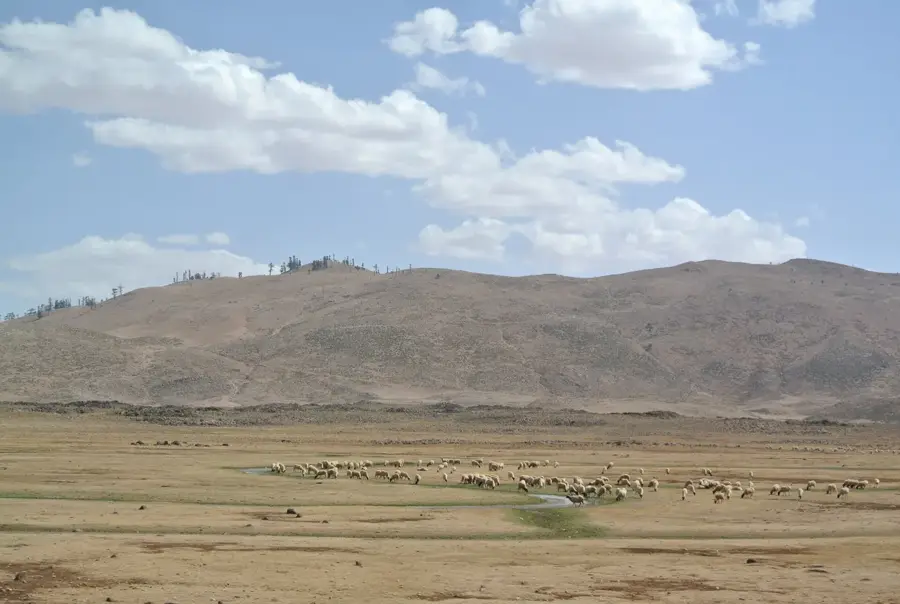
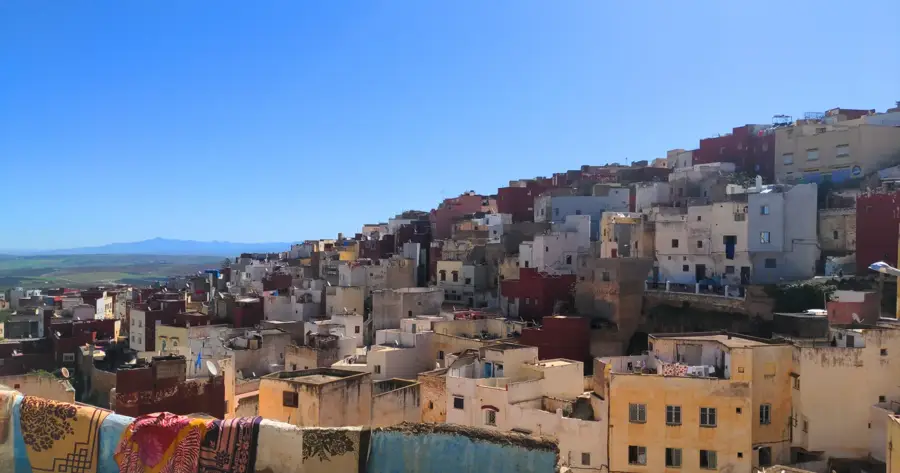
Azrou is a prominent town in the Middle Atlas Mountains, situated at an altitude of approximately 1,250 meters, renowned for its volcanic landscape and expansive cedar forests. Its name is derived from the Berber word for 'rock,' specifically referring to the large basalt monolith that overlooks the town's center. Historically, Azrou gained significance as a military outpost and educational hub; in 1927, the French established the prestigious Collège Berbère here to educate the regional elite. The surrounding area is part of the Ifrane National Park, home to the world's largest concentration of Atlas cedars and a vital sanctuary for the endangered Barbary macaques. The town's climate is characterized by cold, snowy winters and mild summers, making it a popular destination for nature enthusiasts and mountain hikers. Local economic life revolves around forestry, sheep farming, and traditional crafts, particularly cedar wood carving and the production of hand-knotted Berber carpets. Azrou serves as a critical transit point connecting the northern cities of Fez and Meknes with the Tafilalet oases to the south.
- Location: Morocco
- Top sights: Ifrane National Park · Musée Régional Berbère
- Nearby: Ifrane (16 km)
- Population: ~59.348 (2024)
Best time to visit & climate
The most pleasant time to visit is Jun, Jul, Sep.
| Jan | Feb | Mar | Apr | May | Jun | Jul | Aug | Sep | Oct | Nov | Dec | |
|---|---|---|---|---|---|---|---|---|---|---|---|---|
| Avg °C | 5 | 6 | 9 | 12 | 16 | 21 | 25 | 26 | 21 | 16 | 9 | 7 |
| Rain mm | 90 | 82 | 92 | 75 | 47 | 13 | 6 | 17 | 33 | 71 | 107 | 87 |
Geography
Facts
- Azrou stands at an elevation of 1,250 meters in the Middle Atlas range.
- The city's name comes from the Berber word for the basalt rock in its center.
- The famous Berber College was established in Azrou in 1927.
- The nearby Gouraud Cedar is estimated to be over 800 years old.
- Azrou is a major hub for the production of hand-carved cedar furniture.
- The weekly souk held every Tuesday attracts traders from across the mountains.
Explore nearby
Notable places around
Route planner — Car & Motorhome
Where do you start? We build the route here, with stops and country notes along the way.
© OpenStreetMap contributors · OpenRouteService
Sights in the town Azrou (2)
Frequently asked questions
What is the main attraction of Azrou?
What does 'Azrou' mean?
Are there hiking opportunities?
Is it cold in Azrou in winter?
What craft is typical there?
Azrou: where is it located?
Azrou: what is there to see?
Azrou: when is the best time to visit?
Azrou: why is it worth visiting?

Nearby cities
History & landmarks
More places