Plizio Visual Lab
Sefrou
ℹ️Practical info — Sefrou
▾
🌤 Weather — 5 days
📍 Nearby
Sights nearby
💡 Tips
- If you visit in June, don't miss the Cherry Festival, which is UNESCO-recognized.
- The medina is smaller and much less chaotic than nearby Fes, making it first-rate for relaxed exploring.
- The river cuts right through the medina; use the small bridges to navigate.
- Be prepared for steep alleys; comfortable walking shoes are essential when exploring beyond the river.
🍽 Food
If visiting in early summer, the streets of the medina are filled with locally grown, sweet cherries.
The local bread baked in traditional communal ovens; buy it warm in the morning from medina bakeries.
A thick fava bean or split pea soup drizzled with olive oil, a hearty local breakfast served at small food stalls.
🛍 Shopping · 🧘 Quiet spots
Sefrou is renowned for the artisan women who hand-weave intricate silk buttons in the medina.
Beautiful, durable blankets and rugs can be found in the small textile shops dotted around the old town.
Cascades of Sefrou located just outside the medina; a lush, green spot favored by locals for weekend picnics.
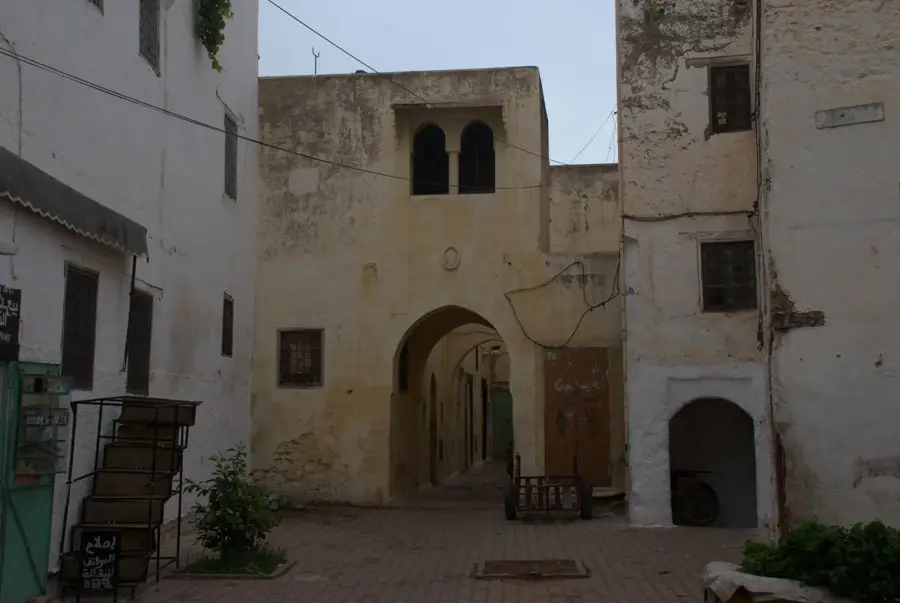
The historic Jewish quarter in the medina is quiet, atmospheric, and full of distinctive wooden balconies.
Climb this gentle hill featuring a shrine for a peaceful, panoramic view over Sefrou and the plains.
Water temperature…
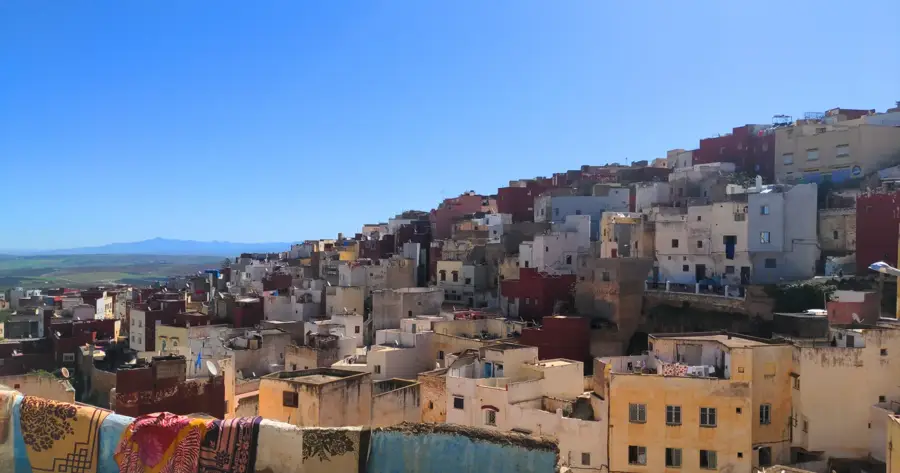
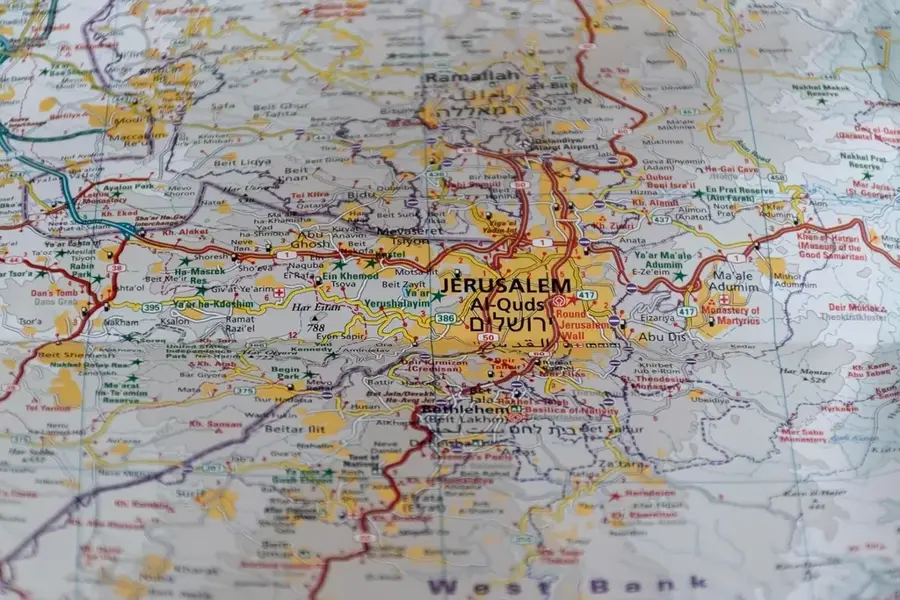
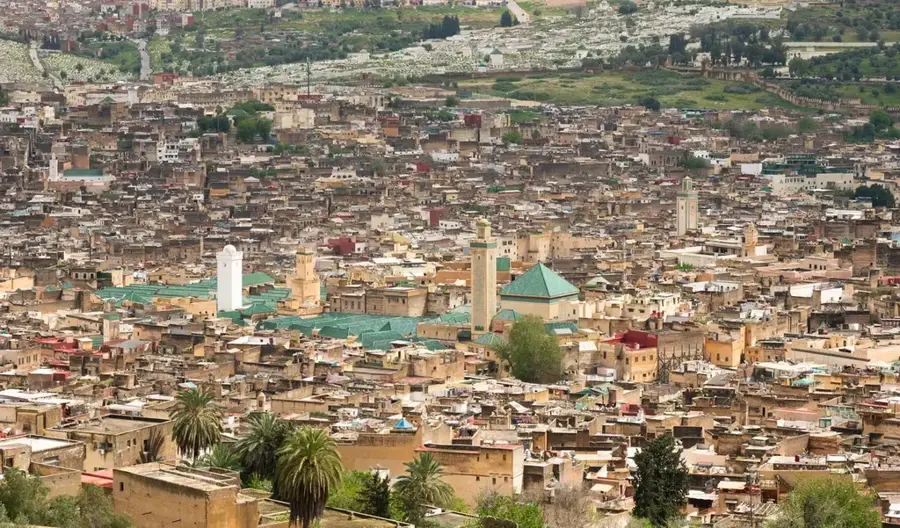
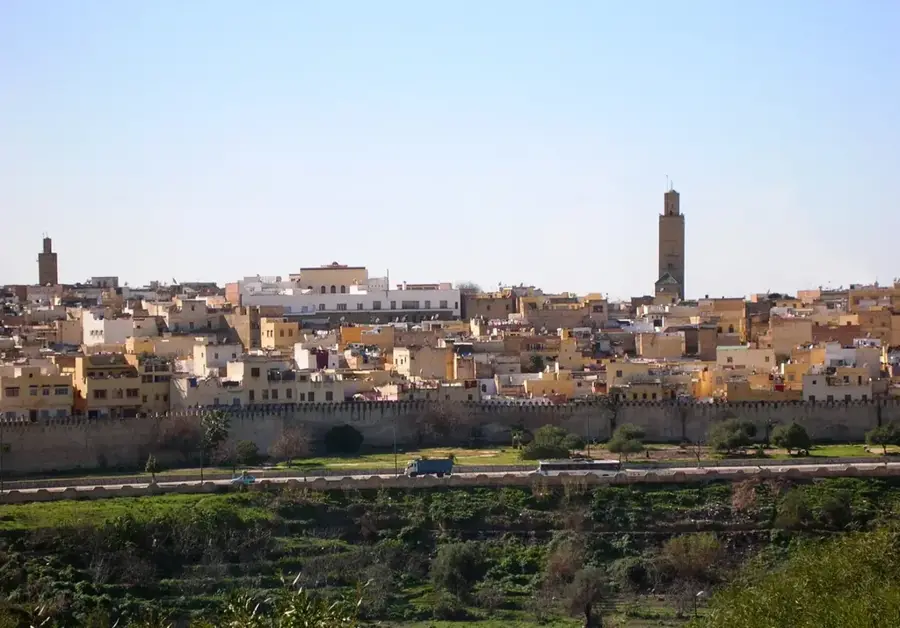
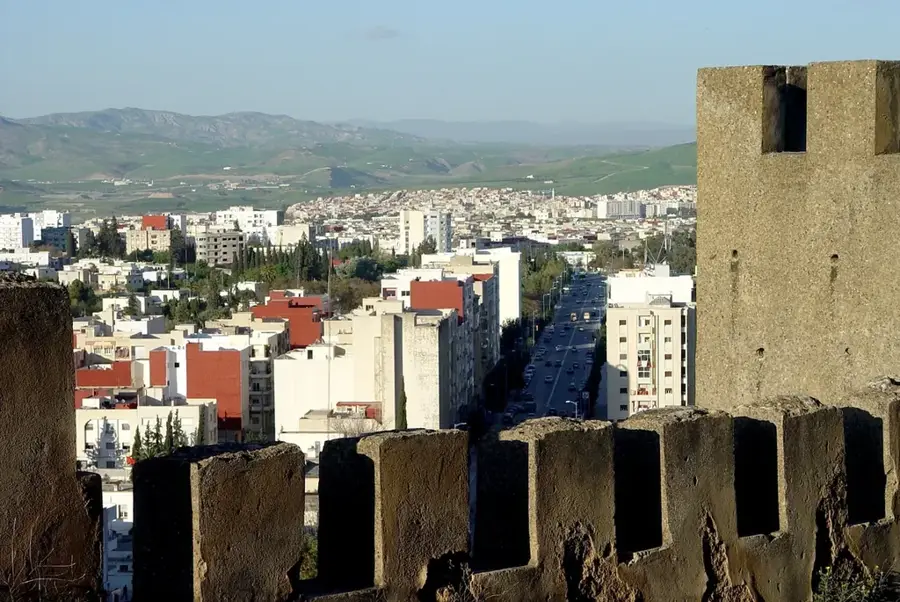
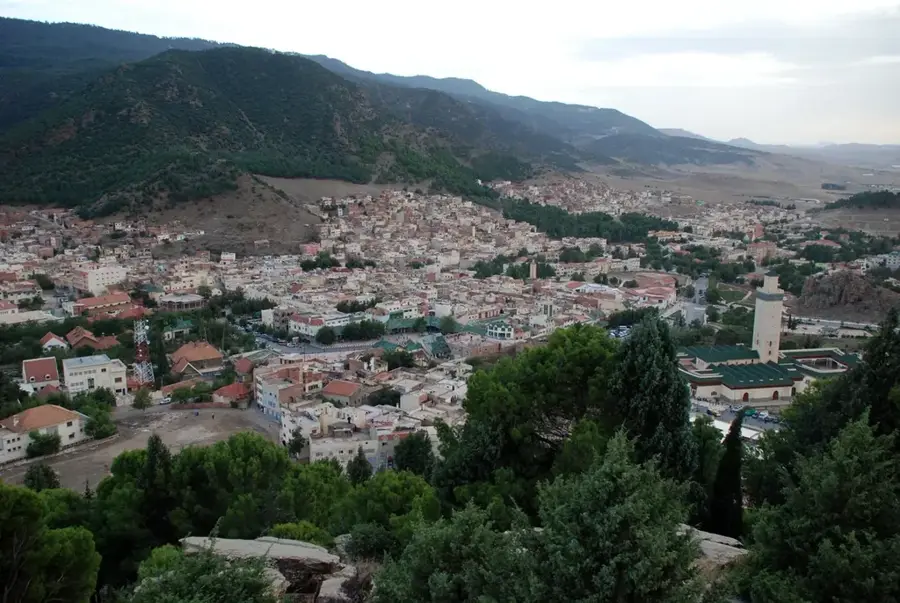
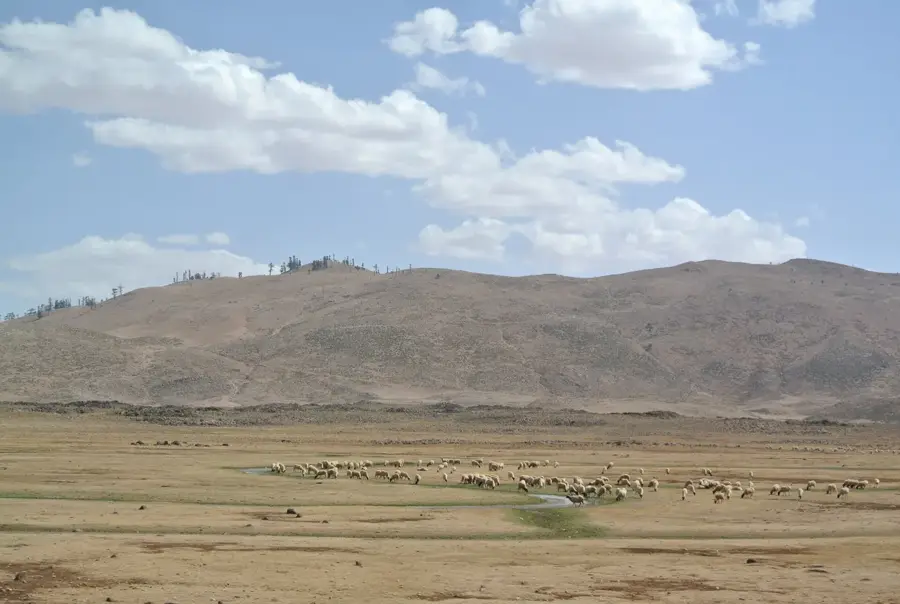
Sefrou is located about 28 kilometers southeast of Fez at the foot of the Middle Atlas Mountains, standing as one of Morocco's oldest cities. It is historically celebrated for its religious pluralism, having been home to a significant Jewish community for centuries, which earned it the moniker 'Little Jerusalem.' The medina of Sefrou is uniquely bisected by the Oued Aggai river, creating a landscape of small bridges and lush gardens within the urban fabric. Historically, Sefrou served as a major commercial crossroads for caravans traveling between the Mediterranean and sub-Saharan Africa. The city is world-renowned for its Cherry Festival, which has been held annually since 1920 and is recognized by UNESCO as part of the Intangible Cultural Heritage of Humanity. Nearby, the Cascades de Sefrou provide a natural attraction that highlights the region's abundant water resources. The architecture of the city reflects a blend of Berber and Andalusian influences, particularly evident in the wooden balconies of the Mellah district. Today, Sefrou is a vital agricultural center, primarily known for its fruit production and its role as a market town for the surrounding highlands.
- Location: Morocco
- Nearby: Imouzzer Kandar (20 km)
- Population: ~87.234 (2024)
Best time to visit & climate
The most pleasant time to visit is May, Jun, Oct.
| Jan | Feb | Mar | Apr | May | Jun | Jul | Aug | Sep | Oct | Nov | Dec | |
|---|---|---|---|---|---|---|---|---|---|---|---|---|
| Avg °C | 10 | 11 | 14 | 16 | 20 | 25 | 29 | 29 | 25 | 21 | 14 | 11 |
| Rain mm | 95 | 86 | 94 | 72 | 38 | 9 | 3 | 9 | 24 | 74 | 116 | 94 |
Geography
Facts
- Sefrou was founded in the 7th century, predating the nearby city of Fez.
- The Cherry Festival started in 1920 and is the oldest festival in Morocco.
- UNESCO inscribed the Cherry Festival on its Intangible Heritage list in 2012.
- The Oued Aggai river provides natural irrigation to the city's vast orchards.
- The city sits at an elevation of 850 meters above sea level.
- Historically, Sefrou was a key stop on the trans-Saharan caravan route.
Explore nearby
Notable places around
Route planner — Car & Motorhome
Where do you start? We build the route here, with stops and country notes along the way.
© OpenStreetMap contributors · OpenRouteService
Sights in the town Sefrou (1)
Frequently asked questions
How much time should I spend in Sefrou?
What is the best time to visit Sefrou?
Is Sefrou family-friendly?
What is the best way to get to Sefrou?
What local food should I try?
Sefrou: where is it located?
Sefrou: when is the best time to visit?
Sefrou: why is it worth visiting?

Nearby cities
History & landmarks
More places