
Plizio Visual Lab

Žuta Greda

Plizio editorial teamData Sources
battlefield
—°10
Žuta Greda (Montenegro)

Weather…

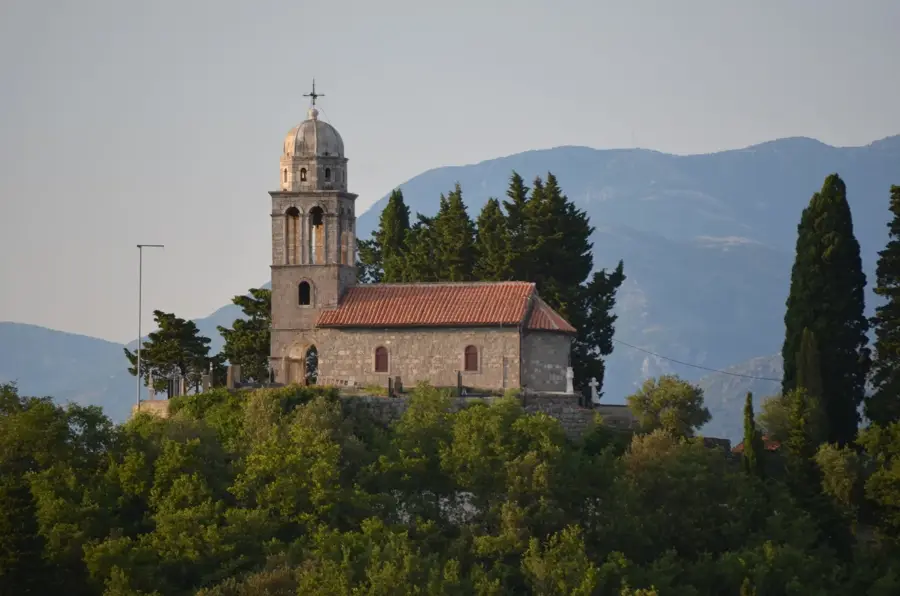
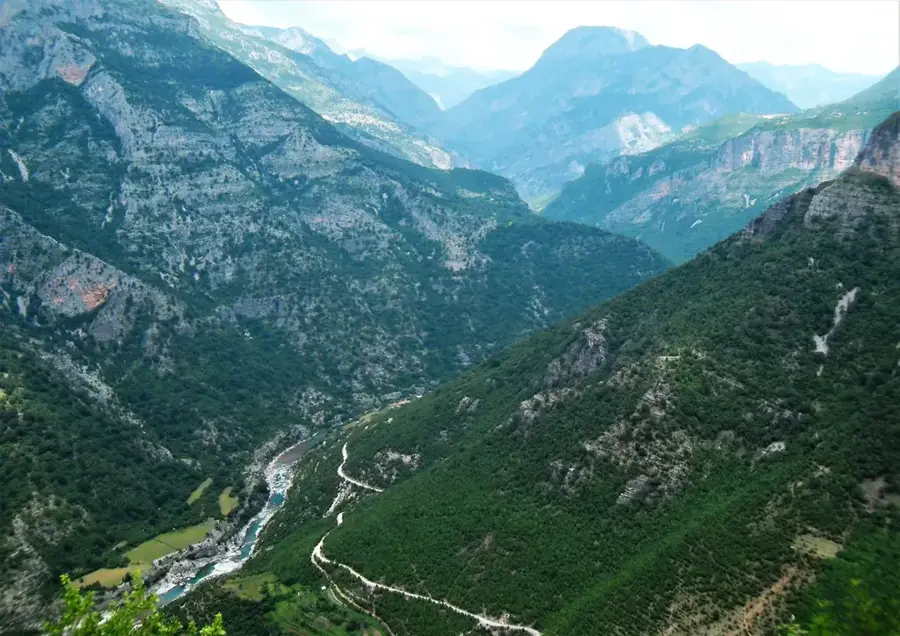
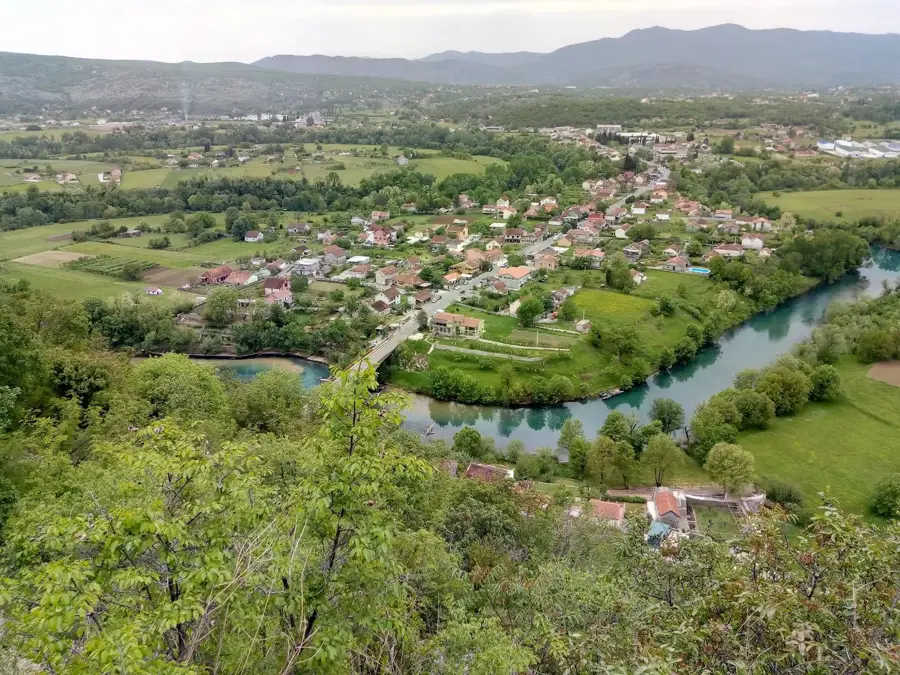
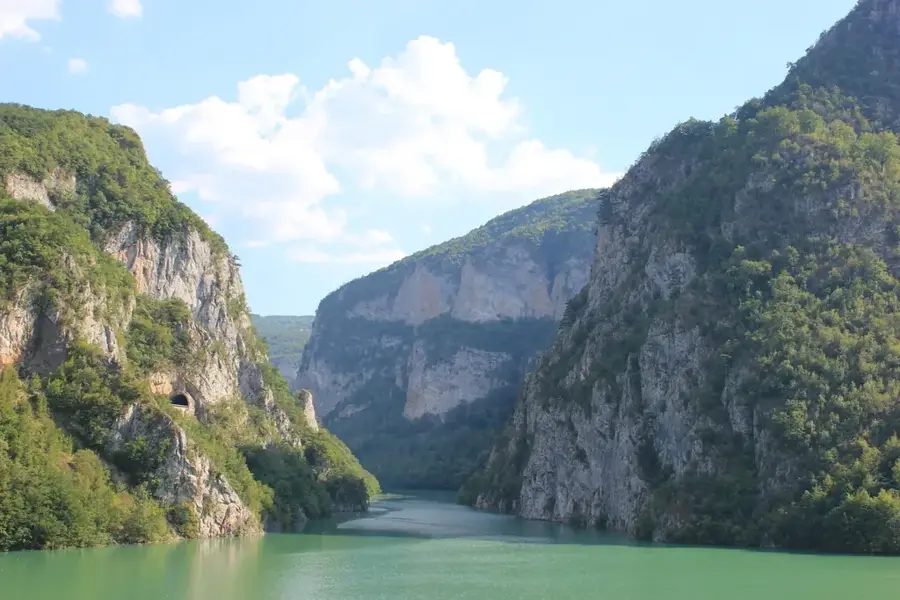
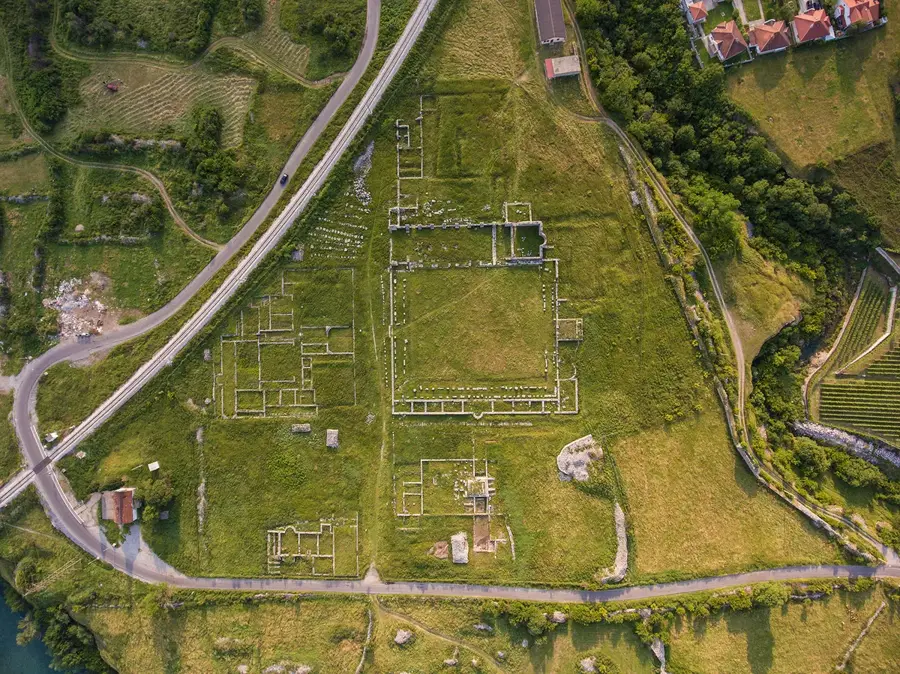
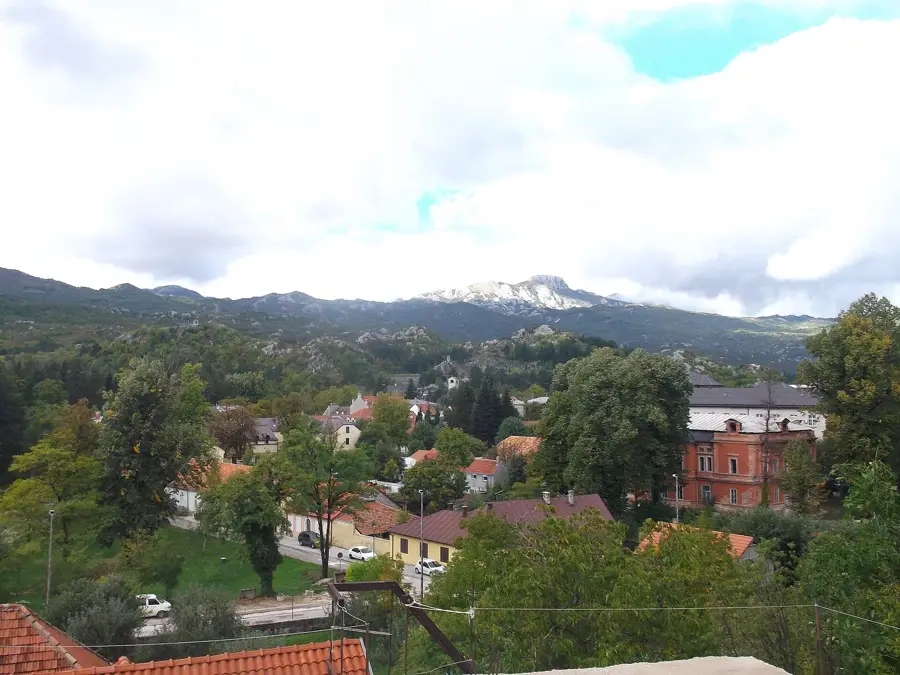
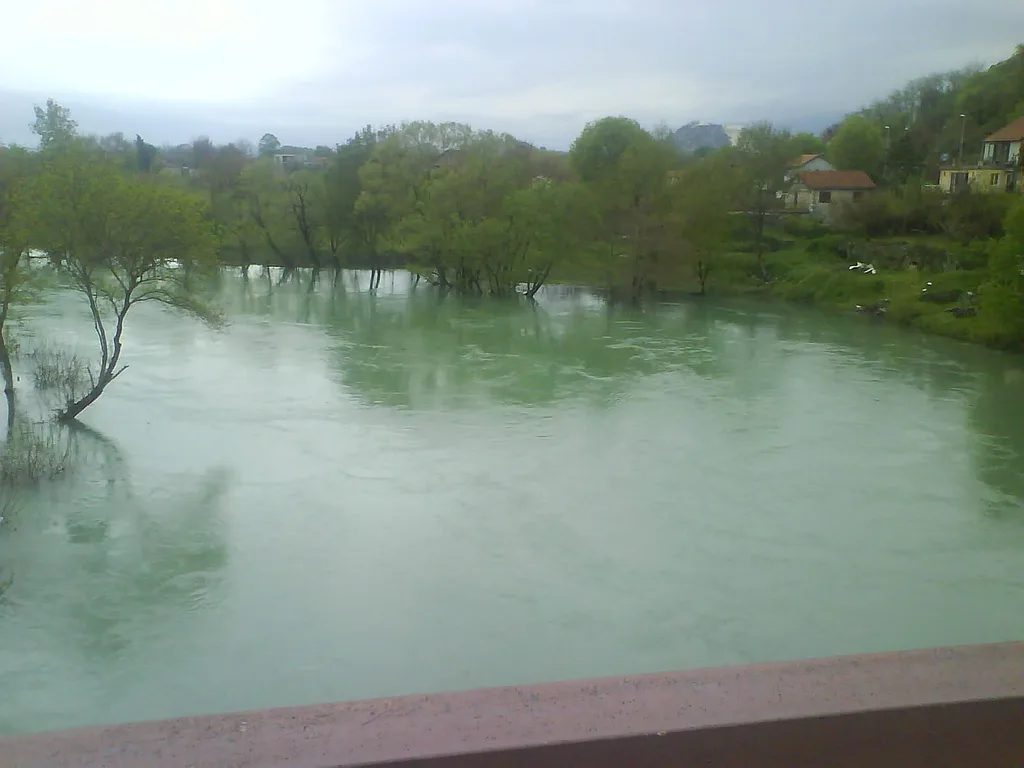
Žuta Greda is a historically significant site near Danilovgrad that played a pivotal role in 20th-century Montenegrin history. The location gained international prominence during the so-called 'Anti-bureaucratic Revolution' in October 1988, when it became the staging ground for massive worker protests against the communist leadership of the time. The forceful dispersal of these demonstrations by the police marked a turning point that ultimately led to a change in government and the rise of a new political generation in Montenegro. Beyond its modern political weight, the Žuta Greda area was also the site of significant clashes between partisans and occupying forces during World War II. Geographically, the area is known for its distinct yellow-hued limestone cliffs, from which its name (Yellow Beam) is derived. Today, the site stands as an important memorial to political transformation and social mobilization during the twilight of the Yugoslav era.

Best time to visit & climate

The most pleasant time to visit is Jun–Aug.

JanFebMarAprMayJunJulAugSepOctNovDec
Avg °C45812162024241914106
Rain mm15615213810389674243116138187178

📋 Practical info

🚪
Visiting
As an open-air historical battlefield and memorial site, the area is fully accessible to the public year-round without entry restrictions. Visitors can freely explore the natural terrain and pay their respects at any commemorative markers.
🕒
Typical hours
The natural landscape is open constantly, but visiting during clear daylight hours is strongly advised for safety and navigation. There is no artificial lighting along the trails, making evening visits impractical and unsafe.
📷
Photography
The rugged montenegrin landscape features compelling opportunities for nature and historical landscape photography. Capturing the memorial elements against the dramatic mountainous backdrop conveys the solemn history of the anti-fascist resistance.
⏱️
Time needed
A brief stop to view the memorial and reflect on the WWII history will take about twenty to thirty minutes. Those wishing to hike further along the surrounding historical paths should allocate a few hours.
Combine with
This historical excursion can be paired with exploring other dramatic natural landscapes or national parks in the mountainous regions of Montenegro. It adds a poignant historical dimension to a broader hiking itinerary in the country's interior.
🧭
Getting there
Reaching this rugged terrain generally requires a personal or rental vehicle suited for winding mountain roads. Visitors must then hike from the nearest parking spots, requiring sturdy walking shoes and physical preparedness.
💡
Insider tip
Before setting out, read up on the specifics of the local anti-fascist resistance movements to fully grasp the site's significance. Bring ample water and sun protection, as the high-altitude terrain is very exposed to the elements.

Geography

Coordinates
42.45600, 19.23100

Facts

  • The protests at Žuta Greda commenced on October 7, 1988.
  • The name is derived from the distinct yellow color of the local cliff formations.
  • Workers from the city of Nikšić were the primary participants in the 1988 protests.
  • The site is located along the strategic main road connecting Podgorica and Nikšić.
  • The events eventually forced the resignation of the Montenegrin leadership in 1989.
  • During World War II, this rugged terrain served as a critical hideout for partisan units.

Explore nearby

Notable places around

Route planner — Car & Motorhome

Where do you start? We build the route here, with stops and country notes along the way.

Vehicle
Only stops with (optional):

© OpenStreetMap contributors · OpenRouteService

Sights in the town Žuta Greda (10)

Photo gallery f64

Photo gallery in Podgorica with rotating exhibitions of contemporary photography.

🕒 Mo-Sa 08:00-22:00

Cathedral of the Resurrection of Christ

Serbian Orthodox cathedral in Podgorica, large church with domes.

Murano Emporio

Gallery featuring art and design objects, exhibition space in Podgorica.

🕒 Mo-Sa 12:00-19:00

Crvena stijena

Historic fortress on a rock, remains of walls and towers.

Centar savremene umjetnosti CG

Centre for contemporary art in Podgorica, temporary exhibitions and events.

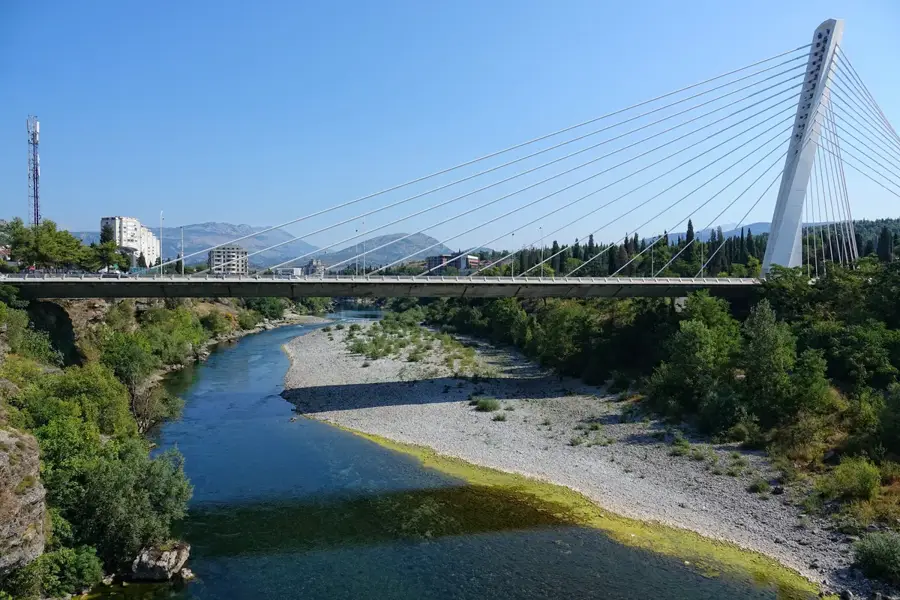
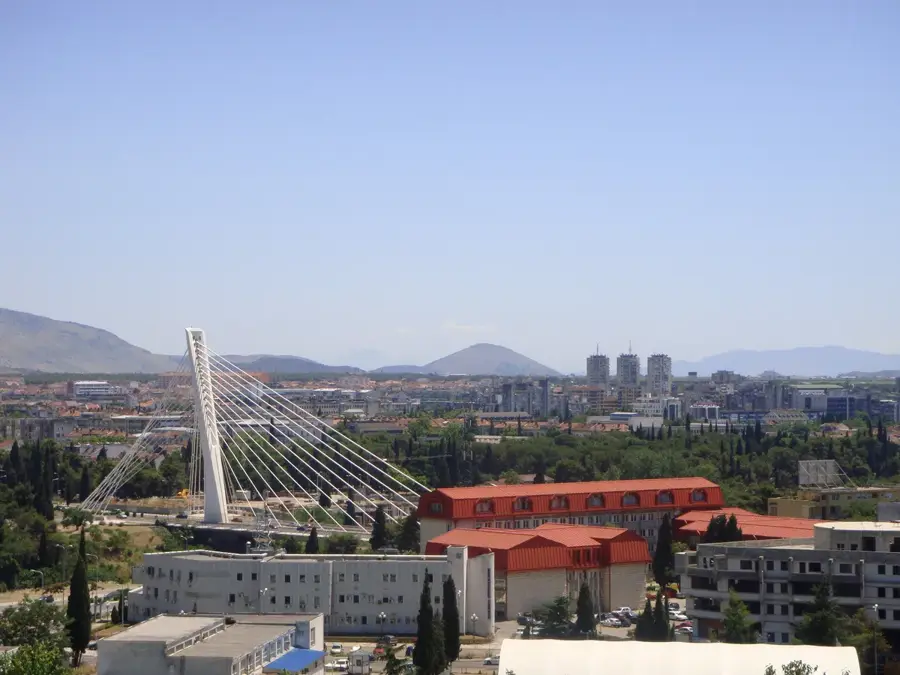
Millennium Bridge

Cable-stayed bridge over the Morača river in Podgorica, for pedestrians and vehicles.

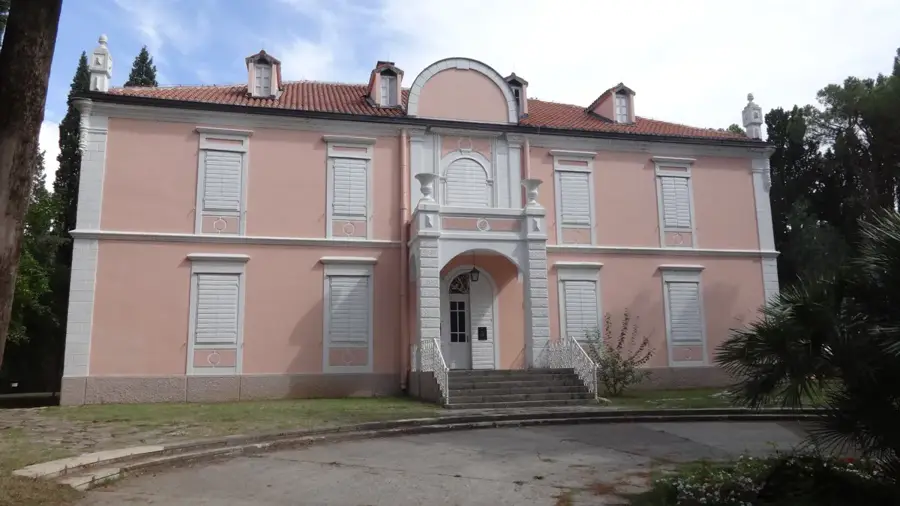
Dvorac Kralja Nikole

Former royal palace in Podgorica, historic building with a park.

Plaža Labud

Beach at Lake Skadar, shallow water and grassy sunbathing area.

Njegošev park🌳 park

City park in Podgorica with trees, benches and walking paths.

Plaža Sastavci

Pebble beach on the Morača river, suitable for swimming and sunbathing.

Sights nearby

Frequently asked questions

What is Žuta Greda?
A historic battlefield known for events during the 1989 Anti-Bureaucratic Revolution.
Where is this place located?
It is located on the road between Danilovgrad and Nikšić in Montenegro.
Is there a monument there?
Yes, there are commemorative plaques remembering the historic protests and struggles.
When should one visit Žuta Greda?
Accessible year-round, best during clear weather for views of the Zeta Valley.
Is the place suitable for hikers?
It is more of a historic roadside stop, but the surrounding area has hiking trails.
Žuta Greda: where is it located?
Žuta Greda is located in Montenegro.
Žuta Greda: what is there to see?
Highlights include Photo gallery f64, Cathedral of the Resurrection of Christ, Murano Emporio.
Žuta Greda: when is the best time to visit?
The most pleasant time to visit is Jun, Aug.
Žuta Greda: why is it worth visiting?
Žuta Greda is a historically significant site near Danilovgrad that played a pivotal role in 20th-century Montenegrin history.
View on map → The Top 50 Attractions → OpenStreetMap →
Europe
Explore with Plizio Discover more places in Europe
More places in Montenegro →

Nearby cities

History & landmarks

More places