Plizio Visual Lab
St. Tryphon Reliefs Kotor
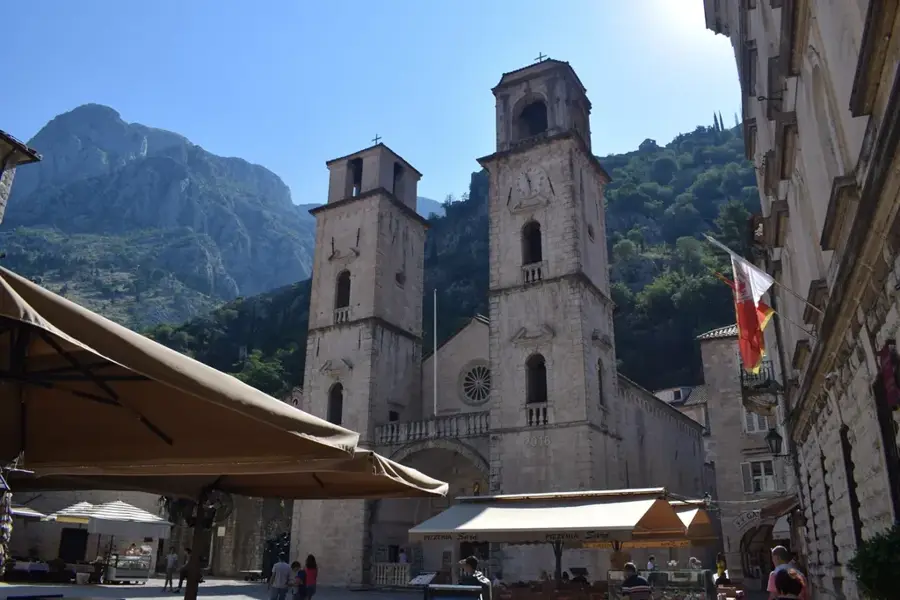
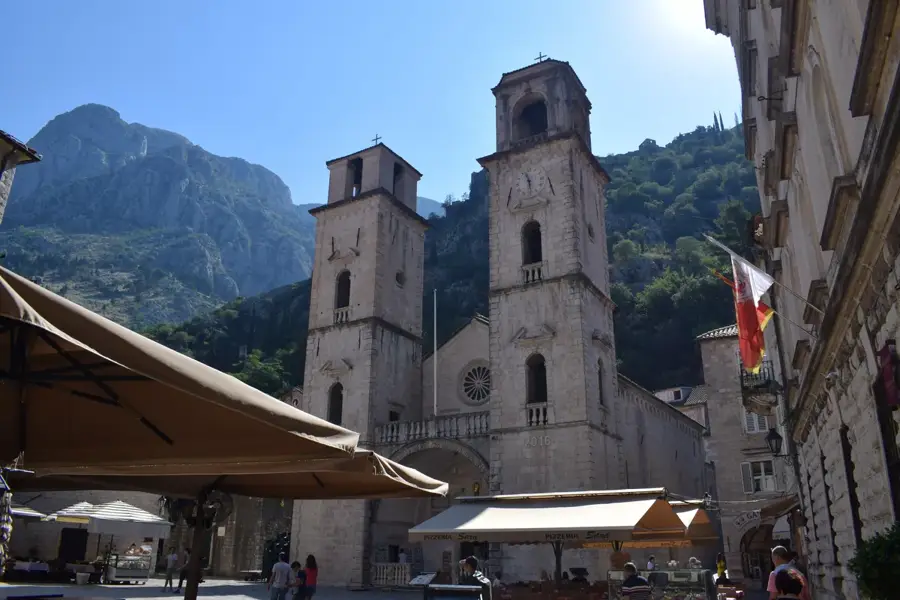
The reliefs of the Cathedral of Saint Tryphon in Kotor are among the most significant artistic treasures on the Adriatic coast, showcasing centuries of craftsmanship. While the cathedral was consecrated in 1166, many of its elaborate reliefs and altarpieces date back to the 14th and 15th centuries, representing the golden age of Kotor's silverwork. A central masterpiece is the golden altar screen (Pala d'oro), which features intricate silver-gilt reliefs depicting the life and miracles of Saint Tryphon. Above the altar stands the stone ciborium, a grand canopy adorned with Gothic reliefs that illustrate biblical scenes with remarkable precision. These carvings and metalworks reflect the town's prosperity and its connection to both Byzantine and Western European artistic traditions. The cathedral's treasury further houses numerous reliquaries with embossed reliefs, made from precious metals and adorned with gems. These historical artifacts have survived multiple earthquakes, including the catastrophic one in 1979, and have been meticulously restored. They remain a primary focus for pilgrims and art historians visiting the UNESCO-listed Old Town of Kotor.
- Location: Montenegro
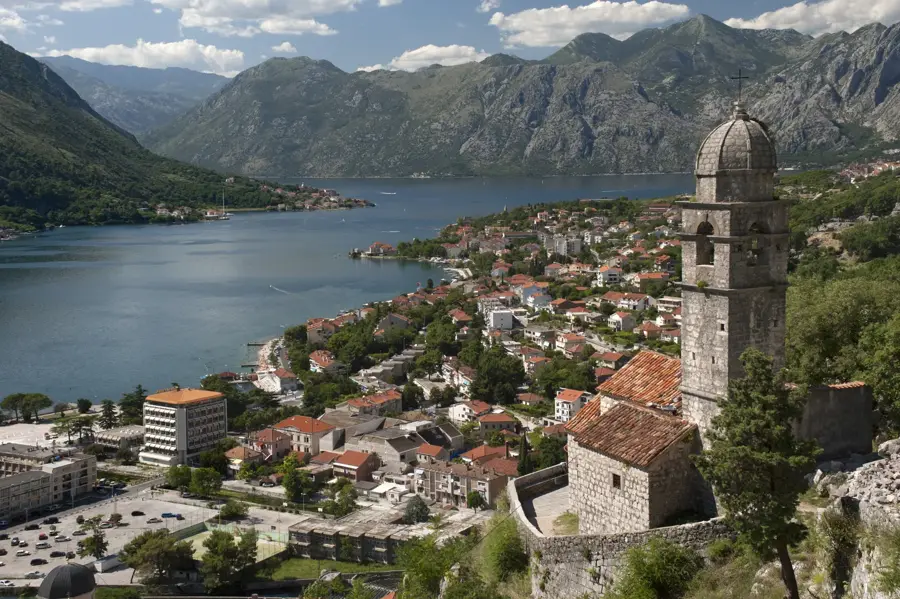
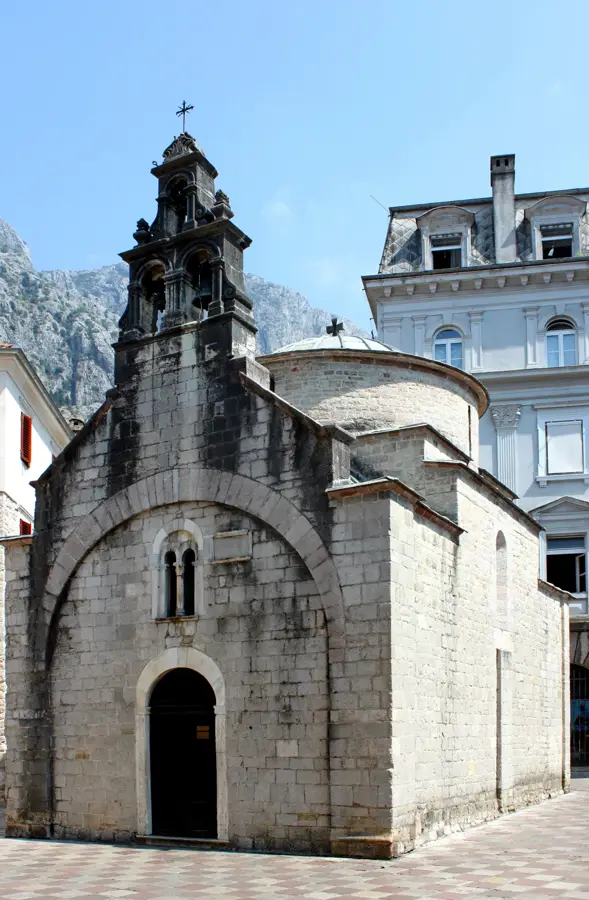
- Top sights: The Drago Palace · Church of St Paul · St. Tryphon Cathedral
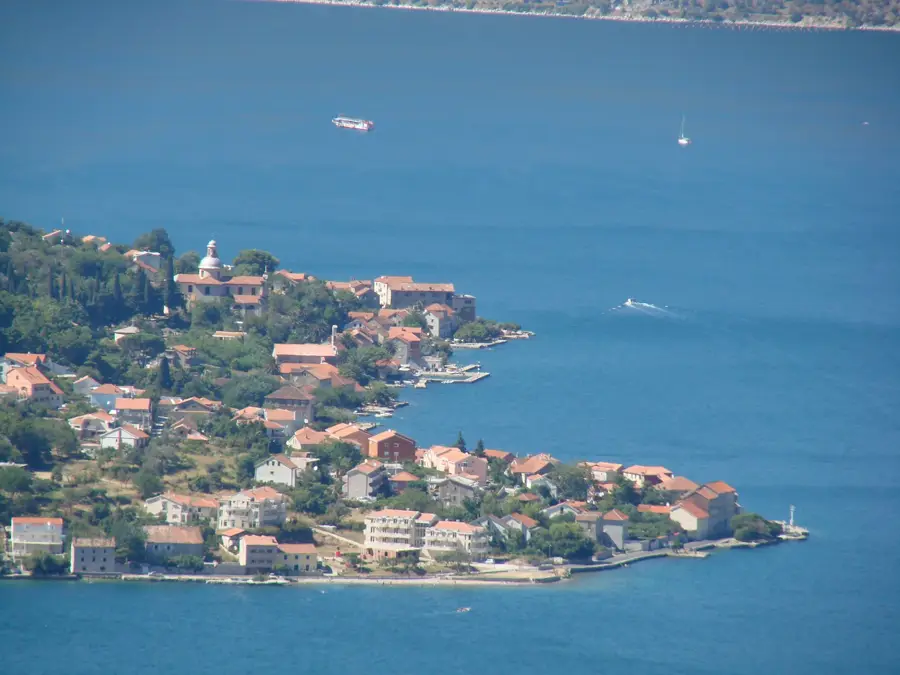
- Nearby: Prcanj (4 km)
Best time to visit & climate
The most pleasant time to visit is Jun–Aug.
| Jan | Feb | Mar | Apr | May | Jun | Jul | Aug | Sep | Oct | Nov | Dec | |
|---|---|---|---|---|---|---|---|---|---|---|---|---|
| Avg °C | 4 | 5 | 8 | 12 | 16 | 20 | 24 | 24 | 19 | 14 | 10 | 6 |
| Rain mm | 156 | 152 | 138 | 103 | 89 | 67 | 42 | 43 | 116 | 138 | 187 | 178 |
📋 Practical info
Geography
Facts
- The silver-gilt altar screen (Pala d'oro) was crafted between the 14th and 15th centuries.
- The stone ciborium above the main altar was completed in 1362.
- The reliefs depict various miracles attributed to Saint Tryphon, the city's protector.
- Kotor's goldsmith guild was one of the most respected in the Mediterranean.
- The cathedral was originally built in 1166 on the site of a 9th-century church.
- The treasury holds several 'arm' reliquaries featuring intricate embossed reliefs.
Explore nearby
Notable places around
Route planner — Car & Motorhome
Where do you start? We build the route here, with stops and country notes along the way.
© OpenStreetMap contributors · OpenRouteService
Sights in the town St. Tryphon Reliefs Kotor (10)
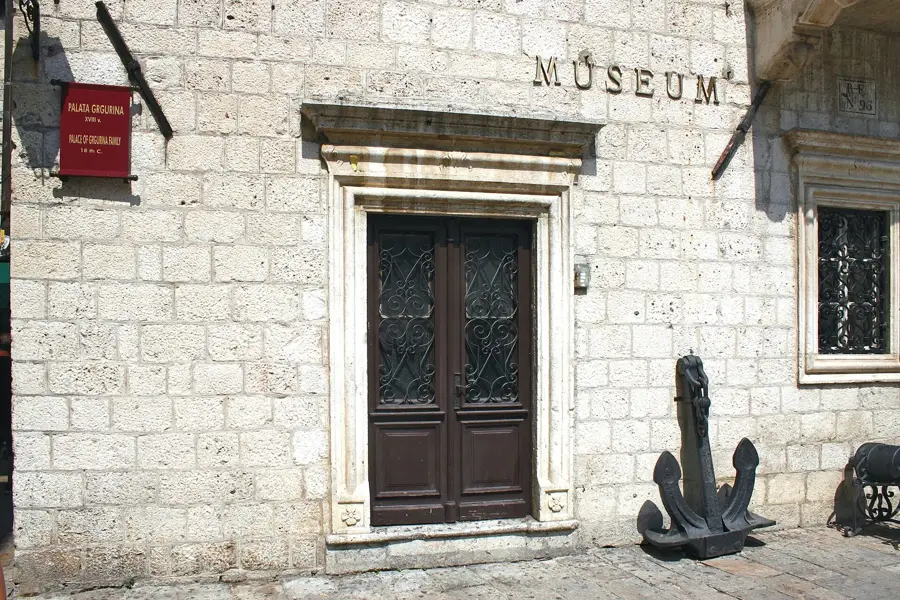
The Grgurina Palace🏰 castle
Palace of the noble Grgurina family in Kotor, built in the 18th century in Baroque style with stone balconies.
Karampana
Square in Kotor, known for its fountain and surrounding historic buildings.
St. Anna church
Church in Kotor, dedicated to Saint Anne, a small place of worship.
The Pima Palace🏰 castle
Palace in Kotor, built after the 1667 earthquake, Renaissance portal and balcony on consoles.
Galerija nives
Art gallery in Kotor, exhibiting works of contemporary artists.
Galerija Solidarnosti
Gallery in Kotor, with exhibitions focusing on social and cultural themes.
Sights nearby
Frequently asked questions
When were the cathedral reliefs created?
Is there an entrance fee for the cathedral?
Where are the most famous reliefs located?
Is photography allowed inside?
When is the cathedral open for visitors?
St. Tryphon Reliefs Kotor: where is it located?
St. Tryphon Reliefs Kotor: what is there to see?
St. Tryphon Reliefs Kotor: when is the best time to visit?
St. Tryphon Reliefs Kotor: why is it worth visiting?

Nearby cities

History & landmarks
Nature

More places