Plizio Visual Lab
Plaiul Fagului Reserve
Weather…
Water temperature…
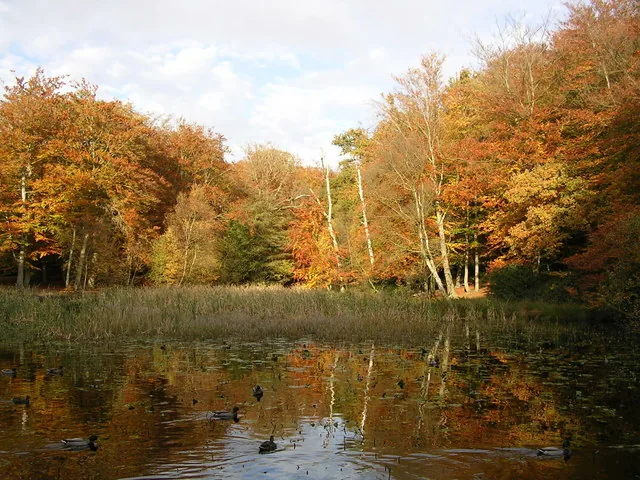
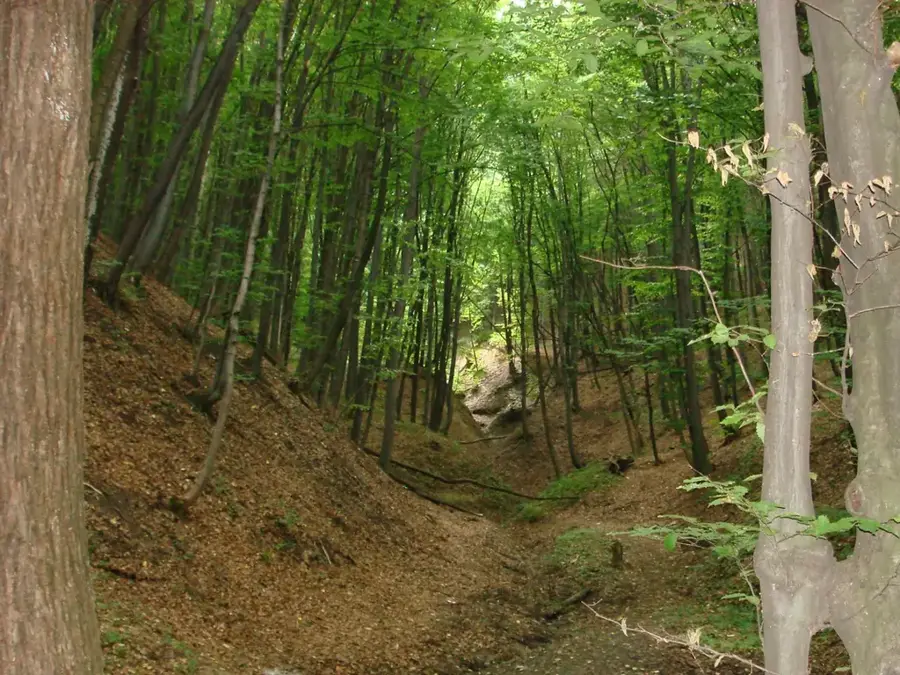
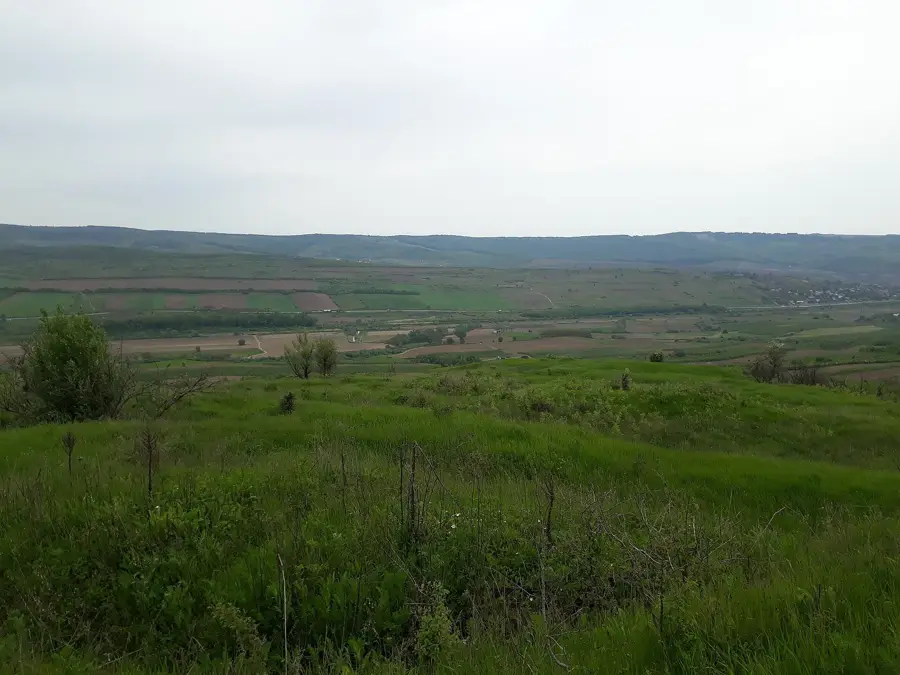
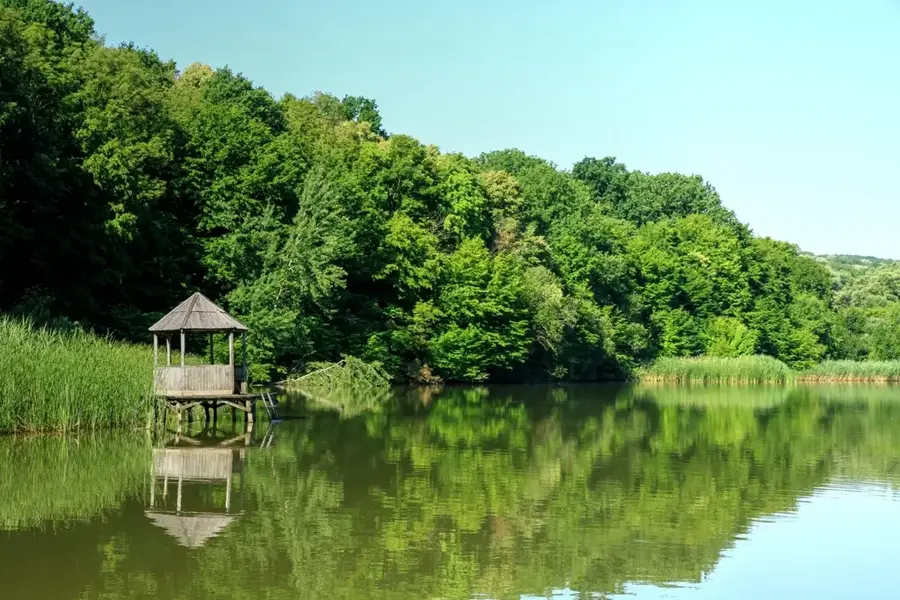
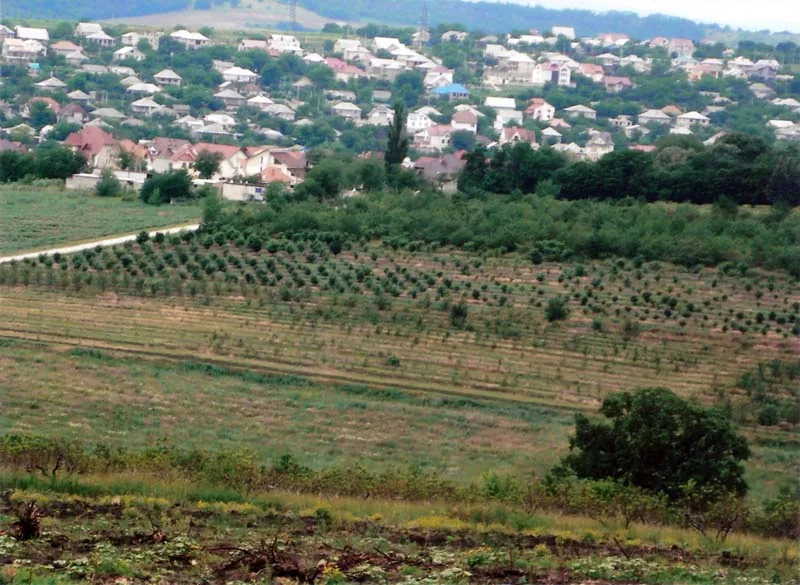
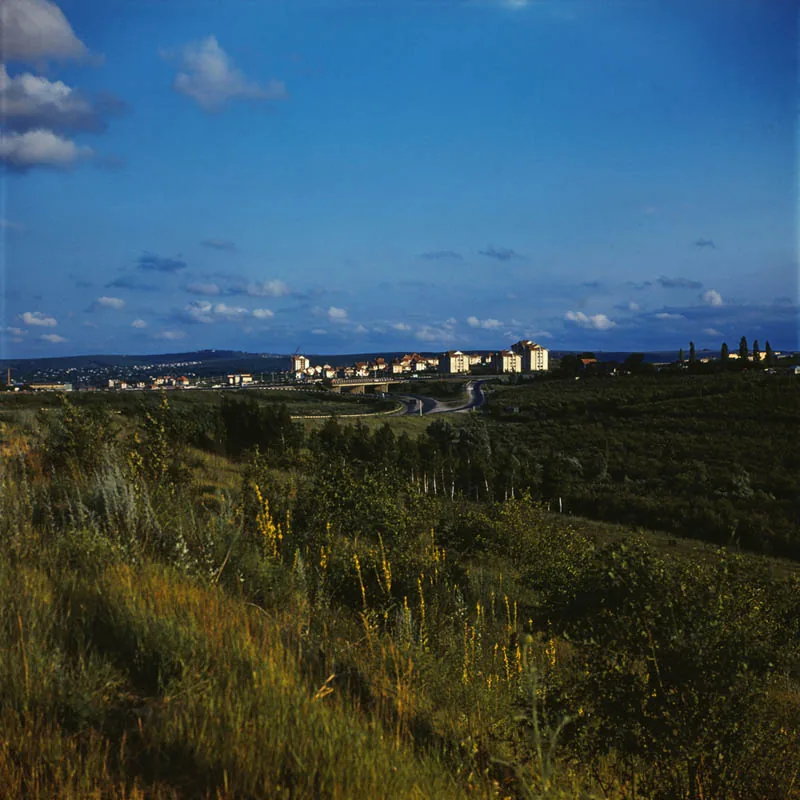
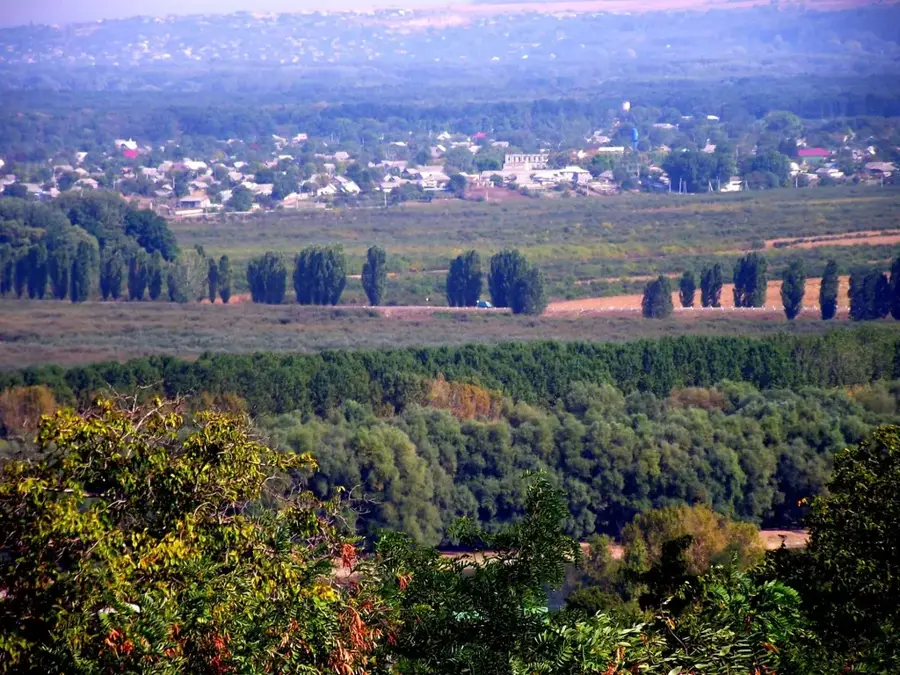
The Plaiul Fagului Reserve was established in 1991 from a former hunting ground and covers approximately 5,642 hectares in the Ungheni District. Its name means 'Land of the Beech', referring to the local beech forests that mark the easternmost limit of their natural distribution in Europe. The terrain is highly fragmented, characterized by steep slopes and numerous springs that feed the Bîc River. In addition to beech, the forest composition includes oak, ash, and wild cherry trees. The fauna features rare species such as the red deer, which has been successfully acclimated here, along with wild boars and roe deer. The reserve plays a crucial role in preserving the genetic diversity of Central European deciduous forests within Moldovan territory.
- Location: Moldova
- Nearby: Cornești (9 km)
Best time to visit & climate
The most pleasant time to visit is Jun, Aug, Sep.
| Jan | Feb | Mar | Apr | May | Jun | Jul | Aug | Sep | Oct | Nov | Dec | |
|---|---|---|---|---|---|---|---|---|---|---|---|---|
| Avg °C | -4 | -2 | 4 | 10 | 17 | 21 | 23 | 23 | 17 | 10 | 4 | -2 |
| Rain mm | 36 | 33 | 37 | 48 | 57 | 73 | 69 | 43 | 39 | 46 | 38 | 37 |
📋 Practical info
Geography
Facts
- Year of establishment: 1991
- Area: 5,642 hectares
- Easternmost limit of beech forests in Europe
- Home to over 900 plant species
- Presence of red deer (Cervus elaphus)
- Located in Ungheni District (near Rădenii Vechi)
Explore nearby
Notable places around
Route planner — Car & Motorhome
Where do you start? We build the route here, with stops and country notes along the way.
© OpenStreetMap contributors · OpenRouteService
Sights in the town Plaiul Fagului Reserve (1)
Sights nearby
Frequently asked questions
What does 'Plaiul Fagului' mean?
Where is the reserve located?
What rare plants can be found here?
Can you go hiking in the reserve?
Are there lakes there?
Plaiul Fagului Reserve: where is it located?
Plaiul Fagului Reserve: when is the best time to visit?
Plaiul Fagului Reserve: why is it worth visiting?
Nearby cities
History & landmarks
Nature
More places