Plizio Visual Lab

Tidjikja Old Quarter
Plizio editorial teamData Sources
Landmark
—°1
Tidjikja Old Quarter (Mauritania)

Weather…

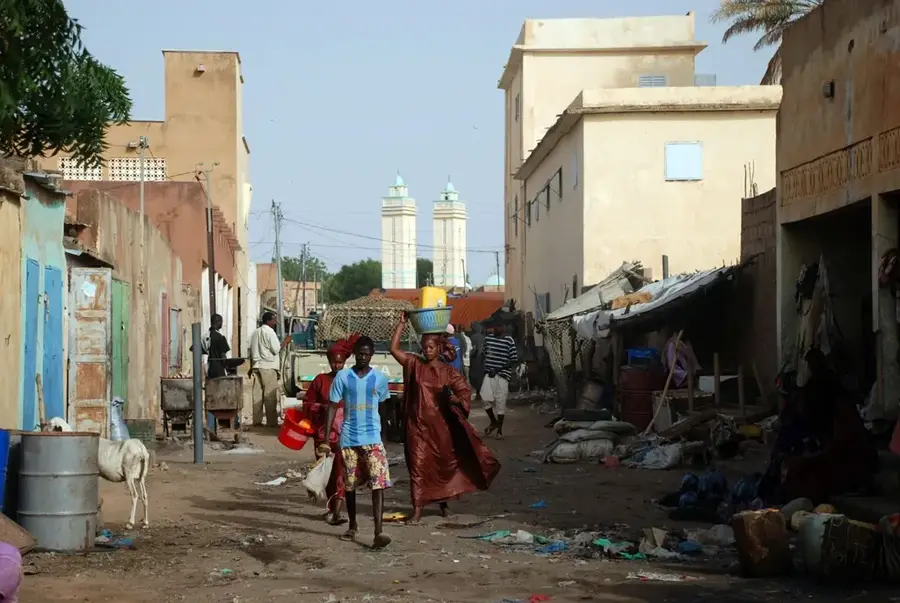
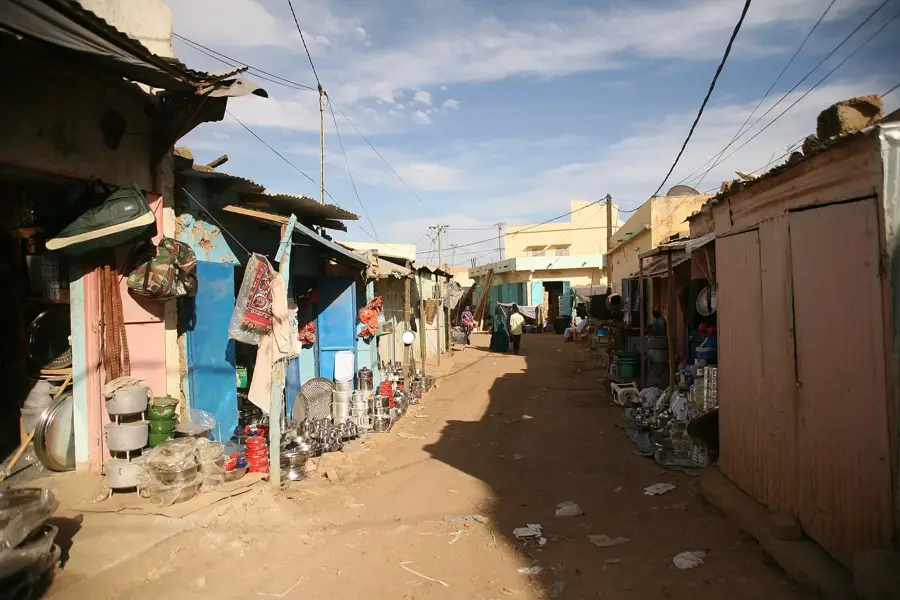
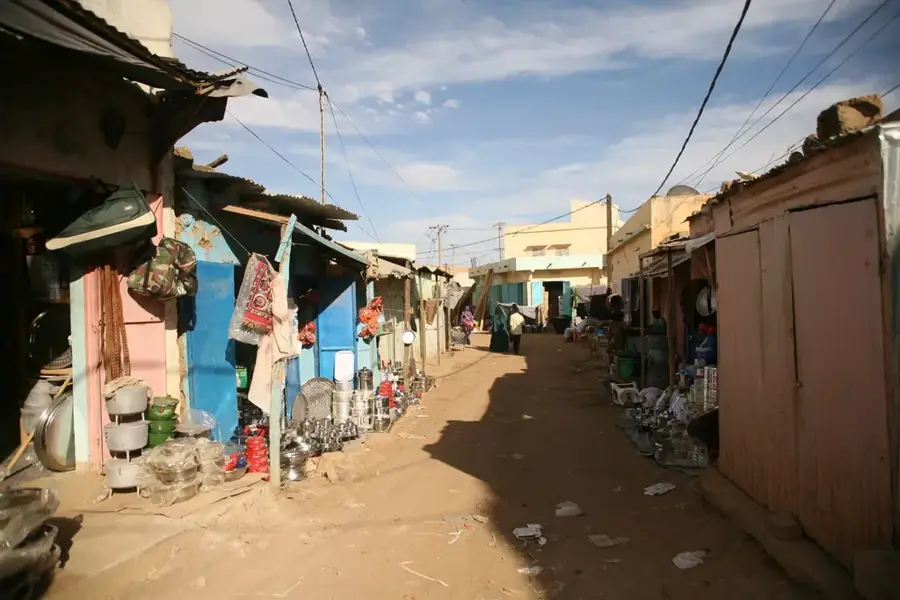
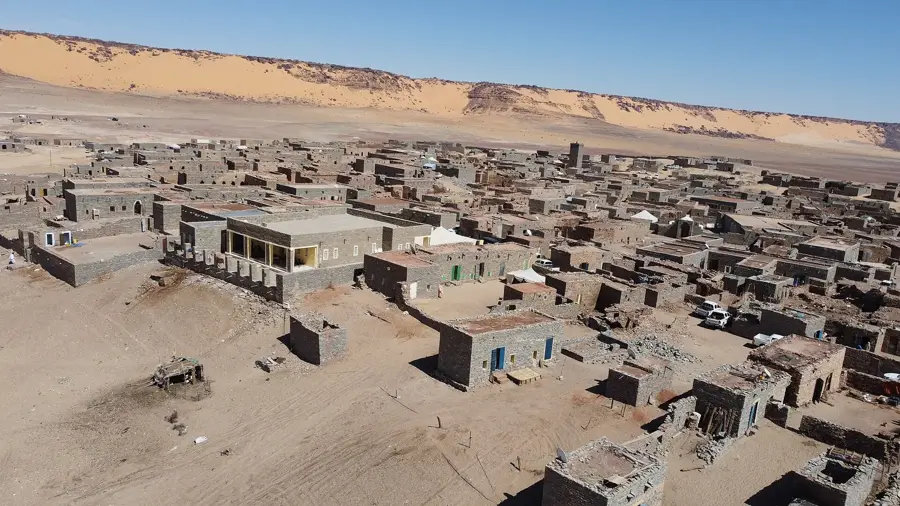
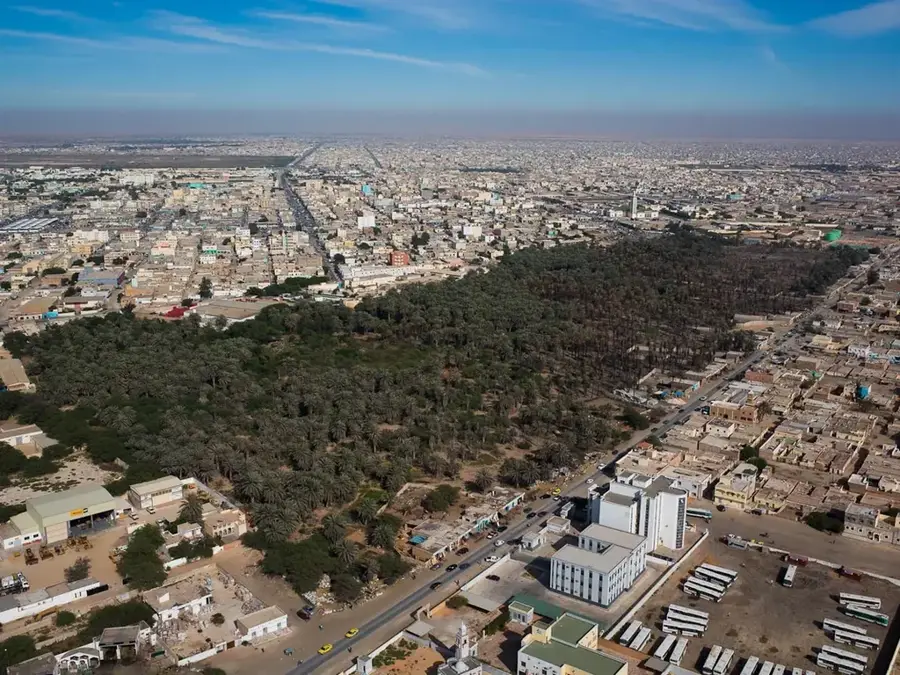
The Old Quarter of Tidjikja was established in 1660 by the Idawali people and remains one of the finest examples of dry-stone architecture on the Adrar Plateau. This historical district features a labyrinth of narrow alleys and houses built from local sandstone, designed to withstand the harsh Saharan environment while maintaining cool interior temperatures. Historically, it served as a vital hub for trans-Saharan trade caravans, connecting the northern regions with sub-Saharan Africa. The social history of the area is reflected in its communal layouts and the proximity of residential buildings to the lush date palm groves that define the oasis. Visitors can explore the remnants of ancient schools and mosques that once made Tidjikja a center of religious learning and trade excellence. Despite the encroaching desert sands, the quarter continues to illustrate the resilience and architectural ingenuity of the region's early settlers.

Best time to visit & climate

The most pleasant time to visit is Jan, Feb, Dec.

JanFebMarAprMayJunJulAugSepOctNovDec
Avg °C182125293234333131292420
Rain mm1171152464353110

📋 Practical info

🚪
Visiting
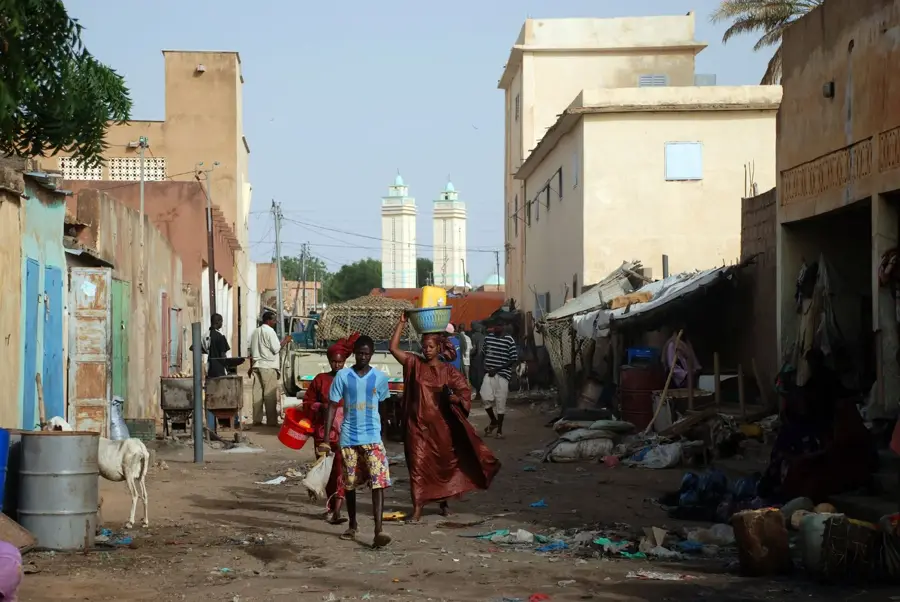
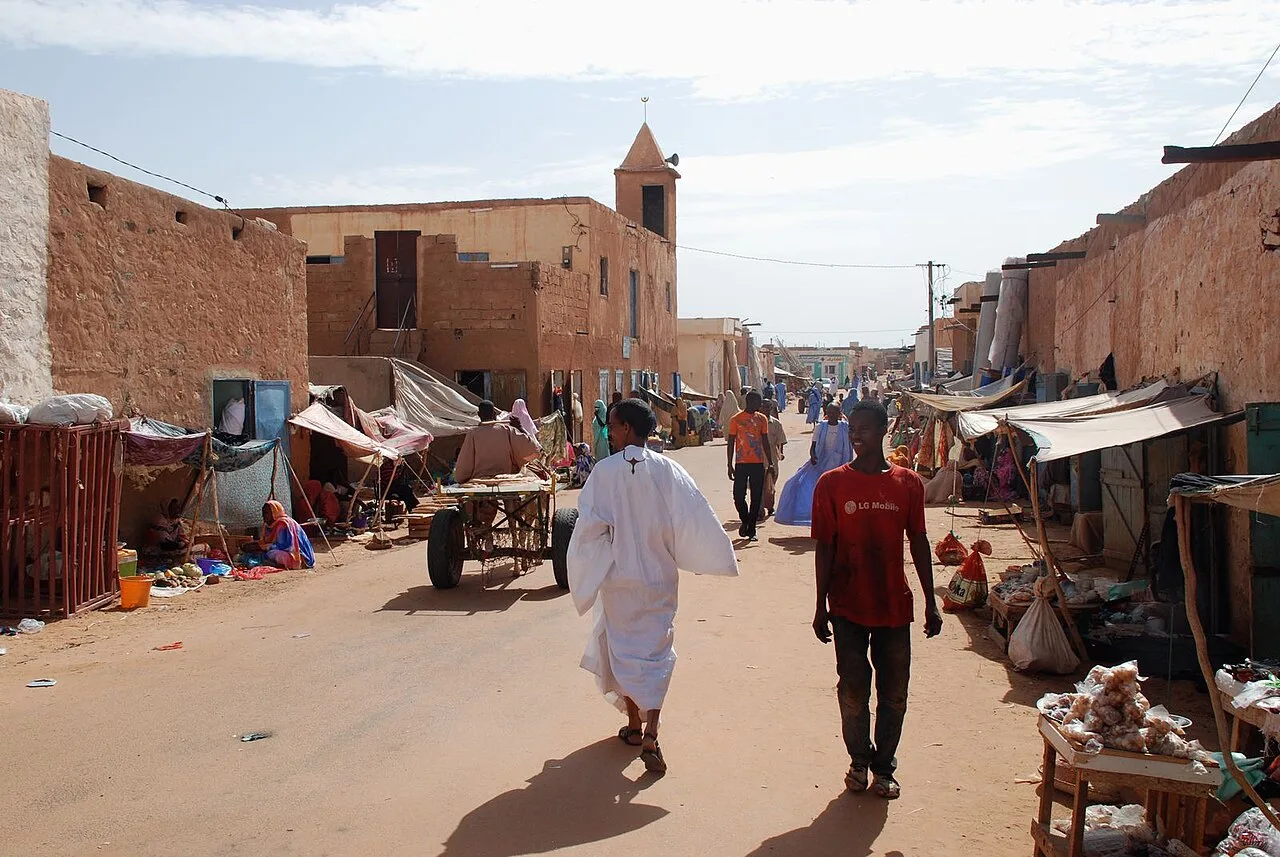
The old quarter functions as a living, open-air museum where visitors can freely wander the ancient streets and observe the unique architecture. While most historic houses are still privately inhabited, the overall layout effectively illustrates the region's rich social history.
🕒
Typical hours
The streets of this neighborhood are publicly accessible at all times, making daylight hours the safest and most visually rewarding time for exploration. Early mornings provide beautiful, soft lighting and cooler temperatures, which are well-suited for a long, unhurried walk.
📷
Photography
Capturing the authentic atmosphere, detailed mud-brick walls, and ornate doors is highly encouraged and yields fantastic architectural shots. However, be extremely mindful of the residents' privacy; refrain from taking pictures into open doorways or of people without consent.
⏱️
Time needed
To thoroughly appreciate the intricate layout, distinctive architectural elements, and historical ambiance, plan to spend at least one to two hours wandering. Getting pleasantly lost in the labyrinthine alleys is part of the experience, so do not rush your unguided tour.
Combine with
The exploration of the old town seamlessly links up with a visit to the historic Tidjikja Mosque situated within the same architectural complex. Afterwards, you might also find small local markets nearby where you can observe daily life and purchase regional goods.
🧭
Getting there
The quarter is strictly a pedestrian-friendly zone, characterized by uneven paths and soft sand that are entirely unsuitable for regular vehicles. Visitors should approach the area's perimeter by car and then continue the entire exploration by foot, wearing comfortable shoes.
💡
Insider tip
Engaging a local resident to act as an informal guide can immensely enhance your understanding of the specific building techniques and the area's social fabric. Having plenty of drinking water is crucial, as shaded resting spots can be quite rare during midday.

Geography

Coordinates
18.55000, -11.43000

Facts

  • Founded in the 17th century
  • Population: approximately 2,000
  • Houses built of mud brick with palm roofs
  • Restoration began in 2005
  • 19th-century French fort
  • Annual cultural festival since 2010

Explore nearby

Notable places around
Route planner — Car & Motorhome

Where do you start? We build the route here, with stops and country notes along the way.

Vehicle
Only stops with (optional):

© OpenStreetMap contributors · OpenRouteService

Sights in the town Tidjikja Old Quarter (1)

Tidjikja📍 landmark

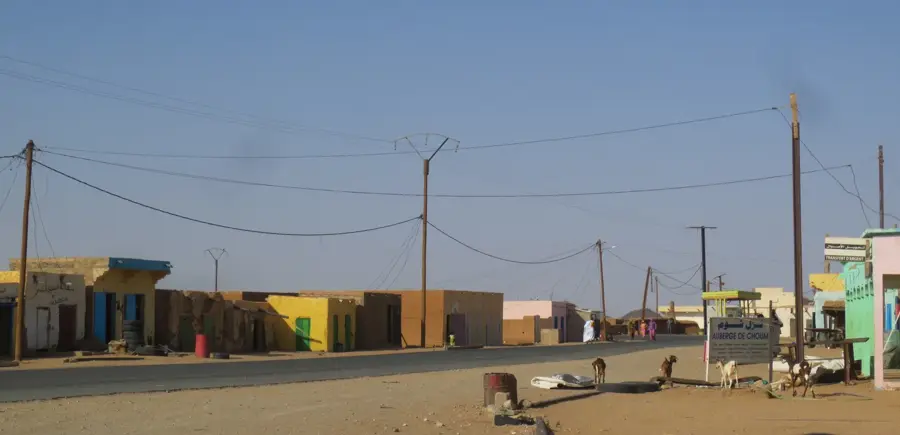
The old quarter of Tidjikja features traditional mud-brick architecture and narrow lanes in the desert town.

Sights nearby

Frequently asked questions

Is a walk worth it?
Yes, the architecture of the mud houses is unique.
Is it safe?
Yes, it is generally safe, but stay on main paths.
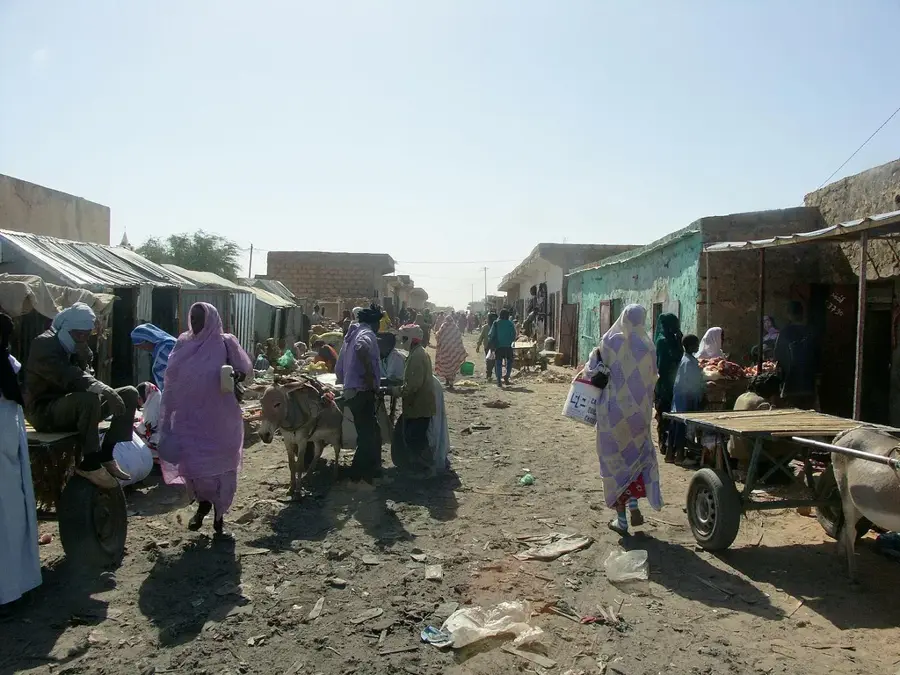
Are there markets there?
There are local craft and food markets nearby.
How long does a visit take?
About 1 to 2 hours is perfectly sufficient.
Can I eat there?
There are small, simple local restaurants.
Tidjikja Old Quarter: where is it located?
Tidjikja Old Quarter is located in Mauritania.
Tidjikja Old Quarter: when is the best time to visit?
The most pleasant time to visit is Jan, Feb, Dec.
Tidjikja Old Quarter: why is it worth visiting?

The Old Quarter of Tidjikja was established in 1660 by the Idawali people and remains one of the finest examples of dry-stone architecture on the Adrar Plateau.
View on map → The Top 50 Attractions → OpenStreetMap →
Africa
Explore with Plizio Discover more places in Africa
More places in Mauritania →

Nearby cities

History & landmarks

More places