Plizio Visual Lab
Selibaby Trade Center
ℹ️Practical info — Selibaby Trade Center
▾
🌤 Weather — 5 days
📍 Nearby
Sights nearby
💡 Tips
- Be prepared for frequent police checkpoints, as Selibaby is a major transit hub near the borders.
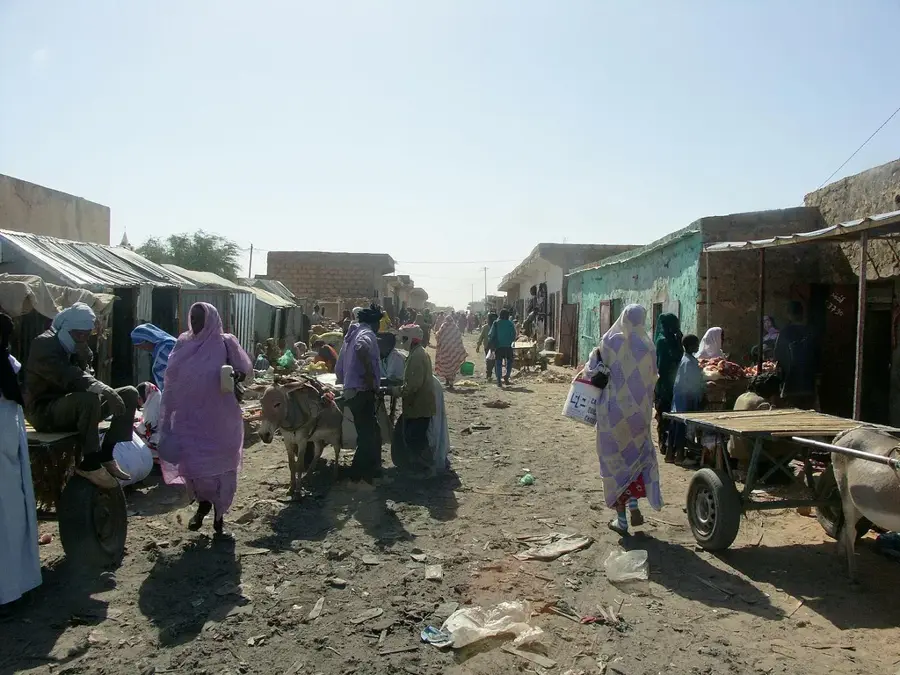
- Visit the market in the early morning to see the diverse range of goods from Mali and Senegal.
- Avoid traveling during the rainy season (July to October), as many roads can become impassable.
- Keep a copy of your passport with you, as street identity checks are common.
- Look for local guides if you wish to explore the surrounding traditional villages of Guidimagha.
🍽 Food
A hearty dish from the border region, featuring meat and vegetables in a rich peanut sauce.
Thanks to its southern location, you can often find mangoes and bananas from neighboring countries.
Experience the Mauritanian tea ritual in the small tea shops surrounding the market.
🛍 Shopping · 🧘 Quiet spots
Local women often sell beautifully crafted woven items in the main market.
Look for unique fabrics and artisanal products brought across the border from Mali.
Around Selibaby, you can find impressive baobab trees that provide shade and a sense of peace.
A walk towards the surrounding fields gives quiet away from the busy commercial market.
Water temperature…
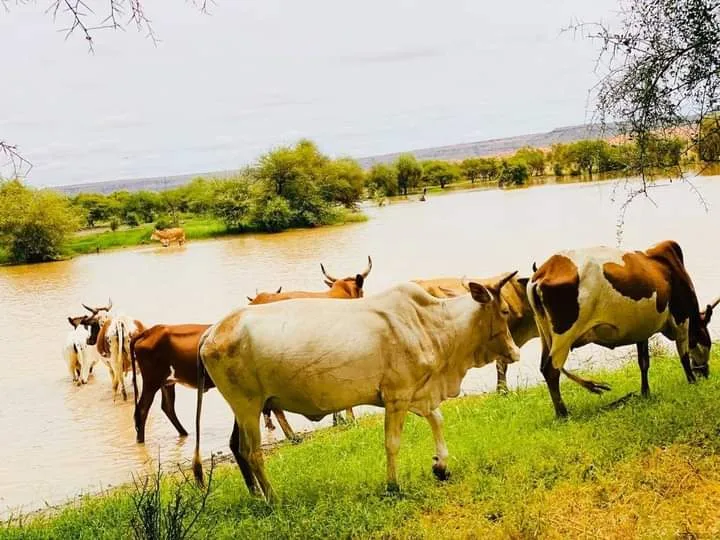
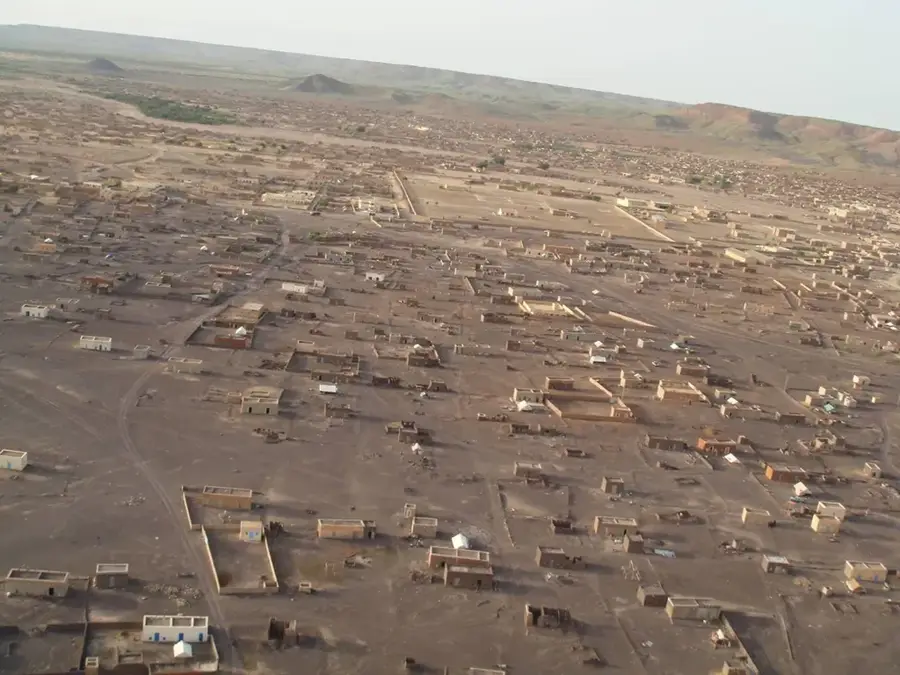
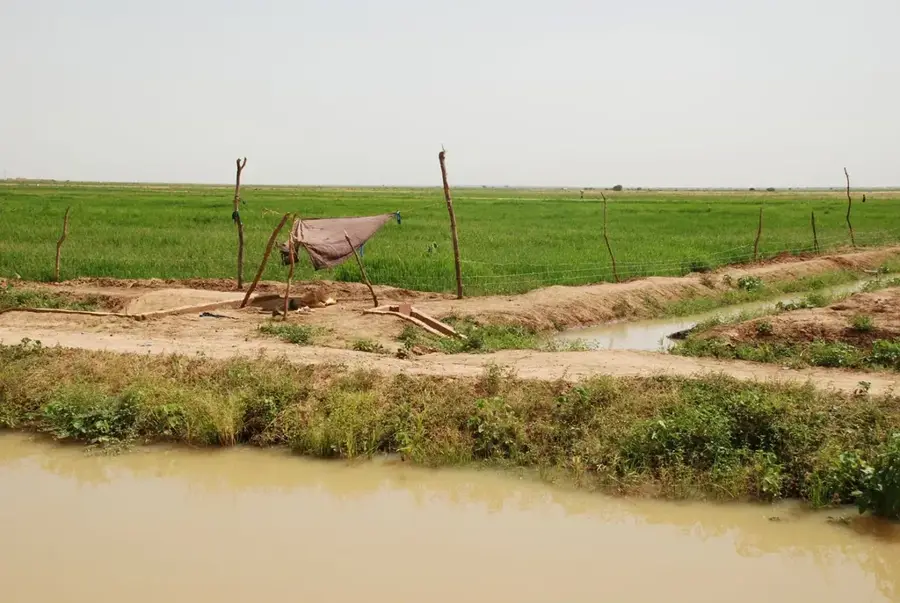
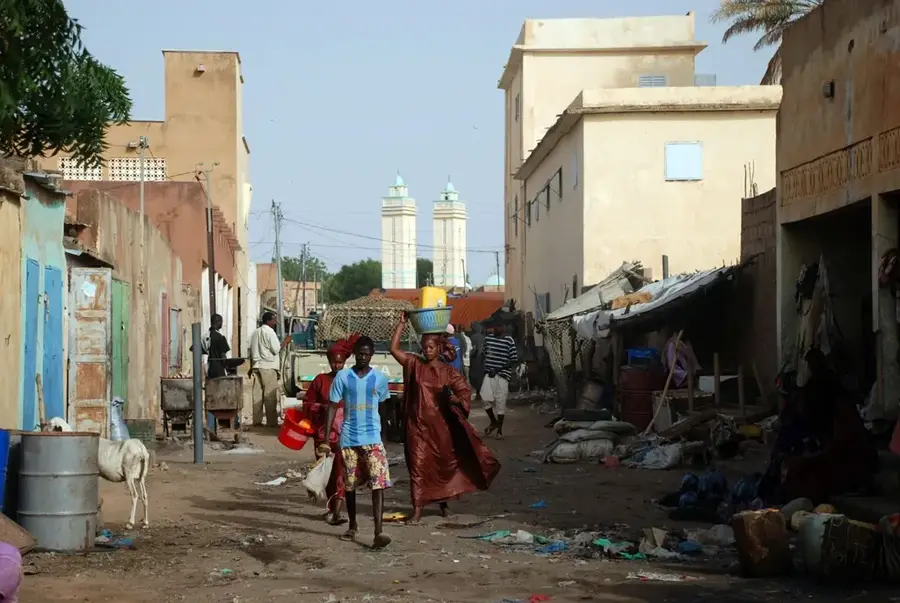
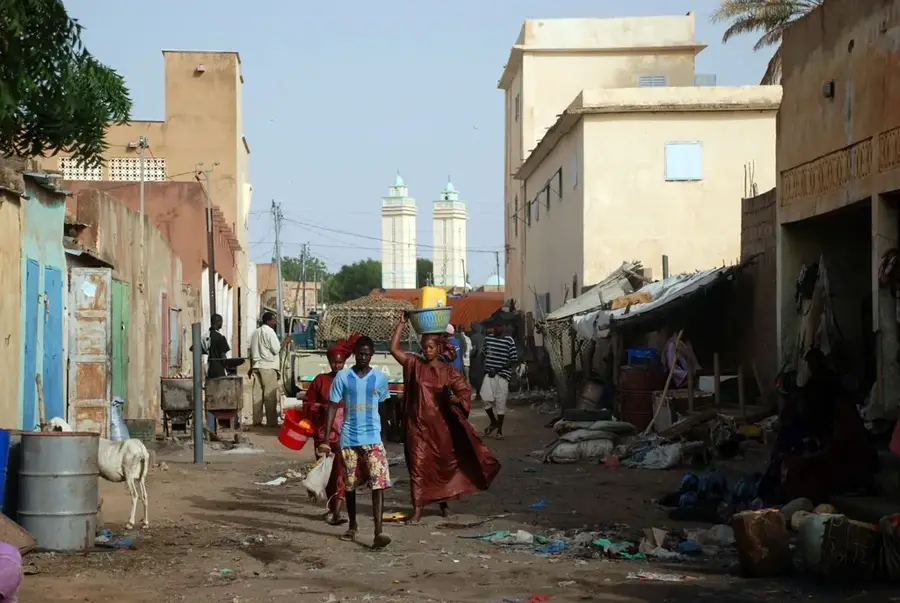
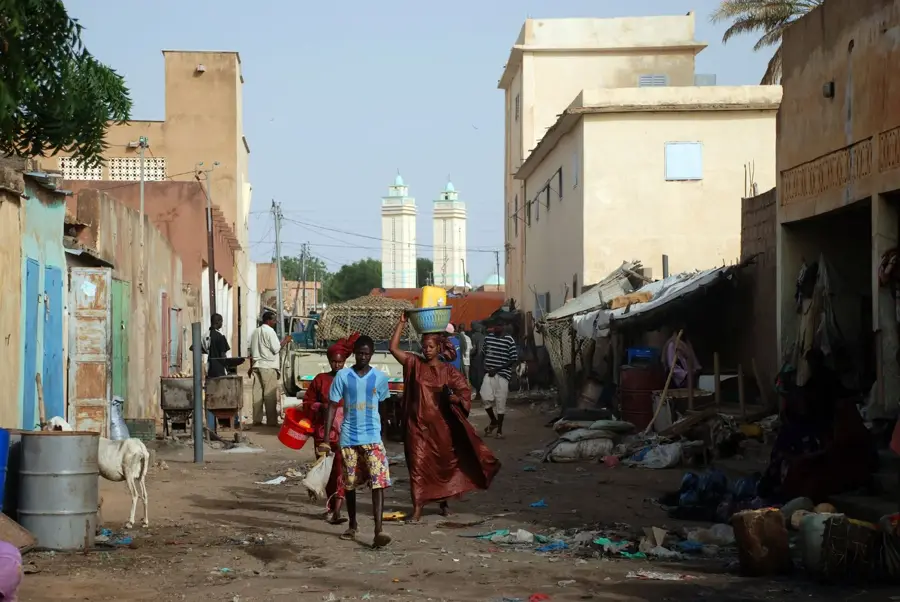
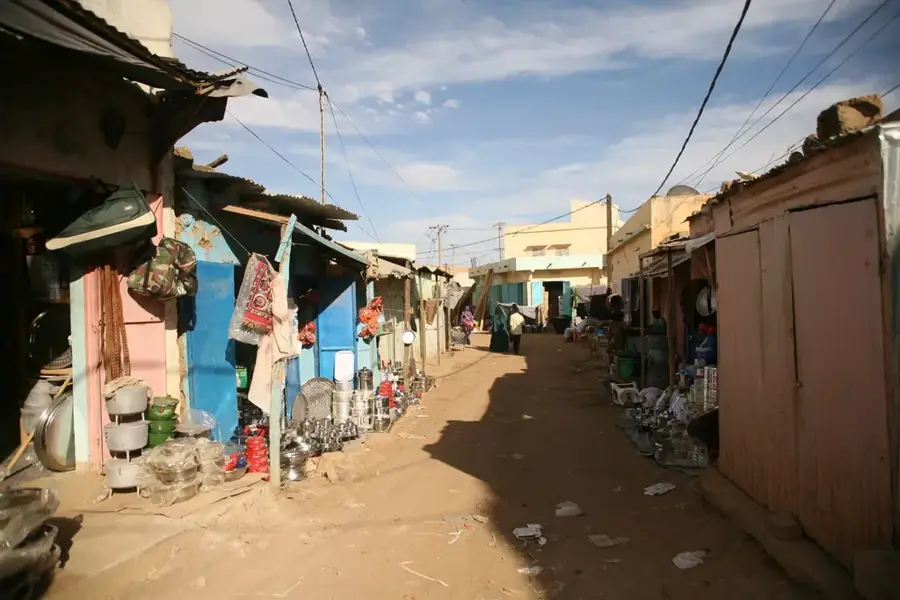
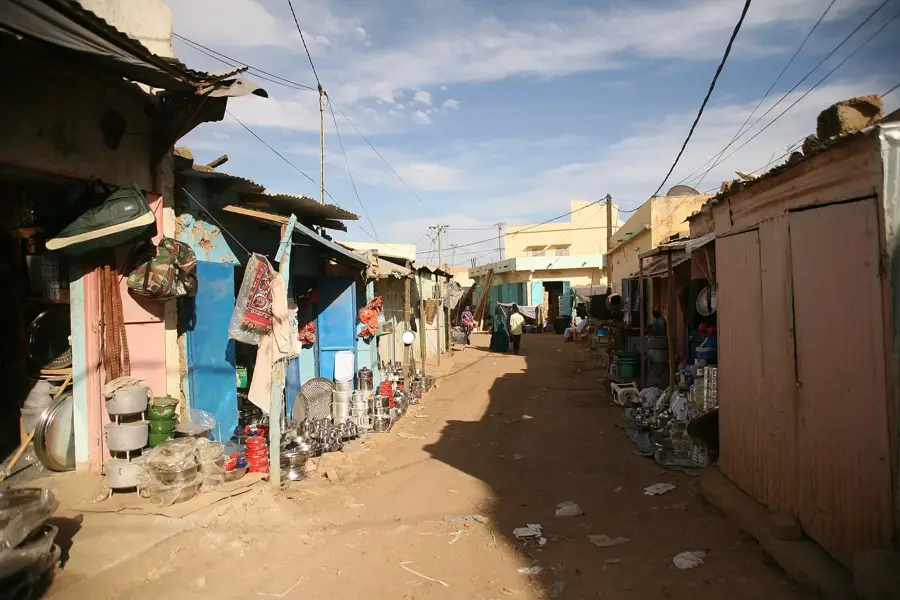
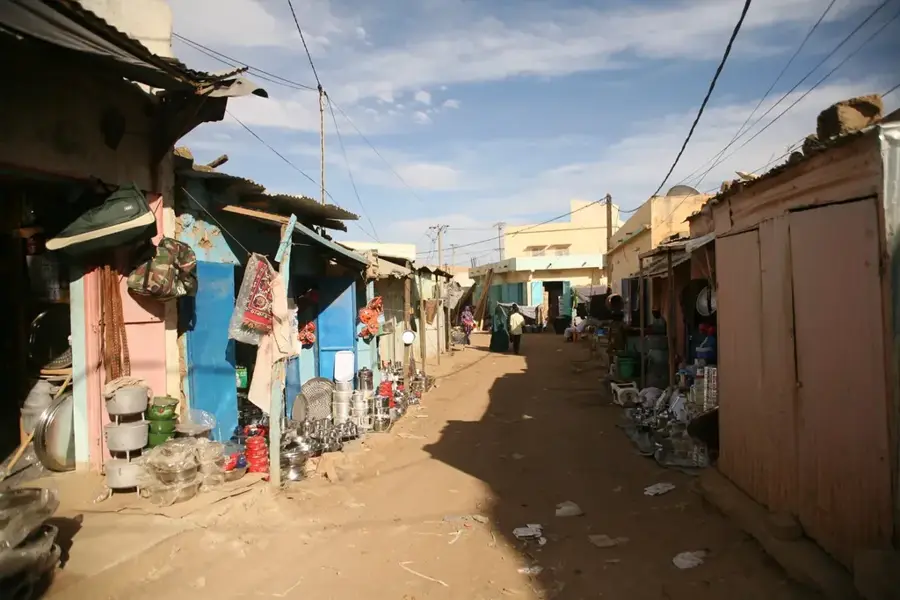
Selibaby serves as the capital of the Guidimaka region in southernmost Mauritania, acting as a critical commercial gateway near the borders of Senegal and Mali. Its strategic location makes it a bustling hub for cross-border trade, where goods and traders from across West Africa converge. The city's economic life revolves around its expansive local markets, which are famous for their vitality and diversity of products. The livestock market, in particular, is one of the most important in the region, drawing pastoralists and traders from neighboring countries. Unlike the arid north, the Guidimaka region receives relatively higher rainfall, allowing for a more robust agricultural sector focused on millet, maize, and peanuts, which forms the backbone of the regional economy. Selibaby is also a melting pot of cultures, with Soninke, Fula, and Moorish communities living side-by-side, creating a lively social fabric that reflects the city's role as a meeting point between the Sahara and the Sahel.
- Location: Mauritania
- Nearby: Wompou (10 km)
- Population: ~32.653 (2026)
Best time to visit & climate
The most pleasant time to visit is Jan, Nov, Dec.
| Jan | Feb | Mar | Apr | May | Jun | Jul | Aug | Sep | Oct | Nov | Dec | |
|---|---|---|---|---|---|---|---|---|---|---|---|---|
| Avg °C | 24 | 27 | 31 | 34 | 36 | 34 | 30 | 28 | 28 | 28 | 26 | 24 |
| Rain mm | 1 | 0 | 0 | 0 | 8 | 65 | 178 | 234 | 163 | 45 | 3 | 1 |
Geography
Facts
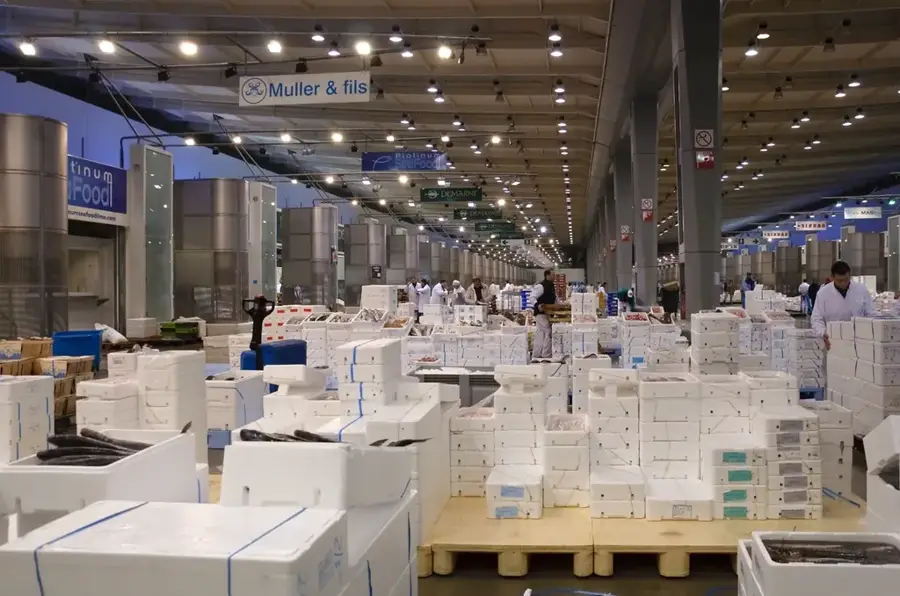
- Weekly throughput: 3,000 tons
- Market area: 5 hectares
- Cold storage capacity: 500 tons
- Population served: 100,000
- Share of cross-border trade: 60%
- Market hall height: 12 meters
Explore nearby
Notable places around


Route planner — Car & Motorhome
Where do you start? We build the route here, with stops and country notes along the way.
© OpenStreetMap contributors · OpenRouteService
Sights in the town Selibaby Trade Center (1)
Frequently asked questions
What is the Selibaby trade hub known for?
How many days should one plan for Selibaby?
What is the best time to travel to this region?
How to get to Selibaby?
What can one do near Selibaby?
Selibaby Trade Center: where is it located?
Selibaby Trade Center: when is the best time to visit?
Selibaby Trade Center: why is it worth visiting?

Nearby cities