Plizio Visual Lab
Tidjikja Historical Wells
Weather…
Water temperature…
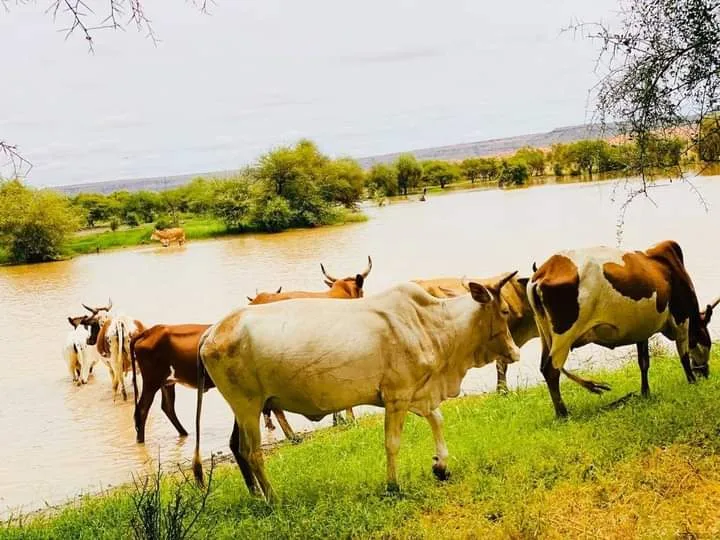
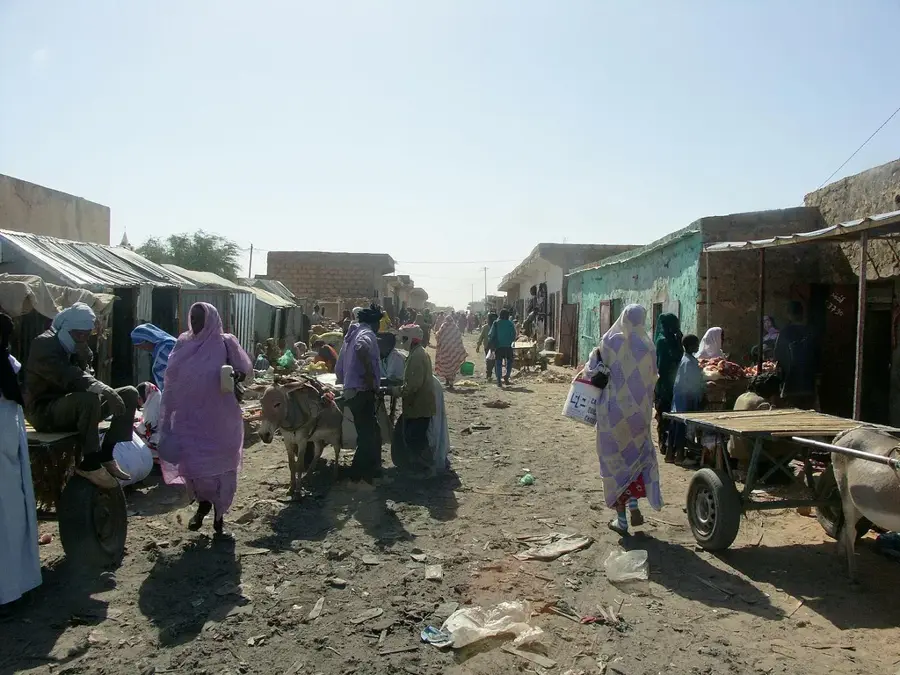
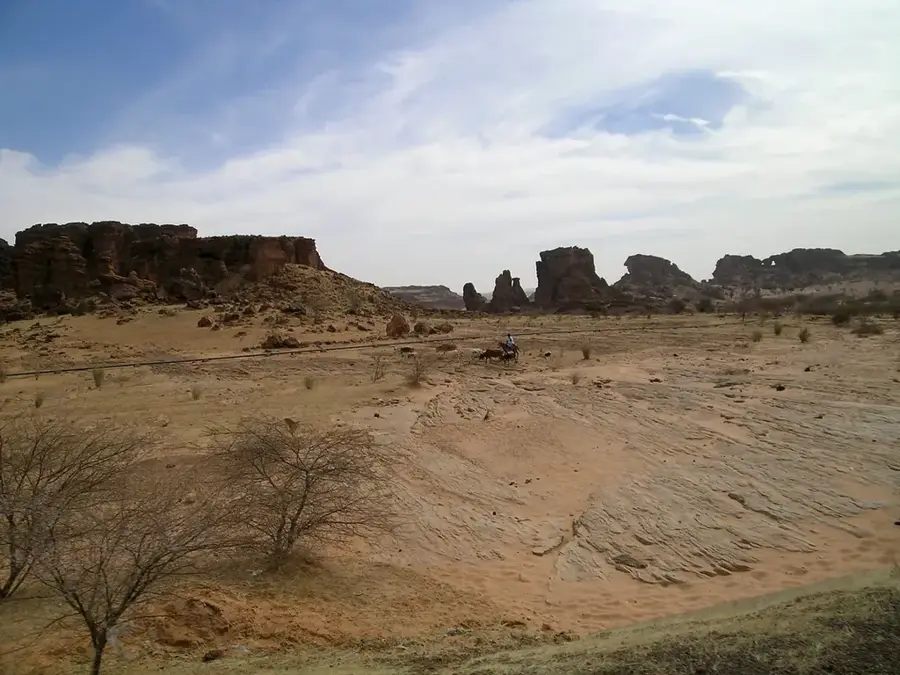
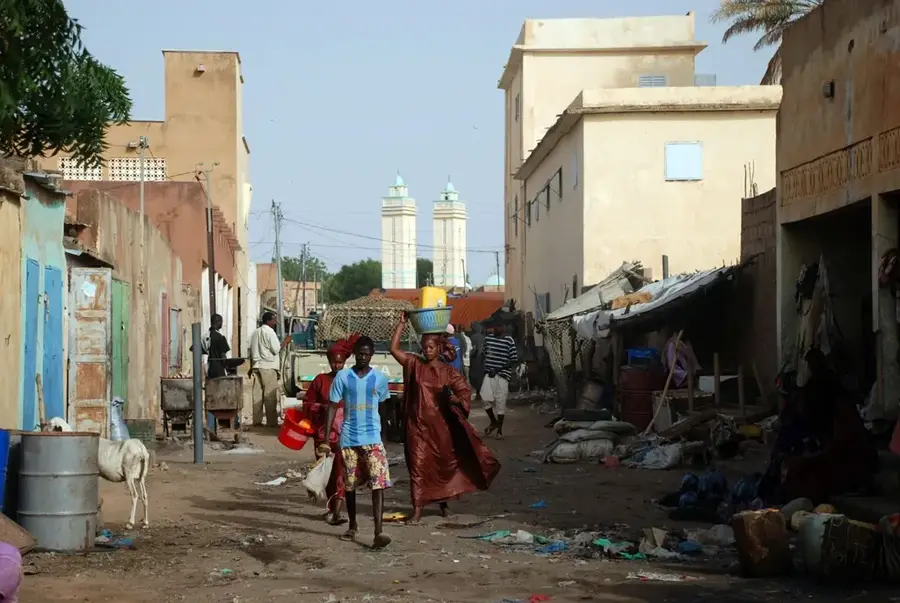
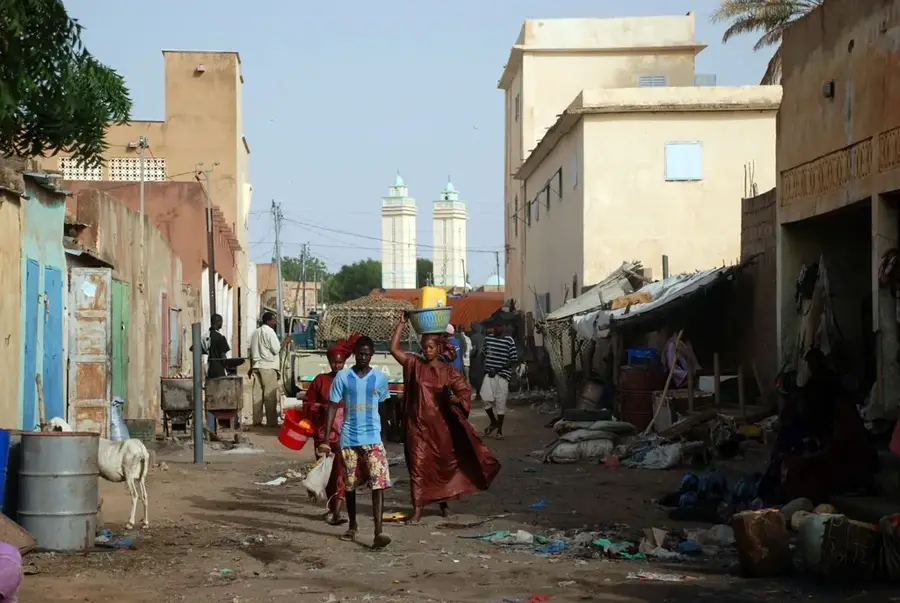
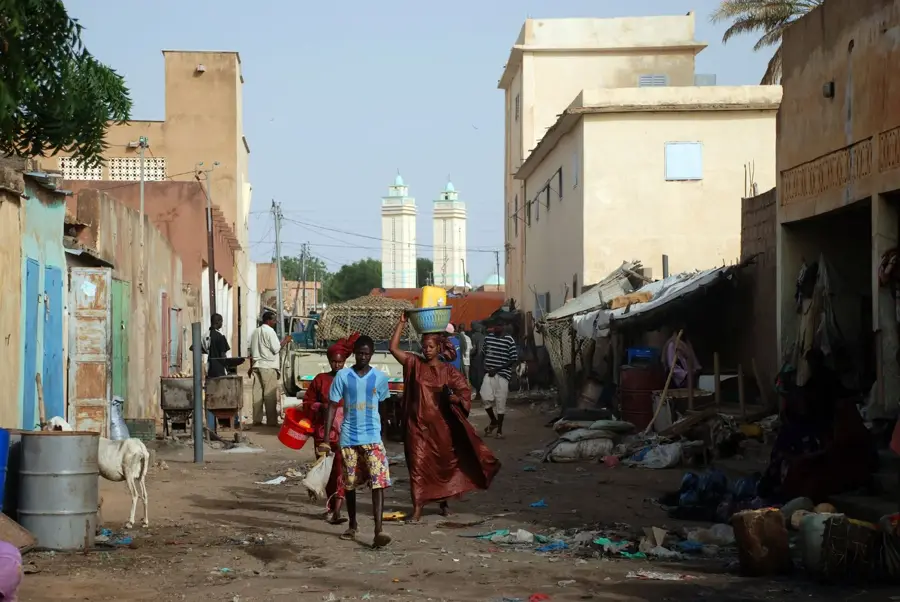
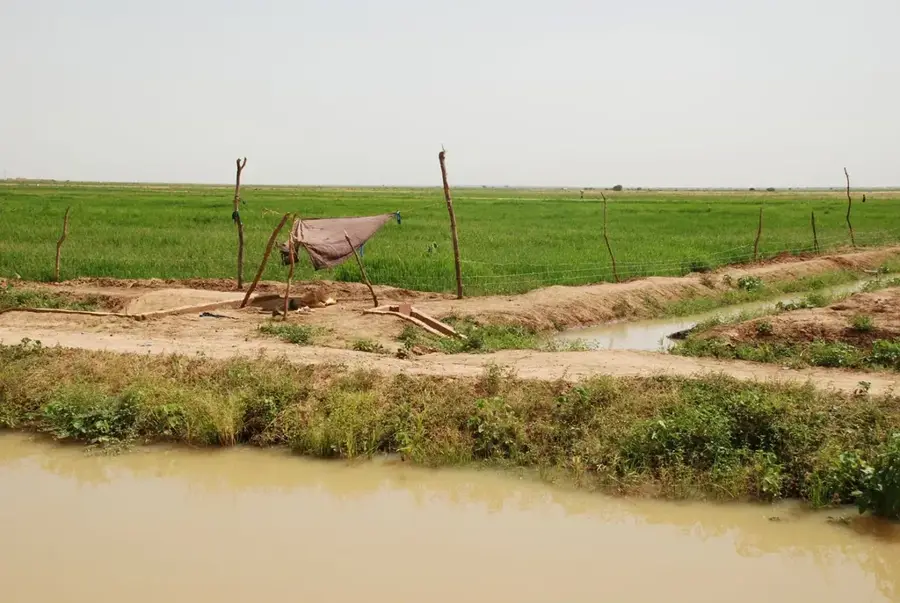
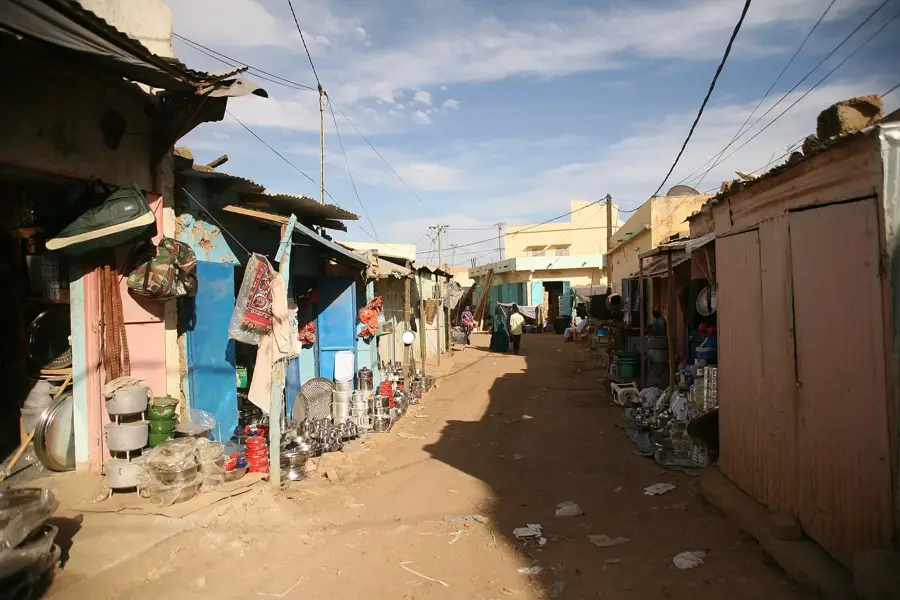
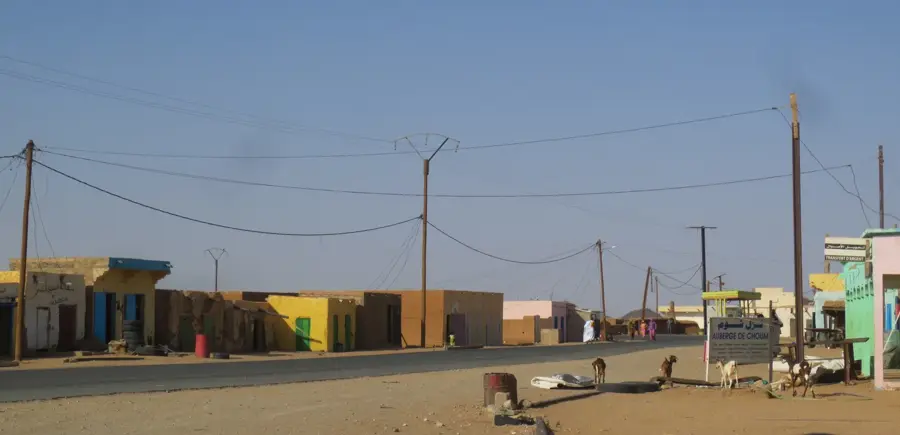
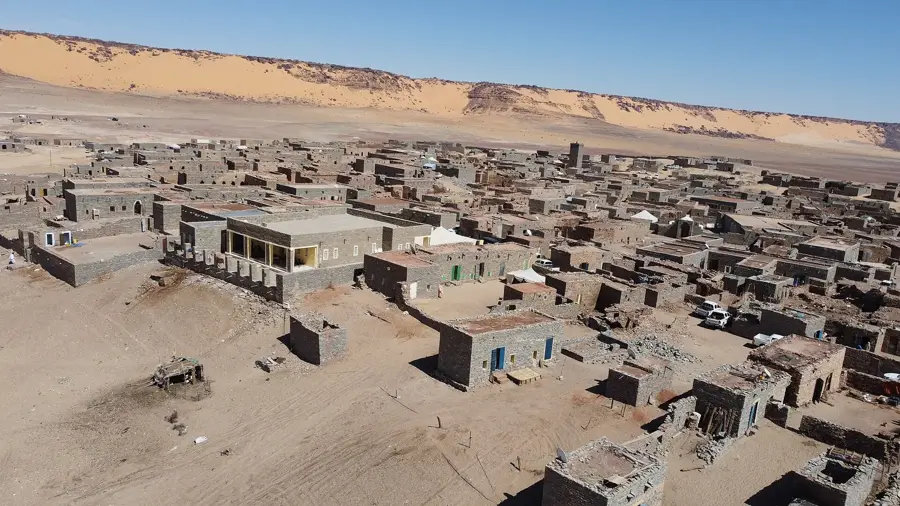
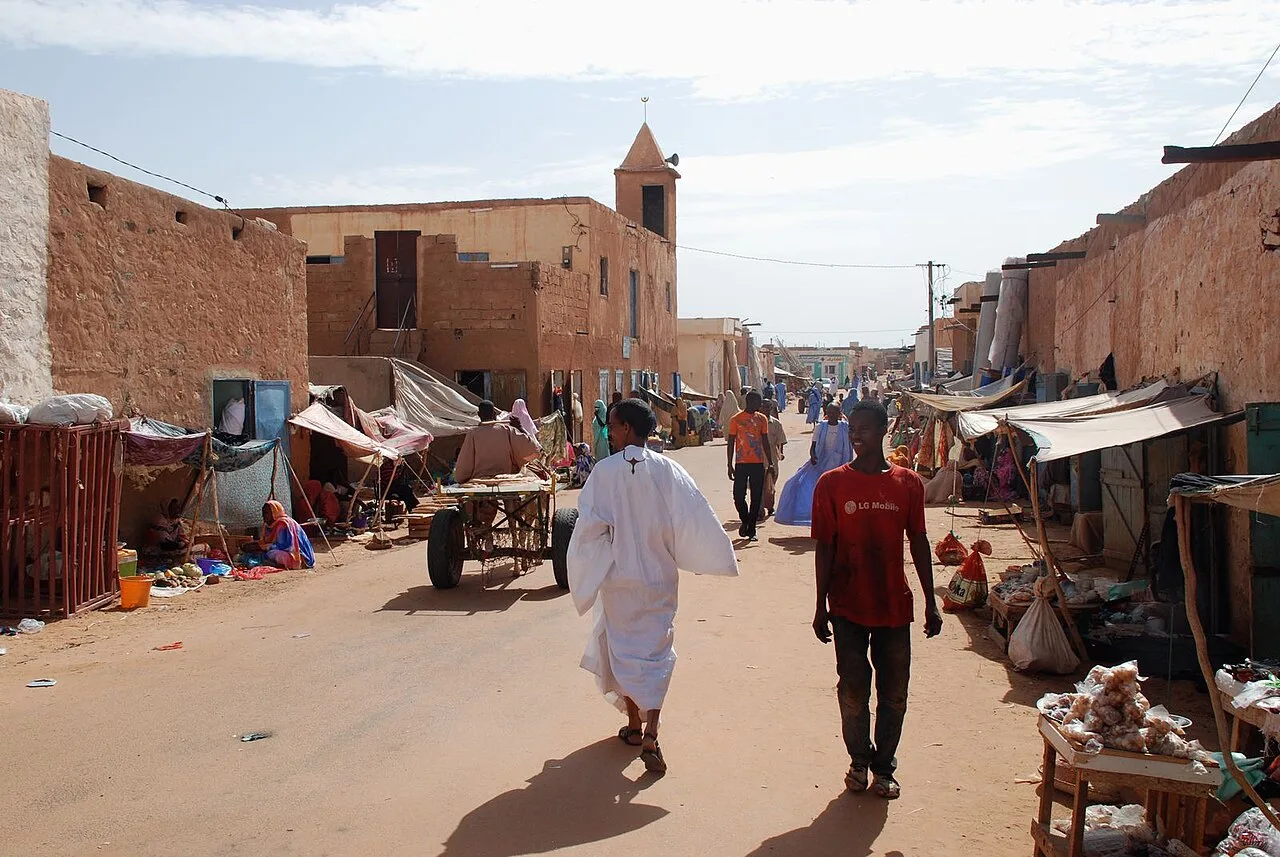
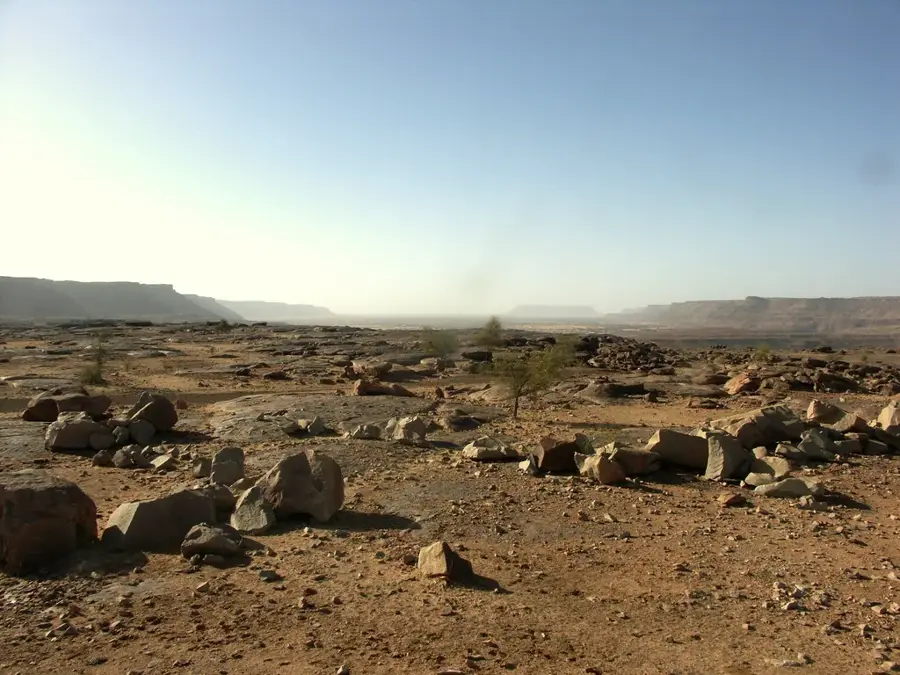
Tidjikja, the capital of the Tagant region, was founded in 1680 by the Idawali tribe and has since become synonymous with desert ingenuity. The city’s historic wells are at the core of its existence, showcasing advanced traditional water engineering techniques that allowed the oasis to thrive for over three centuries. These wells, many of which are meticulously lined with local stone, were strategically dug to tap into underground aquifers and support an intricate network of irrigation channels. This system, known locally for its efficiency, sustains the vast date palm groves that define Tidjikja's landscape and economy. The wells are not merely functional structures but historical artifacts that illustrate the social organization of the community, where water rights were carefully managed and shared. Walking through the older districts, the sight of these sturdy, centuries-old wells provides a deep insight into the architectural heritage and the resilience of the local population against the encroaching Saharan sands. They remain a testament to the crucial link between water management and permanent settlement in the heart of the Tagant plateau.
Best time to visit & climate
The most pleasant time to visit is Jan, Feb, Dec.
| Jan | Feb | Mar | Apr | May | Jun | Jul | Aug | Sep | Oct | Nov | Dec | |
|---|---|---|---|---|---|---|---|---|---|---|---|---|
| Avg °C | 18 | 21 | 25 | 29 | 32 | 34 | 33 | 31 | 31 | 29 | 24 | 20 |
| Rain mm | 1 | 1 | 7 | 1 | 1 | 5 | 24 | 64 | 35 | 31 | 1 | 0 |
📋 Practical info
Geography
Facts
- The deepest well is 35 meters deep.
- Annual water extraction: 1.5 million cubic meters.
- The well system dates from 1650 to 1750.
- Water salinity: 0.8 grams per liter.
- Total irrigated area: 50 hectares of palm groves.
- Number of functioning historic wells: 6.
Explore nearby
Notable places around




Route planner — Car & Motorhome
Where do you start? We build the route here, with stops and country notes along the way.
© OpenStreetMap contributors · OpenRouteService
Sights in the town Tidjikja Historical Wells (1)
Sights nearby
Frequently asked questions
Are the wells publicly accessible?
Can you drink the water?
Are there information signs?
How old are the wells approximately?
Is the area easy to access?
Tidjikja Historical Wells: where is it located?
Tidjikja Historical Wells: when is the best time to visit?
Tidjikja Historical Wells: why is it worth visiting?

Nearby cities