Plizio Visual Lab
Tichitt-Est
ℹ️Practical info — Tichitt-Est
▾
🌤 Weather — 5 days
📍 Nearby
Sights nearby
💡 Tips
- Carry extra fuel and plenty of water; Tichitt has no gas station and supplies are limited.
- A 4x4 vehicle is strictly mandatory to cross the sand dunes from Tidjikja.
- Ask politely for permission before visiting the ancient family libraries containing medieval manuscripts.
- Desert nights can drop to near freezing; bring warm layers for the evening and early morning.
- Tichitt is a UNESCO World Heritage site; respect the historic stonework and avoid climbing on walls.
🍽 Food
A traditional nomad preparation where meat is slow-cooked using the residual heat of the desert sand.
Dates from the local oasis are famously sweet; the harvest festival (Guetna) occurs in July/August.
A refreshing drink made of yogurt, water, and sugar, traditionally served as a welcome drink.
🛍 Shopping · 🧘 Quiet spots
Buy pure rock salt harvested from the nearby sebkha (salt pan) by local traders.
Look for durable mats made from palm fibers, crafted by the women of the oasis.
Experience the absolute silence among the historic stone walls before the village wakes up.
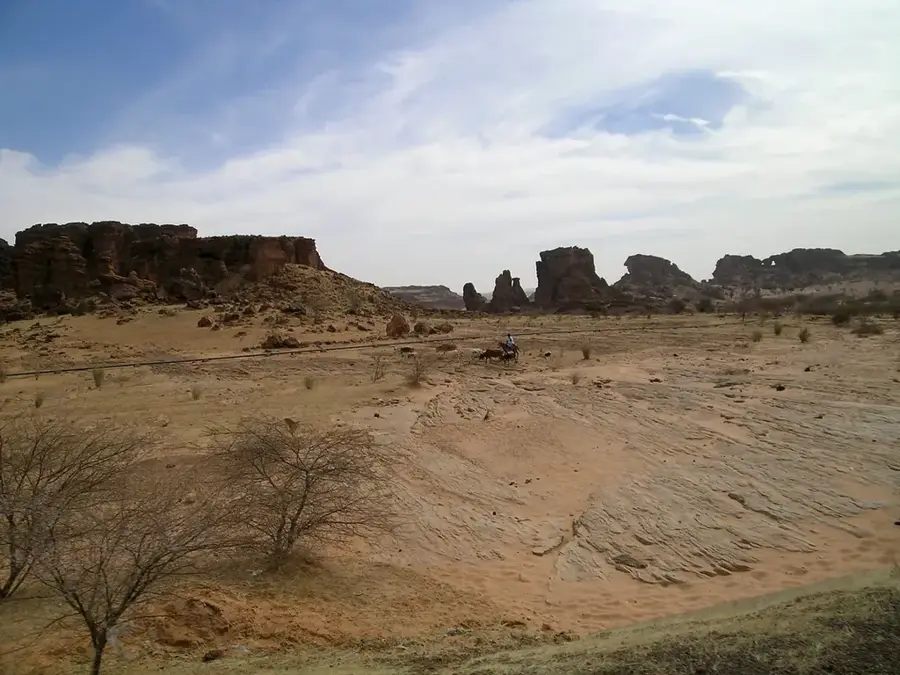
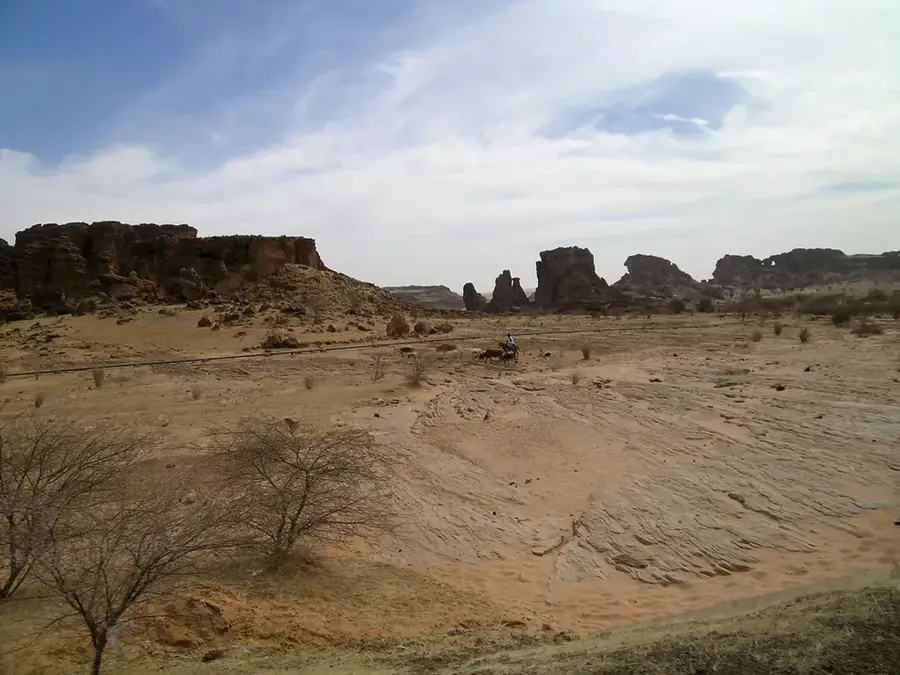
Hike to the cliffs above the town for a dramatic view over the vast Sahara desert.
Water temperature…
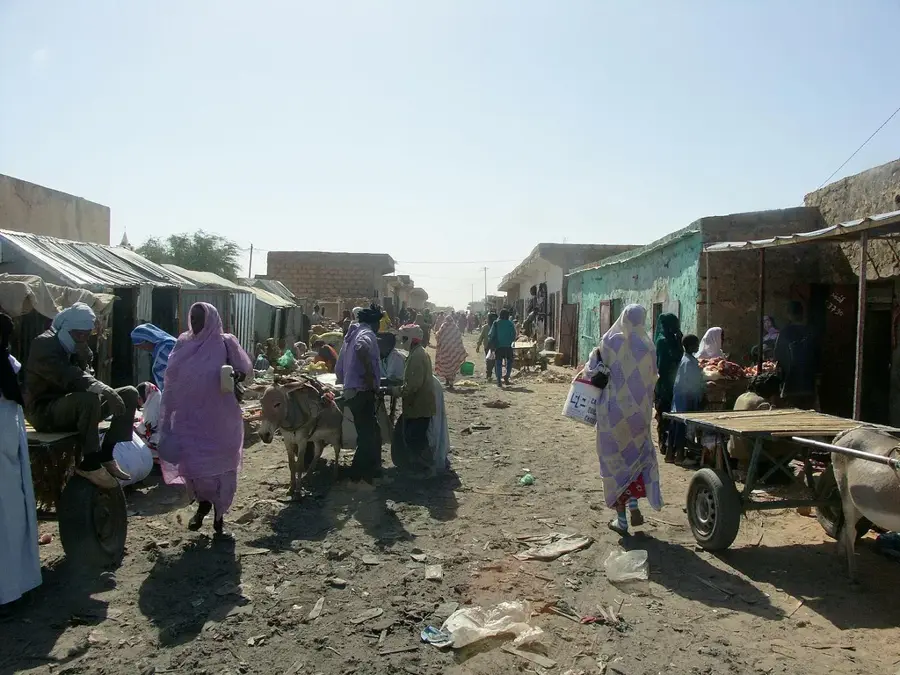
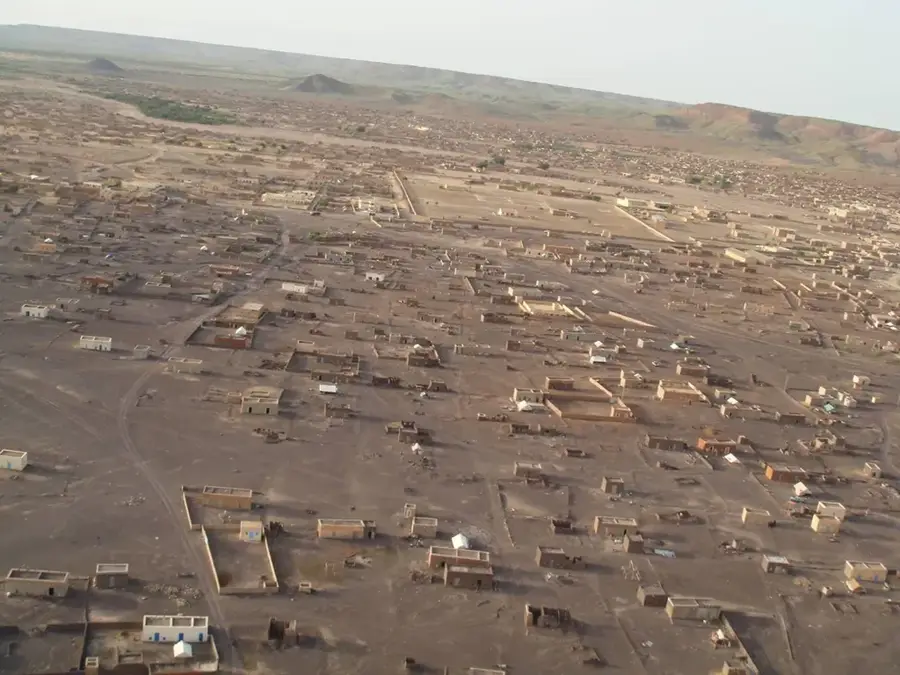
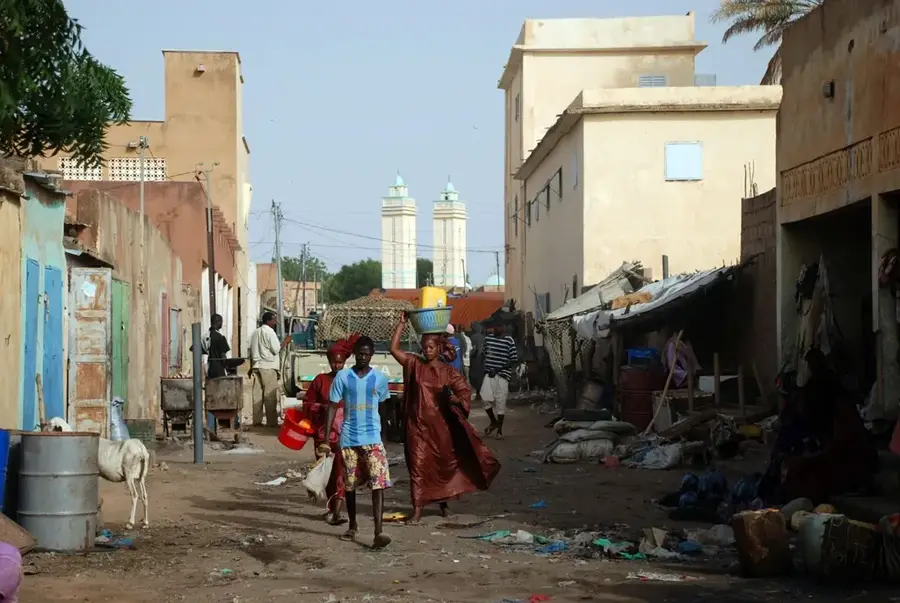
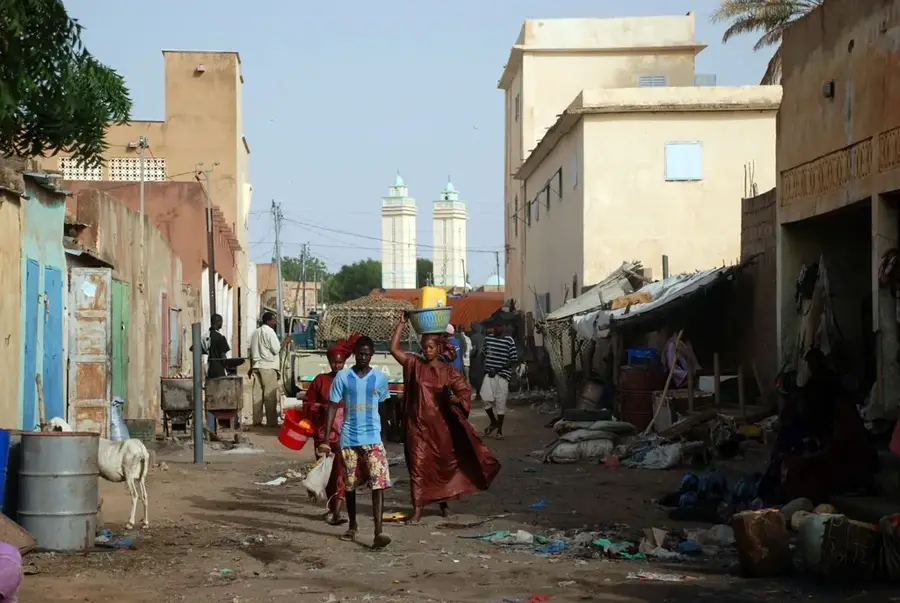
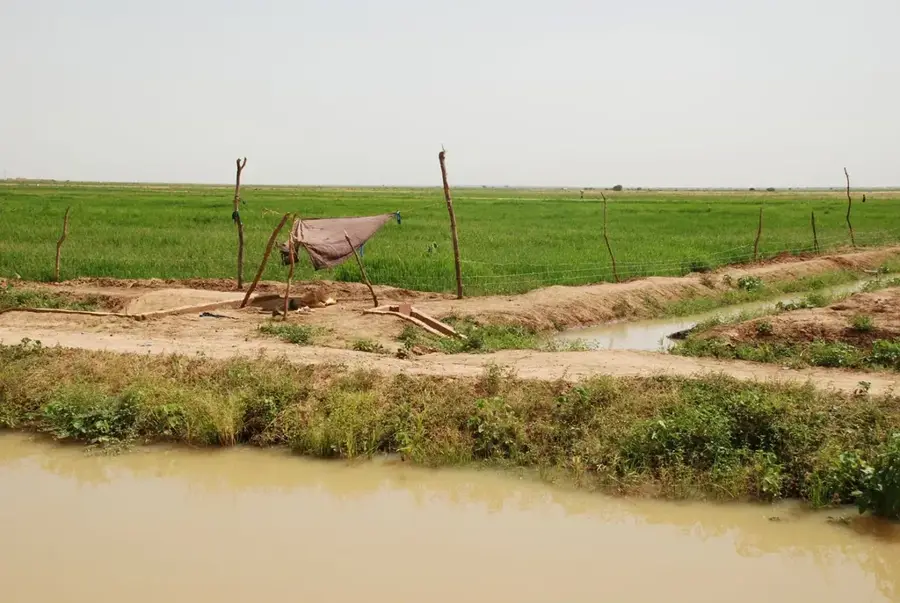
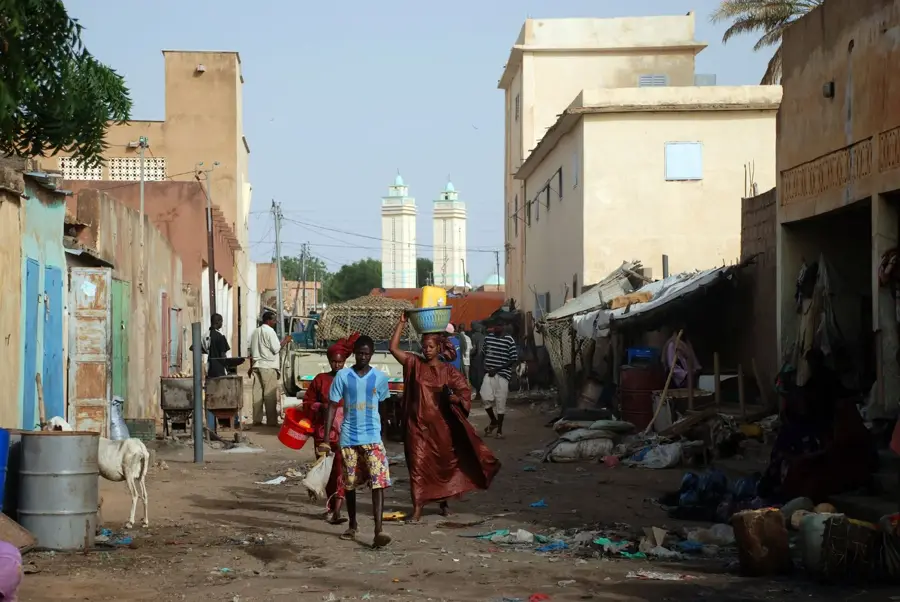
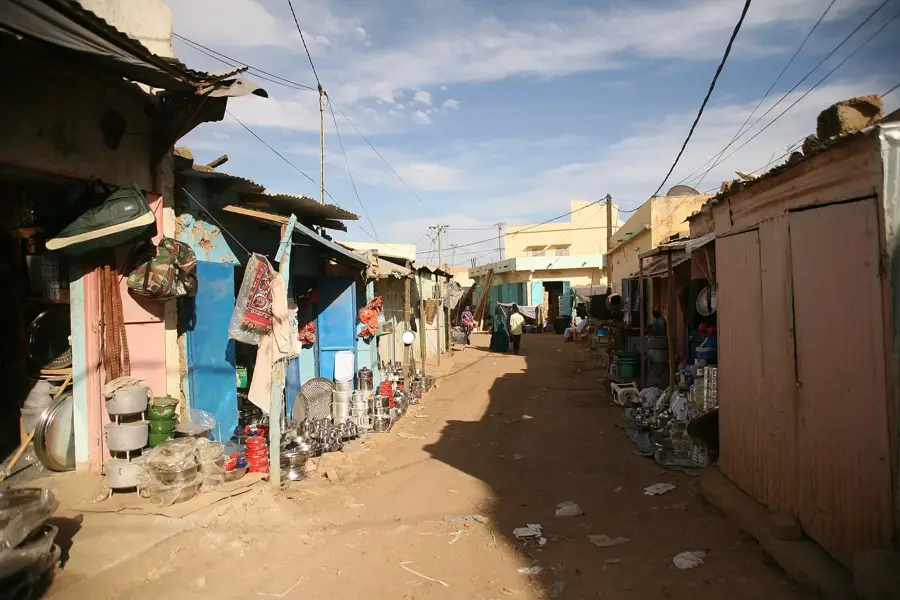
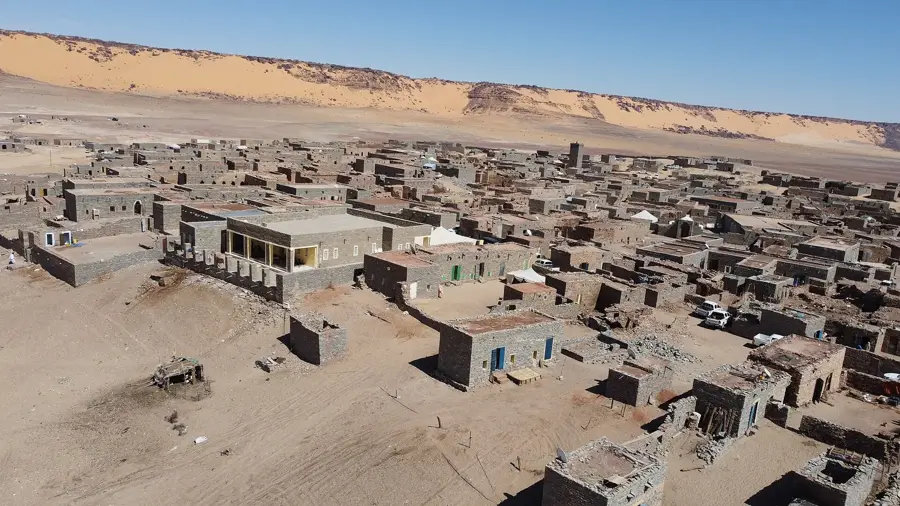
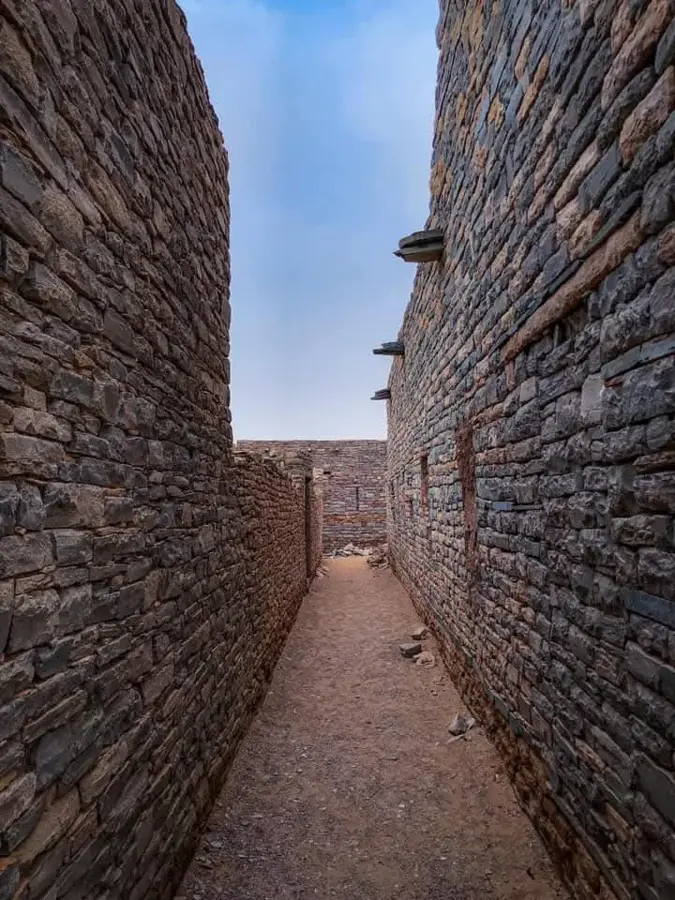
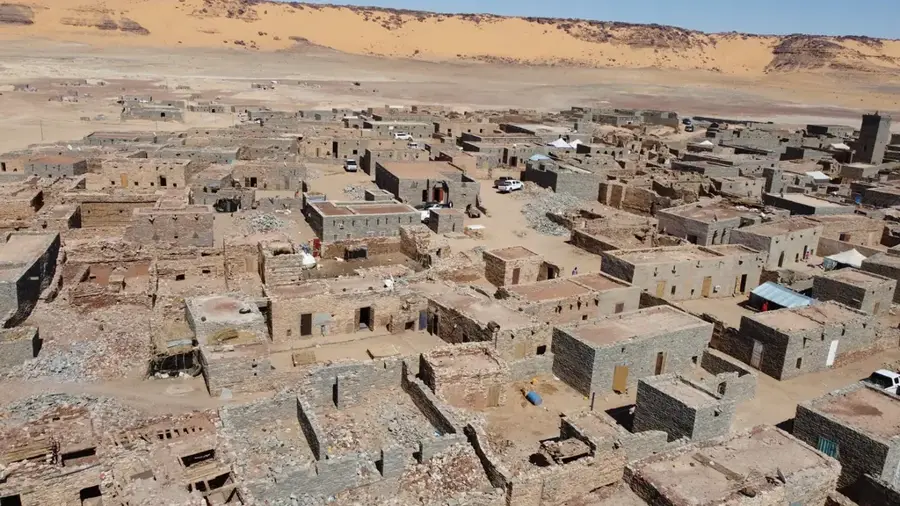
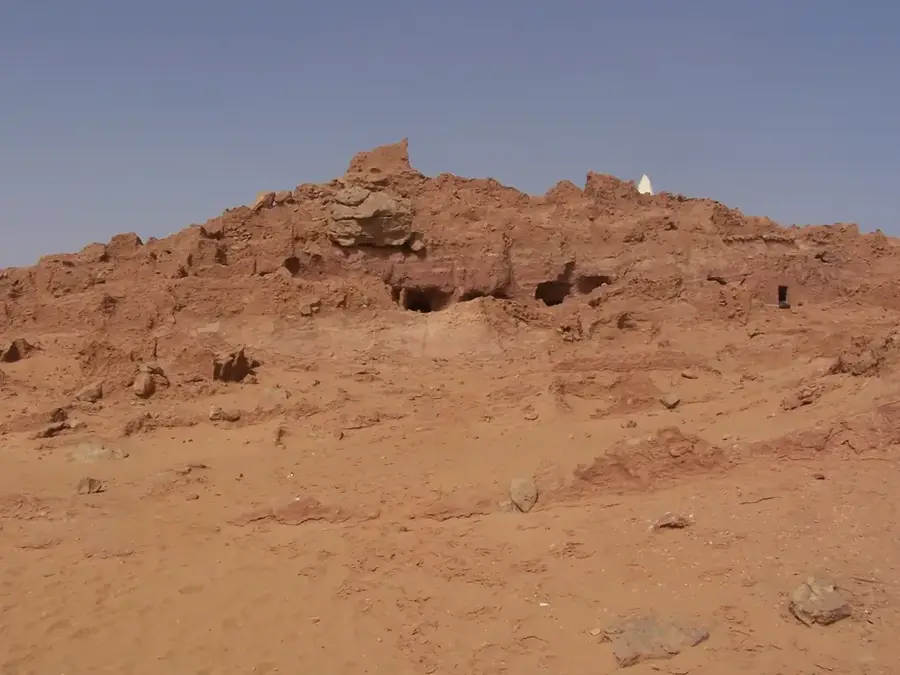
Tichitt-Est is the eastern district of the historic oasis city of Tichitt, positioned at the foot of the Tagant Plateau in central Mauritania. As part of a UNESCO World Heritage site, this area is celebrated for its remarkable vernacular architecture, characterized by the use of local multi-colored stone laid in intricate dry-wall patterns. Founded in the 12th century, the city once served as a critical hub for the trans-Saharan salt and gold trade, and the eastern quarter preserves the traditional urban layout that once welcomed thousands of camel caravans. The stone houses feature narrow windows and shaded courtyards designed to mitigate the intense Saharan heat, while ancient mosques stand as testaments to the region's long Islamic heritage. Surrounded by verdant date palm groves that provide a stark contrast to the encroaching desert sands, Tichitt-Est remains a resilient community dedicated to preserving its unique cultural identity. Exploring its winding alleys has a rare glimpse into a medieval Saharan world, showcasing the enduring relationship between the local population and the challenging desert environment.
- Location: Mauritania
- Population: ~1.580 (2024)
Best time to visit & climate
The most pleasant time to visit is Feb, Nov, Dec.
| Jan | Feb | Mar | Apr | May | Jun | Jul | Aug | Sep | Oct | Nov | Dec | |
|---|---|---|---|---|---|---|---|---|---|---|---|---|
| Avg °C | 18 | 21 | 25 | 29 | 33 | 35 | 34 | 32 | 32 | 29 | 24 | 19 |
| Rain mm | 0 | 0 | 4 | 1 | 1 | 8 | 16 | 56 | 28 | 11 | 1 | 0 |
Geography
Facts
- Population: 1,200 (2023 estimate)
- Elevation: 300 m
- Area: 6 km²
- Number of date palms: 5,000
- Oldest structure: 12th century
- UNESCO site: yes
Explore nearby
Notable places around





Route planner — Car & Motorhome
Where do you start? We build the route here, with stops and country notes along the way.
© OpenStreetMap contributors · OpenRouteService
Sights in the town Tichitt-Est (1)
Frequently asked questions
How much time should we allocate for Tichitt-Est?
What is the best season?
How to get there?
What is typically local?
Is it family-friendly?
Tichitt-Est: where is it located?
Tichitt-Est: when is the best time to visit?
Tichitt-Est: why is it worth visiting?

Nearby cities