Plizio Visual Lab
Tichitt
ℹ️Practical info — Tichitt
▾
🌤 Weather — 5 days
📍 Nearby
Sights nearby
💡 Tips
- Please bring all your supplies and plenty of water, as Tichitt is extremely remote and local provisions are very limited.
- Visit the old Ksour district at sunrise, when the soft light best highlights the unique stone architecture.
- It is highly recommended to hire a local guide to help you find the hidden ancient libraries and their precious manuscripts.
- Check UNESCO World Heritage permits in advance if you plan on professional photography or deep exploration of the ruins.
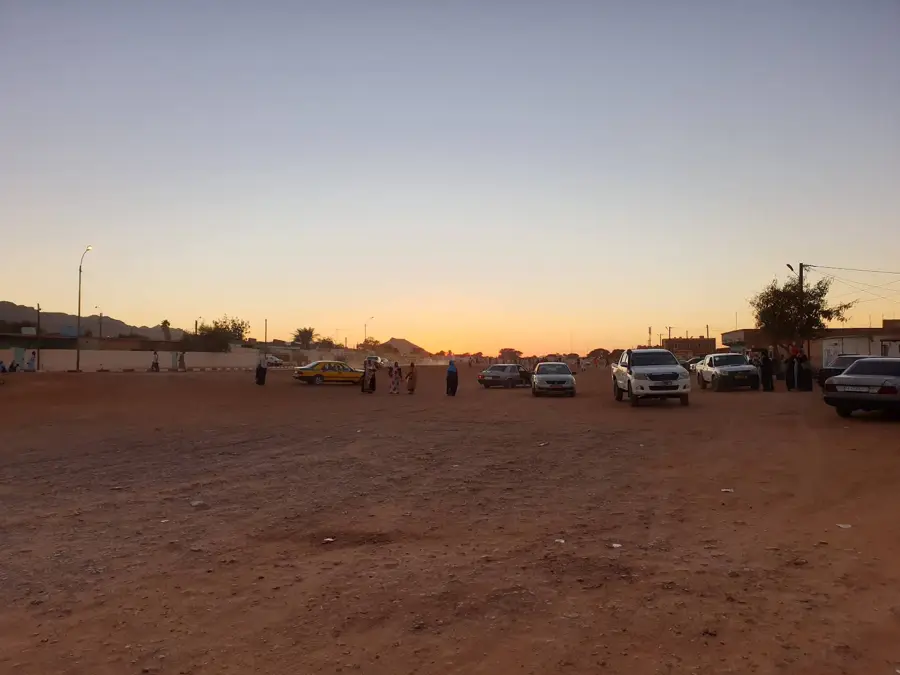
- Take advantage of the cool evening hours for a walk to the nearby sand dunes to watch the sunset over the Tagant plateau.
🍽 Food
Taste the fresh or dried dates directly from the palm groves of Tichitt; they are world-famous for their quality.
A traditional festive dish often prepared for guests in local households.
The tea ritual is a must; enjoy the three rounds of tea while chatting with locals in the shade.
🛍 Shopping · 🧘 Quiet spots
Look for small artworks made from the local stone used to build the city's houses.
Handmade leather bags and sandals crafted by nomads are often available in the region.
A shaded and peaceful spot under the date palms, well-suited for a break from the desert sun.
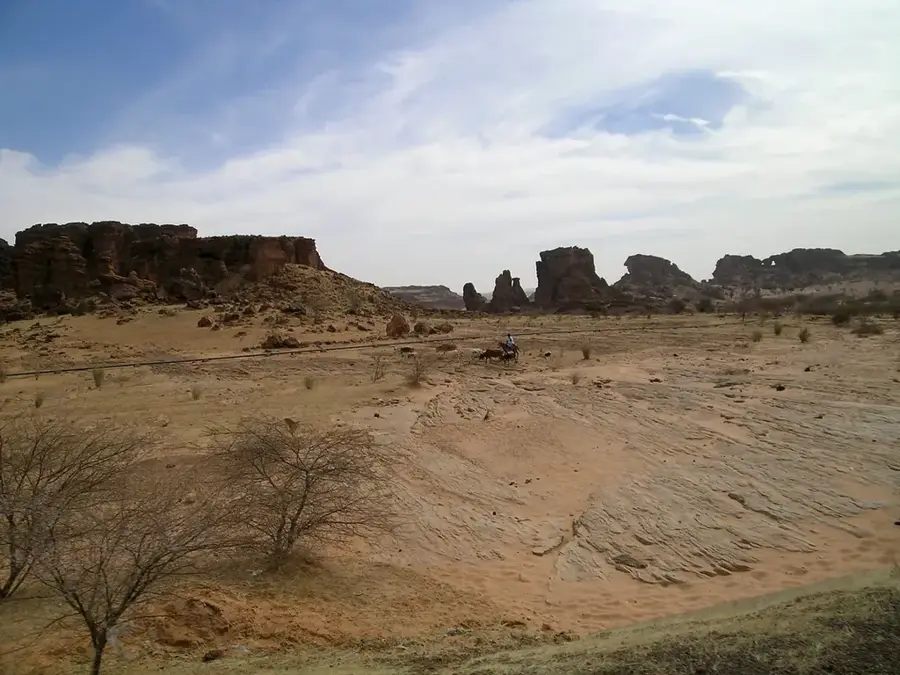
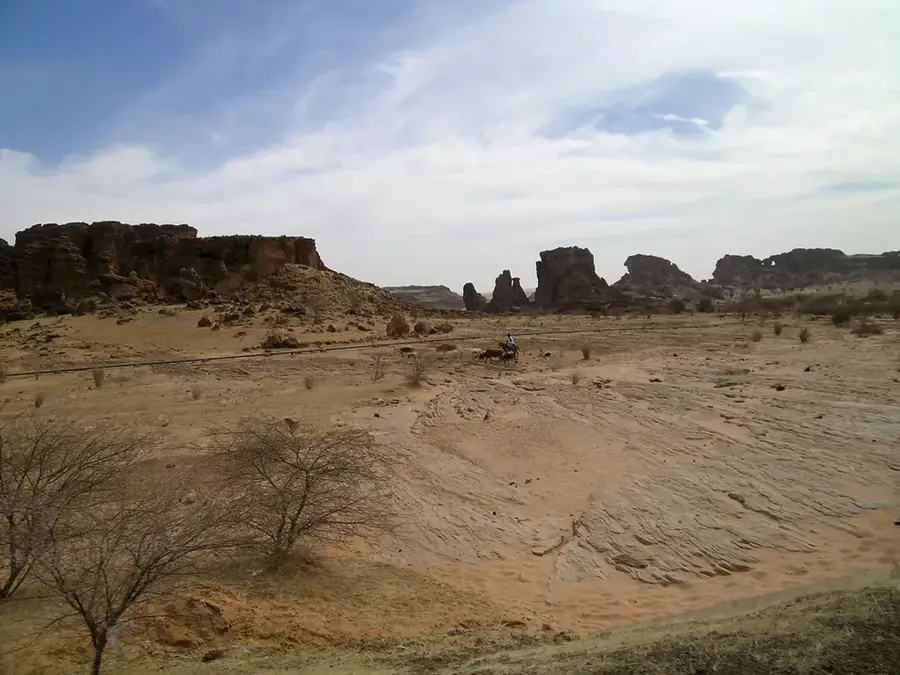
The vast, rocky plain outside the city has absolute silence and a wide horizon.
Water temperature…
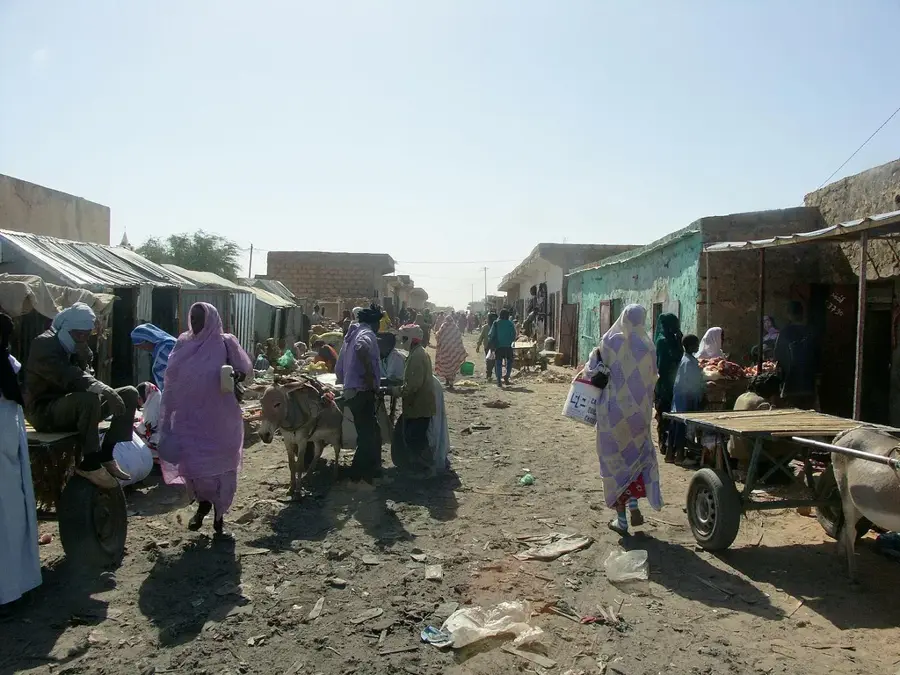
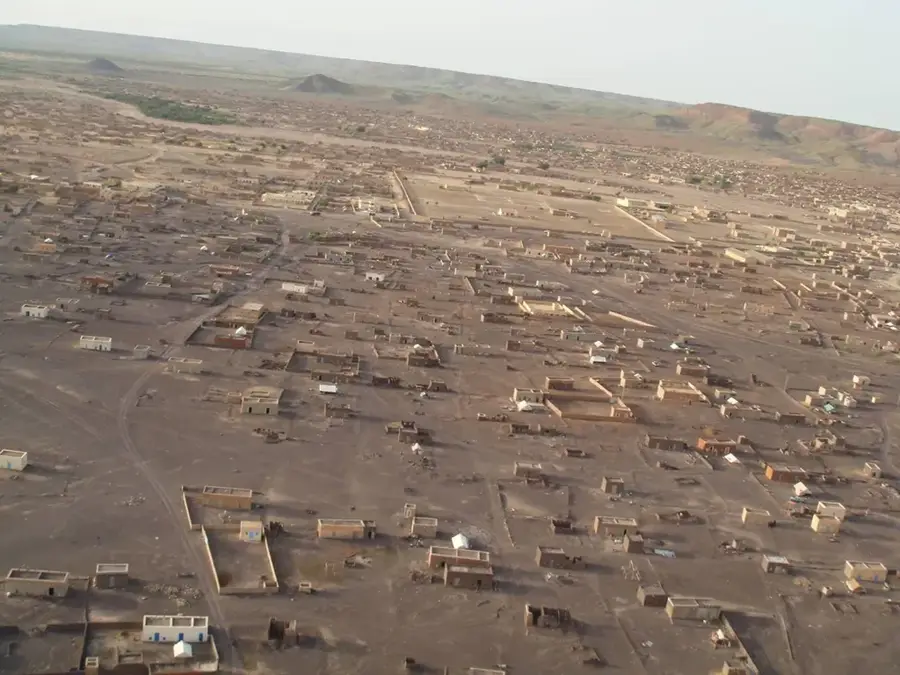
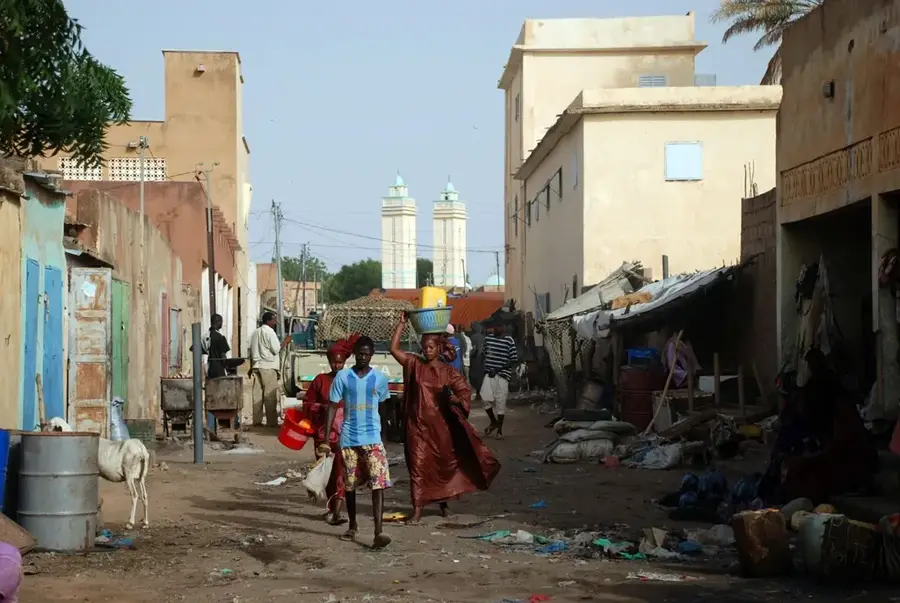
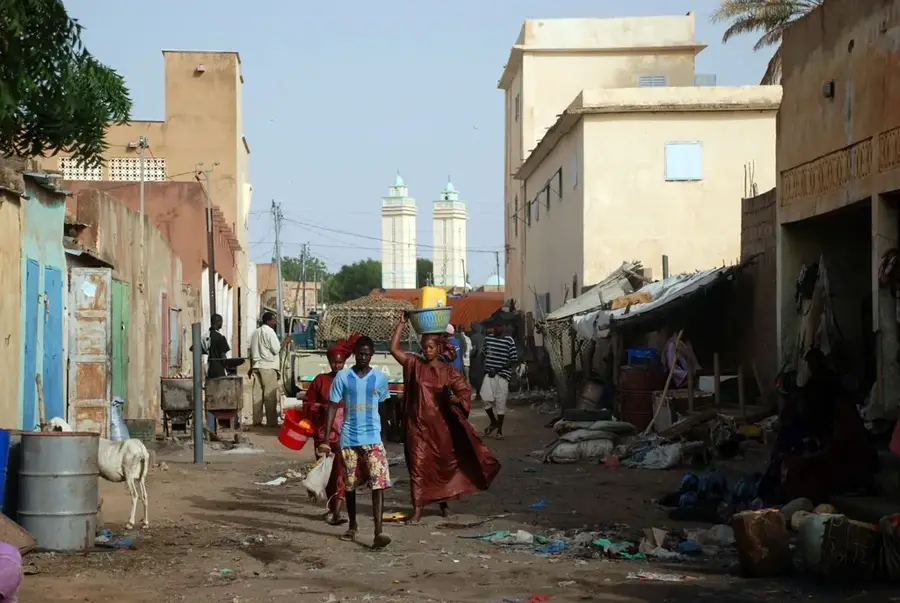
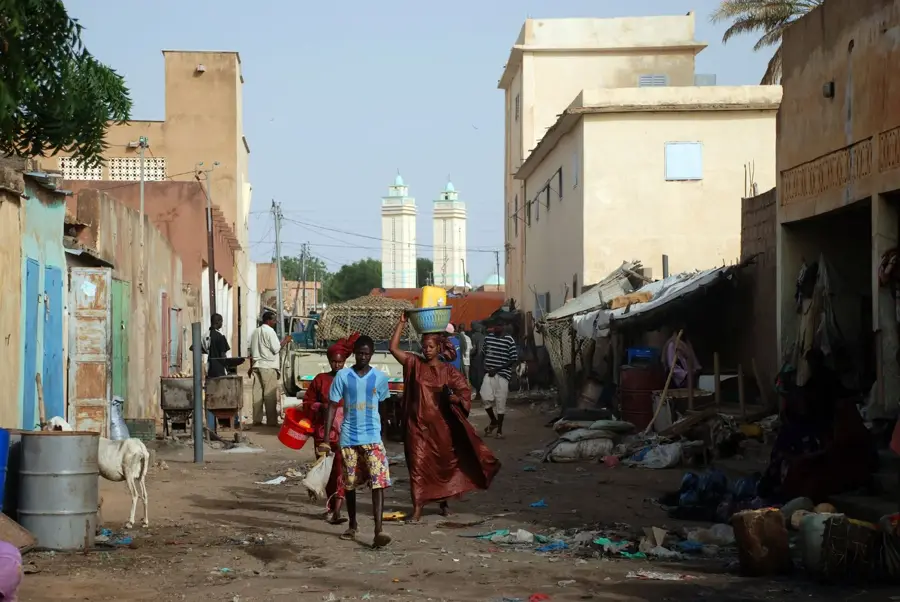
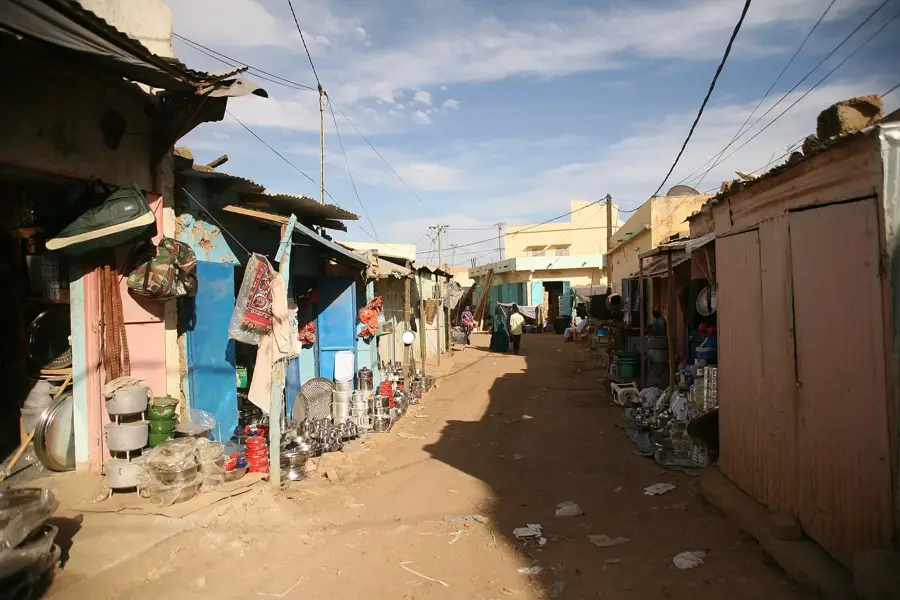
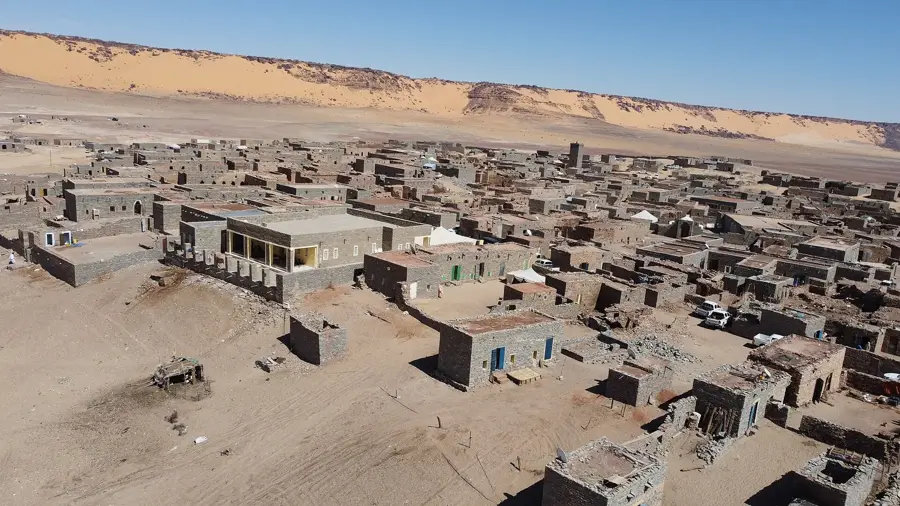
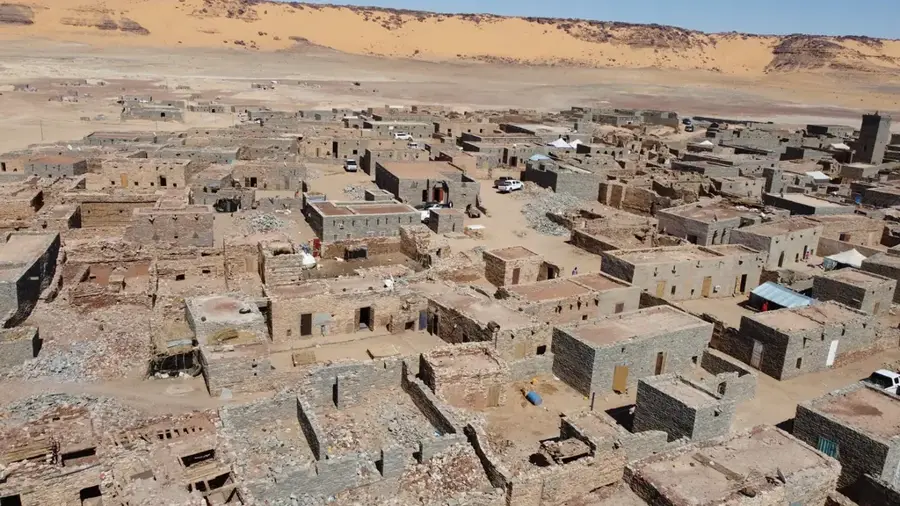
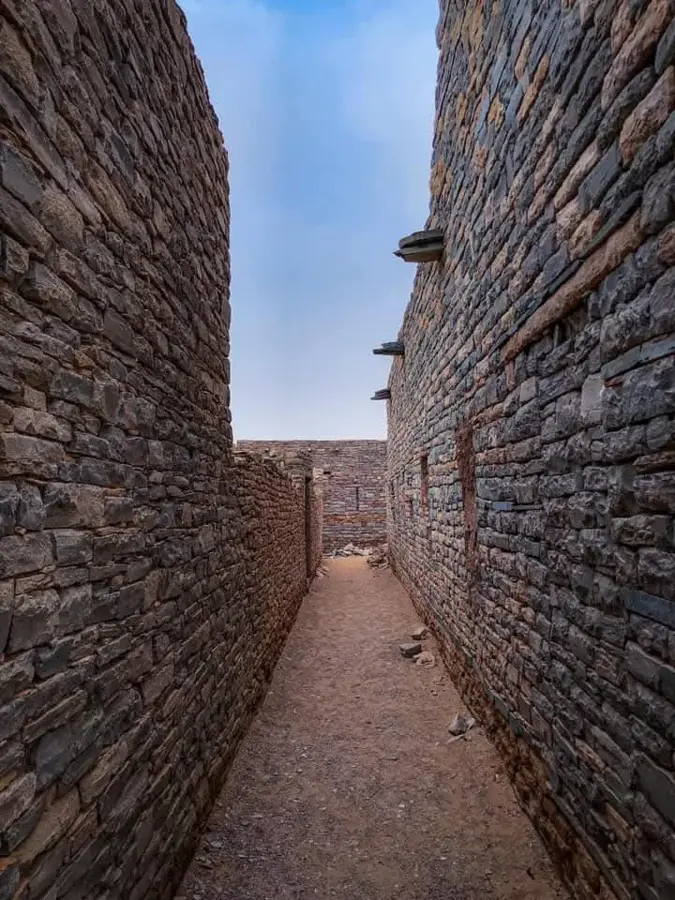
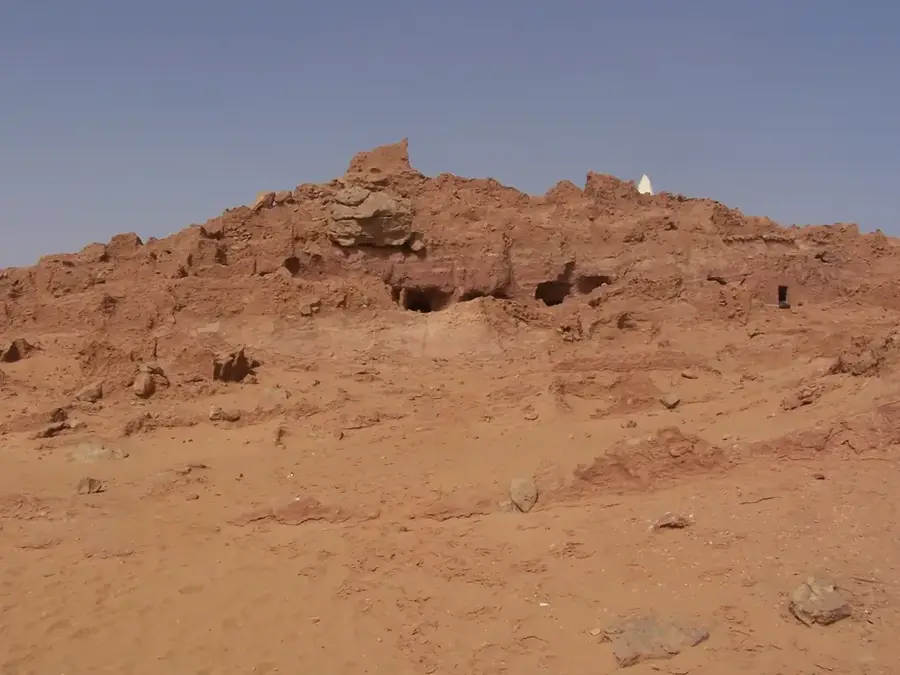
Tichitt is an ancient oasis city located at the foot of the Tagant Plateau in central Mauritania, designated as a UNESCO World Heritage site in 1996. Founded in the 12th century, it was once a major commercial hub of the trans-Saharan trade routes, where salt, gold, and knowledge were exchanged between caravans. The city is world-renowned for its distinctive stone architecture; houses are constructed using local stones of various hues, ranging from ochre to dark blue, meticulously laid in decorative layers that give the walls a mosaic-like quality. Despite the encroaching sands of the Sahara, Tichitt has preserved its medieval 'ksar' structure, featuring narrow, winding alleys designed to provide shade and protection from the desert winds. The surrounding palm groves remain the lifeline of the community, sustaining traditional date cultivation for centuries. Tichitt is also home to significant collections of ancient Islamic manuscripts, highlighting its historical importance as a center of learning. Its remote location has helped maintain its authentic atmosphere, offering a rare and profound glimpse into the architectural and cultural heritage of Saharan civilizations that have thrived in this challenging environment for nearly a millennium.
- Location: Mauritania
- Population: ~1.580 (2024)
Best time to visit & climate
The most pleasant time to visit is Feb, Nov, Dec.
| Jan | Feb | Mar | Apr | May | Jun | Jul | Aug | Sep | Oct | Nov | Dec | |
|---|---|---|---|---|---|---|---|---|---|---|---|---|
| Avg °C | 18 | 21 | 25 | 29 | 33 | 35 | 34 | 32 | 32 | 29 | 24 | 19 |
| Rain mm | 0 | 0 | 4 | 1 | 1 | 8 | 16 | 56 | 28 | 11 | 1 | 0 |
Geography
Facts
- Founded in the 5th century BCE.
- Population: approximately 2,500.
- Elevation: 400 m above sea level.
- Annual rainfall: less than 100 mm.
- UNESCO World Heritage site since 1996.
- Distance to Néma: 200 km.
Explore nearby
Notable places around




Route planner — Car & Motorhome
Where do you start? We build the route here, with stops and country notes along the way.
© OpenStreetMap contributors · OpenRouteService
Sights in the town Tichitt (1)
Frequently asked questions
Why is Tichitt famous?
How to travel there?
Best season?
Is it safe?
What can you see?
Tichitt: where is it located?
Tichitt: when is the best time to visit?
Tichitt: why is it worth visiting?

Nearby cities