Plizio Visual Lab

Dhar Tichitt Escarpment

Plizio editorial teamData Sources
Mountain
—°
Dhar Tichitt Escarpment (Mauritania)

Weather…

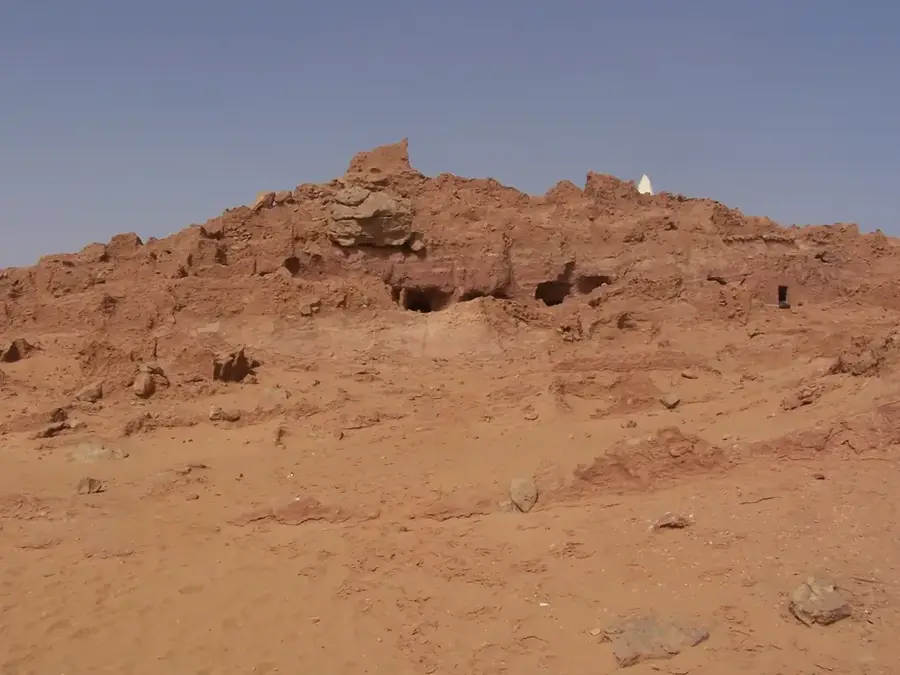
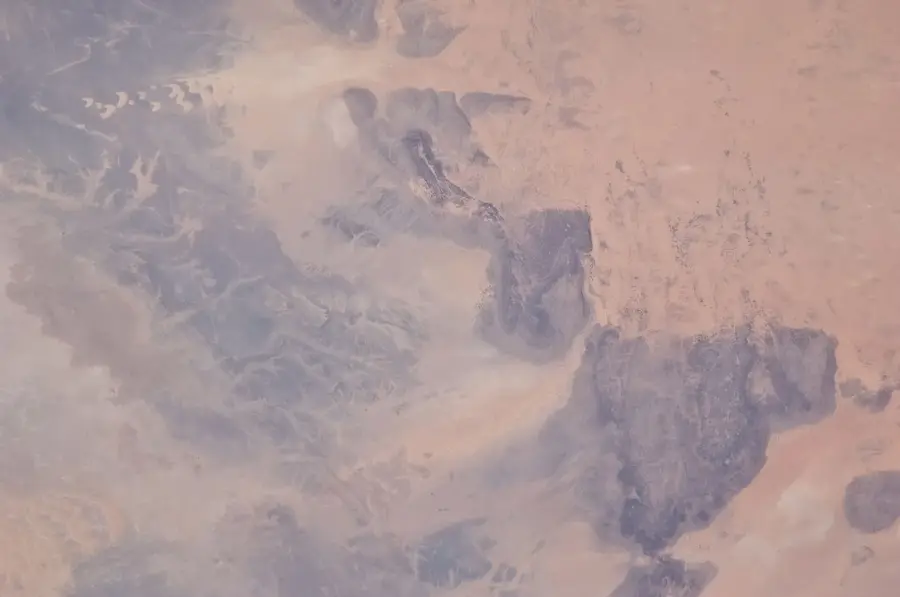
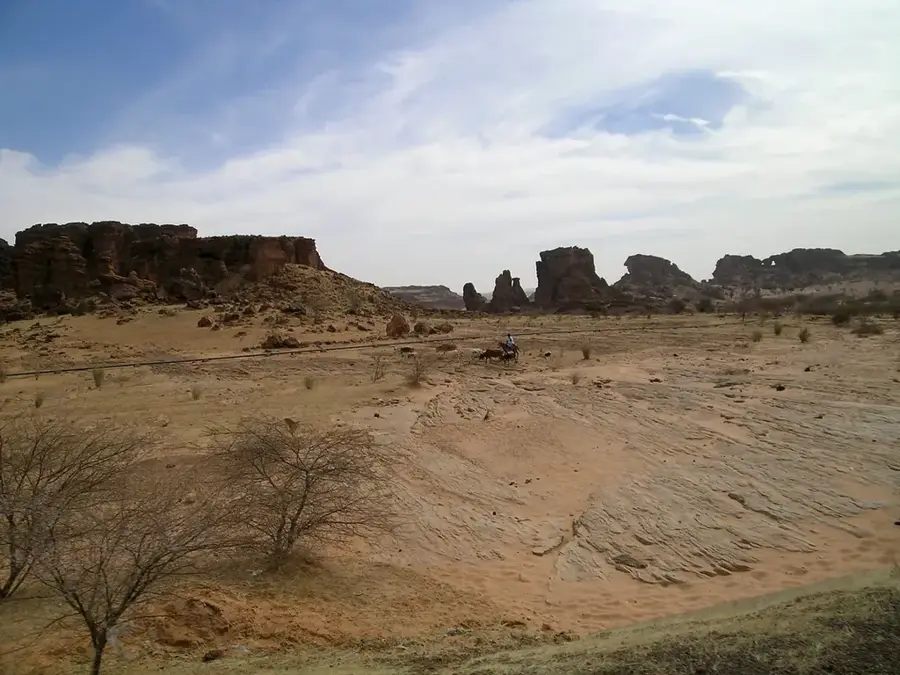
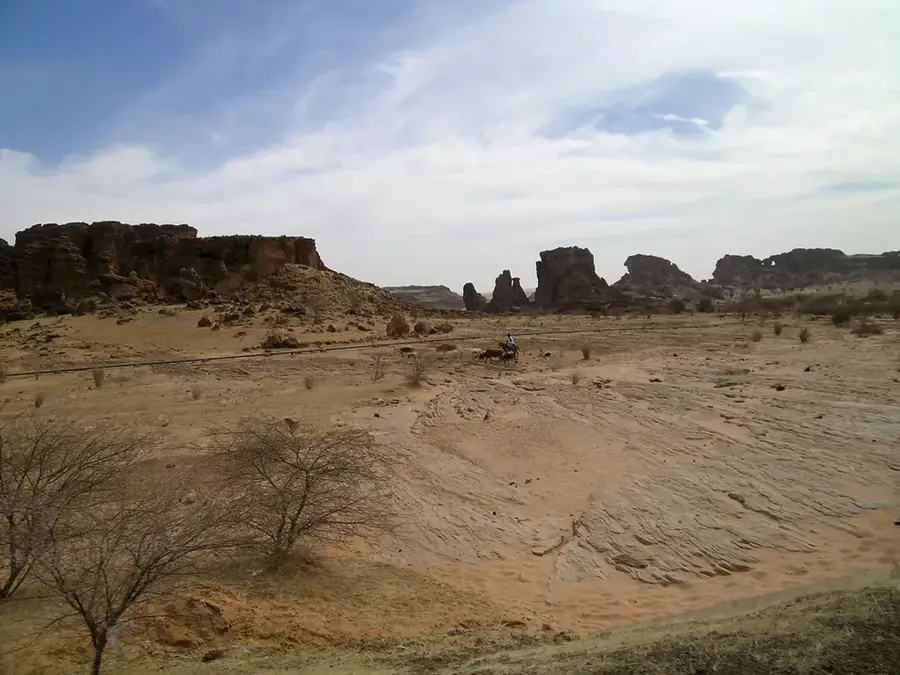
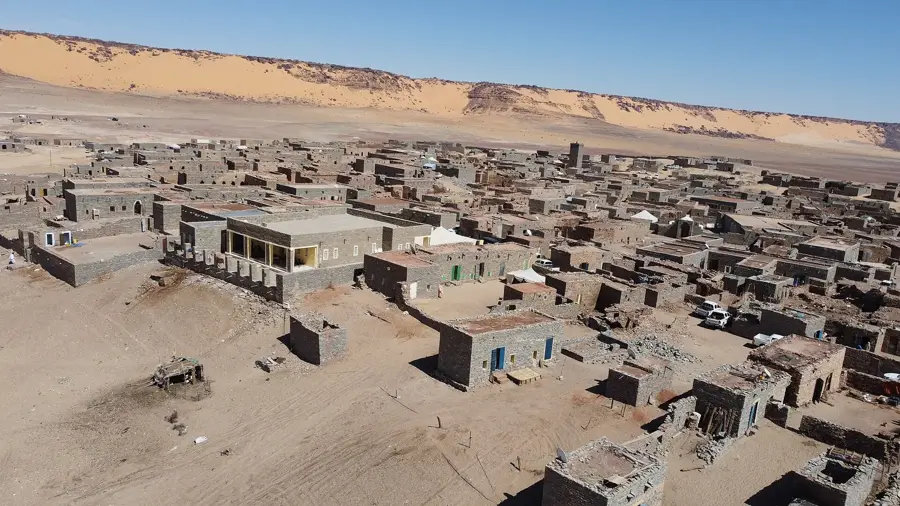
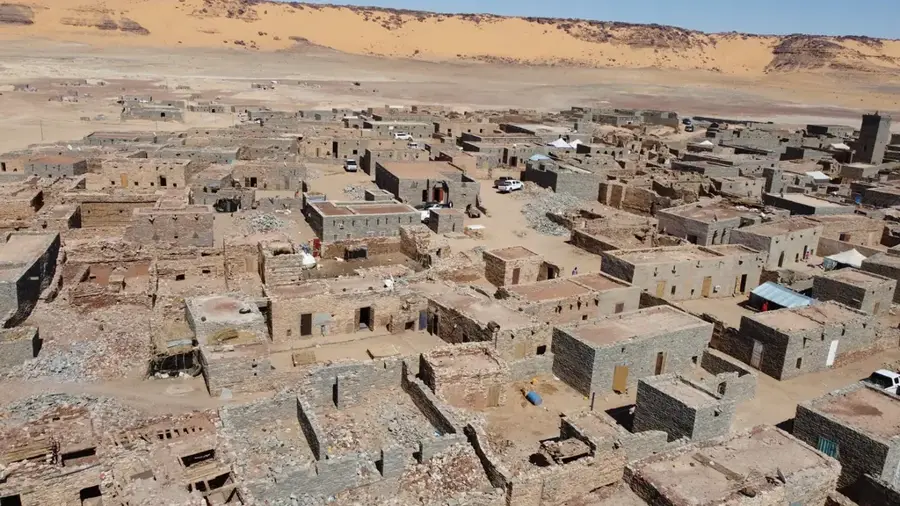
The Dhar Tichitt Escarpment is a formidable sandstone ridge stretching over 200 kilometres across south-central Mauritania, defining the southern edge of the Tagant Plateau. This dramatic geological feature is internationally renowned as one of West Africa's most significant Neolithic archaeological zones. Thousands of years ago, when the Sahara was a fertile savannah, advanced communities built extensive stone settlements along these cliffs, creating a unique urban culture known for its dry-stone masonry. Today, the ruins of these ancient ksars provide a haunting glimpse into a lost civilization that thrived before the desertification of the region. The escarpment has wide-open panoramic views of the vast desert plains below, with its jagged cliffs glowing in hues of ochre and red during sunset. Visitors to this remote area can witness the stark contrast between the prehistoric stone ruins and the shifting sands of the modern Sahara. Dhar Tichitt is a destination for the truly adventurous, combining raw natural beauty with deep historical resonance. The nearby town of Tichitt, a UNESCO World Heritage site, serves as a gateway to exploring this magnificent and archaeologically rich mountain landscape.

Best time to visit & climate

The most pleasant time to visit is Feb, Nov, Dec.

JanFebMarAprMayJunJulAugSepOctNovDec
Avg °C182125293335343232292419
Rain mm0041181656281110

📋 Practical info

🧭
Getting there
Reaching the escarpment generally involves an arduous journey over rough, unpaved terrain requiring a highly dependable 4x4 vehicle. Most visitors start their expedition from nearby settlements and heavily rely on experienced local guides to navigate the confusing trails.
📅
Best season
The optimal timeframe for a safe and relatively comfortable visit is during the winter season, lasting from November to early March. Visiting during the height of summer exposes travelers to severely high temperatures that make any physical exertion quite dangerous.
⛰️
Terrain & paths
The landscape is characterized by dramatic erosion edges, uneven rocky plateaus, and steep, unstable slopes formed by centuries of weathering. Hiking here demands excellent physical balance, as there are no constructed paths, only wild, natural rocky terrain to traverse.
🎒
What to bring
High-quality, durable hiking boots with deep treads are mandatory for gripping the dusty, weathered stone safely. Additionally, visitors must carry their own comprehensive survival supplies, including large quantities of water, sun protection, and a basic medical kit.
🅿️
Parking
There are zero formalized parking lots near the escarpament; vehicles are simply parked on the most stable, flat piece of ground available nearby. Drivers must carefully assess the terrain to avoid soft sand traps before turning off the engine to begin the hike.
⚠️
Safety
The pronounced erosion edges can be deceptively brittle, making it critical to stay well back from the sheer drop-offs to prevent accidents. Because this region is incredibly remote, medical assistance is virtually non-existent, demanding extreme caution at all times.
⏱️
Time needed
A thorough exploration of the striking geological formations and taking time to photograph the dramatic cliff faces usually requires four to six hours. Due to the travel time involved, this destination is almost exclusively treated as a comprehensive full-day excursion.

Geography

Coordinates
18.40000, -9.50000

Facts

  • UNESCO World Heritage since 1996
  • Part of Dhar Tichitt-Walata chain
  • Settlements from 2000 BC
  • Dry-stone wall constructions
  • Formerly a fertile area
  • Strategic defensive location

Explore nearby

Notable places around
Route planner — Car & Motorhome

Where do you start? We build the route here, with stops and country notes along the way.

Vehicle
Only stops with (optional):

© OpenStreetMap contributors · OpenRouteService

Sights nearby

Frequently asked questions

What does Dhar Tichitt offer?
Spectacular geological formations and views.
Is hiking allowed?
Yes, but plan for the heat.
What is the terrain like?
Rocky and partly loose rock.
Are there animals?
Only very few species adapted to the desert.
When is the light best?
At sunrise or sunset.
Dhar Tichitt Escarpment: where is it located?
Dhar Tichitt Escarpment is located in Mauritania.
Dhar Tichitt Escarpment: when is the best time to visit?
The most pleasant time to visit is Feb, Nov, Dec.
Dhar Tichitt Escarpment: why is it worth visiting?

The Dhar Tichitt Escarpment is a formidable sandstone ridge stretching over 200 kilometres across south-central Mauritania, defining the southern edge of the Tagant Plateau.
View on map → The Top 50 Attractions → OpenStreetMap →
Africa
Explore with Plizio Discover more places in Africa
More places in Mauritania →

Nearby cities

More places