Plizio Visual Lab
Nouadhibou
ℹ️Practical info — Nouadhibou
▾
🌤 Weather — 5 days
📍 Nearby
Sights nearby
💡 Tips
- Visit Cap Blanc to see the rare Mediterranean monk seals, one of the few places to spot them globally.
- Strictly avoid taking photos at the Port Minéralier (Iron Ore Port); police are very strict and may confiscate cameras.
- Reaching the seal reserve requires a 4WD vehicle or a taxi willing to handle the sandy unpaved tracks.
- Enjoy fresh seafood directly at the Port Artisanal, the city's spirited and busy fishing port.
- Be mindful of the very strong winds at the cape, which often blow sand and sea spray.
🍽 Food
The city's specialty, fresh from the Atlantic and usually served near the port area.
Traditional rice and fish dish, best enjoyed in local neighborhood restaurants.
Freshly caught sea bream served with simple rice or bread in street-side eateries.
🛍 Shopping · 🧘 Quiet spots
A bustling area where you can watch the daily catch and buy fresh seafood.
Look for colorful malahfas, the traditional wraps, in the city center stores.
A secluded spot at the southernmost point, first-rate for observing nature in silence.
Located away from the industrial center, offering wide spaces for long walks by the ocean.
Water temperature…
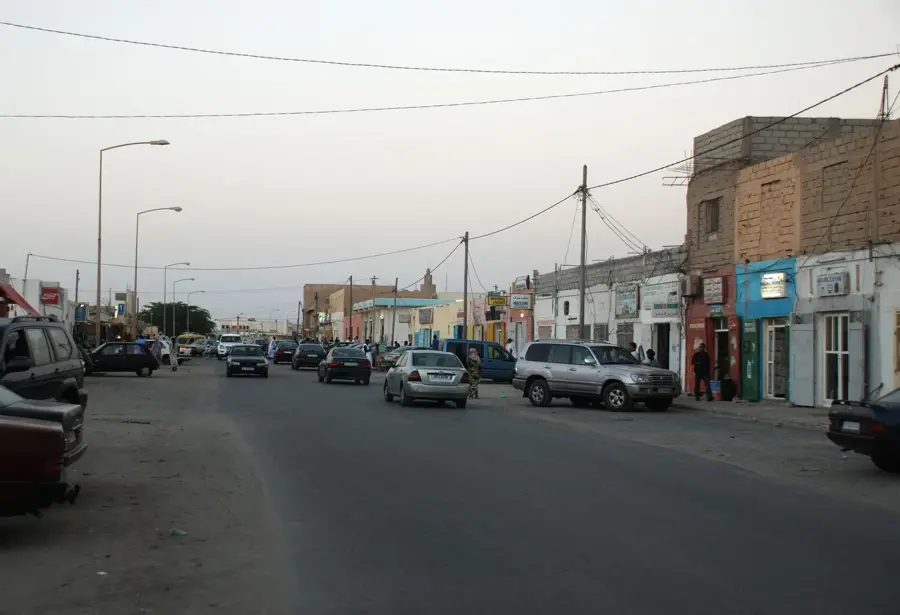
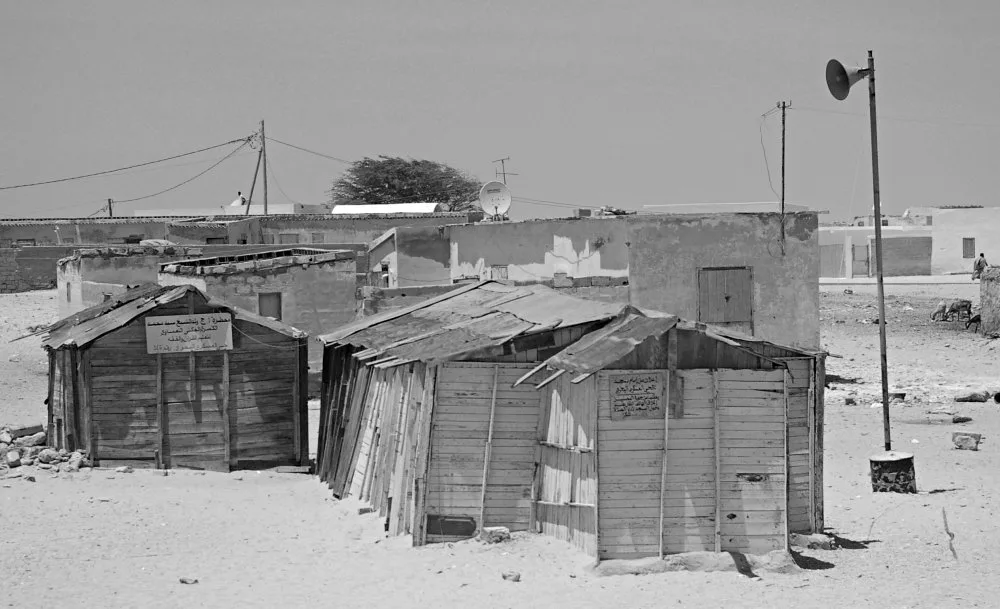
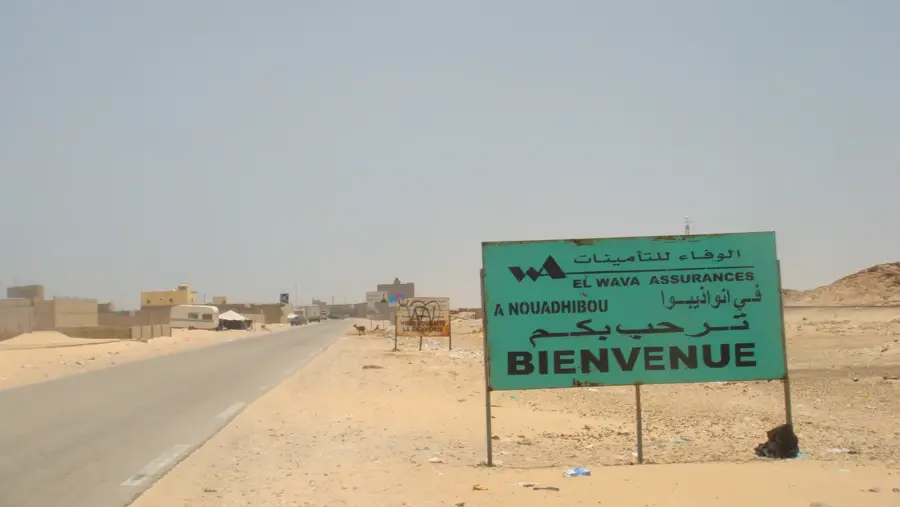
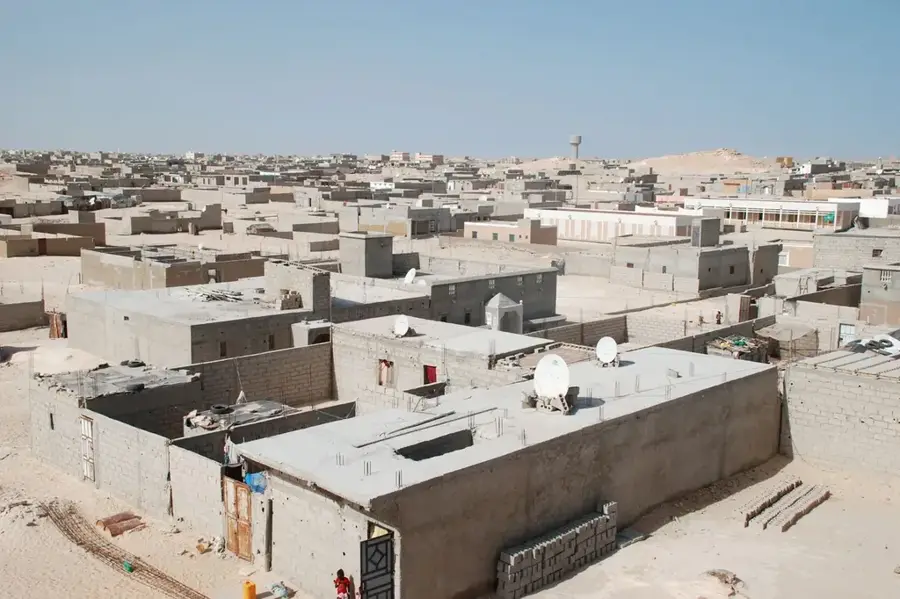
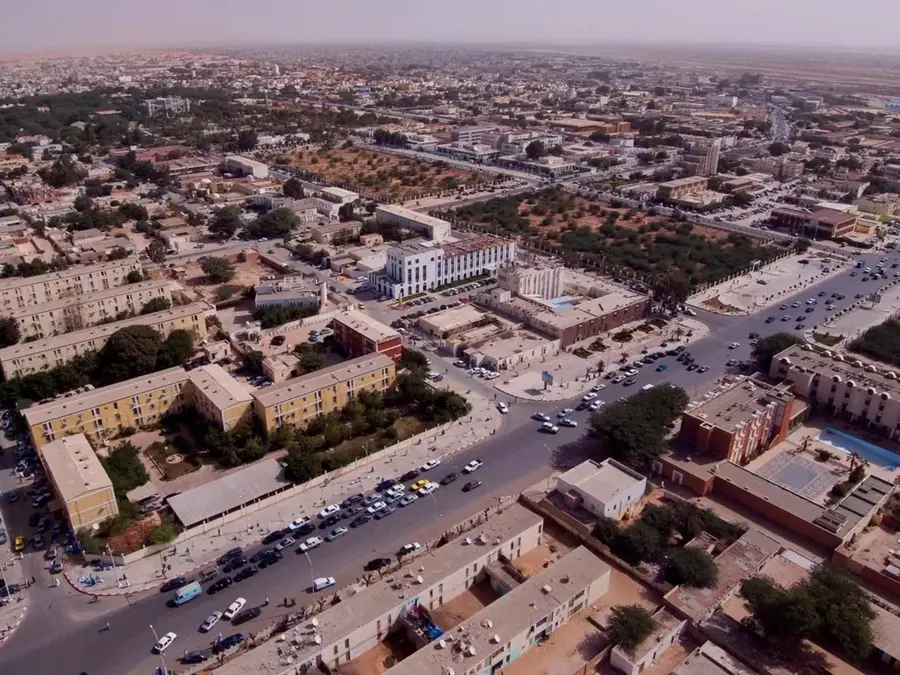
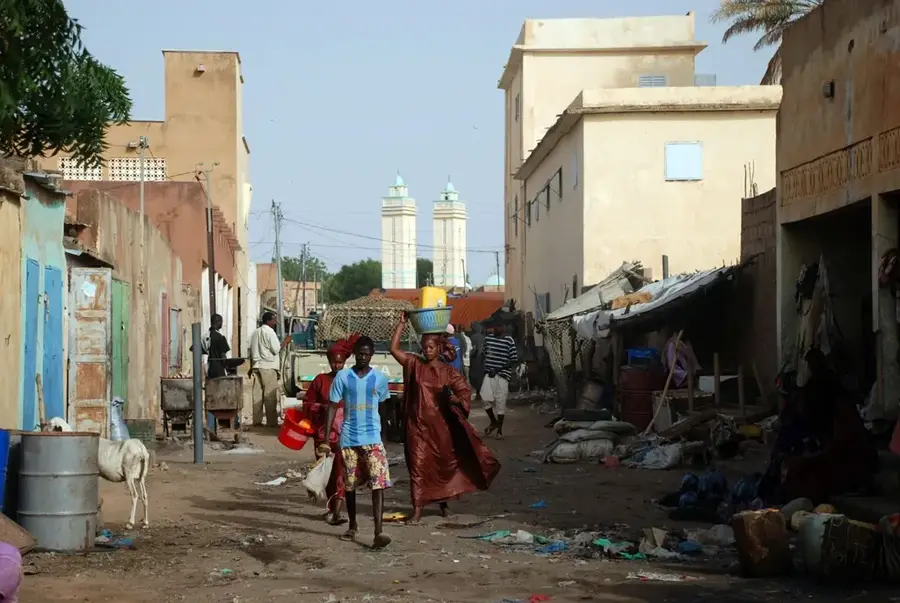
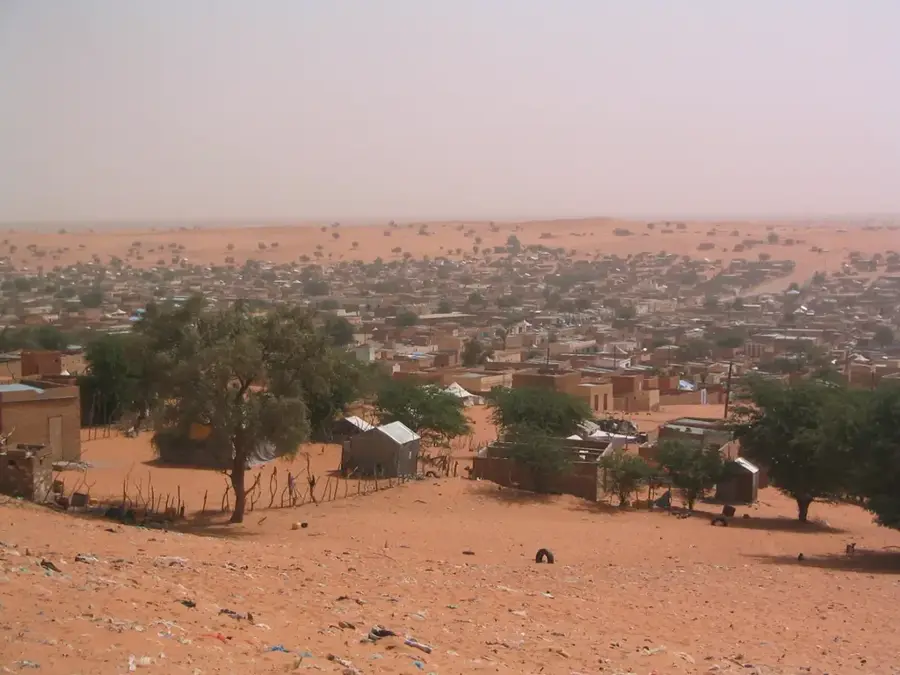
Nouadhibou, formerly known as Port-Étienne, is Mauritania's second-largest city and its most vital economic gateway, situated on the Ras Nouadhibou peninsula. The city's primary function is as a deep-water port for the export of iron ore, which arrives via the world-famous iron ore train from the inland mines of Zouérat. This railway is a marvel of desert logistics, often stretching over two kilometers in length. Beyond mining, Nouadhibou is a global center for the fishing industry, taking advantage of the nutrient-rich Atlantic currents that make these waters some of the most productive on the planet. For many years, the city was also notorious for hosting one of the world's largest ship graveyards, with hundreds of rusted vessels abandoned along its coastline. Located right on the sensitive border with Western Sahara, Nouadhibou possesses a stark, frontier-like atmosphere where the relentless Sahara sands meet the bustling activity of a major international shipping hub.
- Location: Mauritania
- Population: ~146.048 (2026)
Best time to visit & climate
The most pleasant time to visit is Mar–May.
| Jan | Feb | Mar | Apr | May | Jun | Jul | Aug | Sep | Oct | Nov | Dec | |
|---|---|---|---|---|---|---|---|---|---|---|---|---|
| Avg °C | 19 | 19 | 21 | 21 | 22 | 23 | 25 | 26 | 27 | 25 | 22 | 20 |
| Rain mm | 2 | 1 | 1 | 1 | 1 | 0 | 1 | 5 | 8 | 16 | 3 | 2 |
Geography
Facts
- population: approx. 130,000
- port: Port de Nouadhibou
- railway to Zouérat (650 km)
- ship graveyard: over 300 wrecks
- airport: Nouadhibou International
- main export: iron ore
Explore nearby
Notable places around


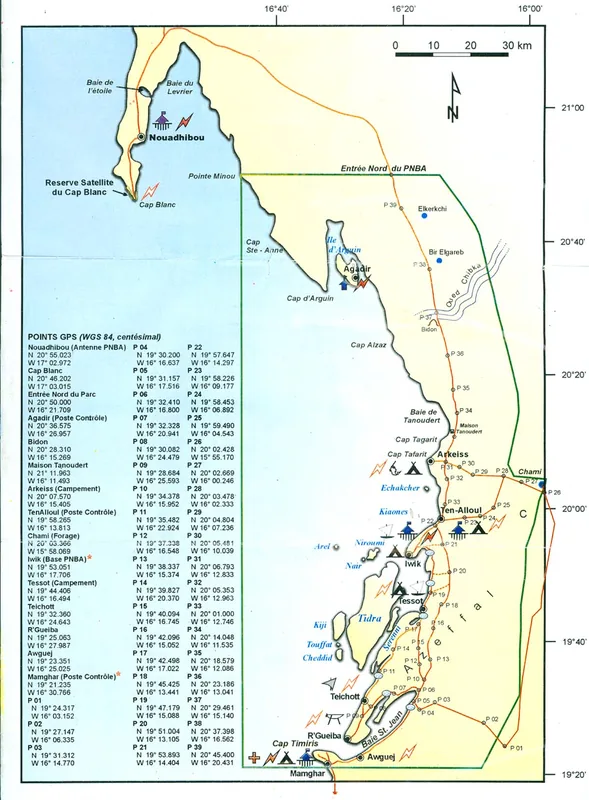
Route planner — Car & Motorhome
Where do you start? We build the route here, with stops and country notes along the way.
© OpenStreetMap contributors · OpenRouteService
Frequently asked questions
What is Nouadhibou known for?
Is the city attractive to visitors?
How do you get there?
What is nearby?
What is the weather like in Nouadhibou?
Nouadhibou: where is it located?
Nouadhibou: when is the best time to visit?
Nouadhibou: why is it worth visiting?

Nearby cities
History & landmarks
More places