Plizio Visual Lab

Diawling National Park

Plizio editorial teamData Sources
park
—°
Diawling National Park (Mauritania)

Weather…

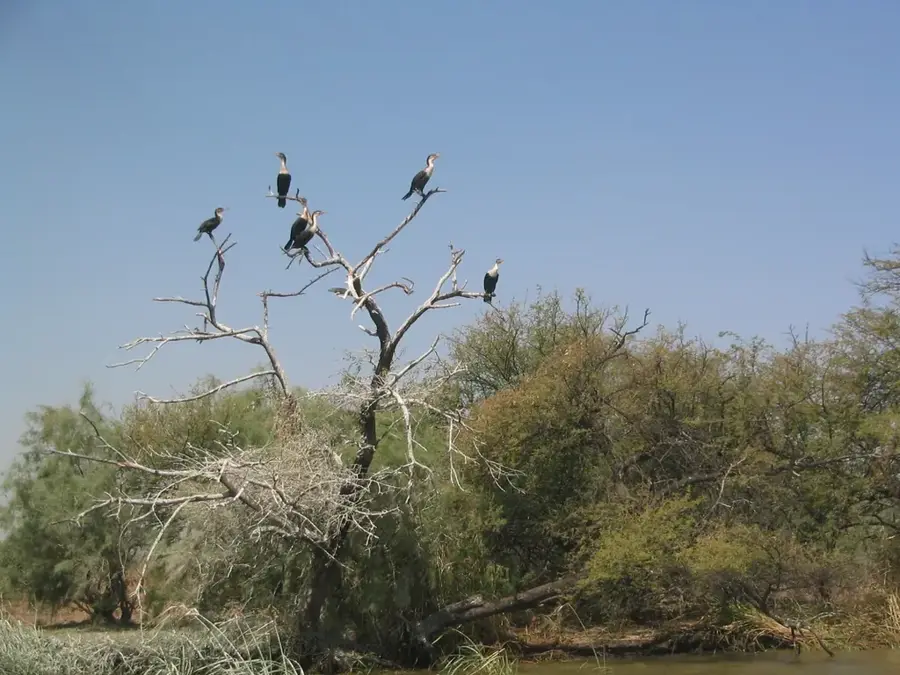
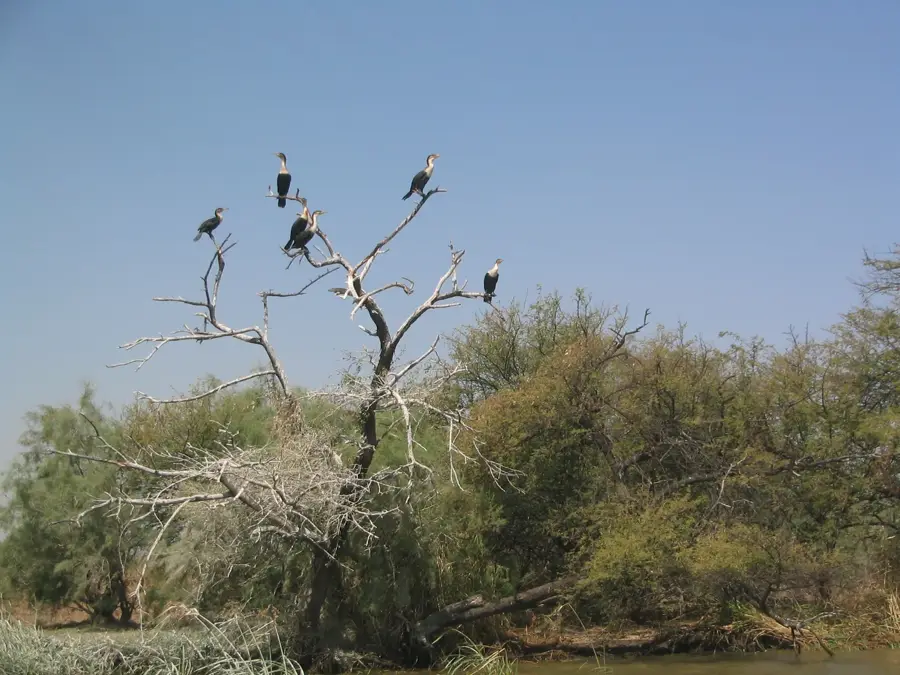
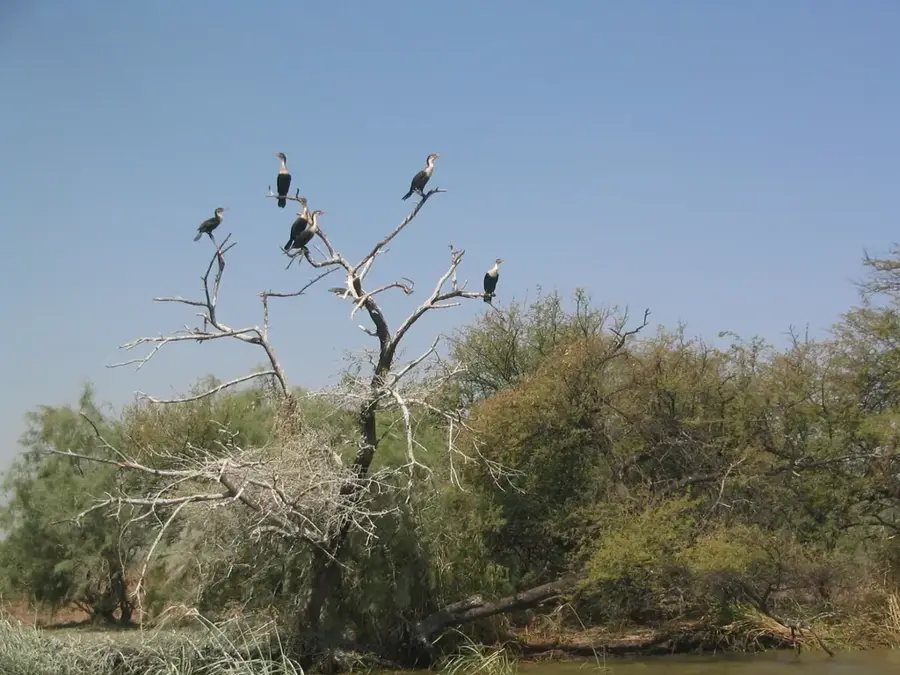
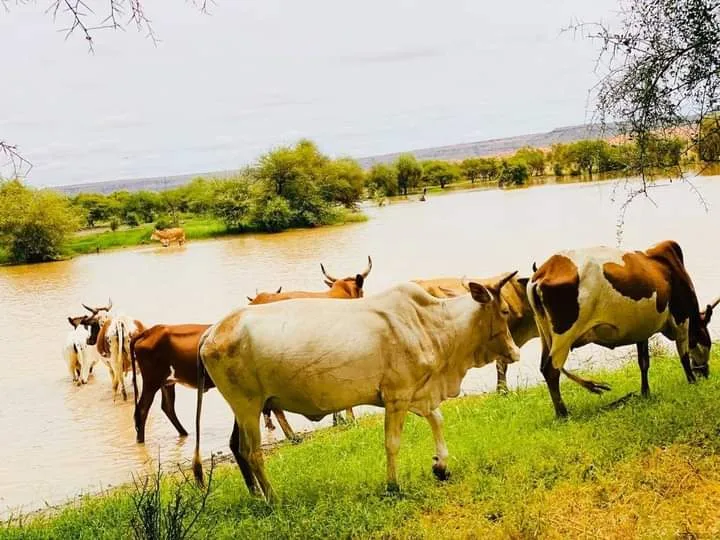
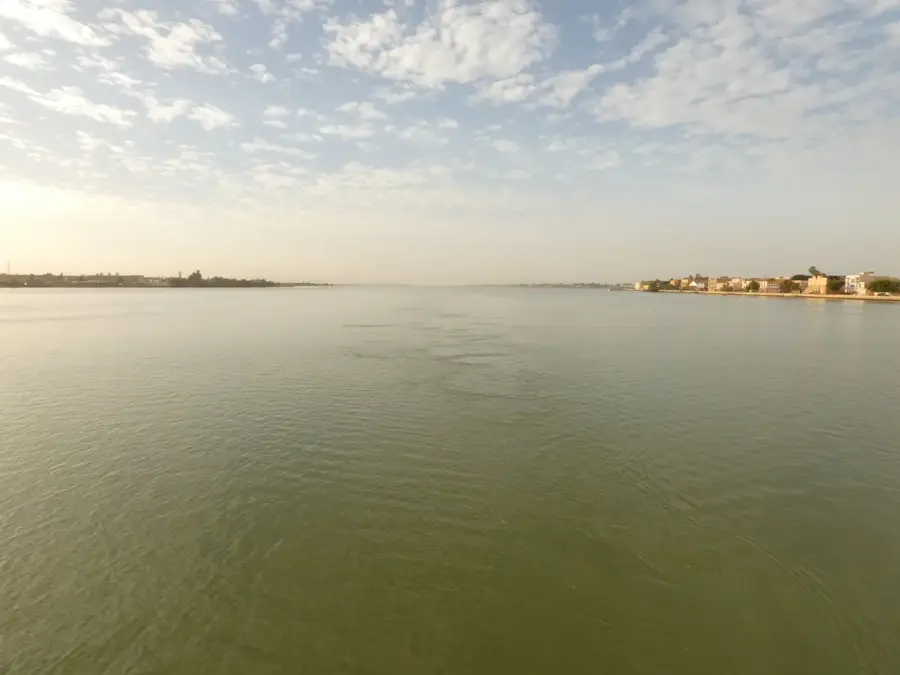
Diawling National Park in Mauritania is a remarkable achievement in ecological restoration and conservation management. Established in 1994 at the mouth of the Senegal River, the park was created to mitigate the environmental damage caused by the construction of the Diama Dam, which threatened the delta's delicate balance. Covering 16,000 hectares of wetlands, lagoons, and salt marshes, it is recognized as a RAMSAR site of international importance. The park serves as a vital sanctuary for migratory birds traveling between Europe and Africa; it is not uncommon to see vast colonies of Great White Pelicans, cormorants, and various species of ducks inhabiting its waters. For the local communities, the park is a lifeline, supporting traditional fishing, grazing, and craft industries through carefully controlled flooding cycles. Diawling stands as a spirited oasis where the Saharan dunes meet the life-giving waters of the Senegal River, showcasing the resilience of nature when supported by proactive human intervention.

Best time to visit & climate

The most pleasant time to visit is Jan, Feb, Dec.

JanFebMarAprMayJunJulAugSepOctNovDec
Avg °C222224242527282929292623
Rain mm392410845102911510

📋 Practical info

🧭
Getting there
The national park is best reached by driving from the capital, Nouakchott, heading south towards the Senegal River delta on mostly paved roads. Once inside the park boundaries, a sturdy 4x4 vehicle is usually required to successfully navigate the unpaved, muddy wetland tracks.
📅
Best season
The prime birdwatching season runs from November to March, coinciding with the arrival of massive flocks of migratory bird species from Europe. Visiting during the wet season (July to September) can be very difficult as many dirt tracks become completely impassable due to flooding.
⛰️
Terrain & paths
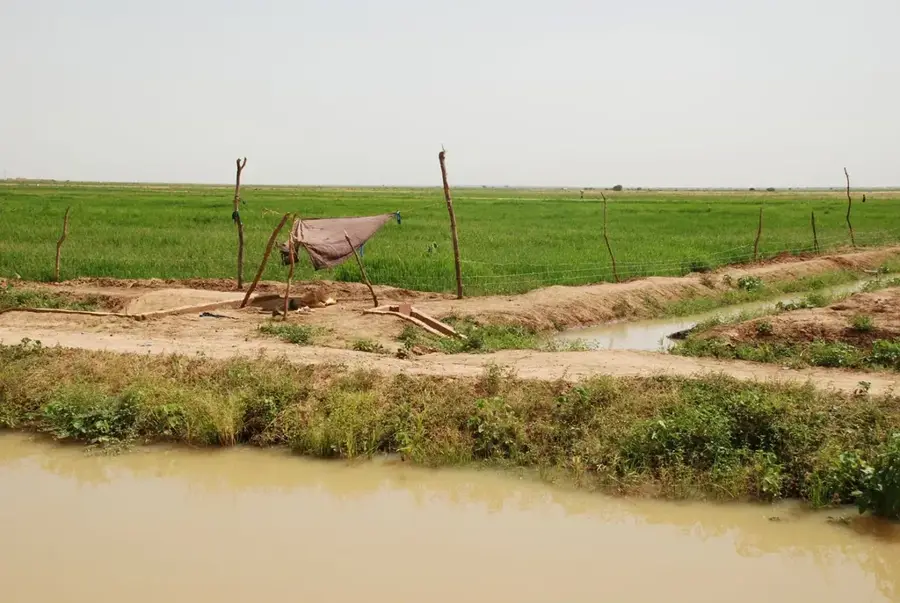
The park consists of a predominantly flat, expansive wetland ecosystem featuring floodplains, shallow lagoons, and muddy mangrove areas. Walking is relatively easy on the dry embankments, but visitors must be cautious of incredibly sticky mud and waterlogged paths near the shores.
🎒
What to bring
Essential gear includes a good pair of waterproof boots or wellies, potent insect repellent to ward off mosquitoes, and high-quality binoculars for birding. Lightweight, neutral-colored clothing that covers the arms and legs is highly recommended to protect against both sun and bugs.
🅿️
Parking
Visitors generally park their vehicles at designated administrative entry posts or safe, elevated dry patches designated by local park rangers. It is crucial to never park too close to the water's edge, as sudden water level changes or hidden soft mud can easily trap a vehicle.
⚠️
Safety
The primary safety concerns involve aggressive mosquito bites, the potential presence of waterborne diseases, and getting vehicles bogged down in the mud. Swimming in the river or lagoons is strictly discouraged due to hidden currents and the risk of encountering wildlife like crocodiles.
⏱️
Time needed
A meaningful visit to observe the incredible variety of birdlife and explore the various wetland habitats typically takes a full half-day. Dedicated birdwatchers and nature photographers often opt to spend an entire day from dawn to dusk to witness the diverse wildlife activities.

Geography

Coordinates
16.38000, -16.42000

Facts

  • The park was established in 1991.
  • It spans 13,000 hectares.
  • More than 300 bird species have been recorded.
  • Annual visitor numbers exceed 7,000.
  • The park is a Ramsar site since 2000.
  • It lies at an average elevation of 1.5 m.

Explore nearby

Notable places around

Route planner — Car & Motorhome

Where do you start? We build the route here, with stops and country notes along the way.

Vehicle
Only stops with (optional):

© OpenStreetMap contributors · OpenRouteService

Sights nearby

Frequently asked questions

How is the wildlife?
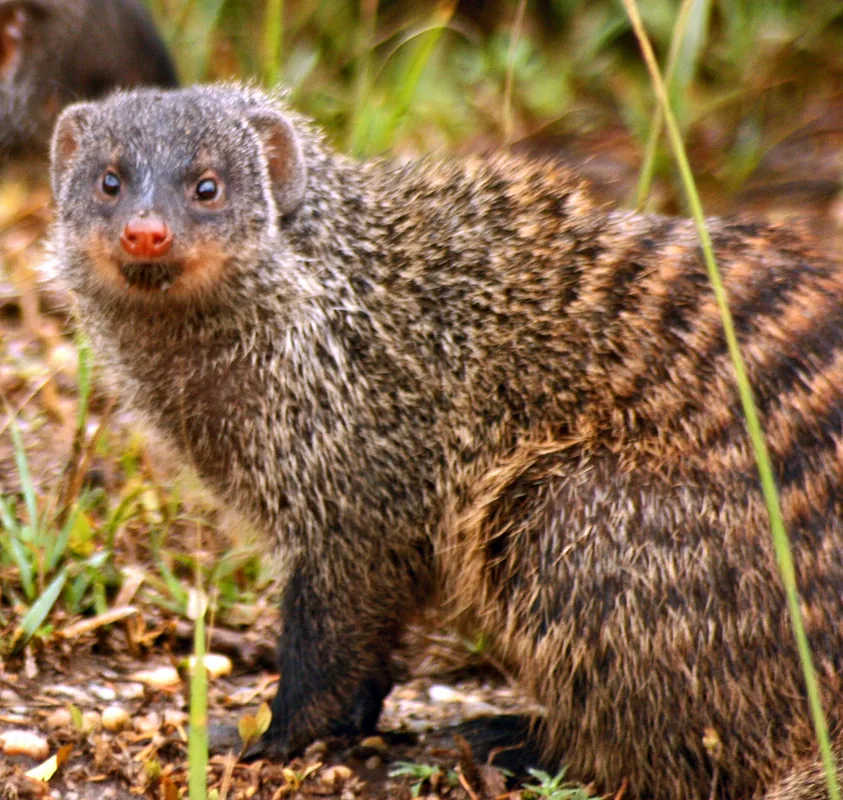
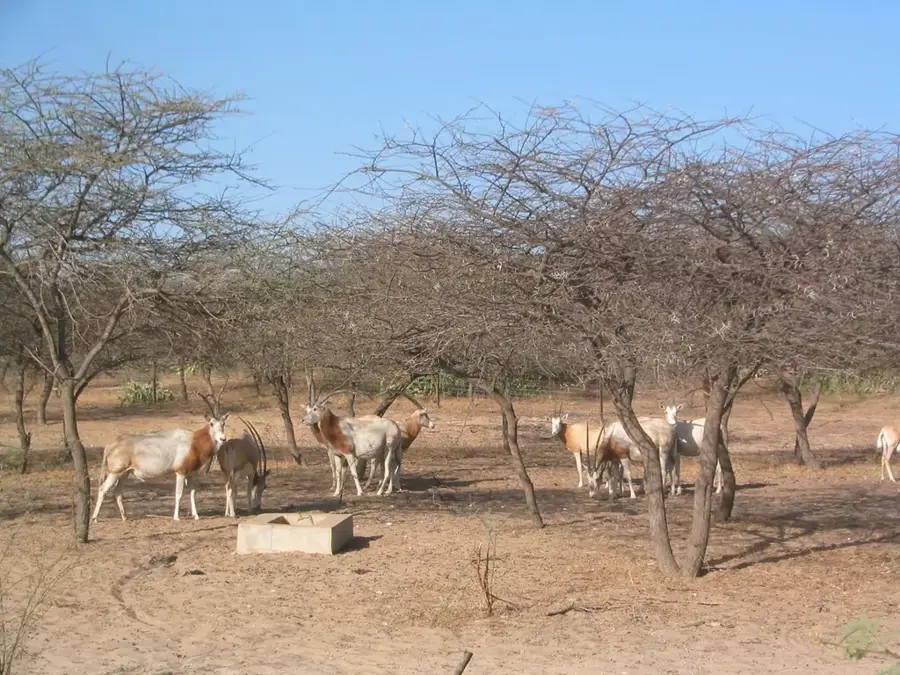
It is a bird paradise and rich in fauna.
Can you visit the park alone?
An official guide is mandatory for safety.
When is the best travel time?
Winter months are climatically best.
Are there accommodations in the park?
There are simple camps, no luxury hotels.
Is a special vehicle needed?
Yes, a 4x4 vehicle is absolutely necessary.
Diawling National Park: where is it located?
Diawling National Park is located in Mauritania.
Diawling National Park: when is the best time to visit?
The most pleasant time to visit is Jan, Feb, Dec.
Diawling National Park: why is it worth visiting?

Diawling National Park in Mauritania is a remarkable achievement in ecological restoration and conservation management.
View on map → The Top 50 Attractions → OpenStreetMap →
Africa
Explore with Plizio Discover more places in Africa
More places in Mauritania →

Nearby cities

History & landmarks

Nature