Plizio Visual Lab
Niafunké
ℹ️Practical info — Niafunké
▾
🌤 Weather — 5 days
📍 Nearby
Sights nearby
💡 Tips
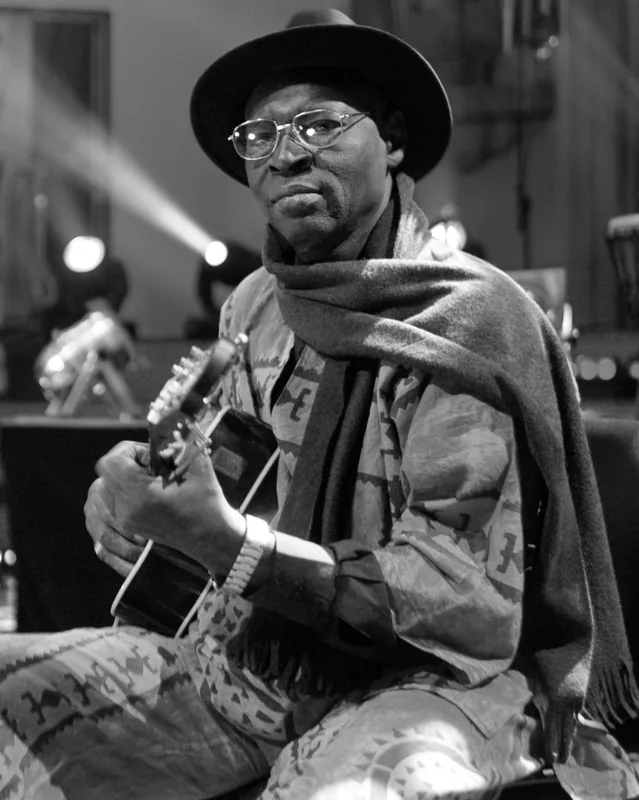
- Visit the former compound and tomb of legendary musician Ali Farka Touré to pay respects to his immense cultural legacy.
- Travel between November and January when the Niger River's water level is high enough for traditional pinasse boats.
- Take a river trip to nearby Lake Debo, which is a prime spot for spotting hippos and various migratory birds.
- Check out the verdant irrigation and reforestation projects initiated by Touré to combat the encroaching desert.
- Be prepared for long social greetings; taking time for tea and conversation is essential in local Songhai culture.
🍽 Food
Freshly caught Nile Perch, usually prepared over charcoal at simple stalls along the Niger riverbank.
A local staple often served with a savory fish sauce in the family compounds of the town.
Small fried millet pancakes, a popular street snack found in the central market area during the morning.
🛍 Shopping · 🧘 Quiet spots
Look for CDs or tapes of Ali Farka Touré and local desert blues artists at small stalls in the town center.
The morning market by the river is the best place to find fresh or traditionally smoked fish from the Niger.
Heavy hand-woven cotton blankets with traditional geometric patterns, often sold by local artisans.
The riverfront gives a peaceful atmosphere and memorable views as the sun sets over the water.
The shaded areas of the reforestation projects provide a cool escape from the Sahelian heat.
Hire a small pirogue for a quiet paddle through the reeds to observe the local birdlife away from the town.
Water temperature…
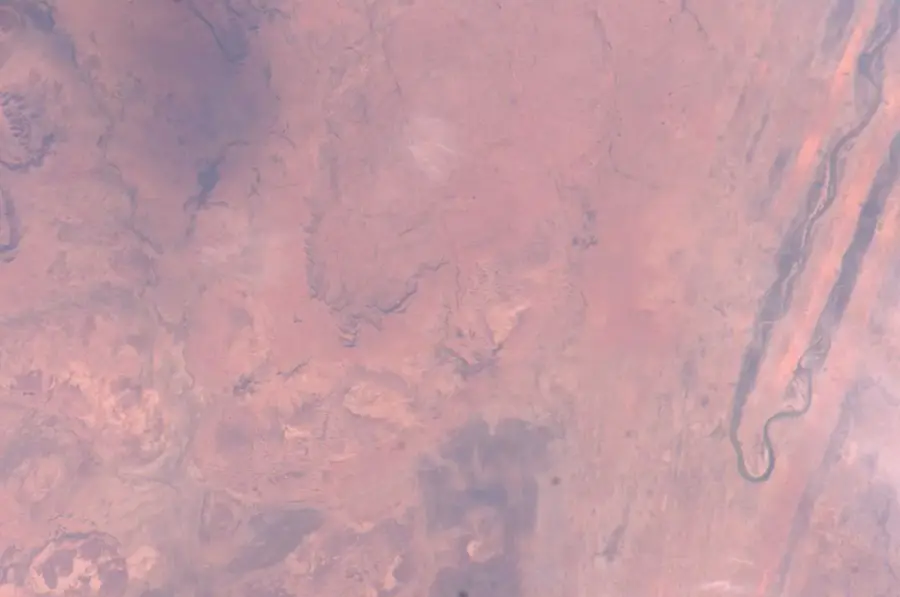
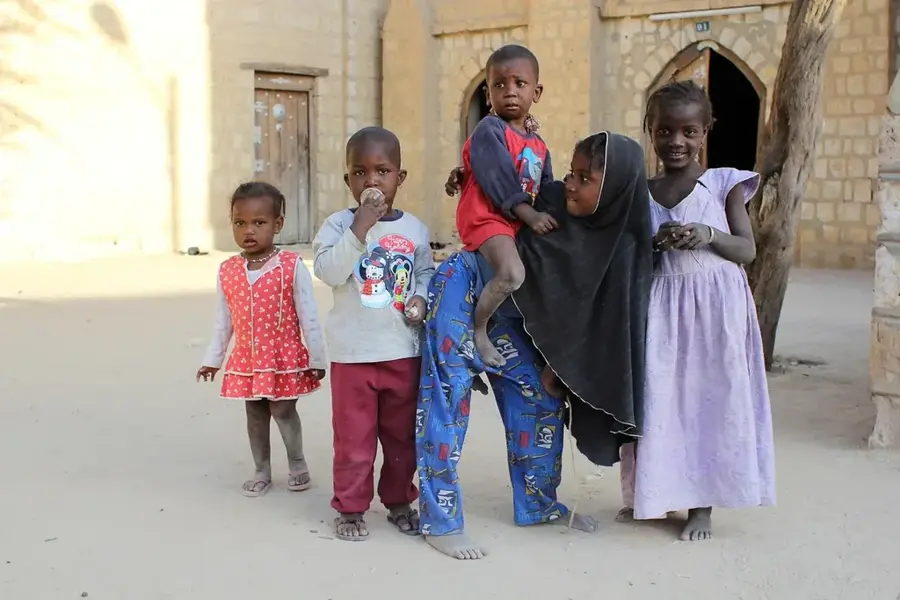
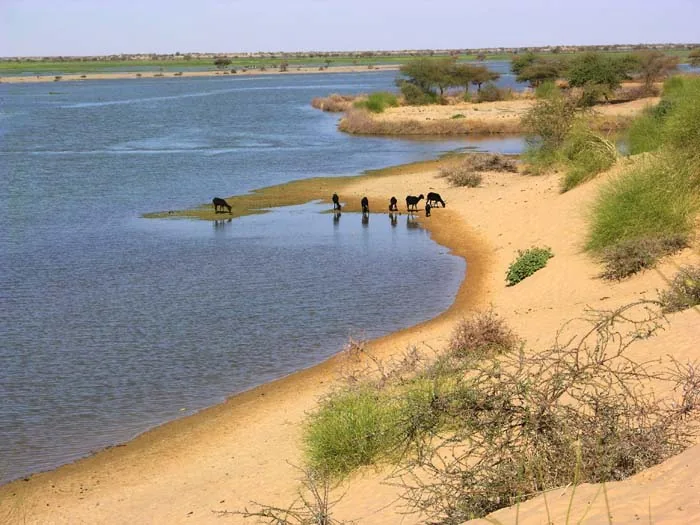
Niafunké is a world-renowned town in northern Mali, situated on the banks of the Niger River in the Timbuktu Region. It achieved international fame as the home of the legendary musician Ali Farka Touré, who not only lived there but also served as the town's mayor, significantly impacting its agricultural development. Niafunké lies at the junction between the fertile riverbanks and the dry Sahara, creating a unique cultural environment. The town's economy is centered on irrigated agriculture, specifically the production of rice and tobacco, as well as river fishing. It is a cultural crossroads for the Songhai, Fulani, and Tuareg peoples, whose combined influences gave birth to the famous 'Desert Blues' sound. Niafunké serves as a major river port for the transit of goods between Mopti and Timbuktu. The town maintains a rich heritage of traditional crafts, particularly leatherwork and boat building. For music lovers worldwide, Niafunké remains a symbolic site representing the deep connection between African soil and the global blues tradition.
- Location: Mali
- Nearby: Goundam (64 km)
- Population: ~6.901 (2021)
Best time to visit & climate
The most pleasant time to visit is Jan, Feb, Dec.
| Jan | Feb | Mar | Apr | May | Jun | Jul | Aug | Sep | Oct | Nov | Dec | |
|---|---|---|---|---|---|---|---|---|---|---|---|---|
| Avg °C | 21 | 24 | 28 | 32 | 35 | 35 | 32 | 30 | 31 | 31 | 26 | 22 |
| Rain mm | 1 | 1 | 0 | 2 | 7 | 32 | 85 | 136 | 62 | 9 | 0 | 0 |
Geography
Facts
- Home and legacy site of the Grammy-winning musician Ali Farka Touré
- Major river port on the navigation route to Timbuktu
- Strategic center for irrigated rice and tobacco production
- Global hub for the 'Desert Blues' musical genre
- Administrative capital of the historic and cultural Niafunké Cercle
- Located at the transition between the Niger Delta and the Sahara
Explore nearby
Notable places around


Route planner — Car & Motorhome
Where do you start? We build the route here, with stops and country notes along the way.
© OpenStreetMap contributors · OpenRouteService
Sights in the town Niafunké (1)
Frequently asked questions
What is Niafunké culturally?
When is the best travel time?
How long does a visit take?
Are there sights?
Is it developed for tourists?
Niafunké: where is it located?
Niafunké: when is the best time to visit?
Niafunké: why is it worth visiting?

Nearby cities

History & landmarks
Nature
More places