Plizio Visual Lab
Araouane

ℹ️Practical info — Araouane
▾
🌤 Weather — 5 days
📍 Nearby
Sights nearby
💡 Tips
- Prepare for an extreme desert climate and bring plenty of water.
- Protect your electronic devices from the pervasive sand.
- Organize your trip carefully in advance, as infrastructure is minimal.
- Respect local customs and dress conservatively.
🍽 Food
Enjoy the local sweet mint tea, traditionally served in three rounds, often offered by locals.
Try the traditional bread baked directly in the hot desert sand, if you have the chance to see it made.
🛍 Shopping · 🧘 Quiet spots
Look for small leather goods or traditional jewelry crafted by the local Tuareg nomads.
Historically a major trading post, you might still find slabs of salt from the Taoudenni mines.
Walk to the edge of the village to experience the profound silence and vastness of the Sahara dunes.
Water temperature…
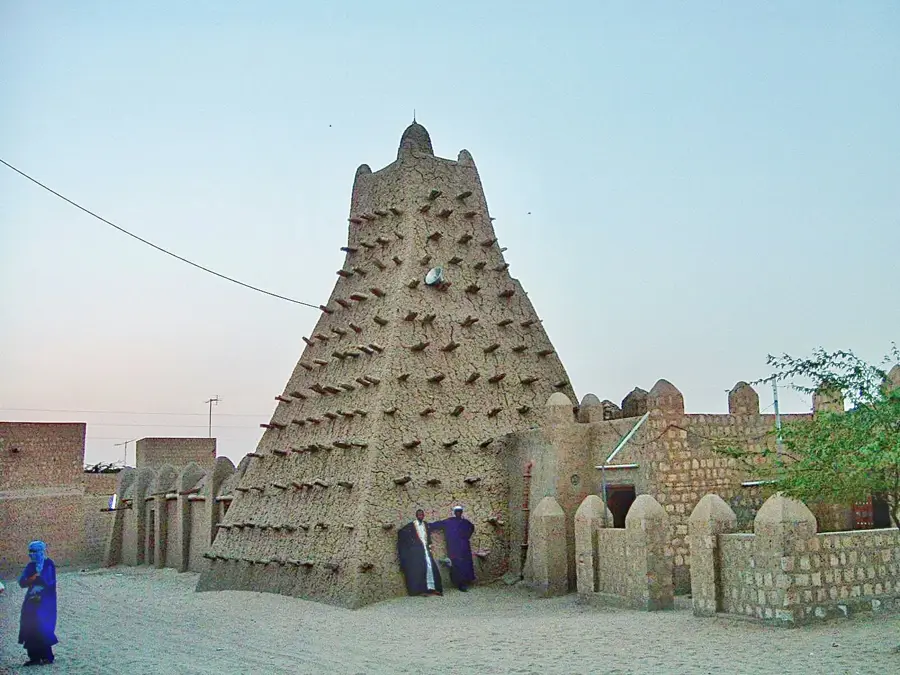
Araouane is a historical village in the Malian Sahara, located approximately 260 kilometers north of Timbuktu. Founded in the 16th century by the scholar Ahmed Ag Adda, the settlement developed into a significant center of Islamic learning and an indispensable resting place for the Azalaï salt caravans. The village is situated in an extreme desert environment where shifting sand dunes constantly threaten the buildings, requiring continuous maintenance of the mud-brick architecture. For centuries, Araouane served as a link between Timbuktu and the salt mines of Taoudenni, with the village's wells providing the only water source for travelers on this harsh route. Despite the decline of caravan trade, the site retains its cultural significance through its association with prominent Sufi scholars. Today, economic activity is largely limited to the remaining salt trade and pastoral subsistence in the surrounding desert areas.
- Location: Mali
- Top sights: Battle of Kondaoui · Battle of Araouane (2013) · Battle of Araouane (2009)
- Population: ~4.026 (2025)
Best time to visit & climate
The most pleasant time to visit is Feb, Nov, Dec.
| Jan | Feb | Mar | Apr | May | Jun | Jul | Aug | Sep | Oct | Nov | Dec | |
|---|---|---|---|---|---|---|---|---|---|---|---|---|
| Avg °C | 17 | 20 | 25 | 29 | 33 | 36 | 35 | 34 | 33 | 30 | 24 | 19 |
| Rain mm | 0 | 0 | 0 | 1 | 2 | 3 | 8 | 22 | 8 | 2 | 0 | 1 |
Geography
Facts
- Founded around the year 1575
- Crucial hub for the Azalaï salt caravans
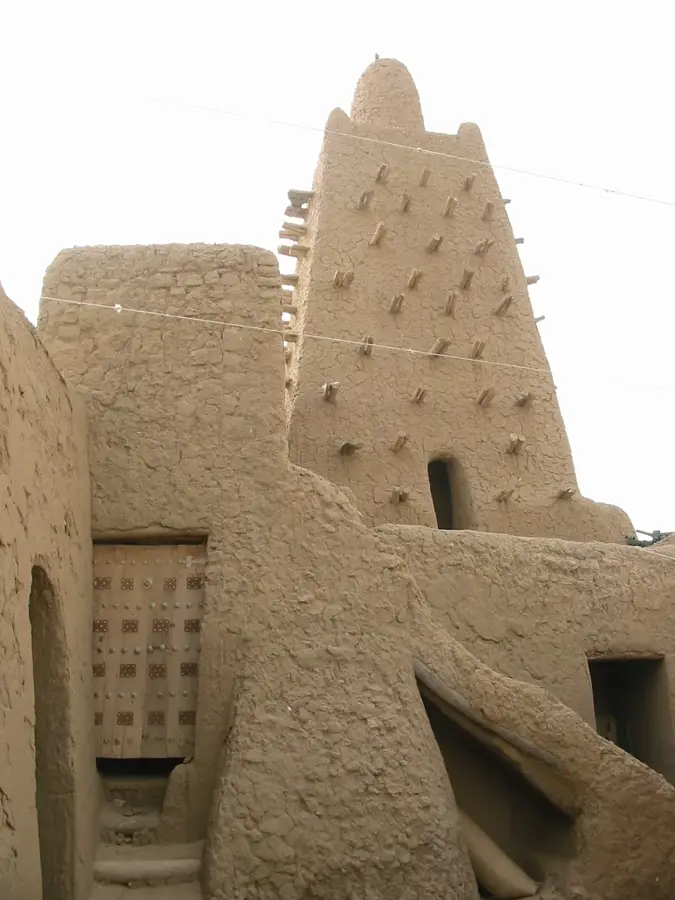
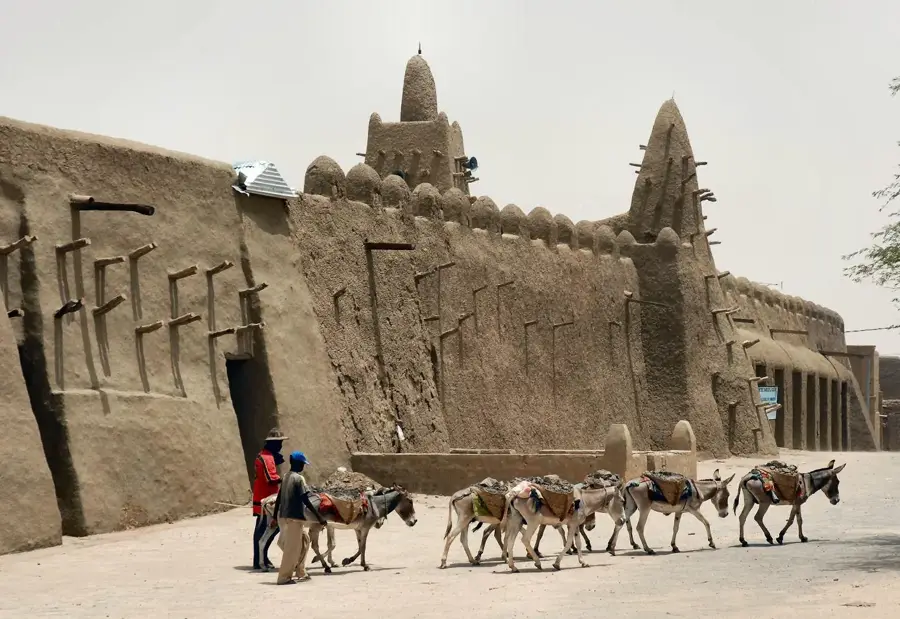
- Features three historical mud-brick mosques
- Home to numerous valuable ancient manuscripts
- Rainfall often does not occur for several years
- Located on the route to the Taoudenni salt mines
Route planner — Car & Motorhome
Where do you start? We build the route here, with stops and country notes along the way.
© OpenStreetMap contributors · OpenRouteService
Sights in the town Araouane (3)
Frequently asked questions
What makes Araouane special?
Best time to visit?
Do I need a guide?
Is there accommodation?
What to pack?
Araouane: where is it located?
Araouane: what is there to see?
Araouane: when is the best time to visit?
Araouane: why is it worth visiting?

Nearby cities
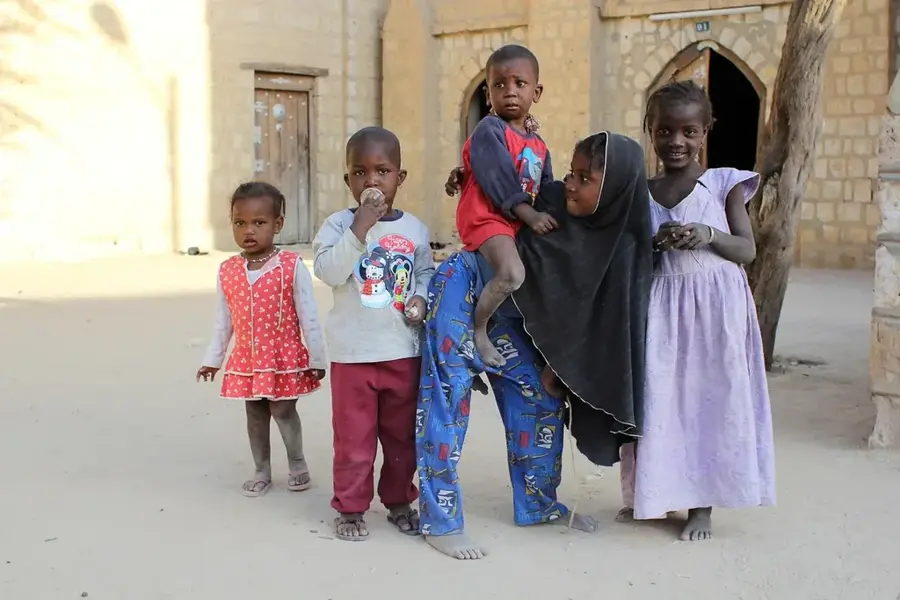


History & landmarks
More places