Plizio Visual Lab
Goundam livestock
Weather…
Water temperature…
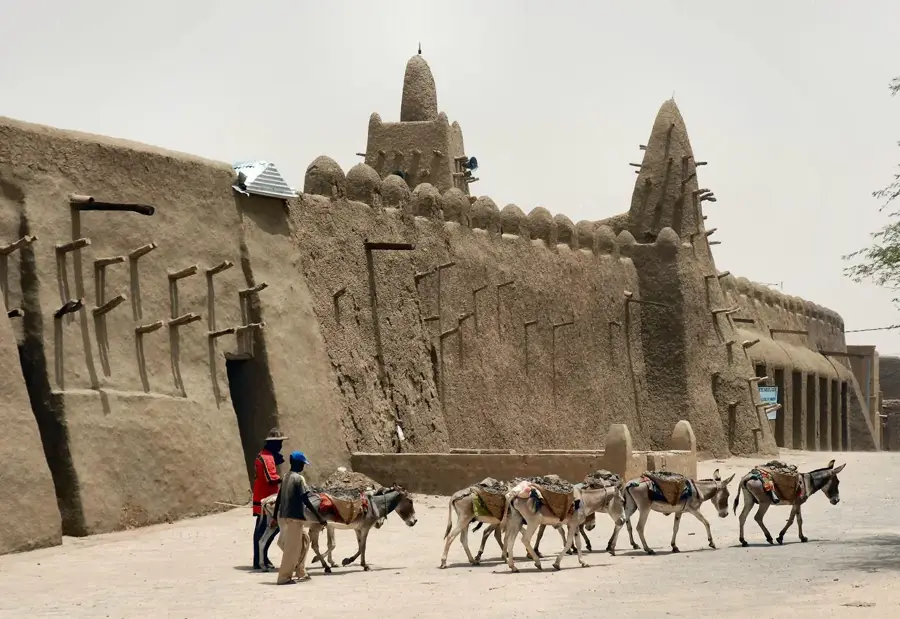
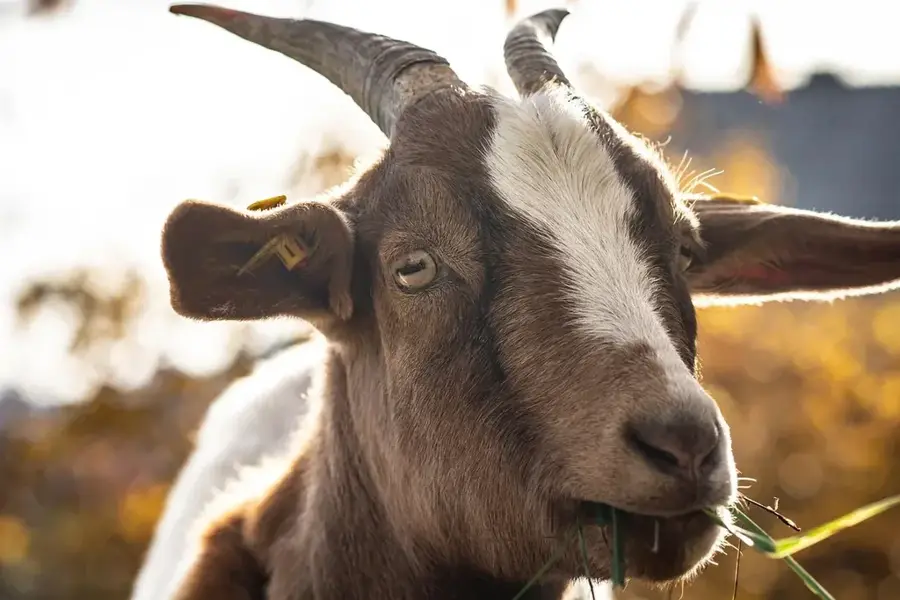
Livestock rearing in the Goundam region is a cornerstone of the local economy, deeply rooted in the nomadic traditions of northern Mali. In this semi-arid zone, pastoral activities focus primarily on resilient species such as Zebu cattle, Sahelian goats, and sheep, alongside camels used for desert transport. Herders, predominantly Tuareg and Fulani, practice transhumance, moving their herds seasonally between the Niger Delta wetlands and northern grazing lands. This mobility is crucial for optimizing the region's sparse resources and ensuring animal survival during the protracted dry season. Goundam functions as a major marketplace where meat, dairy products, and leather goods are traded and subsequently exported to southern parts of the country. However, livestock farming is increasingly threatened by conflicts over water rights and the broader impacts of desertification. Despite these hurdles, the bond between the people and their livestock remains a central element of their cultural identity and social security network.
- Location: Mali
- Nearby: Goundam (20 km)
Best time to visit & climate
The most pleasant time to visit is Jan, Feb, Dec.
| Jan | Feb | Mar | Apr | May | Jun | Jul | Aug | Sep | Oct | Nov | Dec | |
|---|---|---|---|---|---|---|---|---|---|---|---|---|
| Avg °C | 20 | 23 | 27 | 31 | 34 | 35 | 33 | 31 | 31 | 31 | 26 | 22 |
| Rain mm | 1 | 0 | 0 | 1 | 5 | 23 | 62 | 110 | 44 | 7 | 1 | 0 |
📋 Practical info
Geography
Facts
- The local Zebu cattle are renowned for their extreme heat resistance.
- Transhumance involves moving herds over hundreds of kilometers seasonally.
- Camels remain the primary mode of transport for the regional salt trade.
- Milk serves as a foundational nutritional staple for nomadic communities.
- Leather from Goundam is highly prized for traditional artisanal crafts.
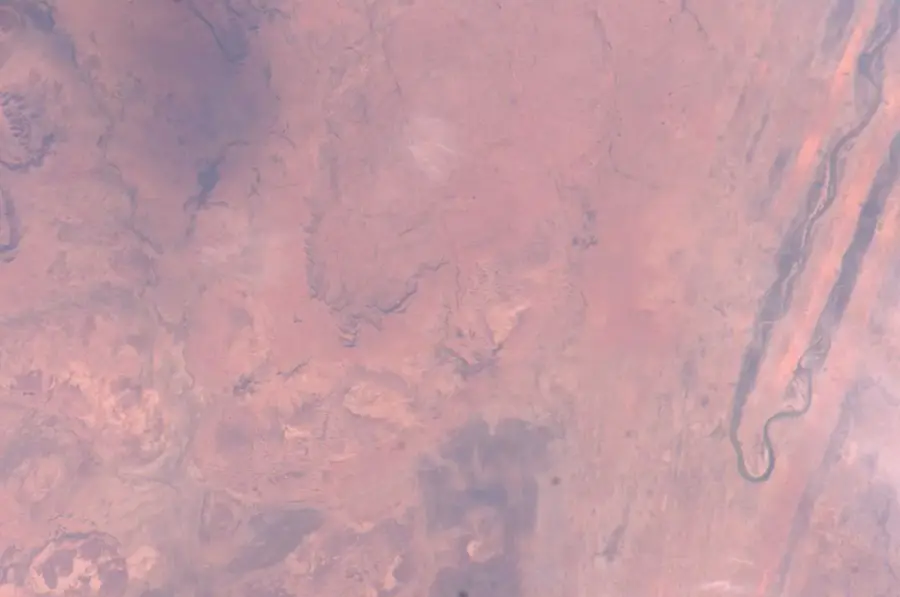
- The Goundam region is situated in the transition zone between Sahel and Sahara.
Explore nearby
Notable places around



Route planner — Car & Motorhome
Where do you start? We build the route here, with stops and country notes along the way.
© OpenStreetMap contributors · OpenRouteService
Sights nearby
Frequently asked questions
What is the focus of livestock farming in Goundam?
Is it a typical place for tourists?
Is there any infrastructure there?
When are the animals in the pastures?
Can one buy products?
Goundam livestock: where is it located?
Goundam livestock: when is the best time to visit?
Goundam livestock: why is it worth visiting?

Nearby cities
Nature
More places