Plizio Visual Lab
Palūšė
ℹ️Practical info — Palūšė
▾
🌤 Weather — 5 days
📍 Nearby
Sights nearby
💡 Tips
- This is the great starting point to rent a canoe or a wooden boat to explore the connected lakes of Aukštaitija National Park.
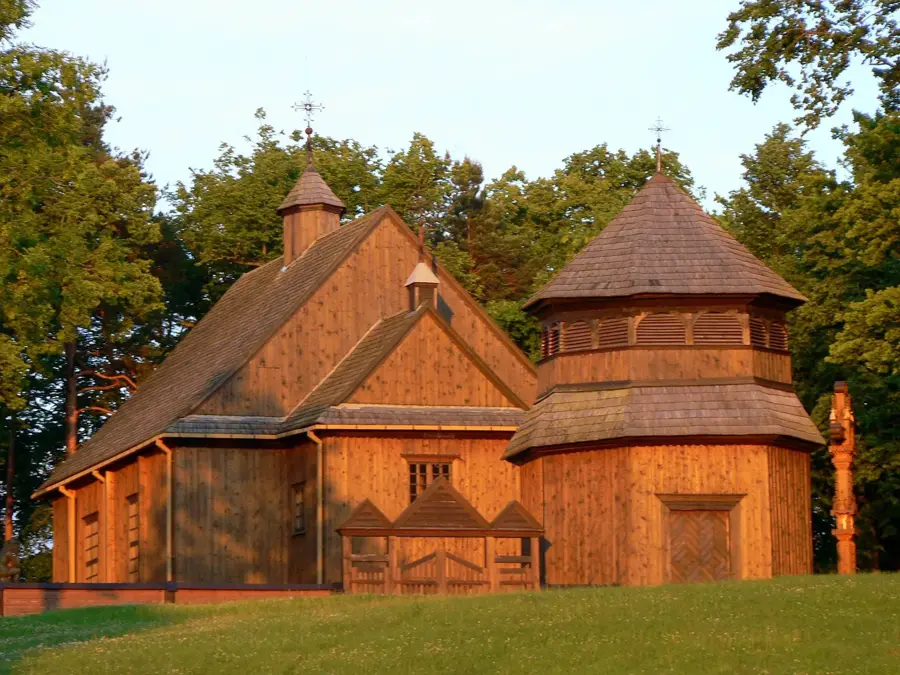
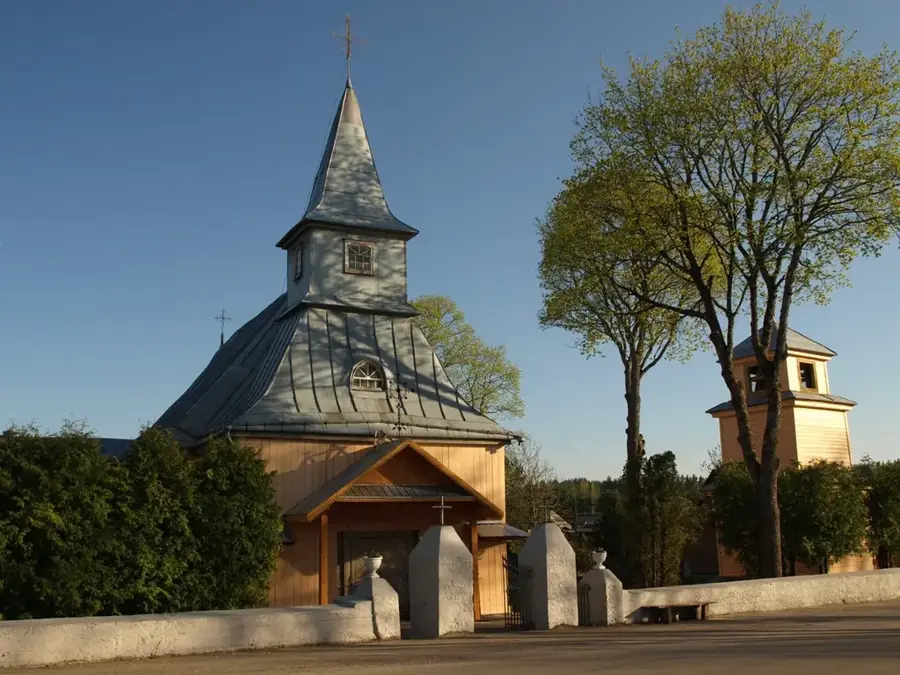
- The famous St. Joseph's Church is entirely built of wood, reputedly without a single iron nail; check the visitor center for access times.
- Summer afternoons get busy with water tourists; head out early in the morning for calm waters and empty lake trails.
- The National Park visitor center is right in the village; grab a detailed map of the waterways and hiking paths before setting off.
🍽 Food
Smoked vendace, a small, delicious lake fish often smoked locally and sold directly by the lakes.
Fried bread with garlic: the well-suited savory snack to go with local beer at lakeside taverns.
Mushroom soup made from forest mushrooms foraged in the surrounding national park, often served in bread bowls.
🛍 Shopping · 🧘 Quiet spots
Beautifully strung dried porcini mushrooms sourced directly from the local forests.
Spoons and decorative items crafted by artisans in the Aukštaitija region.
A quiet 3.5 km walking path winding through the forest and along the lake shores.
Find a wooden pier on the lake for an incredibly peaceful sunrise over the misty water.
Water temperature…
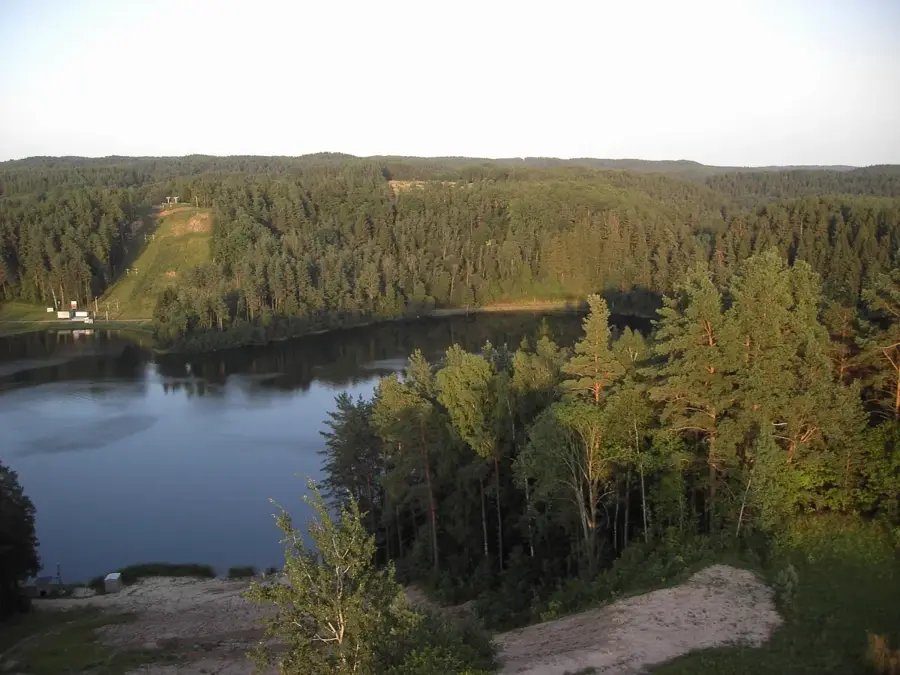
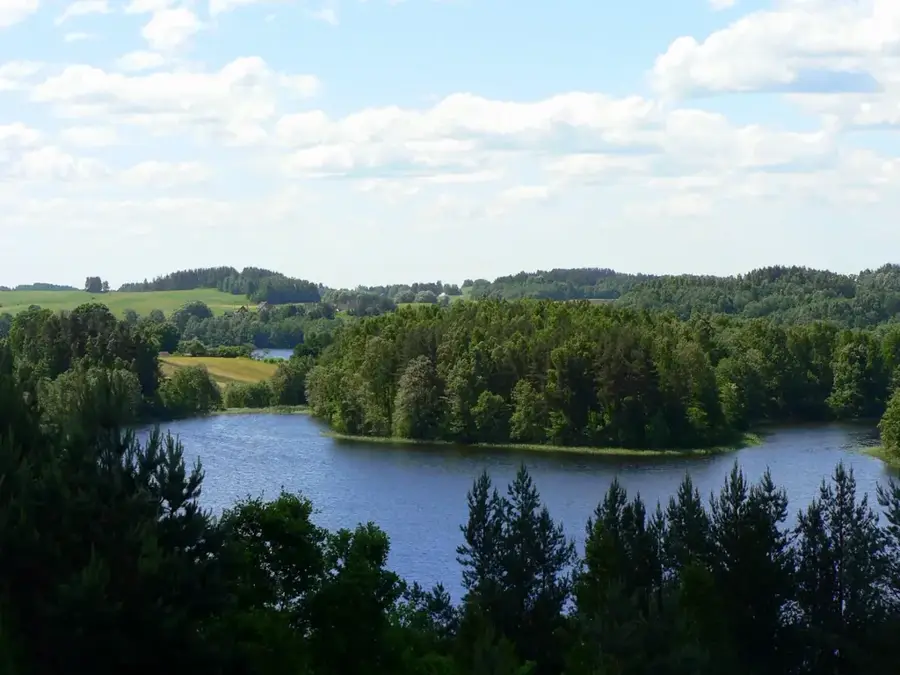
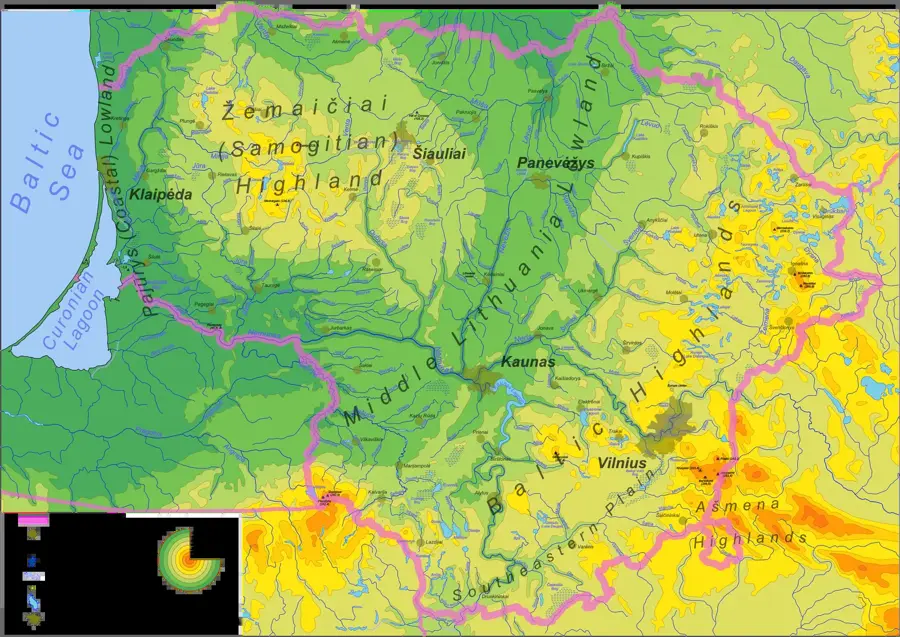
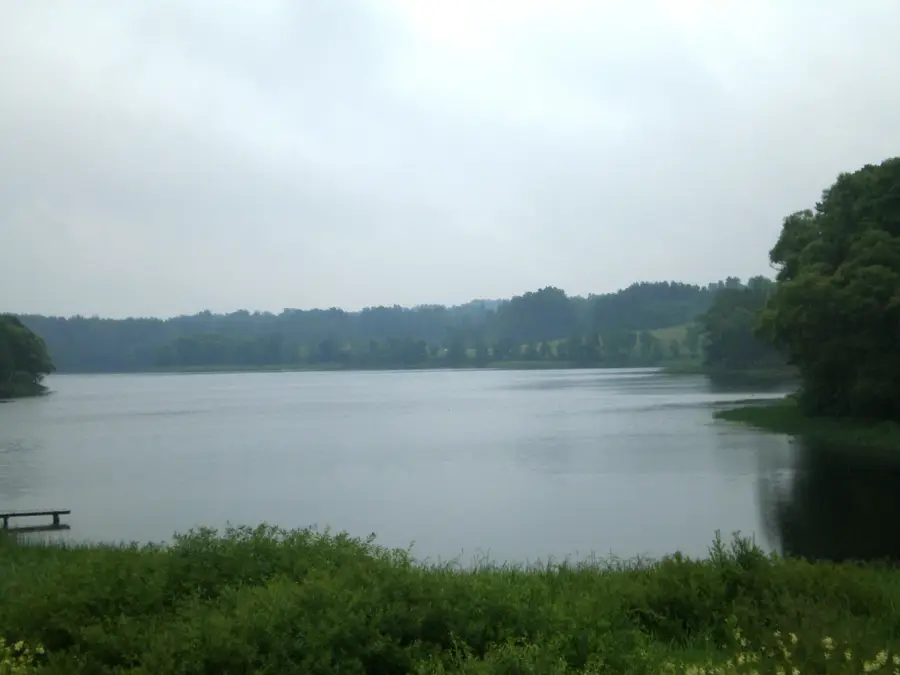
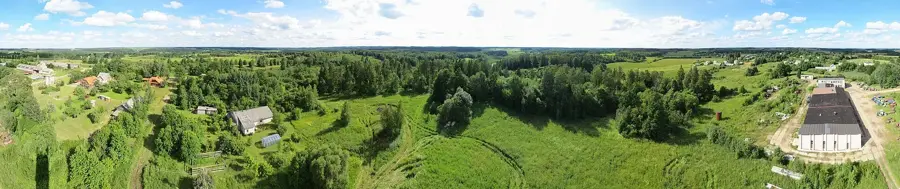
Palūšė is the tourism capital of the Aukštaitija National Park, Lithuania's oldest protected nature area. Tucked away on the shores of Lake Lūšiai, this characterful village is the ultimate hub for nature lovers. Its crown jewel is the wooden St. Joseph's Church, built in 1750 using only wooden pegs instead of iron nails. This architectural wonder is so significant that it was featured on the former 1 Litas banknote, symbolizing the pinnacle of Lithuanian folk architecture. The separate octagonal bell tower adds to the site's historical allure. The village is a paradise for active travelers, offering boat rentals, clearly marked hiking trails, and well-equipped campsites. It serves as the starting point for many legendary water routes that weave through the interconnected lakes and rivers of the national park. A dedicated botanical path leads visitors through diverse habitats, showcasing rare plant species. The National Park Visitor Center in the village provides deep insights into the local geology and the wildlife of the Highlands. In summer, Palūšė buzzes with life as vacationers enjoy the sandy beach of Lake Lūšiai and local cafes serve traditional treats like Šakotis (spit cake). In winter, the area transforms into a quiet landscape great for cross-country skiing and ice fishing. Easily accessible via the nearby town of Ignalina, Palūšė provides a harmonious blend of cultural heritage and pristine wilderness, typical of the Lithuanian Aukštaitija region.
- Location: Lithuania
- Top sights: bathing beach · Lūšių ež. skulptūrų takas · Meironų pažintinis takas
- Nearby: Ignalina area (4 km)
- Population: ~5.106
Best time to visit & climate
The most pleasant time to visit is Jun–Aug.
| Jan | Feb | Mar | Apr | May | Jun | Jul | Aug | Sep | Oct | Nov | Dec | |
|---|---|---|---|---|---|---|---|---|---|---|---|---|
| Avg °C | -7 | -6 | -1 | 6 | 12 | 16 | 18 | 17 | 12 | 6 | 1 | -4 |
| Rain mm | 50 | 44 | 44 | 48 | 75 | 82 | 101 | 89 | 59 | 72 | 59 | 52 |
Geography
Facts
- The main hub of Lithuania's oldest national park
- Wooden St. Joseph's Church built in 1750 without nails
- Featured on the former Lithuanian 1 Litas banknote
- Situated on the shores of the scenic Lake Lūšiai
- Key starting point for canoeing and water tourism
- Home to a botanical trail showcasing rare plants
- Located just 4 km from the regional town of Ignalina
- A prime example of traditional Lithuanian woodcraft
Explore nearby
Notable places around
Route planner — Car & Motorhome
Where do you start? We build the route here, with stops and country notes along the way.
© OpenStreetMap contributors · OpenRouteService
Sights in the town Palūšė (11)
Frequently asked questions
What is the landmark of Palūšė?
What can you do in the Aukštaitija National Park?
Are there campsites in Palūšė?
Can you visit the inside of the wooden church?
How is the tourist infrastructure?
Palūšė: where is it located?
Palūšė: what is there to see?
Palūšė: when is the best time to visit?
Palūšė: why is it worth visiting?

Nearby cities