Plizio Visual Lab
Ha Kome
ℹ️Practical info — Ha Kome
▾
🌤 Weather — 5 days
📍 Nearby
Sights nearby
💡 Tips
- The unique cave dwellings are still inhabited by families today; always respectfully ask for permission before photographing the houses.
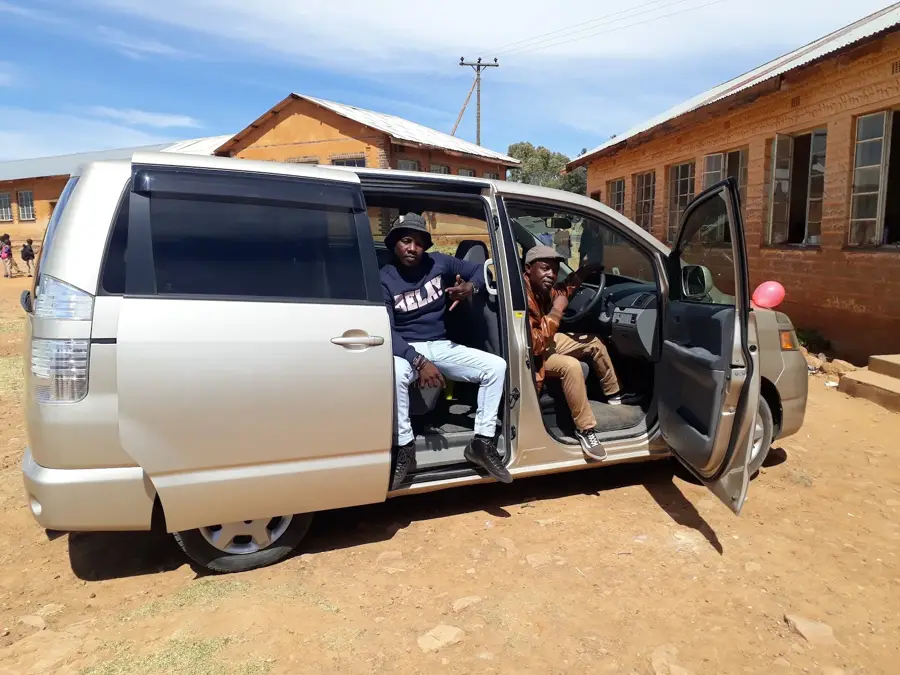
- The access road is very rough and washed out in parts, which is why a high-clearance 4x4 vehicle is strongly recommended.
- Before touring, register first at the small visitor center to sign in and pay the modest entrance fee.
- Logically combine your excursion with a visit to the historic Thaba Bosiu mountain, which is located not too far away.
🍽 Food
Ask in the surrounding villages for this traditional bread, baked directly over the fire in a cast-iron pot.
Right by the visitor center, there are simple tables where you can eat your packed lunch while enjoying the view.
Sometimes friendly villagers offer their traditionally home-brewed, cloudy sorghum beer for tasting.
🛍 Shopping · 🧘 Quiet spots
Buy small handmade souvenirs here to directly support the maintenance of the site and the local community with your spending.
Locals around the caves frequently offer finely crafted bead necklaces and colorful bracelets for sale.
The massive rock roofs of the caves provide not only cool shade but also an impressive, peaceful acoustic environment.
The short walk down to the village passes through a very quiet, secluded landscape far away from any traffic.
Water temperature…
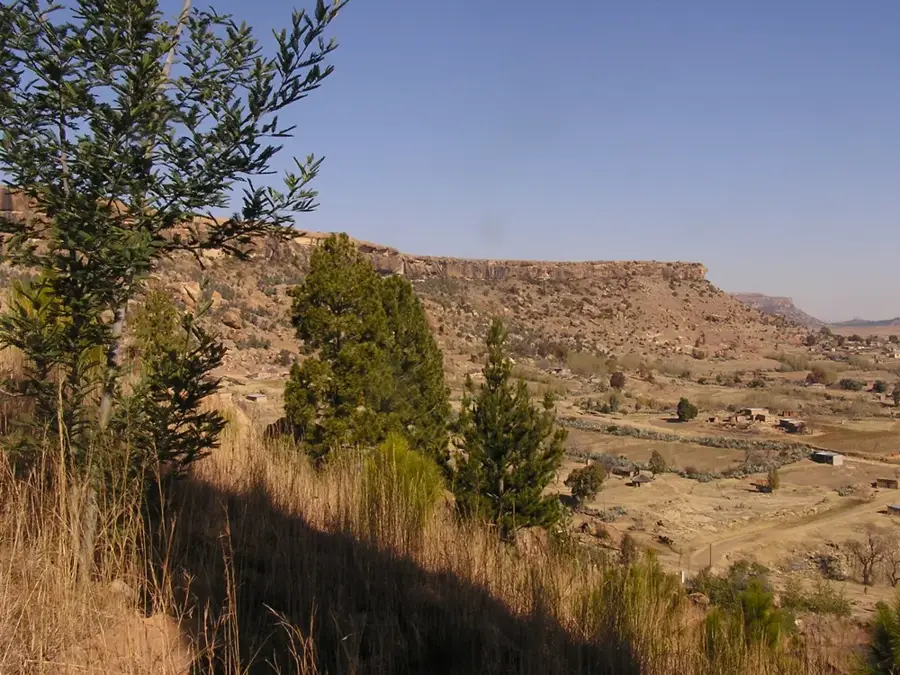
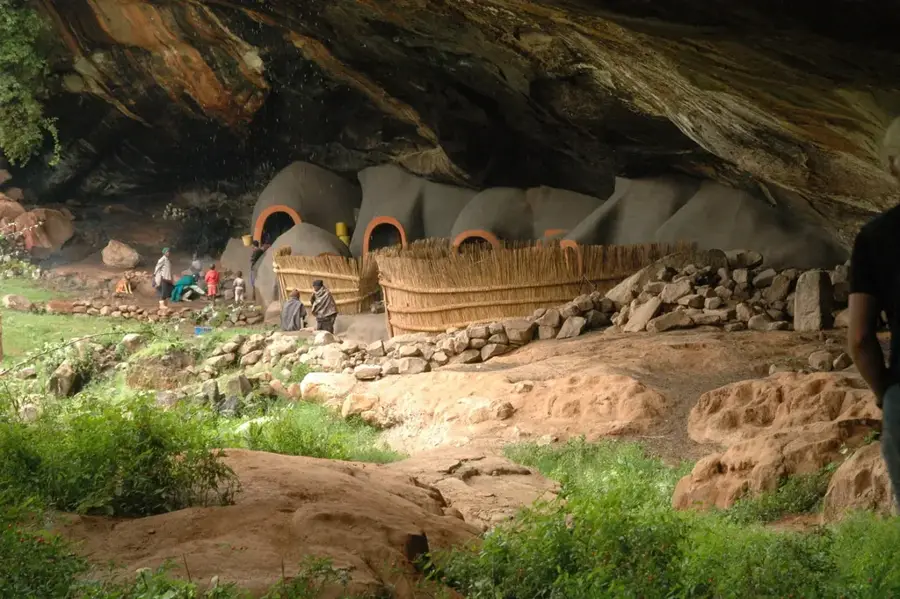
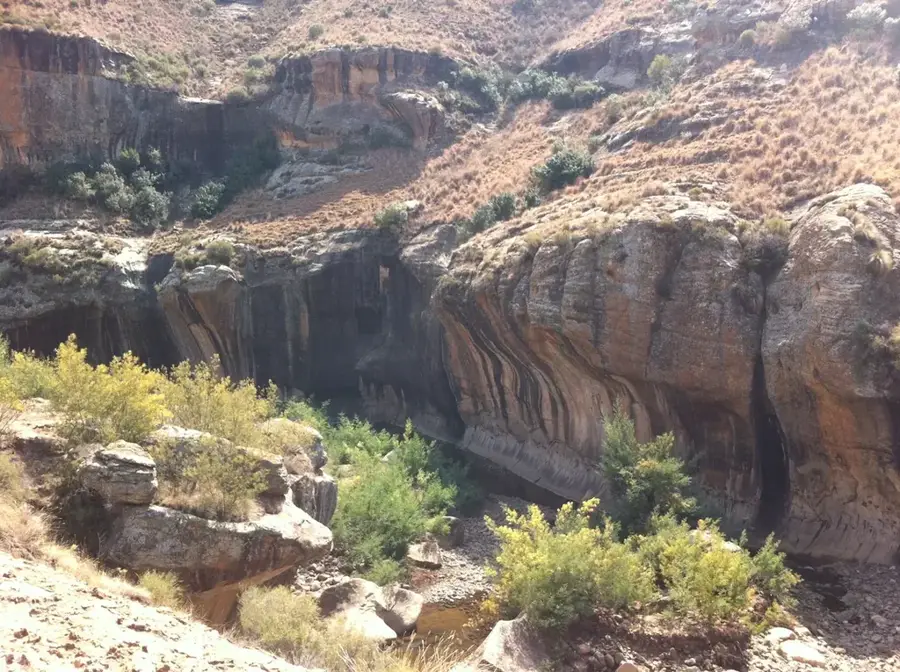
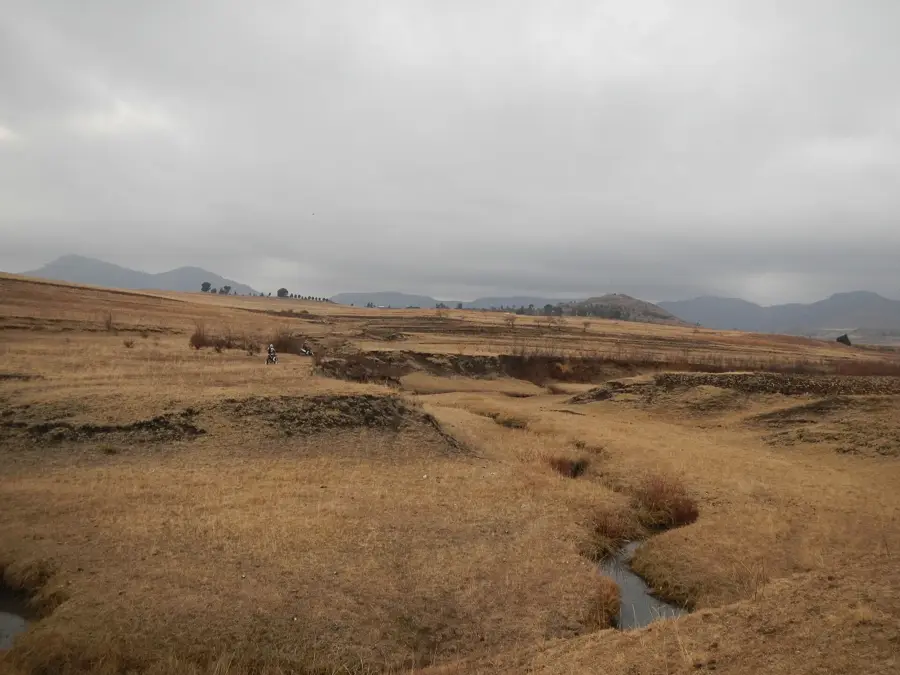
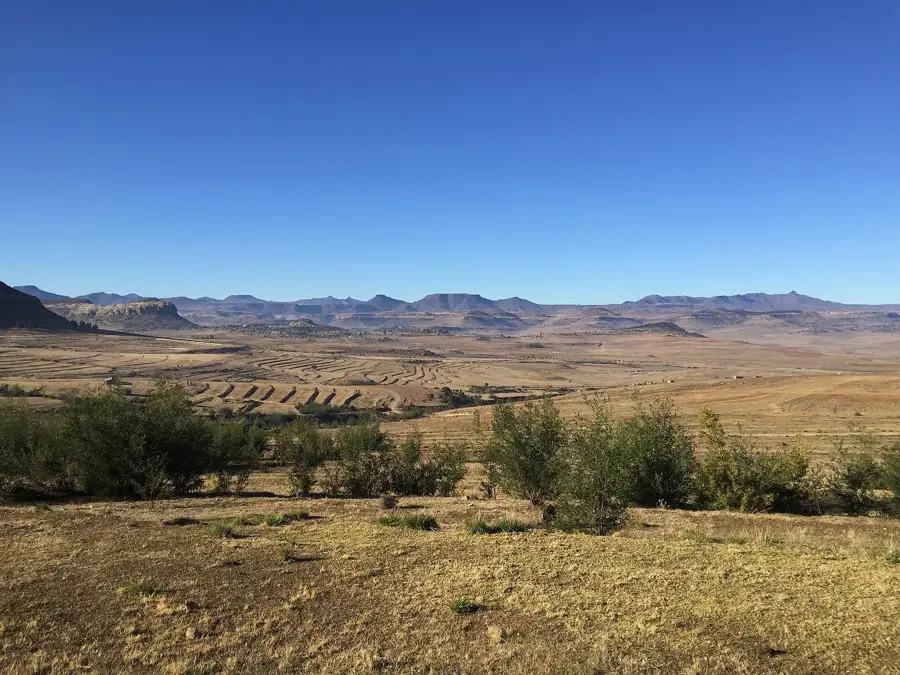
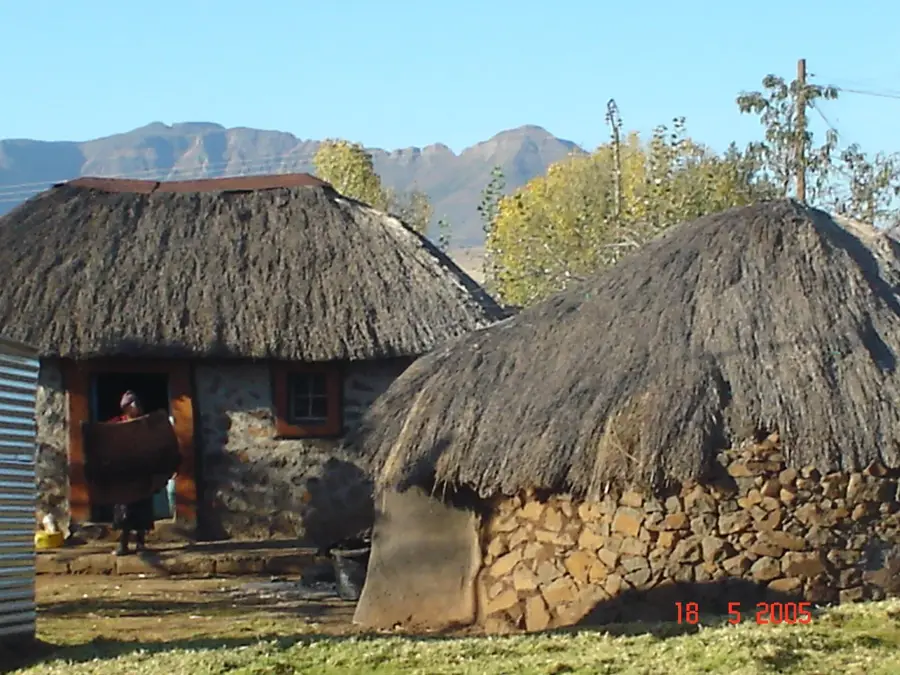
Ha Kome is a remarkable historical site in the Berea District of Lesotho, famous for its unique cave dwellings that remain inhabited to this day. These traditional houses were established in the early 19th century, around 1824, by the Basia and Bataung clans who sought refuge during the Lifaqane wars and protection from cannibals. The dwellings are cleverly constructed under a massive basaltic rock overhang, with walls made from a mixture of mud, cattle dung, and straw. This natural shelter provided defense and insulation against the extreme highland weather conditions. The site is recognized as a national heritage site and serves as a living museum of Basotho culture and resilience. Visitors can witness the enduring lifestyle of the families who have passed these homes down through generations. The surrounding landscape features rugged sandstone formations and traditional agricultural plots, maintaining an atmosphere of historical authenticity.
- Location: Lesotho
- Top sights: Ha Kome Cave Village · Malimong Cave
- Nearby: Ha Baroana (14 km)
Best time to visit & climate
The most pleasant time to visit is Jan–Mar.
| Jan | Feb | Mar | Apr | May | Jun | Jul | Aug | Sep | Oct | Nov | Dec | |
|---|---|---|---|---|---|---|---|---|---|---|---|---|
| Avg °C | 20 | 19 | 17 | 13 | 10 | 7 | 7 | 9 | 13 | 16 | 17 | 19 |
| Rain mm | 115 | 94 | 80 | 54 | 17 | 18 | 8 | 21 | 22 | 65 | 95 | 112 |
Geography
Facts
- Built around the year 1824.
- Still inhabited traditional cave dwellings.
- Located in the Berea District of Lesotho.
- Refuge from Lifaqane wars and cannibals.
- Walls made of mud and cattle dung.
- Designated as a national heritage site.
Explore nearby
Notable places around
Route planner — Car & Motorhome
Where do you start? We build the route here, with stops and country notes along the way.
© OpenStreetMap contributors · OpenRouteService
Sights in the town Ha Kome (2)
Frequently asked questions
What are the Ha Kome cave dwellings?
When were the dwellings built?
Can you visit the houses inside?
How do you reach Ha Kome?
Is there an information center there?
Ha Kome: where is it located?
Ha Kome: what is there to see?
Ha Kome: when is the best time to visit?
Ha Kome: why is it worth visiting?

Nearby cities
History & landmarks
Nature
More places