Plizio Visual Lab
Hasbaya
ℹ️Practical info — Hasbaya
▾
🌤 Weather — 5 days
📍 Nearby
Sights nearby
💡 Tips
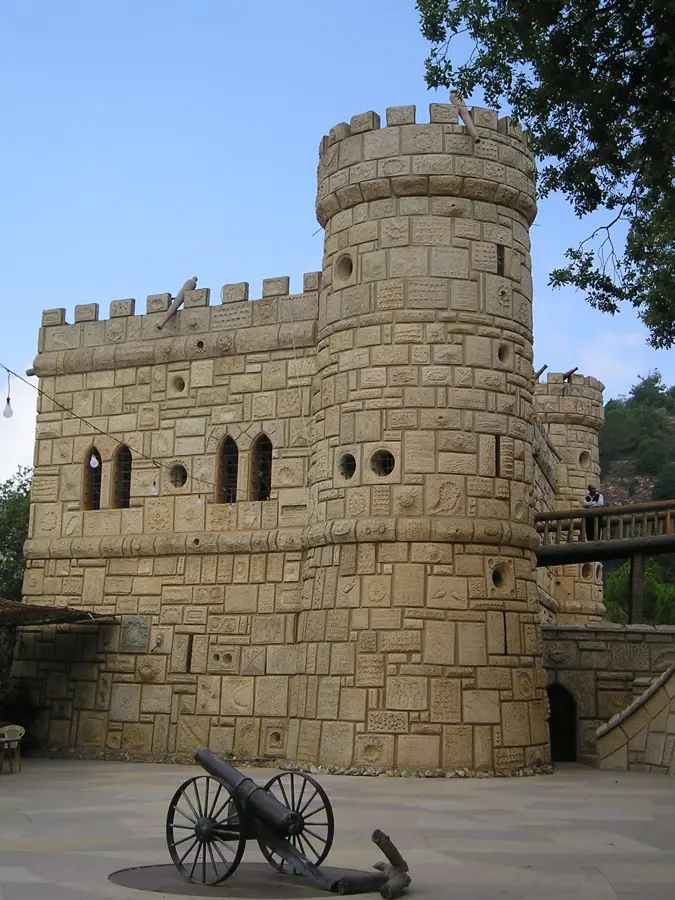
- The historic Chehab Citadel is privately owned and not always open to the public; admire its architecture from the surrounding streets.
- Hasbaya is a traditional mountain town, so dress modestly out of respect for local customs when walking around.
- The town is famous for its olive oil production; visiting during the autumn harvest season gives a unique cultural experience.
- Taxis or shared minivans are the main modes of transport, but walking is best for exploring the narrow alleys of the center.
🍽 Food
The region is renowned for its high-quality olive oil; try it drizzled over labneh or fresh bread.
Enjoy this classic Levantine flatbread topped with za'atar and local olive oil from neighborhood bakeries.
Seek out small, family-run restaurants for authentic hummus, tabbouleh, and grilled meats.
🛍 Shopping · 🧘 Quiet spots
Purchase freshly pressed olive oil directly from the local producers during the harvest season.
Look for natural olive oil soap, a staple local handicraft available in small shops.
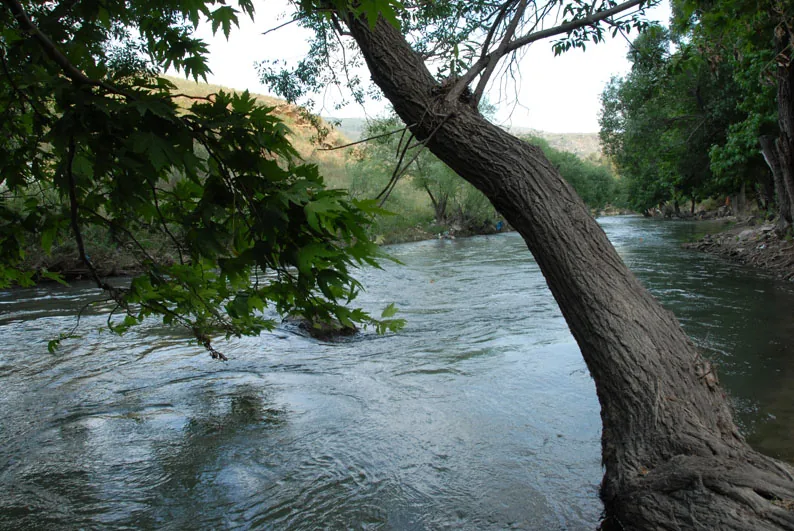
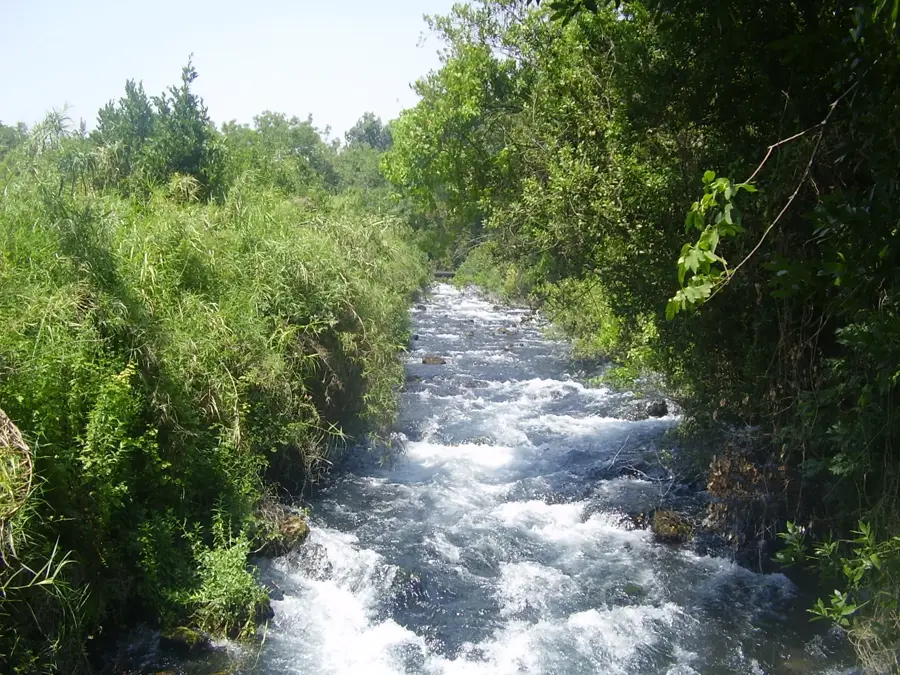
Take a peaceful stroll along the river that flows near the town, well-suited for a relaxing afternoon.
The terraced hillsides surrounding Hasbaya offer quiet, scenic paths among ancient olive trees.
Water temperature…
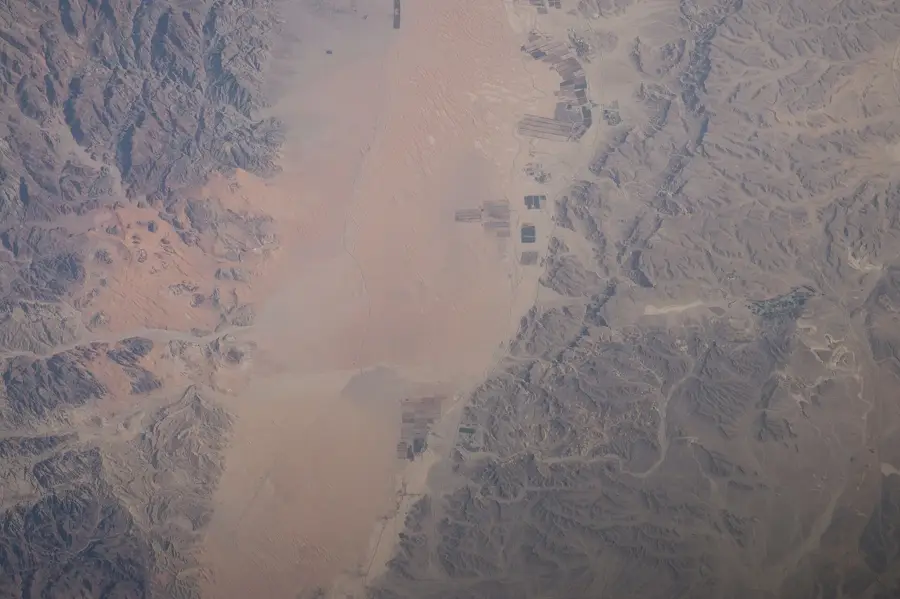
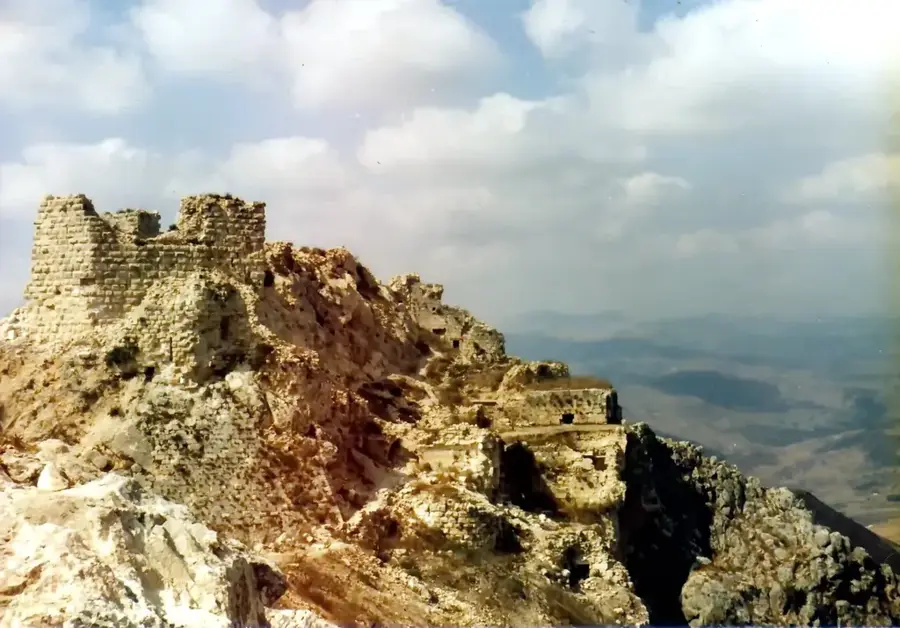
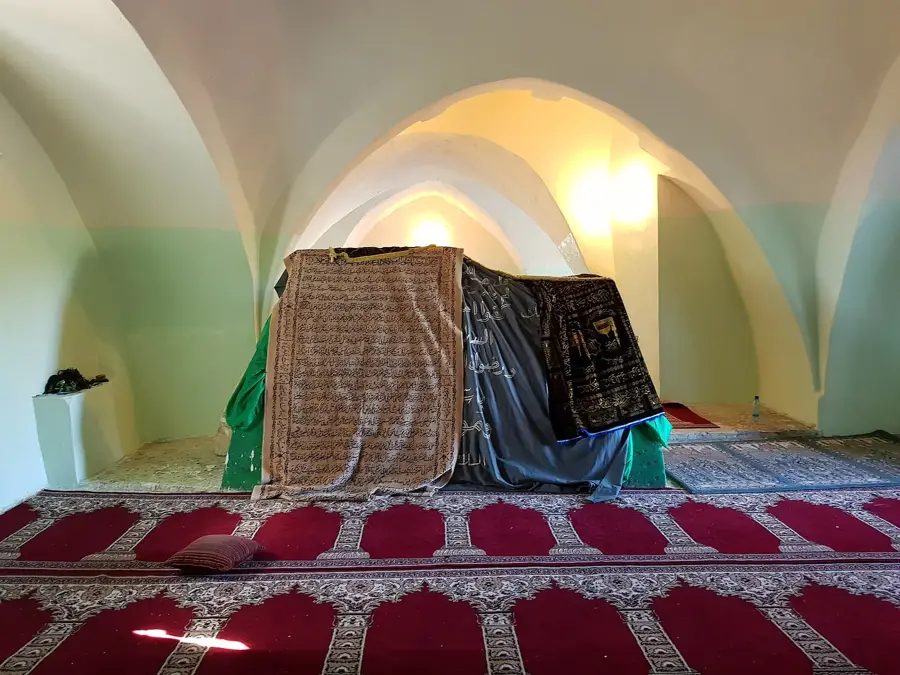
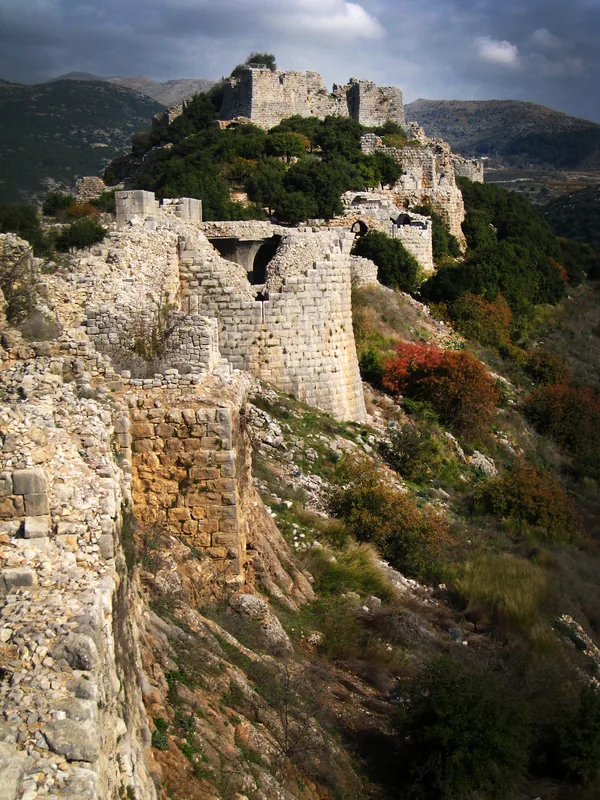
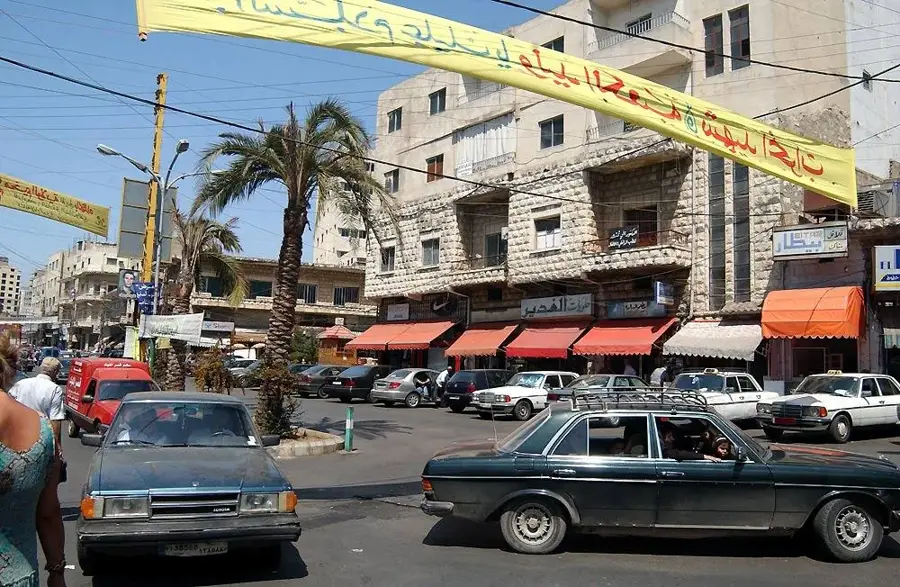
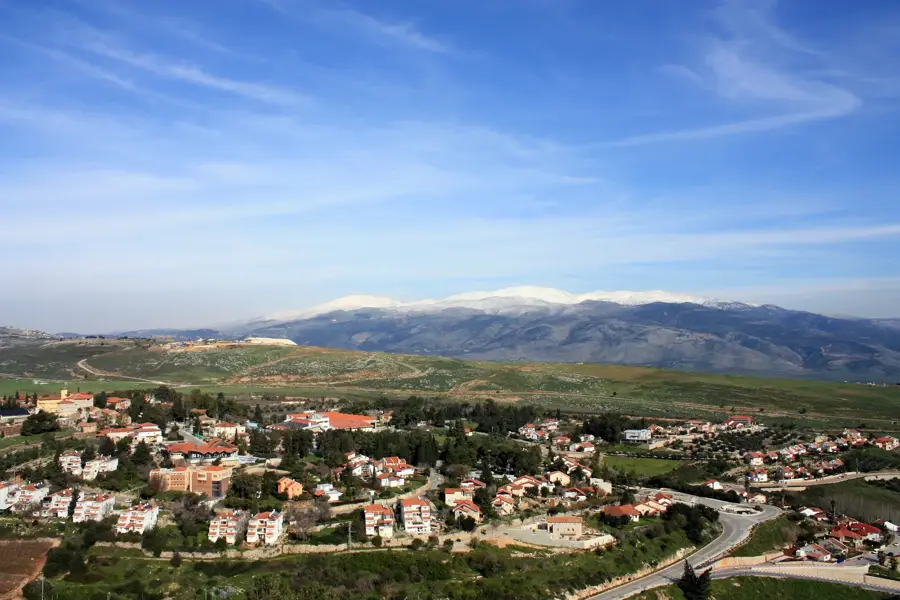
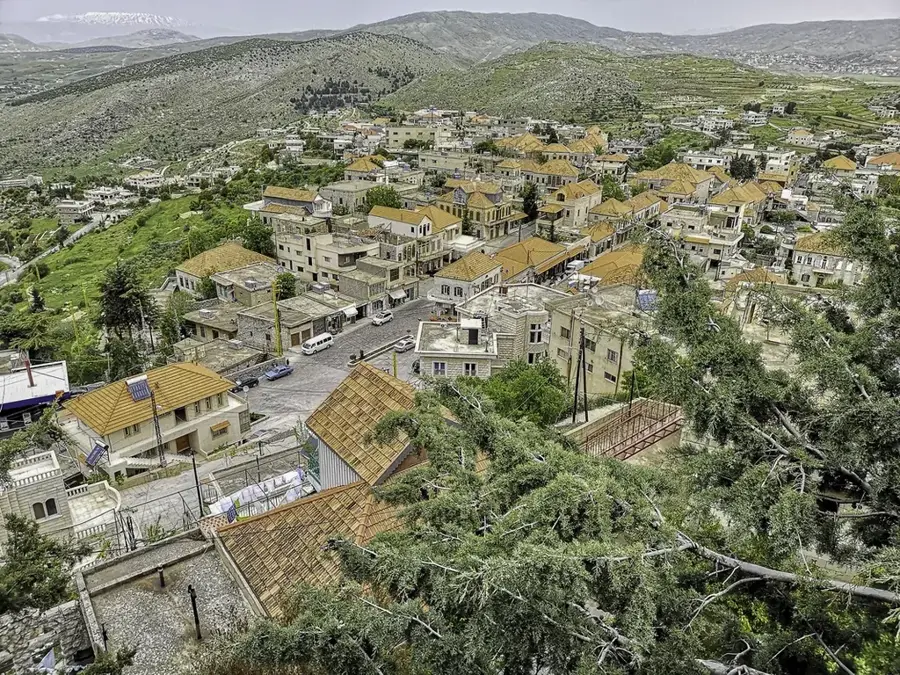
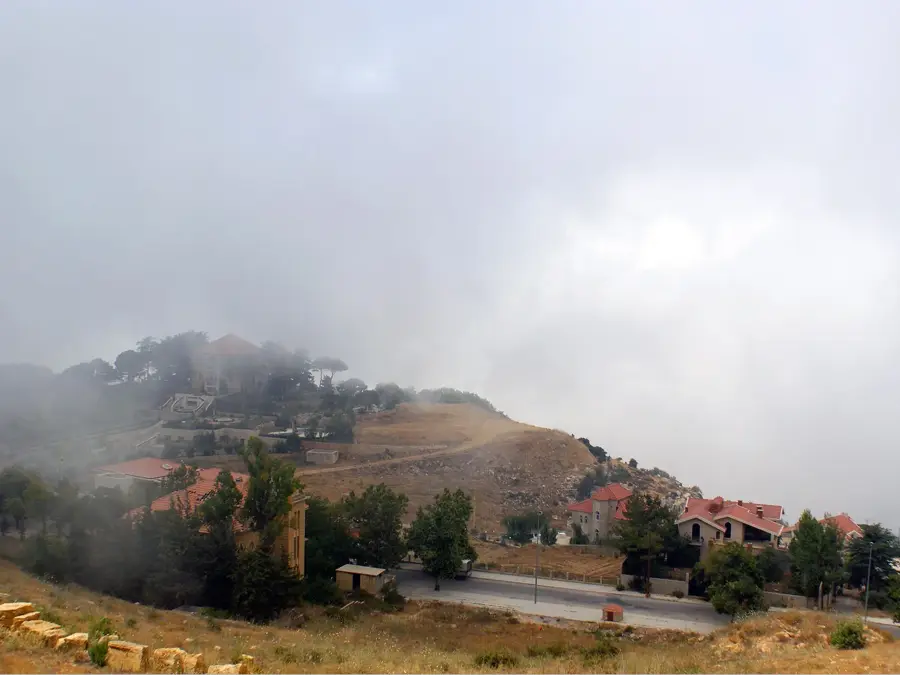
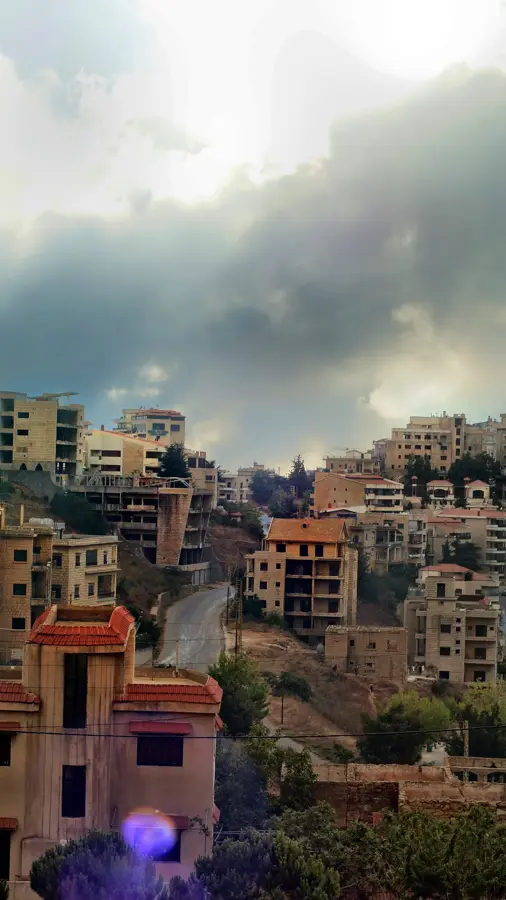
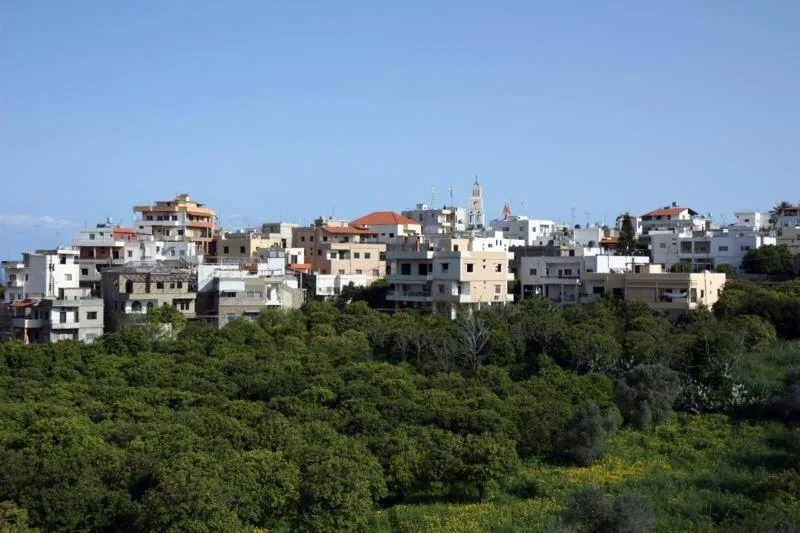
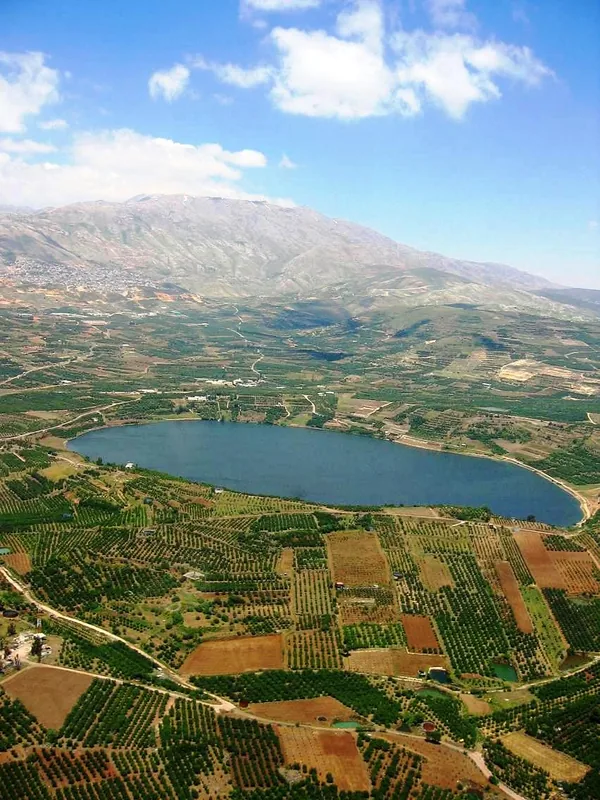
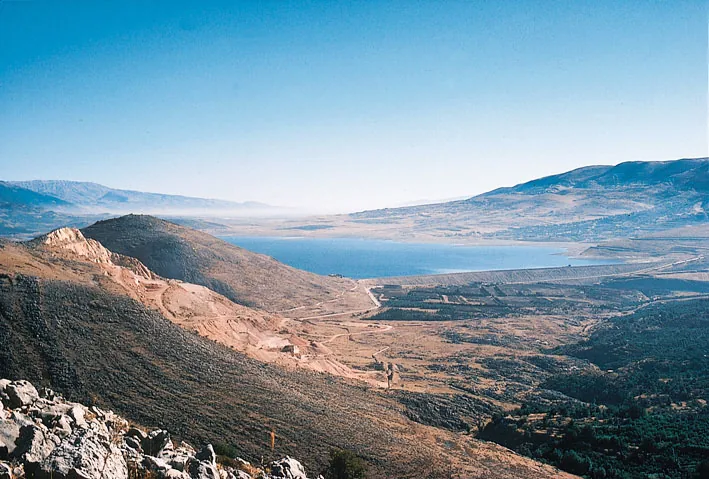
Hasbaya is a verdant mountainous town in southern Lebanon, located at the base of Mount Hermon within the valley of the Hasbani River (a primary tributary of the Jordan River). The settlement has ancient roots and functions as one of the most critical spiritual hubs for the Druze community; on the outskirts of the town lies Khalwat el-Biyada, the holiest place of worship and theological school in the Druze faith. The center of Hasbaya is visually dominated by the massive, fortress-like palace of the Chehab emirs, built upon Crusader foundations and held by a single family for over eight centuries. The town's architecture features narrow alleys, stone arches, and ancient limestone houses. Aided by a favorable microclimate and the abundant waters of the river, Hasbaya's agricultural sector is remarkably productive, featuring sprawling olive groves and orchards; the local olive oil is considered among the finest in Lebanon.
- Location: Lebanon
- Top sights: Tall Zaghla · Kalaa Al Shahabeya · Ain Al-Qabu
- Nearby: Marjayoun (11 km)
Best time to visit & climate
The most pleasant time to visit is May, Jun, Sep.
| Jan | Feb | Mar | Apr | May | Jun | Jul | Aug | Sep | Oct | Nov | Dec | |
|---|---|---|---|---|---|---|---|---|---|---|---|---|
| Avg °C | 7 | 8 | 11 | 14 | 19 | 23 | 25 | 25 | 23 | 19 | 14 | 9 |
| Rain mm | 99 | 80 | 39 | 23 | 7 | 1 | 0 | 0 | 3 | 18 | 50 | 83 |
Geography
Facts
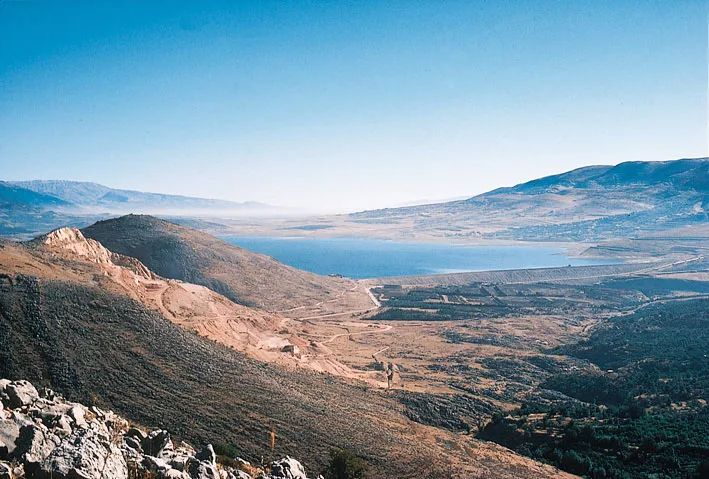
- Hasbaya is situated in the Hasbani River valley at the foot of Mount Hermon.
- It is home to Khalwat el-Biyada, the most sacred sanctuary of the Druze faith.
- The town center is dominated by the fortified palace of the Chehab emirs.
- The palace, built on Crusader foundations, was held by one family for 800 years.
- The surrounding region produces some of Lebanon's highest quality olive oil.
Explore nearby
Notable places around

Route planner — Car & Motorhome
Where do you start? We build the route here, with stops and country notes along the way.
© OpenStreetMap contributors · OpenRouteService
Sights in the town Hasbaya (3)
Frequently asked questions
What is the most famous building in Hasbaya?
What religious significance does the town have?
Is there a river nearby?
What is the main local product?
How is the accessibility from South Lebanon?
Hasbaya: where is it located?
Hasbaya: what is there to see?
Hasbaya: when is the best time to visit?
Hasbaya: why is it worth visiting?

Nearby cities
History & landmarks
Nature
More places