Plizio Visual Lab

Byblos Castle
Plizio editorial teamData Sources
ruin
—°9
Byblos Castle (Lebanon)

Weather…

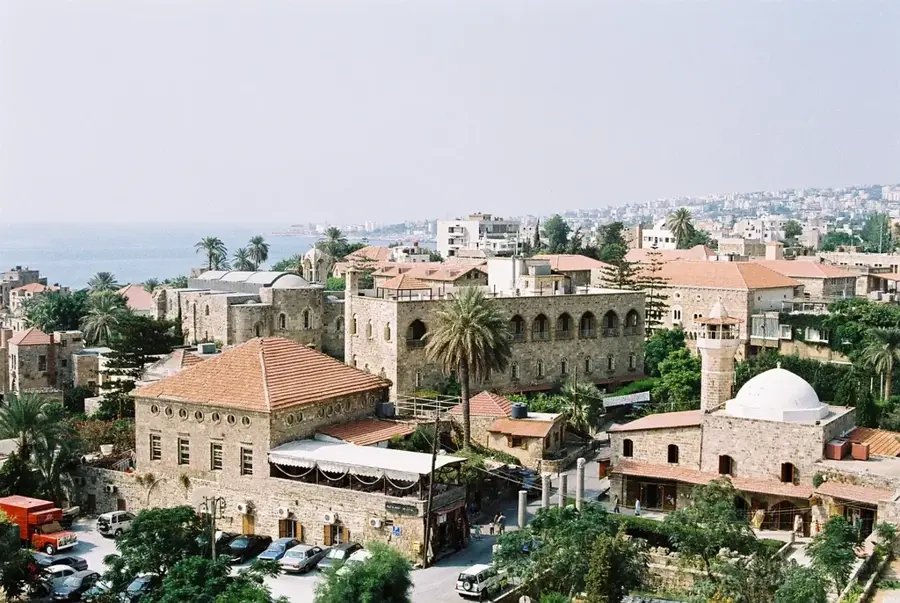
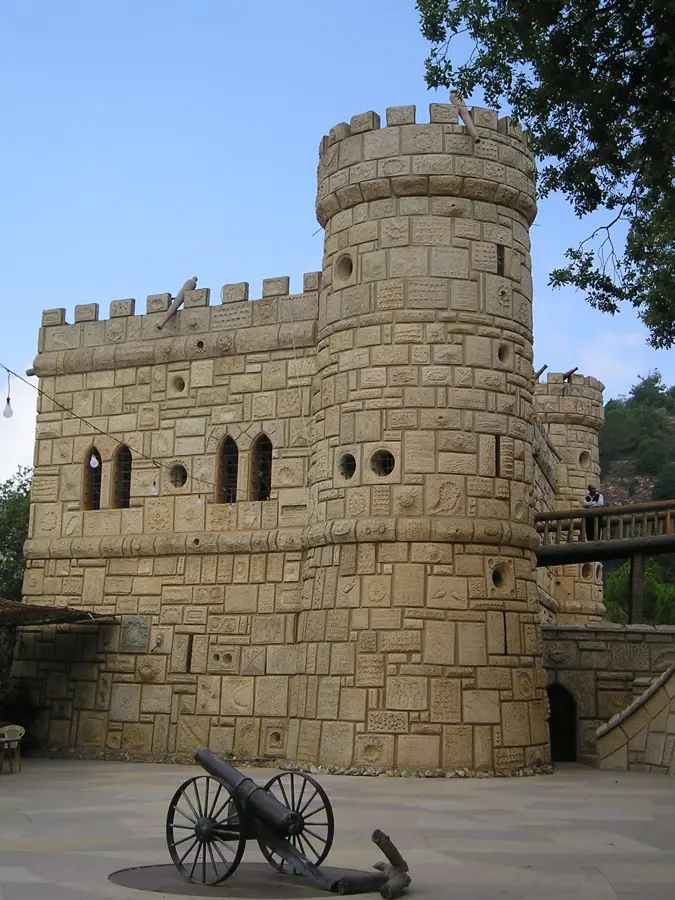
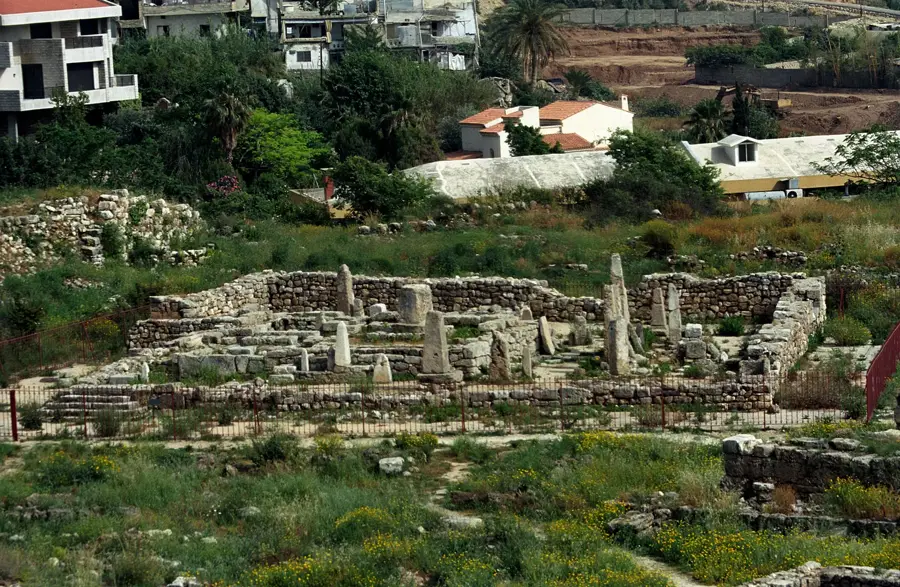
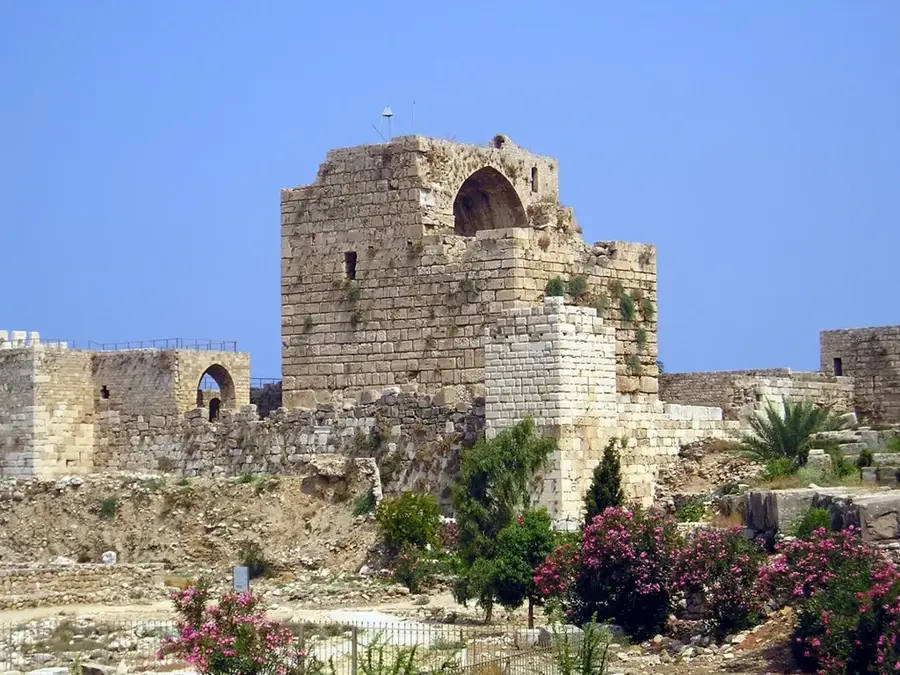
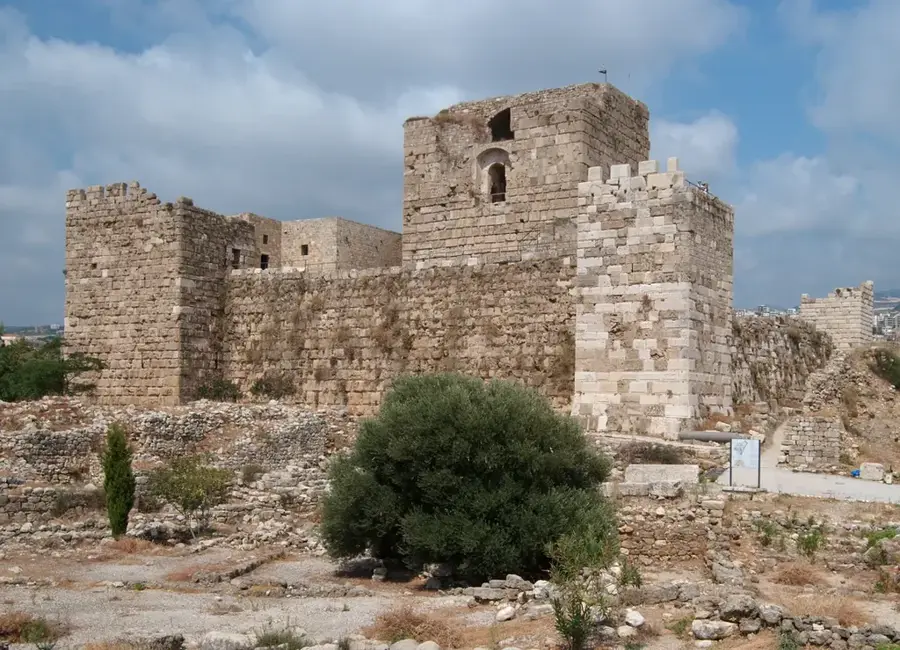
Byblos Castle, built by Crusaders in the 12th century, stands in the heart of the ancient port city on the Mediterranean coast. Remains of Roman sanctuaries and Phoenician buildings, including massive stone blocks, were used in its construction. The fortress was of strategic importance during the Crusades and served as the center of the Lordship of Gibelet. The castle was captured by Sultan Saladin's forces in 1188, and was later modified and used by the Mamluks and Ottomans. The thick walls and the robust central keep display the characteristics of Crusader military architecture. Excavations within the castle grounds and its immediate surroundings have revealed Phoenician royal tombs, a Roman theater, and artifacts of Egyptian origin, proving Byblos' continuous habitation for over 7,000 years. Today, the fortress operates as a museum, showcasing the rich and diverse history of the city.

Best time to visit & climate

The most pleasant time to visit is May, Jun, Oct.

JanFebMarAprMayJunJulAugSepOctNovDec
Avg °C111214172124262625221713
Rain mm11582432392015235696

📋 Practical info

🚪
Visiting
Visitors can fully explore both the exterior grounds and the interior chambers of this ancient Crusader fortress. The site includes extensive ruins and a small museum displaying historical artifacts found on site.
🕒
Typical hours
The castle is generally open throughout the week during standard daytime hours, but may close earlier in the winter months. It is always wise to arrive at least an hour before typical closing times to ensure entry.
📷
Photography
Photography is highly recommended, especially from the top of the tower which gives memorable panoramic views of the Mediterranean. Tripods might be restricted in the narrow indoor staircases and museum areas.
⏱️
Time needed
Plan to spend around one to two hours wandering through the castle and the surrounding ancient ruins. This timeframe allows you to comfortably climb the main tower and browse the small archaeological exhibits.
Combine with
The visit seamlessly pairs with a walk through the welcoming old souks of Byblos and a seafood meal at the scenic ancient harbor. The surrounding historic town is perfectly sized for pedestrian exploration.
🧭
Getting there
Byblos is easily reachable by car, taxi, or local buses traveling north from Beirut along the coastal highway. Once you arrive in the town center, the castle is only a short, well-signposted walk away.
💡
Insider tip
The stone paths and steep staircases inside the ruins can be very uneven and occasionally slippery, so wearing sturdy closed-toe shoes is essential. The sun can be intense on the exposed walls, so a hat is helpful.

Geography

Coordinates
34.11950, 35.64550

Facts

  • Columns salvaged from the Roman period were used in building the keep.
  • A deep moat surrounded the castle, providing an additional layer of defense.
  • During the Mamluk period, the walls were reinforced and fitted with loopholes.
  • In the 1920s, French archaeologist Maurice Dunand led the excavations here.
  • The sarcophagus of the Phoenician King Ahiram was found in the castle courtyard.

Explore nearby

Notable places around

Route planner — Car & Motorhome

Where do you start? We build the route here, with stops and country notes along the way.

Vehicle
Only stops with (optional):

© OpenStreetMap contributors · OpenRouteService

Sights in the town Byblos Castle (9)

Eye Park🎡 recreation

A family-friendly leisure park located near the coast close to the historic old town of Byblos.

Persian fortress🏰 castle

Ancient defensive ruins from the Persian era overlooking the Mediterranean Sea.

Byblos - Ancient Port🏺 historical

One of the oldest continuously inhabited maritime harbors in the world with ancient basins.

Ocean blue🎡 recreation

A modern holiday resort with direct access to the sandy Mediterranean beach.

Nomad Beach Resort🎡 recreation

A beach club featuring wooden cabins and panoramic views of the azure sea.

Byblos Archaeological Site🏺 historical

UNESCO World Heritage site featuring Phoenician temples, a Crusader castle, and Roman ruins.

Othman Al Housami House📍 landmark

A traditional Lebanese residential house located in the heart of Byblos' historic old town.

Mar Zakhia📍 landmark

A church dedicated to Saint Zakhia located within the historic alleys of Byblos.

Saidet El Doueir📍 landmark

A small Christian shrine reflecting the spiritual tradition of the region.

Sights nearby

Frequently asked questions

When was Byblos Castle built?
The current castle was built in the 12th century by Crusaders using ancient Phoenician and Roman stones.
Can the castle be visited?
Yes, the castle and the adjacent archaeological site are open daily from 9:00 AM to 6:00 PM (summer).
What does the view from the castle offer?
From the main tower, you have a fantastic view over Byblos harbor and the Phoenician ruins.
Is there a museum on site?
Yes, there is a small museum inside the castle that illustrates the long history of Byblos.
How much time is needed for Byblos?
Plan for a half to a full day to explore the castle, the souks, and the old port.
Byblos Castle: where is it located?
Byblos Castle is located in Lebanon.
Byblos Castle: what is there to see?
Highlights include Eye Park, Persian fortress, Byblos - Ancient Port.
Byblos Castle: when is the best time to visit?
The most pleasant time to visit is May, Jun, Oct.
Byblos Castle: why is it worth visiting?

Byblos Castle, built by Crusaders in the 12th century, stands in the heart of the ancient port city on the Mediterranean coast.
View on map → The Top 50 Attractions → OpenStreetMap →
Asia
Explore with Plizio Discover more places in Asia
More places in Lebanon →

Nearby cities

History & landmarks
Nature
More places