Plizio Visual Lab
Sainyabuli
ℹ️Practical info — Sainyabuli
▾
🌤 Weather — 5 days
📍 Nearby
Sights nearby
💡 Tips
- The city is famous for the Elephant Festival in February; book your accommodation well in advance if you travel during this time.
- The Elephant Conservation Center is reached by boat across Nam Tien Lake; trips usually need to be organized in advance.
- The town center is small and best explored on foot or by rented bicycle.
- Restaurants close very early in the evening; it's best to have dinner before 8 PM.
🍽 Food
Freshly grilled fish is a highlight in the small eateries along the riverbank.
Often served very spicy here; order it 'phet noy' (a little spicy) if you are sensitive to heat.
Sticky rice steamed with coconut milk inside bamboo tubes, often found at the local market.
🛍 Shopping · 🧘 Quiet spots
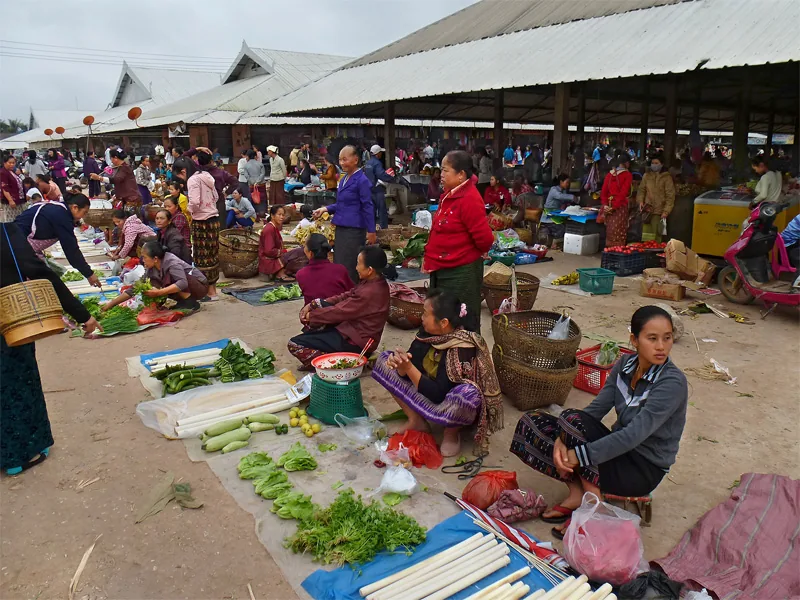
Arrive early (before 7 AM) to see locals buying fresh vegetables and forest products.
A few stalls near the center sell simple but authentic Lao woven goods.
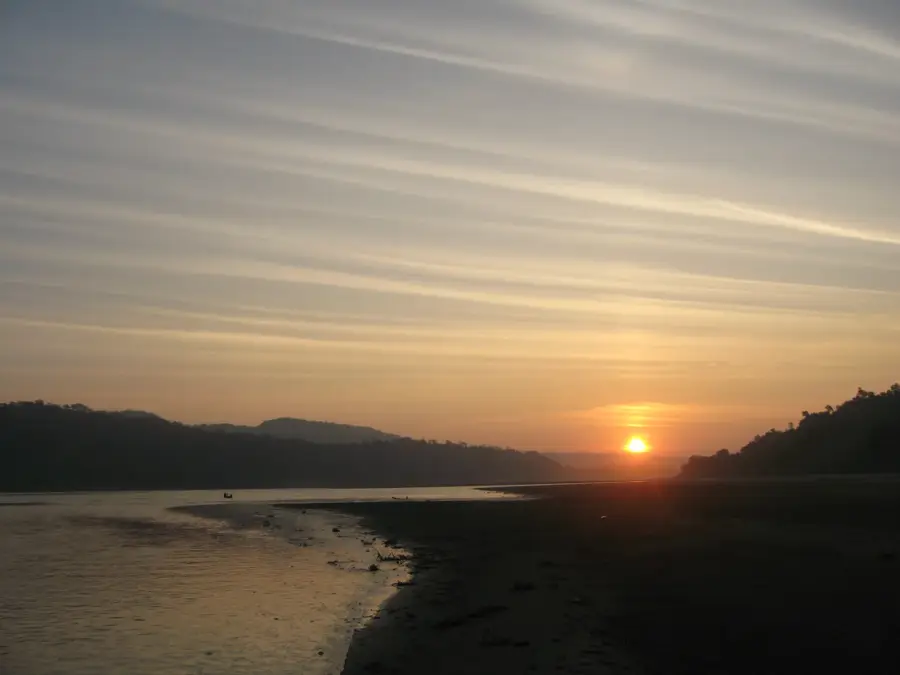
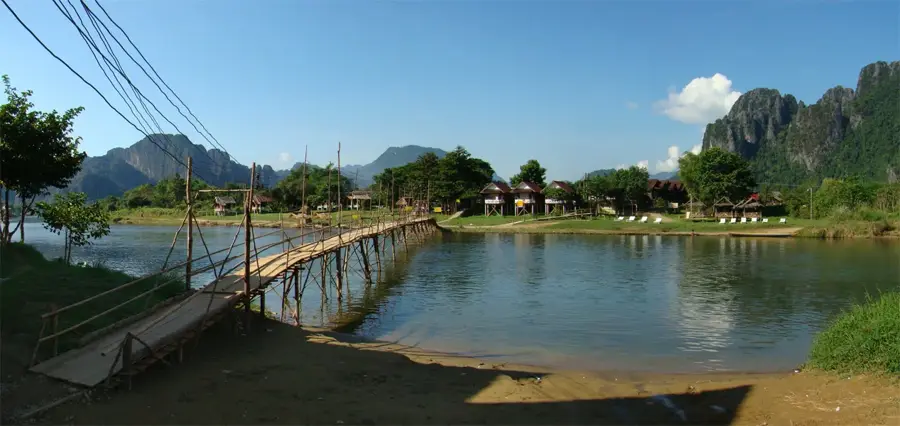
The lakeshore area slightly outside the city is very idyllic and well-suited for quiet afternoons.
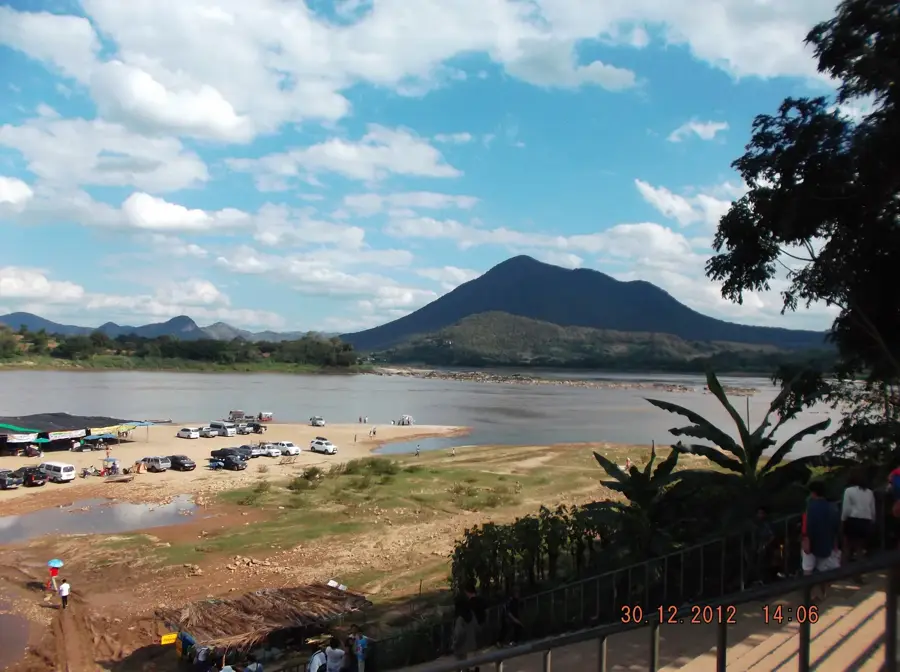
Take a stroll along the river running through town; the atmosphere is particularly laid-back in the evening.
Water temperature…
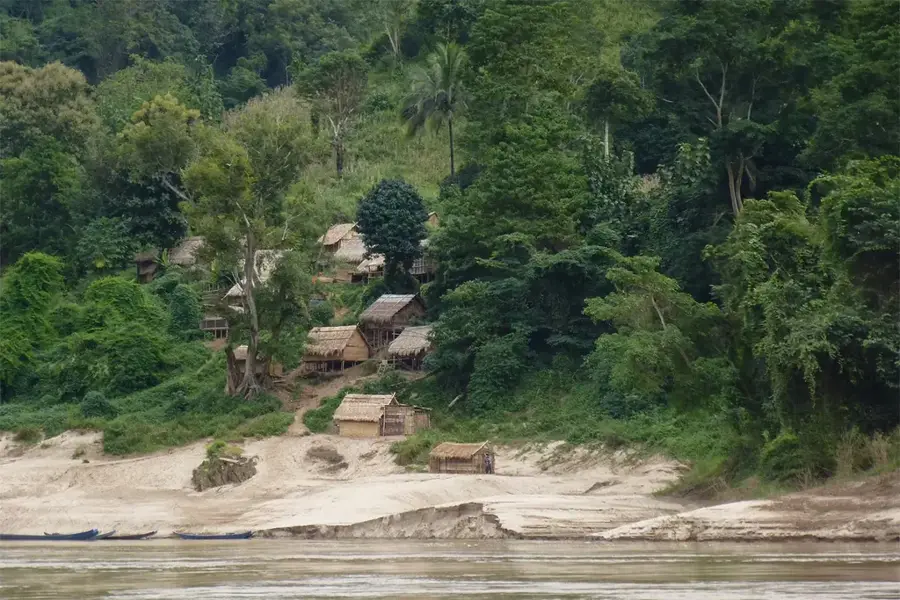
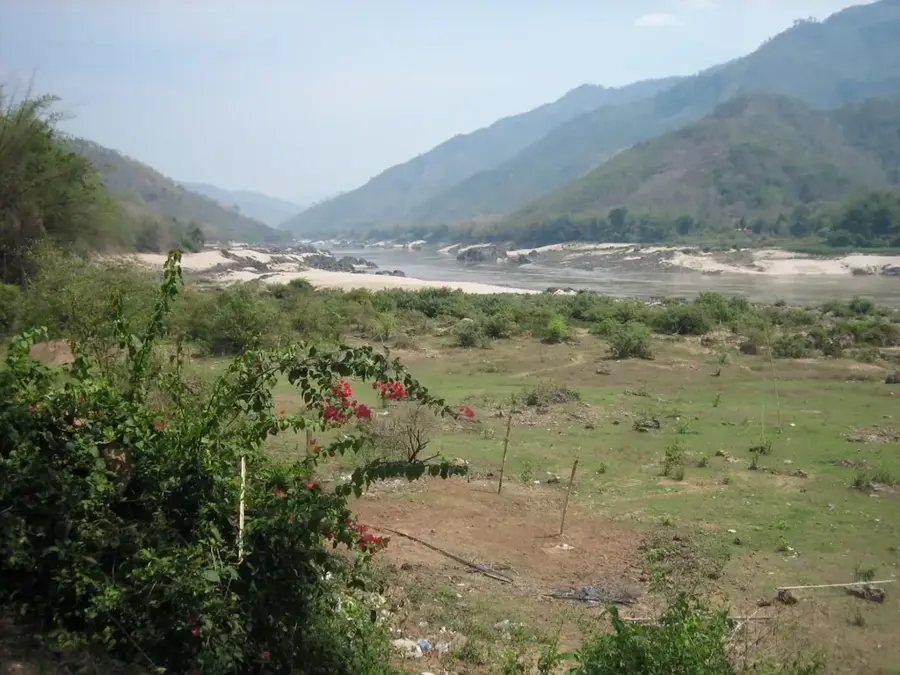
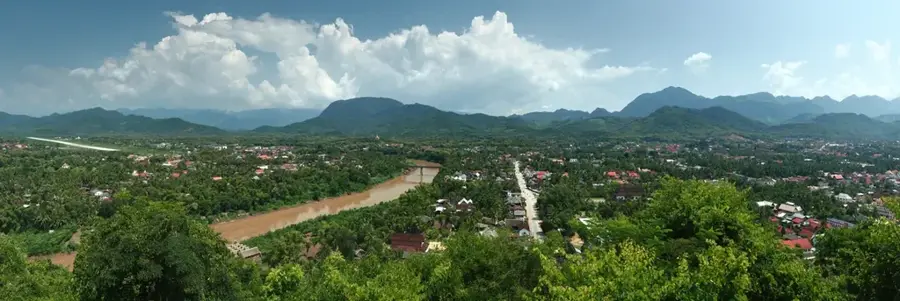
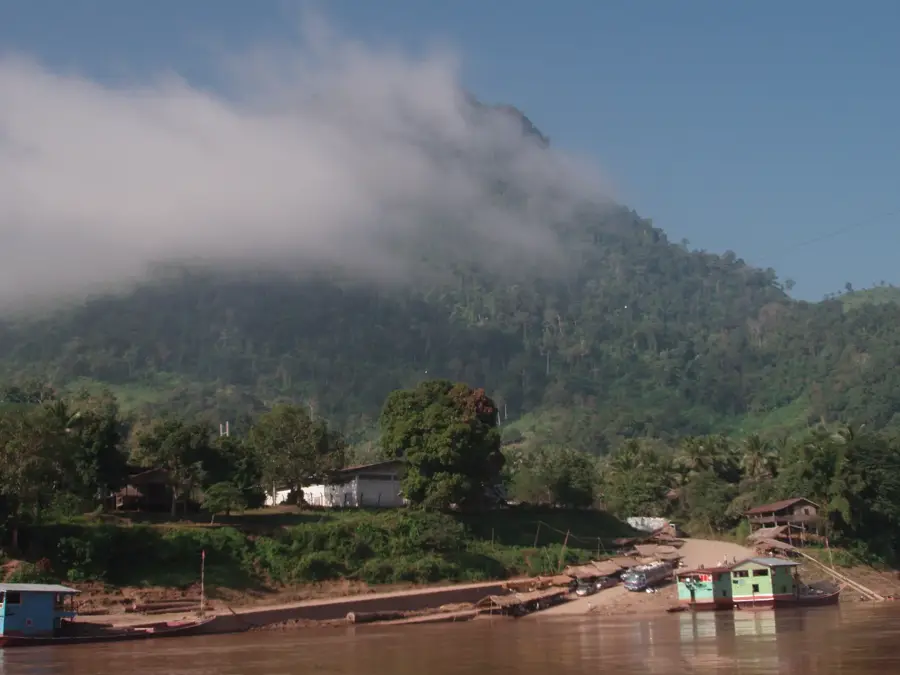
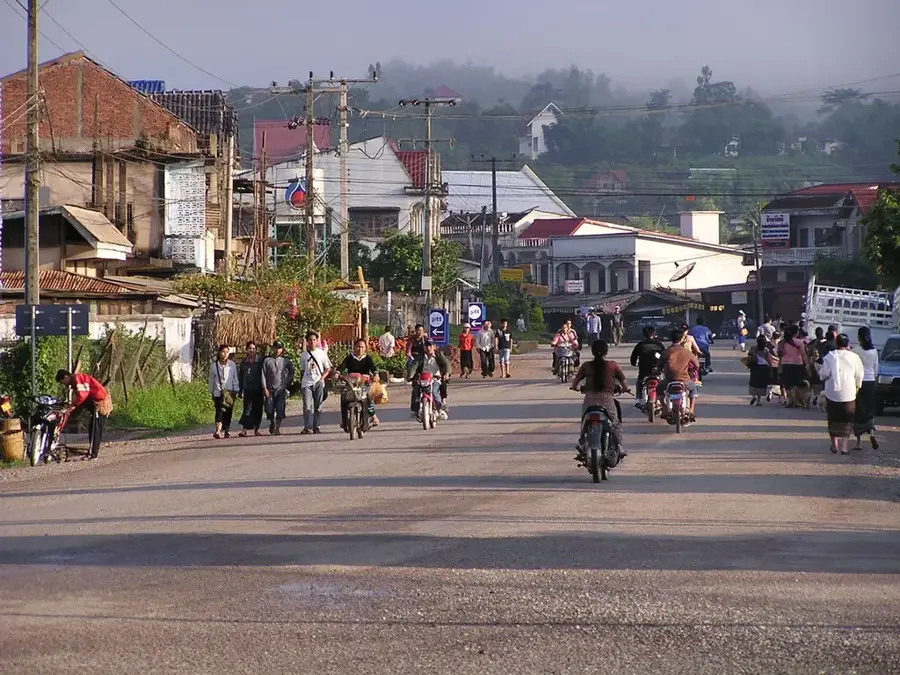
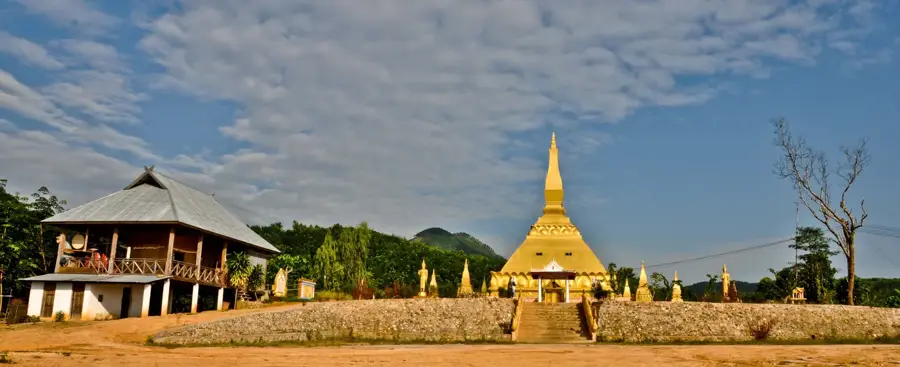
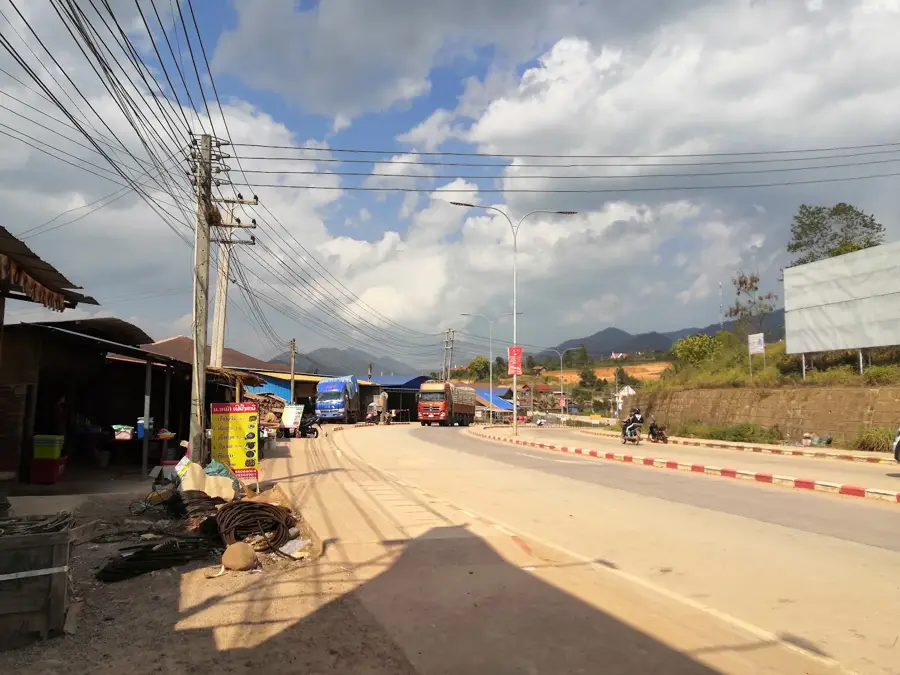
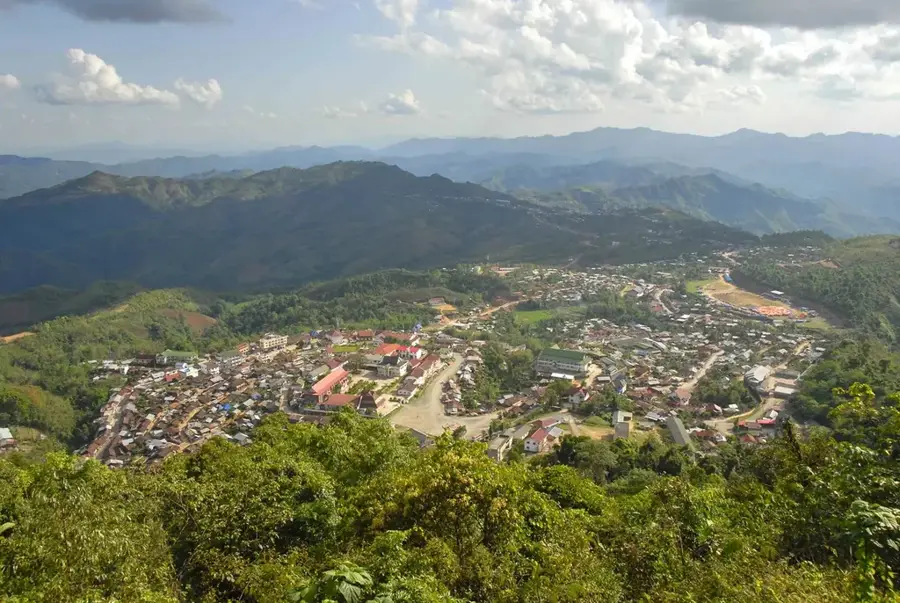
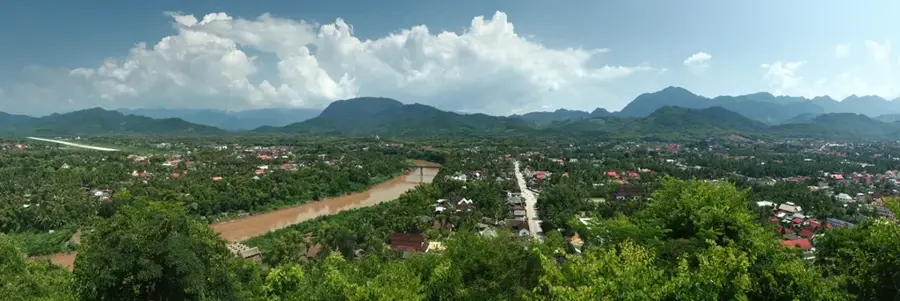
Sainyabuli, also spelled Sayaboury, is the capital of the namesake province in northwestern Laos. A unique geographic feature of the region is that it is the only Lao province situated almost entirely west of the Mekong River, sharing borders with six different Thai provinces. The town is widely recognized as the cultural heart of elephant conservation in Laos, earning it a reputation as the 'Land of Elephants.' Every February, the town hosts the annual Elephant Festival, a major event designed to raise awareness about the protection of these majestic animals while showcasing local traditions. Historically, the area was a point of contention between Laos and Thailand, most recently during a brief border conflict from 1987 to 1988. The province's landscape is defined by rugged mountains and dense forests, providing rich resources for timber and agriculture, particularly rice and corn. The completion of the Mekong bridge at Pak Khon in 2013 has vastly improved logistical links to the rest of the country. Today, the town serves as a quiet administrative and agricultural hub, increasingly focused on balancing economic development with the preservation of its unique natural wildlife.
- Location: Laos
- Nearby: Muang Xay (42 km)
- Population: ~13.500 (2026)
Best time to visit & climate
The most pleasant time to visit is Jan, Feb, Nov.
| Jan | Feb | Mar | Apr | May | Jun | Jul | Aug | Sep | Oct | Nov | Dec | |
|---|---|---|---|---|---|---|---|---|---|---|---|---|
| Avg °C | 19 | 21 | 24 | 26 | 26 | 26 | 25 | 24 | 24 | 23 | 21 | 19 |
| Rain mm | 12 | 6 | 33 | 66 | 137 | 124 | 216 | 248 | 146 | 60 | 21 | 11 |
Geography
Facts
- Host of the famous annual Elephant Festival
- Only province situated almost entirely west of the Mekong
- Major producer of rice, timber, and agricultural goods
- Mekong bridge at Pak Khon opened in the year 2013
- Home to a high concentration of wild elephants
- Shares a border with six different Thai provinces
Explore nearby
Notable places around
Route planner — Car & Motorhome
Where do you start? We build the route here, with stops and country notes along the way.
© OpenStreetMap contributors · OpenRouteService
Sights in the town Sainyabuli (1)
Frequently asked questions
What is Sainyabuli famous for?
When does the Elephant Festival take place?
What does the Elephant Conservation Center do?
Is the city tourist-friendly?
What is the landscape around the city like?
Sainyabuli: where is it located?
Sainyabuli: when is the best time to visit?
Sainyabuli: why is it worth visiting?

Nearby cities


History & landmarks
Nature
More places