Plizio Visual Lab
Pak Ou Caves
Weather…
Water temperature…
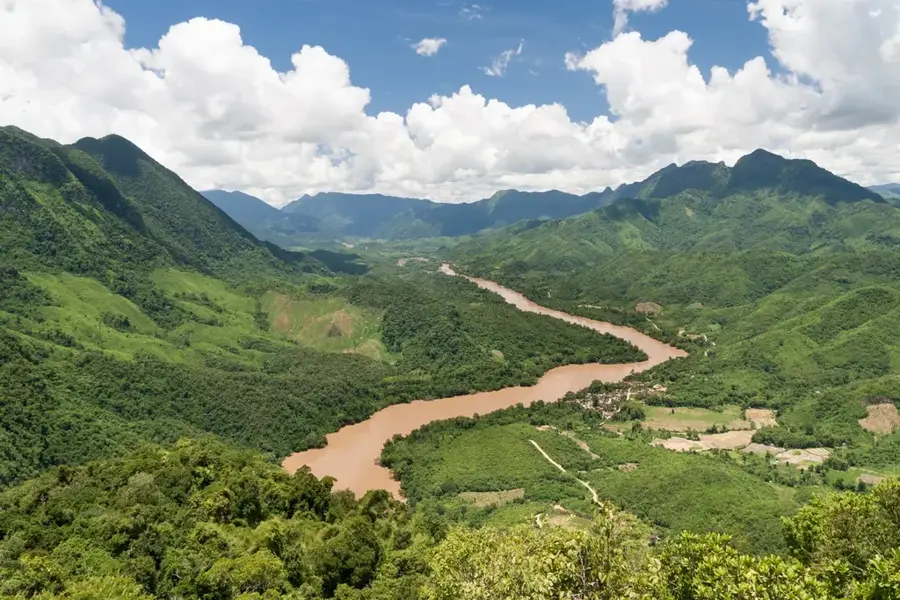
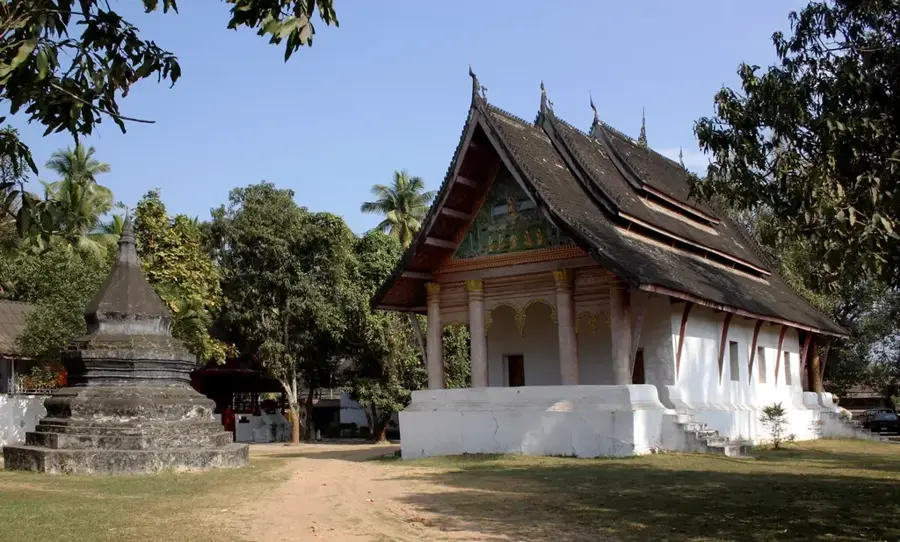
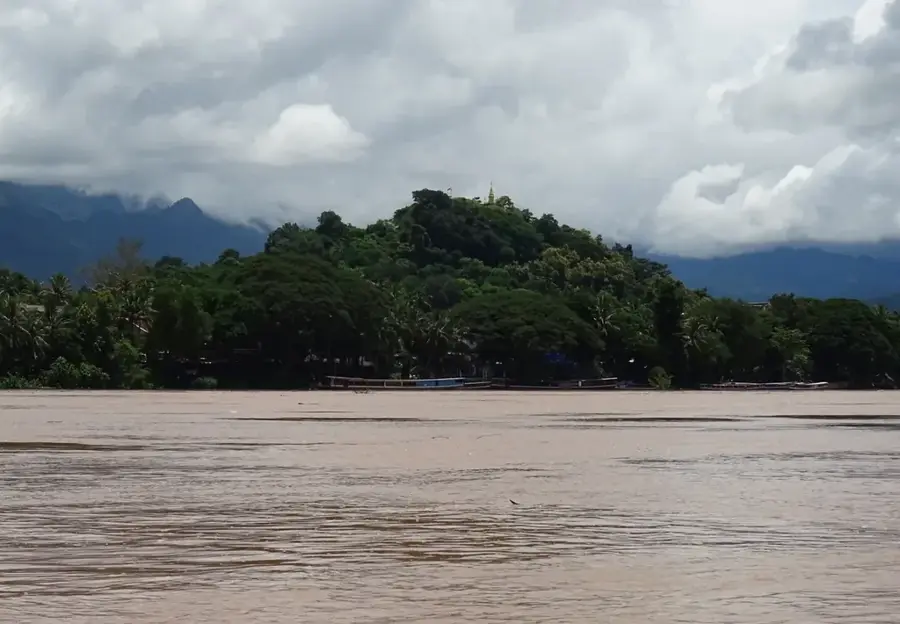
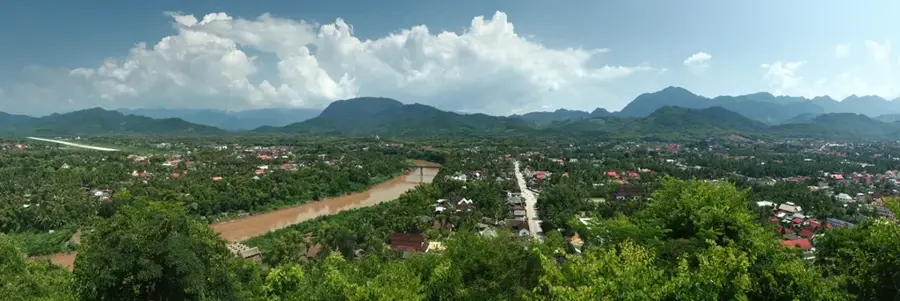
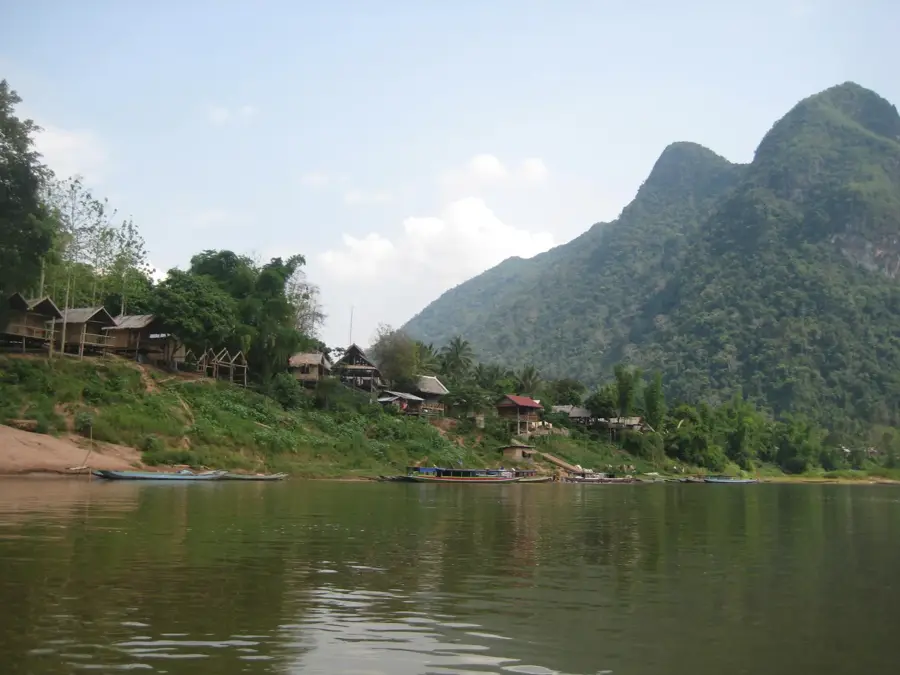
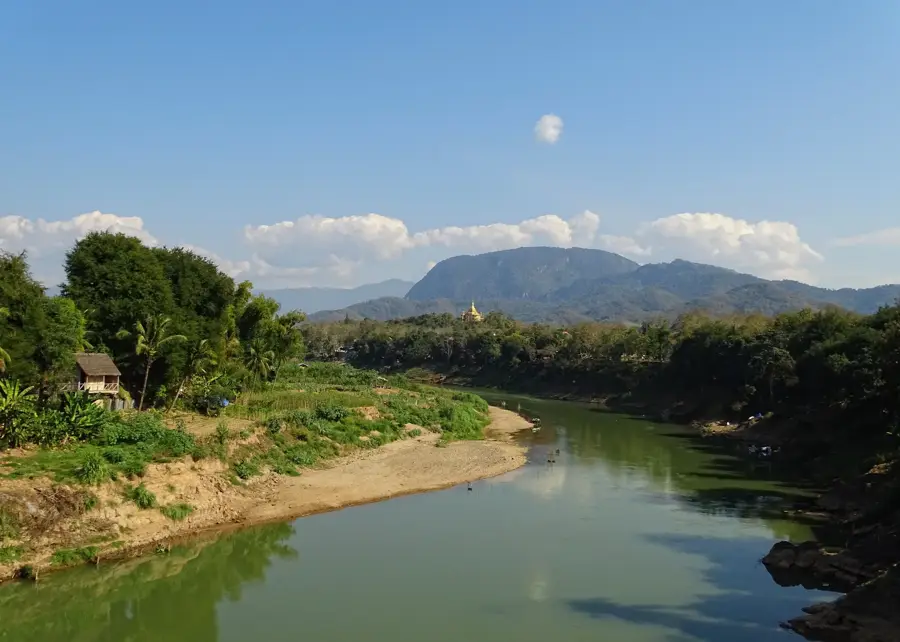
The Pak Ou Caves are a prominent Buddhist sanctuary located at the confluence of the Mekong and Nam Ou rivers, about 25 kilometers north of Luang Prabang. The site comprises two main chambers: Tham Ting (the lower cave) and Tham Theung (the upper cave), both set into a towering limestone cliff. For centuries, these caves have served as a repository for discarded or donated Buddha images, resulting in a collection of over 4,000 statues in various sizes and poses. Most of the figures are carved from wood and finished with red lacquer or gold leaf, reflecting the diverse artistic styles of the Lan Xang era. Historically, the caves were associated with local spirit (phi) worship before being formally converted to Buddhist use in the 16th century. During the Lao New Year (Pi Mai), the caves become a major pilgrimage destination as locals travel by boat to perform ceremonial washings of the icons. The journey to the caves is as much a part of the experience as the site itself, offering panoramic views of the riverine landscape and traditional villages along the banks.
- Location: Laos
- Nearby: Luang Prabang (7 km)
Best time to visit & climate
The most pleasant time to visit is Jan, Feb, Nov.
| Jan | Feb | Mar | Apr | May | Jun | Jul | Aug | Sep | Oct | Nov | Dec | |
|---|---|---|---|---|---|---|---|---|---|---|---|---|
| Avg °C | 19 | 22 | 24 | 26 | 26 | 26 | 25 | 25 | 25 | 24 | 21 | 19 |
| Rain mm | 14 | 6 | 31 | 62 | 121 | 116 | 219 | 234 | 127 | 56 | 23 | 12 |
📋 Practical info
Geography
Facts
- Located at the junction of the Mekong and Nam Ou rivers.
- Consists of two caves: Tham Ting and Tham Theung.
- Contains an estimated total of over 4,000 Buddha images.
- Became a major Buddhist site under King Setthathirath in 1560.
- The upper cave is roughly 54 meters deep and requires a torch.
- Statues represent various mudras (symbolic hand gestures).
Explore nearby
Notable places around

Route planner — Car & Motorhome
Where do you start? We build the route here, with stops and country notes along the way.
© OpenStreetMap contributors · OpenRouteService
Sights nearby
Frequently asked questions
How do you reach the Pak Ou caves?
What is special about these caves?
How much is the entrance fee?
Do you need a flashlight?
When is the best time to visit?
Pak Ou Caves: where is it located?
Pak Ou Caves: when is the best time to visit?
Pak Ou Caves: why is it worth visiting?

Nearby cities
History & landmarks
Nature
More places