Plizio Visual Lab

Lake Elementaita
Plizio editorial teamData Sources
Lake
—°
Lake Elementaita (Kenya)

Weather…

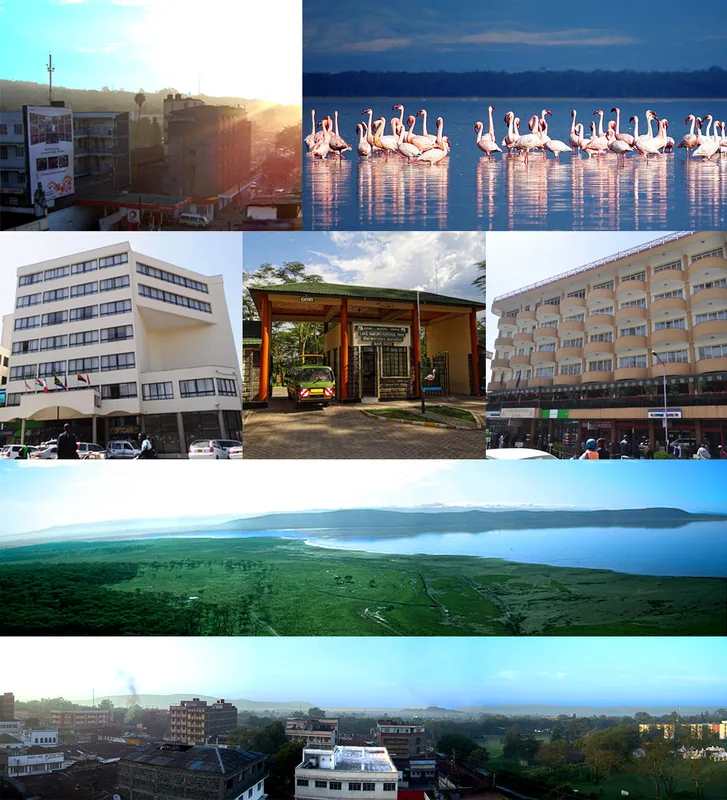
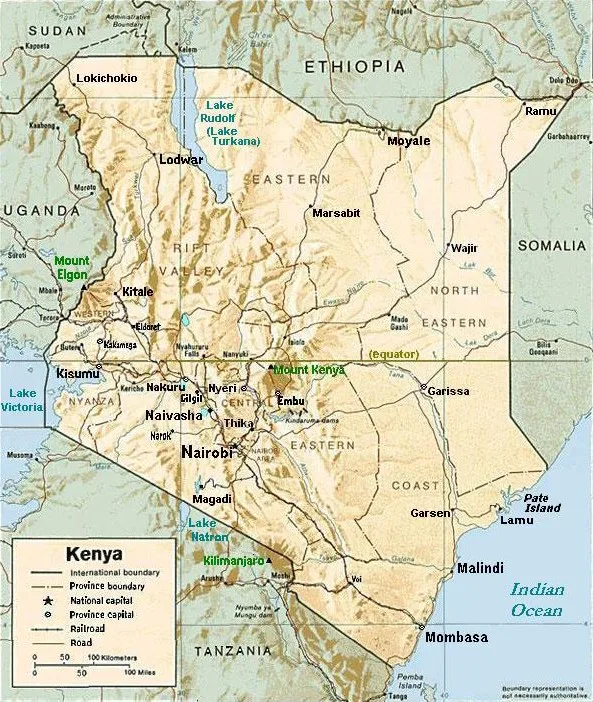
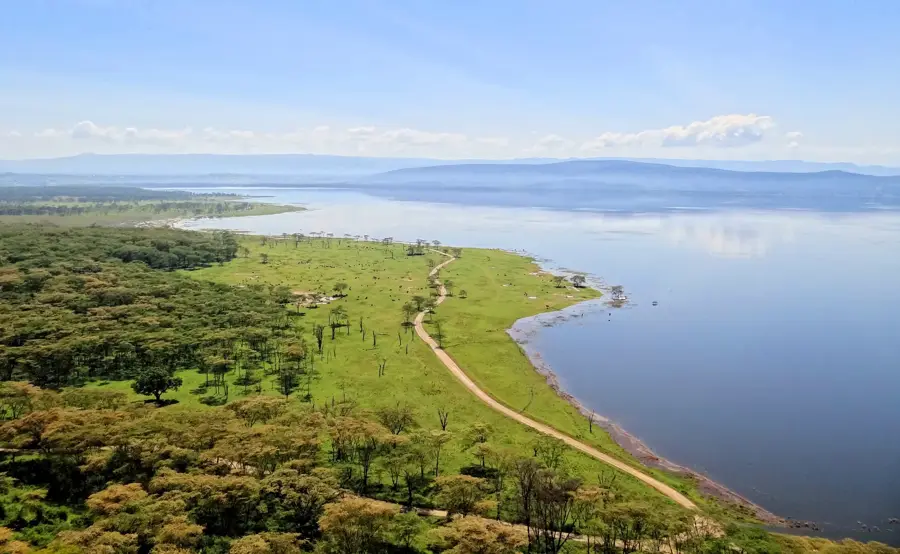
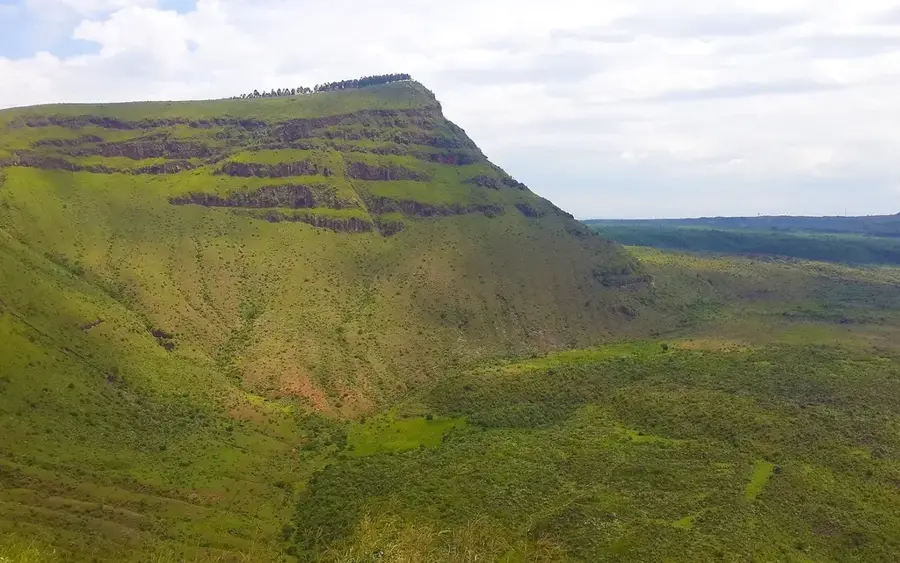
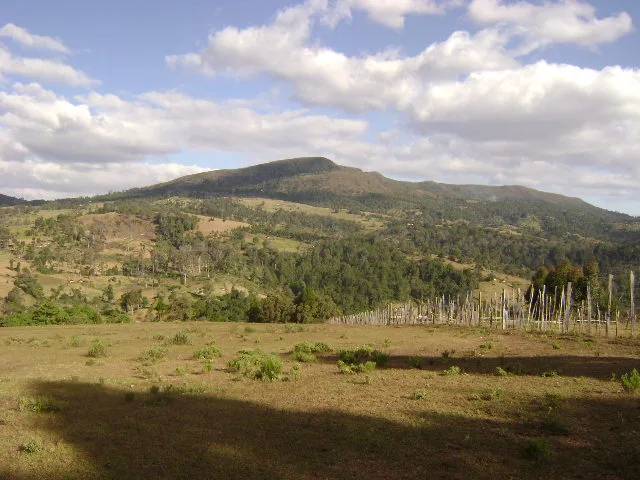
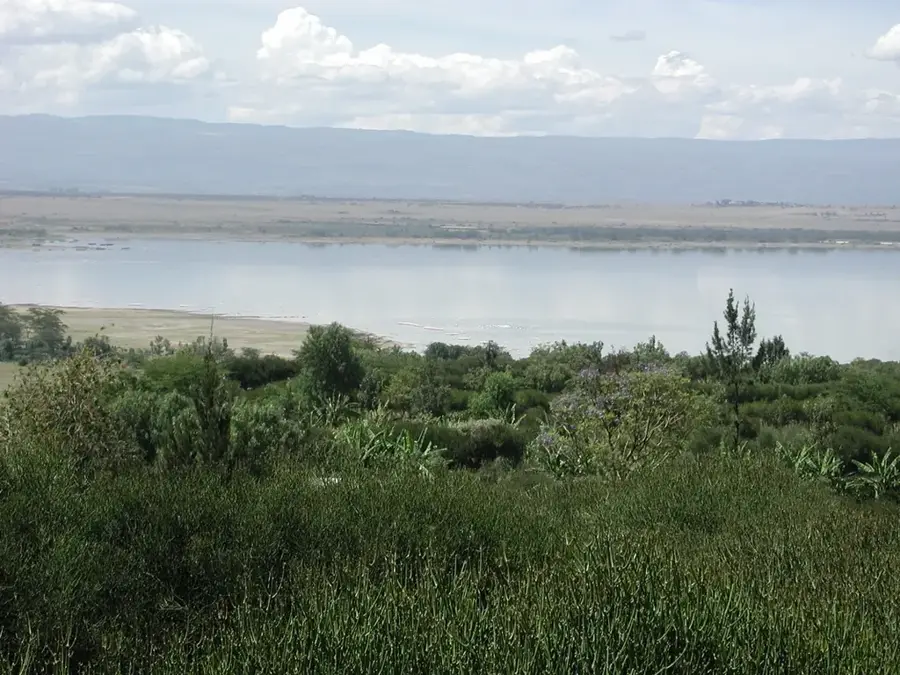
Lake Elementaita is a small alkaline soda lake in the Kenyan Rift Valley, situated between Lake Naivasha and Lake Nakuru. It sits at an elevation of about 1,670 meters and is bordered by the steep hills of the Elmenteita Escarpment and the dormant Ol Donyo Eburru volcano. The lake is an internationally recognized Ramsar site and was designated a UNESCO World Heritage site in 2011 as part of the Kenya Lake System. It is of critical ecological significance as one of the primary breeding sites for Great White Pelicans in East Africa. Additionally, the soda-rich waters support large flocks of flamingos that feed on the abundant algae and diatoms. The surrounding Soysambu Conservancy protects rare wildlife, including Rothschild's giraffes and African wild dogs. Historically, the area was developed by Lord Delamere during the colonial era as a major center for livestock ranching. Today, the lake serves as a tranquil haven for birdwatchers and nature enthusiasts, offering a more secluded experience than its busier neighboring lakes.

Best time to visit & climate

The most pleasant time to visit is Jan–Mar.

JanFebMarAprMayJunJulAugSepOctNovDec
Avg °C161717161515141415161616
Rain mm54391052061498368898511514695

📋 Practical info

🧭
Getting there
The soda crater lake is typically reached via the main highway connecting Nairobi to Nakuru, with turnoffs leading directly to the shores. Local private reserves often control access points, so arranging entry through established lodges or guided tours is generally the easiest approach.
📅
Best season
The best time to visit is typically during the dry seasons, from July to October and January to February, when weather conditions are stable. During these periods, birdwatching is often spectacular, as lower water levels concentrate flocks of flamingos and pelicans along the shoreline.
⛰️
Terrain & paths
The terrain surrounding the lake consists mostly of flat, dusty plains and volcanic soils, with some rocky outcrops near the crater rims. While walking near the water is generally easy, the ground can become muddy or slippery depending on recent rainfall and the fluctuating water line.
🎒
What to bring
Visitors should always bring robust sun protection, plenty of drinking water, and high-quality binoculars for observing the diverse birdlife. Lightweight, breathable clothing and comfortable walking shoes are highly recommended for navigating the dusty trails and dealing with the daytime heat.
🅿️
Parking
Parking facilities are typically provided within the grounds of the lakeside lodges and conservancies rather than at public access points. Those arriving independently usually need to arrange a day-trip permit at an accommodation, where vehicles can be left safely during excursions.
⚠️
Safety
Be aware of wild animals wandering near the lake, including grazing herbivores, and maintain a respectful distance at all times to avoid startling them. The strong equatorial sun poses a severe dehydration risk, so pacing outdoor activities and seeking shade during midday is crucial.
⏱️
Time needed
A typical visit usually lasts between two to four hours, which allows ample time for birdwatching, walking along the shoreline, and resting. Visitors staying at nearby properties often extend this to a full-day experience, combining nature walks with cultural or conservation activities.

Geography

Coordinates
-0.28330, 36.25000

Facts

  • Located in the Great Rift Valley at about 1,670 m
  • Premier breeding ground for Great White Pelicans
  • Designated a UNESCO World Heritage site in 2011
  • Bordered by the 19,000-hectare Soysambu Conservancy
  • Habitat for more than 450 distinct species of birds
  • Derived from the Maasai word 'Muteita' (dusty place)

Explore nearby

Notable places around
Route planner — Car & Motorhome

Where do you start? We build the route here, with stops and country notes along the way.

Vehicle
Only stops with (optional):

© OpenStreetMap contributors · OpenRouteService

Sights nearby

Frequently asked questions

What makes Lake Elementaita special?
It is a UNESCO World Heritage site and a vital breeding ground for pelicans and flamingos.
Is swimming allowed in the lake?
No, it is an alkaline soda lake; additionally, the ecosystem is very fragile.
Are there hiking trails around the lake?
Yes, guided nature walks along the shore are popular, often featuring zebras and gazelles.
How do you reach the lake from Nairobi?
It is about 120 km northwest of Nairobi, easily accessible via the Nairobi-Nakuru highway.
What volcanic features are here?
The lake is surrounded by extinct volcanoes like the 'Sleeping Warrior' hill.
Lake Elementaita: where is it located?
Lake Elementaita is located in Kenya.
Lake Elementaita: when is the best time to visit?
The most pleasant time to visit is Jan, Mar.
Lake Elementaita: why is it worth visiting?

Lake Elementaita is a small alkaline soda lake in the Kenyan Rift Valley, situated between Lake Naivasha and Lake Nakuru.
View on map → The Top 50 Attractions → OpenStreetMap →
Africa
Explore with Plizio Discover more places in Africa
More places in Kenya →

Nearby cities

Nature

More places