Plizio Visual Lab

Underwater Observatory
Plizio editorial teamData Sources
tourist-attraction
—°10
Underwater Observatory (Israel)

Weather…

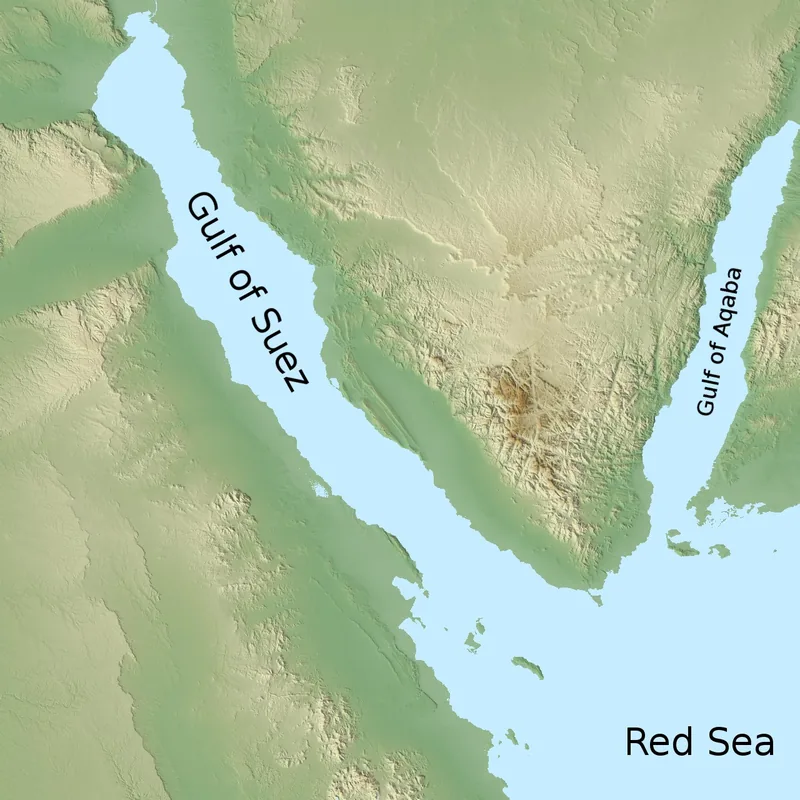
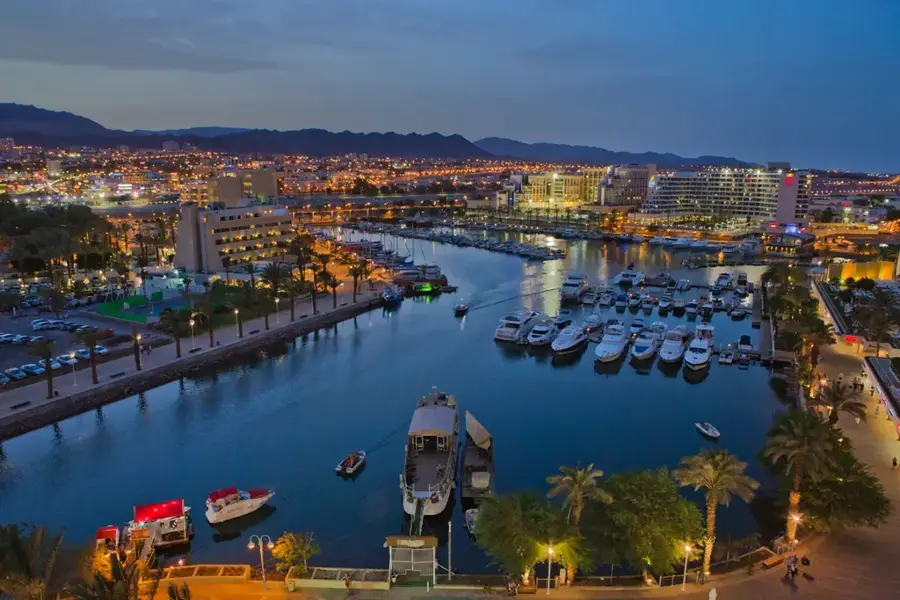
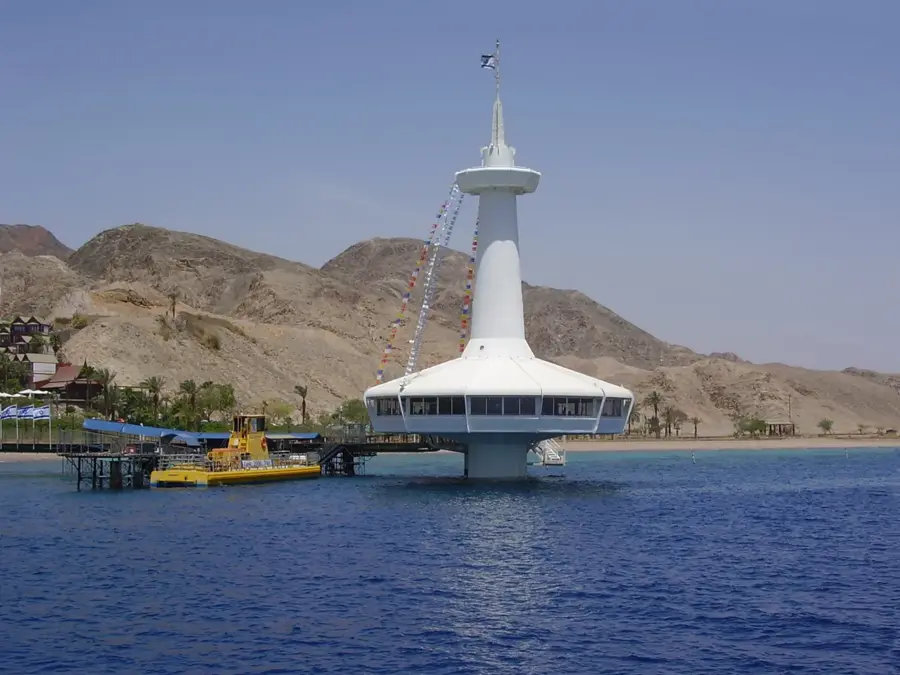
The Underwater Observatory Marine Park in Eilat was established in 1974 as the world's first facility of its kind, located directly within a living coral reef. Situated at the northern tip of the Gulf of Aqaba, the observatory features a distinctive white tower that extends six meters below the sea surface, offering panoramic views of the Red Sea's underwater world. The park houses more than 800 species of fish, corals, sharks, and other marine life across its various exhibitions and tanks. One of its most significant features is the 'Shark World' complex, which contains three million liters of water and is the largest shark tank in the Middle East. Beyond its role as a premier tourist attraction, the facility serves as an important center for marine research and the conservation of endangered species in the region. The observatory's design allows for the non-intrusive observation of the natural coral reef ecosystem, which is one of the northernmost in the world. Visitors can also experience specialized pools for sea turtles and rays, alongside educational presentations about the delicate balance of maritime environments.

Best time to visit & climate

The most pleasant time to visit is Apr, May, Oct.

JanFebMarAprMayJunJulAugSepOctNovDec
Avg °C111316202427282826231713
Rain mm9115410002365

📋 Practical info

🚪
Visiting
Guests can explore multiple indoor aquariums, outdoor pools hosting sharks and turtles, and descend into the unique submerged observatory towers that offer a natural view directly into the Red Sea reef.
🕒
Typical hours
The marine park usually operates daily with standard daytime hours, typically opening mid-morning and closing in the late afternoon, allowing ample time for various scheduled animal feeding sessions.
📷
Photography
Photography is highly encouraged throughout the facility; capturing clear images through the thick observatory glass requires getting your camera lens as close to the surface as possible to avoid reflections.
⏱️
Time needed
To properly view all the marine exhibits, watch a scheduled feeding, and descend into the deep observation towers, visitors should plan to spend approximately two and a half to four hours here.
Combine with
The observatory experience is perfectly combined with an afternoon of actual snorkeling or scuba diving at the nearby Coral Beach Nature Reserve to see the marine ecosystem up close in the open water.
🧭
Getting there
Located on the southern coastal road stretching towards the Egyptian border, the park is easily reachable by local Eilat city buses, taxis, or private car, offering a spacious parking lot for guests.
💡
Insider tip
Check the daily schedule upon arrival to ensure you don't miss the fascinating shark and turtle feeding times, which provide excellent opportunities to see these creatures highly active and moving around.

Geography

Coordinates
29.50420, 34.91740

Facts

  • The observatory was officially opened to the public in 1974.
  • The underwater viewing windows are located 6 meters below sea level.
  • More than 800 different species of marine life are housed in the park.
  • The shark tank holds approximately 3,000,000 liters of seawater.
  • The above-water observation deck stands at a height of 23 meters.
  • It is located at the southern end of Eilat, near the Egyptian border.

Explore nearby

Notable places around
Route planner — Car & Motorhome

Where do you start? We build the route here, with stops and country notes along the way.

Vehicle
Only stops with (optional):

© OpenStreetMap contributors · OpenRouteService

Sights in the town Underwater Observatory (10)

Coral 2000📍 landmark

A specialized vessel with underwater windows offering deep views of Eilat's coral gardens without getting wet.

Tzuk Shalev📍 landmark

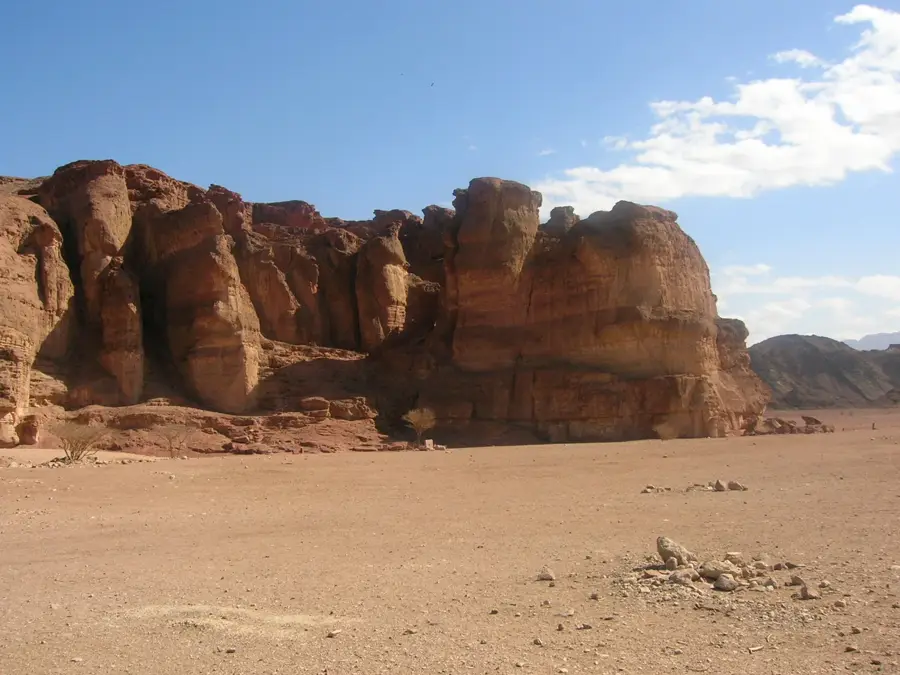
A striking cliff near the Egyptian border offering spectacular views of the Gishron stream and the Red Sea.

Camel Ranch📍 landmark

A desert ranch offering guided camel treks through the ancient valleys and dry riverbeds around Eilat.

Mt. Tzafachot🌿 nature

Eilat's most popular hiking mountain, from whose summit you can see Israel, Jordan, Egypt, and Saudi Arabia simultaneously.

Coral Beach Nature Reserve🎡 recreation

A nature reserve featuring a shallow reef and two long piers that lead snorkelers directly to the deep coral wall.

Har Yehoshafat🌿 nature

A mountain peak near the Egyptian border known for its steep limestone slopes and wide desert vistas.

Har Rehavam🌿 nature

A peak in the Eilat Mountains offering a dramatic view of the dark granite rocks and the Gulf of Aqaba.

Coral Beach🎡 recreation

This nature reserve features marked snorkeling trails along a 1,200-meter-long protected coral reef.

Village Beach🎡 recreation

A relaxed beach section near the coral reefs, popular for its diving schools and laid-back atmosphere.

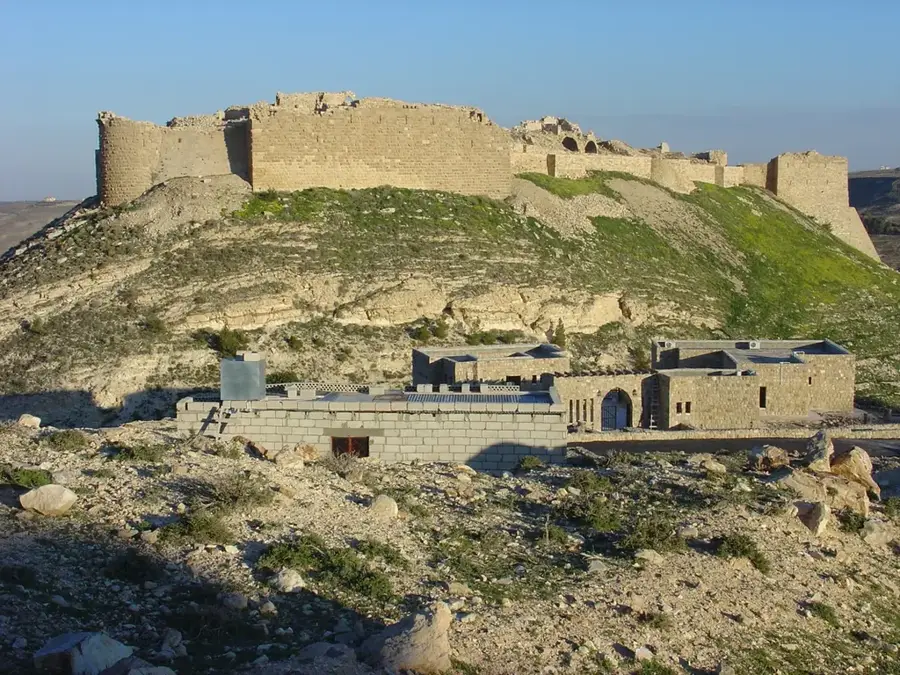
Citadel of Salah Al-Din🏰 castle

This medieval island fortress, also known as Pharaoh's Island, was built in the 12th century to protect pilgrimage routes.

Sights nearby

Frequently asked questions

What is the Underwater Observatory?
An observatory to observe the coral world without diving.
Is it family-friendly?
Absolutely, children love the shark pools and turtles.
Do you have to get wet?
No, you remain completely dry.
How long does the visit take?
Expect about 3 hours.
Is it accessible?
Yes, it is largely accessible.
Underwater Observatory: where is it located?
Underwater Observatory is located in Israel.
Underwater Observatory: what is there to see?
Highlights include Coral 2000, Tzuk Shalev, Camel Ranch.
Underwater Observatory: when is the best time to visit?
The most pleasant time to visit is Apr, May, Oct.
Underwater Observatory: why is it worth visiting?

The Underwater Observatory Marine Park in Eilat was established in 1974 as the world's first facility of its kind, located directly within a living coral reef.
View on map → The Top 50 Attractions → OpenStreetMap →
Asia
Explore with Plizio Discover more places in Asia
More places in Israel →

Nearby cities

History & landmarks
Nature
More places