Plizio Visual Lab
Rahat

ℹ️Practical info — Rahat
▾
🌤 Weather — 5 days
📍 Nearby
Sights nearby
💡 Tips
- Respect local customs by dressing modestly, covering shoulders and knees when exploring the city.
- Public transport is somewhat limited within the city; having a rental car is highly recommended.
- English signs are rare, so having a translation app or a local guide is very useful.
- Many shops close for Friday prayers, so plan your shopping and meals accordingly.
🍽 Food
A traditional upside-down rice and meat dish, usually found in family-run restaurants or homestays.
Strong, cardamom-spiced coffee poured from a traditional dallah pot in local cafes.
Meat and vegetables slow-cooked in an underground pit, ask locals for authentic Bedouin dining experiences.
🛍 Shopping · 🧘 Quiet spots
The weekly market is the best place to find traditional textiles, rugs, and spices.
Pick up boxes of fresh knafeh and baklava in the city center bakeries.
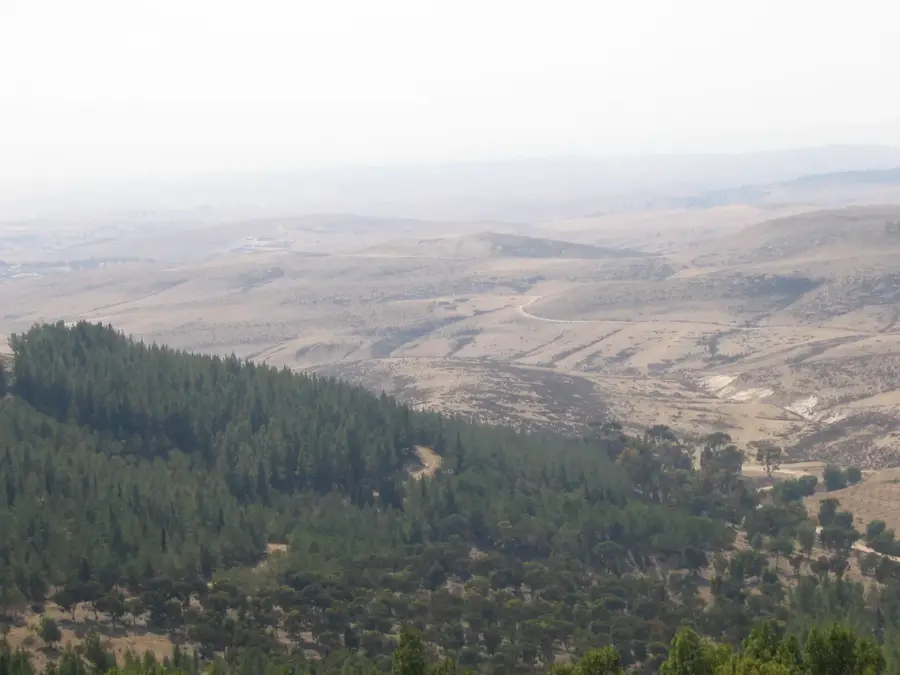
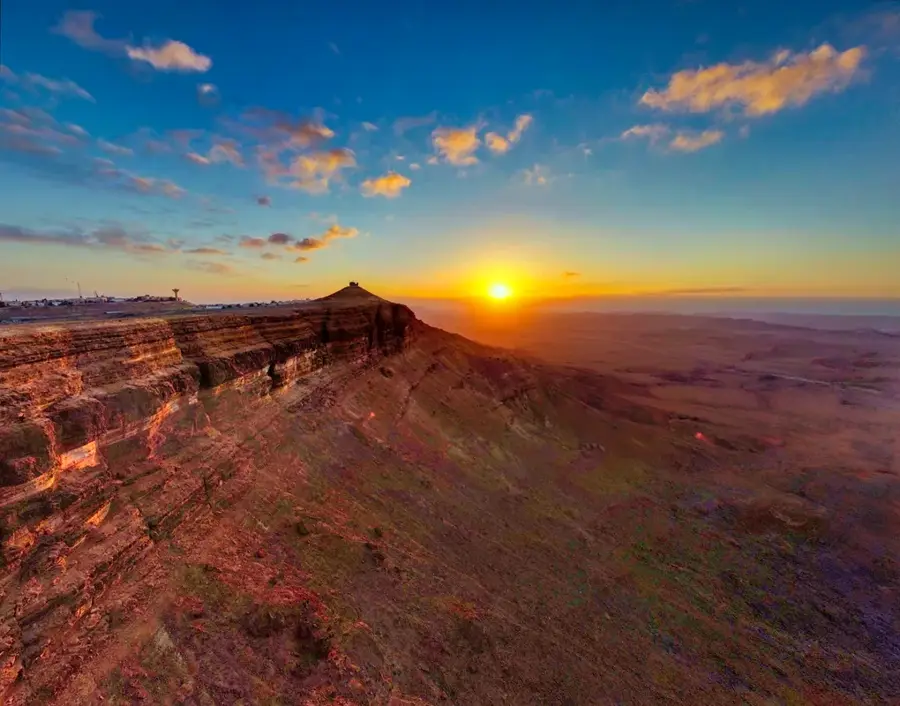
Walk towards the outer edges of the city at sunset for beautiful views of the northern Negev hills.
The outer courtyards of the mosques offer peaceful shaded seating outside prayer times.
Water temperature…
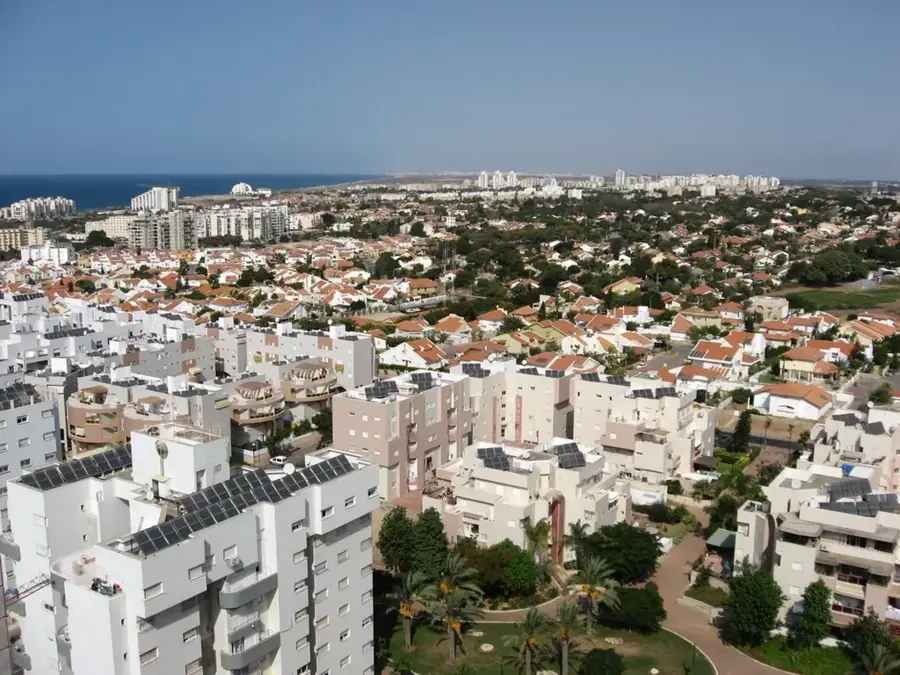
Rahat is the largest Bedouin city in the world, located in the northern Negev desert of Israel, approximately 12 kilometers north of Beersheba. Established in 1972 by the Israeli government, it was designed to provide a permanent urban settlement for the region's Bedouin tribes who were transitioning from a nomadic lifestyle. In 1994, Rahat was officially granted city status and has since evolved into a primary cultural and economic hub for the Bedouin community. The city's layout and architecture reflect a unique blend of modern urban planning and traditional social structures, with many residents maintaining ancestral customs. Rahat is increasingly known for its tourism initiatives, offering visitors a window into Bedouin hospitality, crafts, and cuisine. Recent years have seen significant development in infrastructure and industry, most notably the 'Idan HaNegev' industrial park, a collaborative project with neighboring Jewish municipalities. As one of Israel's fastest-growing cities, Rahat is characterized by its exceptionally young population and lively community life.
- Location: Israel
- Top sights: Al-Salam Mosque · Al-Taqwa Mosque · Al-Rahma Mosque
- Nearby: Beersheba (13 km)
- Population: ~19.586 (2019)
Best time to visit & climate
The most pleasant time to visit is Apr, May, Oct.
| Jan | Feb | Mar | Apr | May | Jun | Jul | Aug | Sep | Oct | Nov | Dec | |
|---|---|---|---|---|---|---|---|---|---|---|---|---|
| Avg °C | 10 | 12 | 15 | 18 | 22 | 25 | 27 | 27 | 25 | 22 | 17 | 12 |
| Rain mm | 59 | 42 | 27 | 15 | 4 | 0 | 1 | 0 | 2 | 12 | 31 | 48 |
Geography
Facts
- World's largest Bedouin city, with a population of approximately 71,000.
- Established in 1972 as a planned urban center in the Negev desert.
- Became the first Bedouin municipality in Israel to achieve city status in 1994.
- The city's demographic is notably young, with over half the population under 18.
- Features a dedicated Cultural Center aimed at preserving Bedouin heritage.
- Strategically located near the major transport artery connecting central Israel to the south.
Explore nearby
Notable places around
Route planner — Car & Motorhome
Where do you start? We build the route here, with stops and country notes along the way.
© OpenStreetMap contributors · OpenRouteService
Sights in the town Rahat (3)
Frequently asked questions
What makes Rahat special?
Can tourists experience Bedouin culture?
Is there a local market?
What is the typical food?
When should you visit Rahat?
Rahat: where is it located?
Rahat: what is there to see?
Rahat: when is the best time to visit?
Rahat: why is it worth visiting?
Nearby cities
History & landmarks
Nature
More places