Plizio Visual Lab

Hai-Bar Yotvata Nature Reserve
Plizio editorial teamData Sources
wildlife-area
—°6
Hai-Bar Yotvata Nature Reserve (Israel)

Weather…

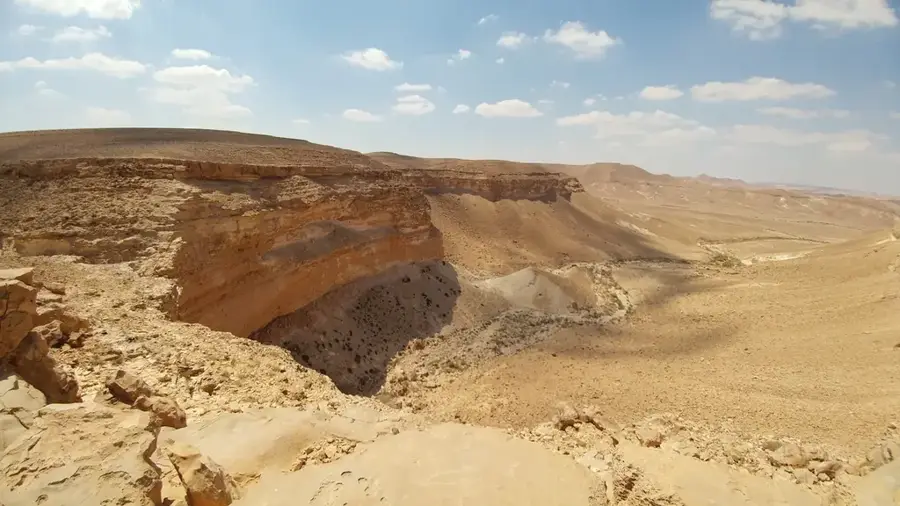
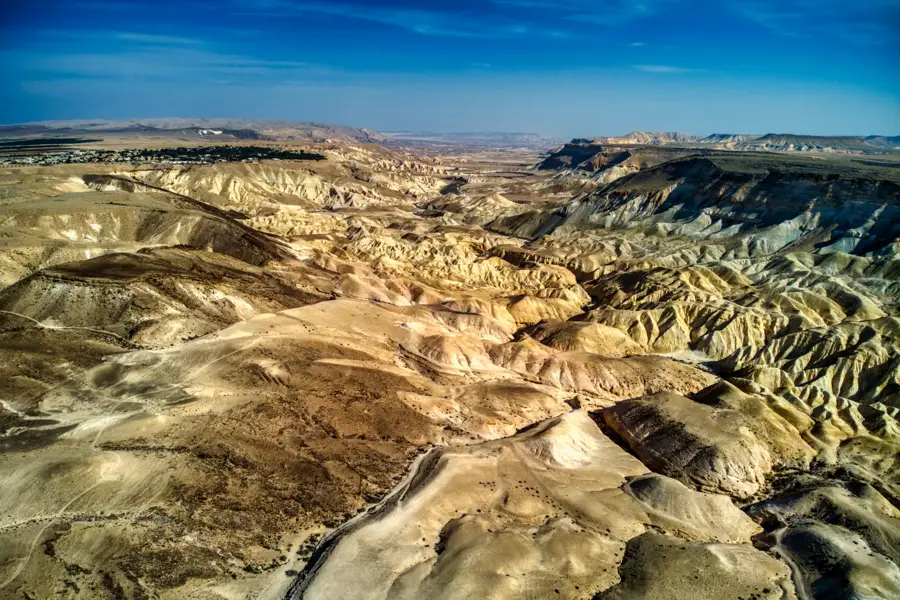
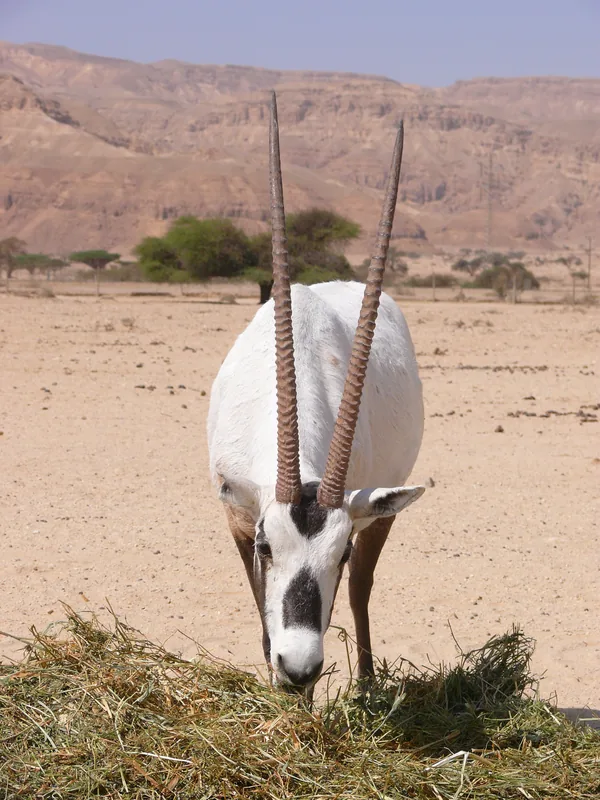
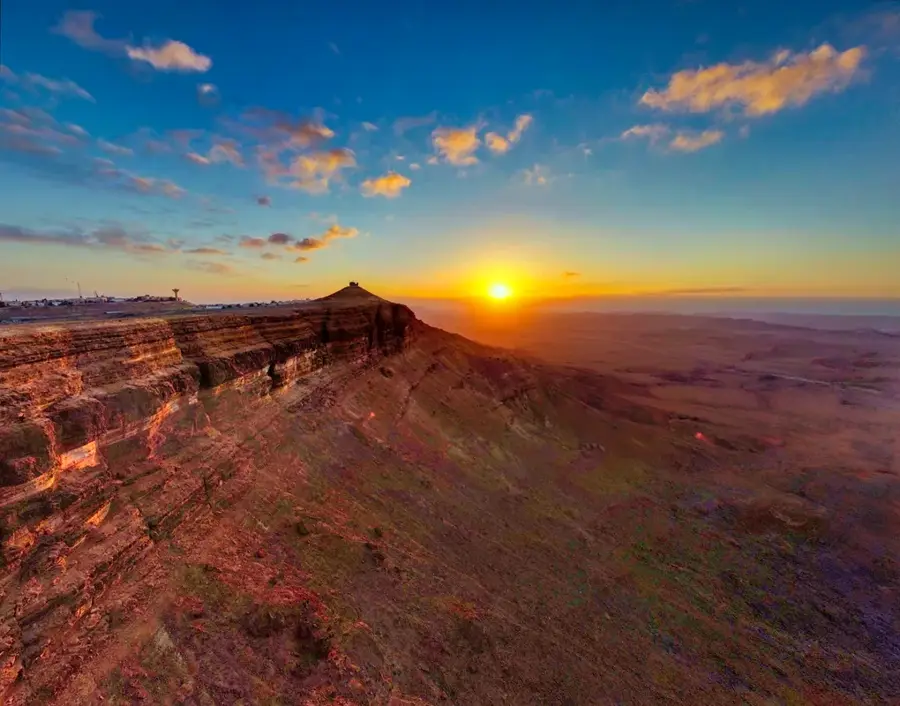
The Hai-Bar Yotvata Nature Reserve is located in the Arava Desert of southern Israel and is dedicated to the breeding and reintroduction of animals mentioned in the Bible that had gone extinct in the region. Founded in 1968, the reserve covers approximately 12 square kilometers and consists of a vast open area, a predators' center, and a desert night-life exhibition. In the large acacia-studded savanna, herds of Arabian oryx, scimitar-horned oryx, and Somali wild asses roam in semi-freedom. A key mission of the project is to build stable populations of these endangered species to eventually release them back into the wild of the Negev Desert. Visitors can drive through the open landscape in their own vehicles to observe these majestic creatures in a habitat that closely mirrors their natural environment. The reserve plays a critical role in international wildlife conservation and has been instrumental in saving the Arabian oryx from global extinction.

Best time to visit & climate

The most pleasant time to visit is Apr, May, Oct.

JanFebMarAprMayJunJulAugSepOctNovDec
Avg °C101216202427282826231712
Rain mm171997200066910

📋 Practical info

📅
Best season
Visiting during the milder winter months is highly advised for this desert location, as summer temperatures in the Arava Valley can be dangerously high. The cooler season is much safer for visitors and provides better viewing opportunities.
🌅
Best time of day
To maximize your chances of seeing desert animals actively foraging, aim for the first light of dawn or the late afternoon hours. During the intense midday sun, most wildlife will naturally seek shelter and be very difficult to spot.
📜
Etiquette
You are typically required to remain within designated observation areas or in your vehicle, depending on the specific reserve regulations. Never attempt to feed or approach the endangered animals, as human habituation can jeopardize their reintroduction success.
🎒
What to bring
Adequate sun protection, including wide-brimmed hats and strong sunscreen, alongside plenty of drinking water, is absolutely essential for any desert visit. A good telephoto lens or binoculars will help you observe the elusive desert fauna from a safe distance.
🧭
Getting there
The reserve is usually reachable by car driving along the main highways through the Arava Valley. Ensure your vehicle is in good working condition for desert travel, and check local guidelines for any required entry permits before departing.
🦌
What to expect
Spotting specialized desert wildlife can be challenging as many species blend seamlessly into their arid surroundings. Lower your expectations for rapid sightings and focus instead on appreciating the unique adaptation of these creatures to such harsh conditions.

Geography

Coordinates
29.89960, 35.01180

Facts

  • The reserve was officially established in 1968 to restore biblical fauna.
  • It spans across an area of approximately 3,000 acres (12 sq km).
  • The Arabian oryx was successfully reintroduced to the wild from here.
  • The park is divided into a safari area, a predator center, and a nocturnal room.
  • Visitors can take a self-guided driving tour through the savanna area.
  • The facility collaborates with international zoos for genetic diversity.

Explore nearby

Notable places around
Route planner — Car & Motorhome

Where do you start? We build the route here, with stops and country notes along the way.

Vehicle
Only stops with (optional):

© OpenStreetMap contributors · OpenRouteService

Sights in the town Hai-Bar Yotvata Nature Reserve (6)

Har Argaman🌿 nature

A mountain in the southern Arava Valley known for its striking purple-hued sandstone formations.

Har Yotvata🌿 nature

A steep desert peak overlooking the Yotvata oasis and the salt flats of the Arava Valley.

Nuriel Viewpoint🌿 nature

A roadside viewpoint providing a wide panorama of the southern Arava desert and the mountains of Jordan.

Tiger temple🏺 historical

A 7,500-year-old Neolithic ritual site featuring stone outlines of leopards and an oryx pointing toward the sunrise.

Kasuy Sands📍 landmark

A unique area of soft, golden sand dunes in the Uvda Valley, popular for sandboarding and desert hikes.

Ein Yotvata📍 landmark

A historic desert spring that has provided water to the Yotvata oasis since ancient times.

Sights nearby

Frequently asked questions

What is special about the Chai-Bar Jotvata Nature Reserve?
It is dedicated to reintroducing biblical animals into the desert environment.
Can I see the animals from my car?
Yes, you can drive through the open area in your own vehicle.
When should I visit the reserve?
Early in the morning when the animals are most active and the heat is tolerable.
Is there shade at Chai-Bar Jotvata?
The area is vast and sunny; definitely bring a hat.
How long does a tour take?
Plan for about 1.5 to 2 hours for the drive and visiting the enclosures.
Hai-Bar Yotvata Nature Reserve: where is it located?
Hai-Bar Yotvata Nature Reserve is located in Israel.
Hai-Bar Yotvata Nature Reserve: what is there to see?
Highlights include Har Argaman, Har Yotvata, Nuriel Viewpoint.
Hai-Bar Yotvata Nature Reserve: when is the best time to visit?
The most pleasant time to visit is Apr, May, Oct.
Hai-Bar Yotvata Nature Reserve: why is it worth visiting?

The Hai-Bar Yotvata Nature Reserve is located in the Arava Desert of southern Israel and is dedicated to the breeding and reintroduction of animals mentioned in the Bible that had gone extinct in the region.
View on map → The Top 50 Attractions → OpenStreetMap →
Asia
Explore with Plizio Discover more places in Asia
More places in Israel →

Nearby cities

History & landmarks
Nature
More places