Plizio Visual Lab

Negev Desert
Plizio editorial teamData Sources
desert
—°4
Negev Desert (Israel)

Weather…

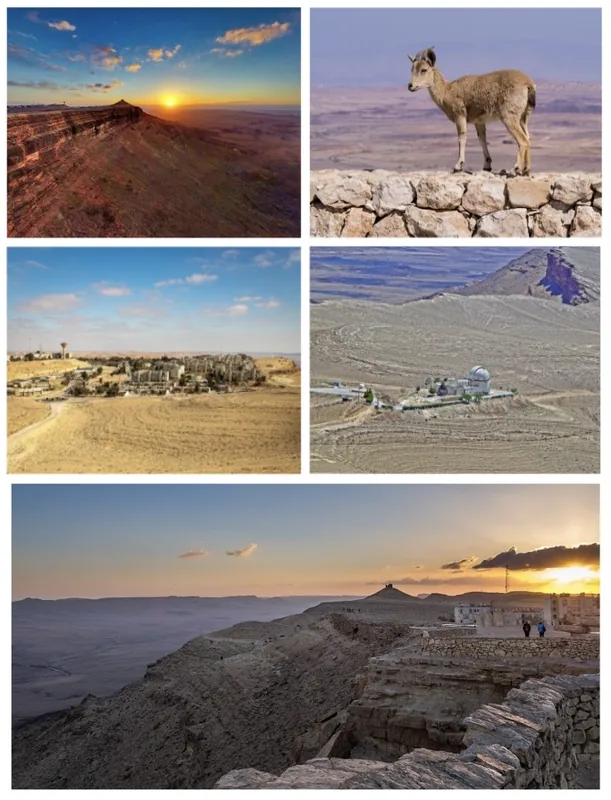
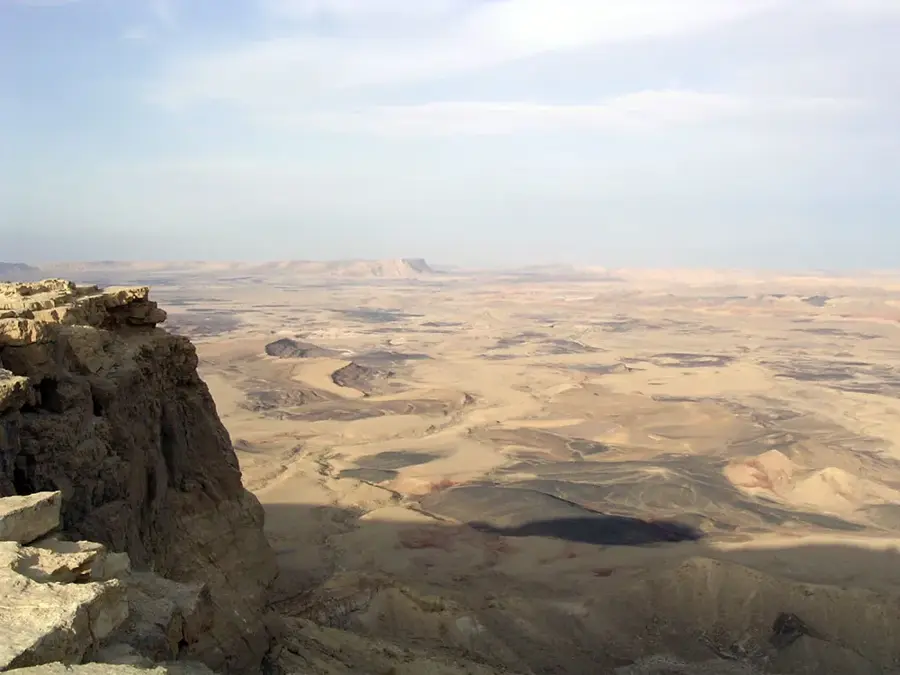
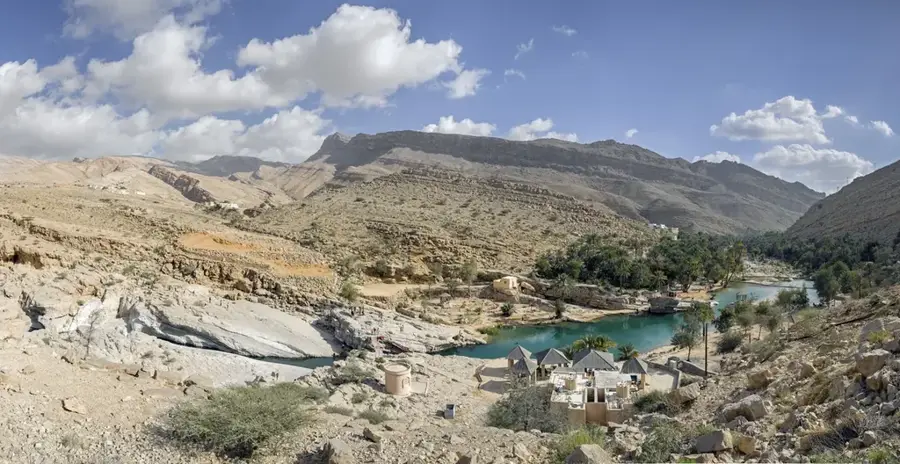
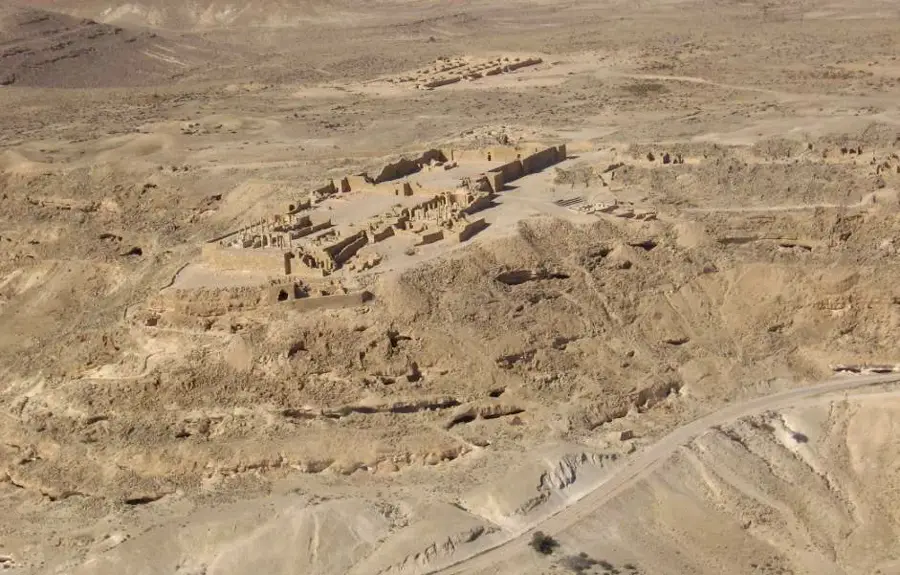
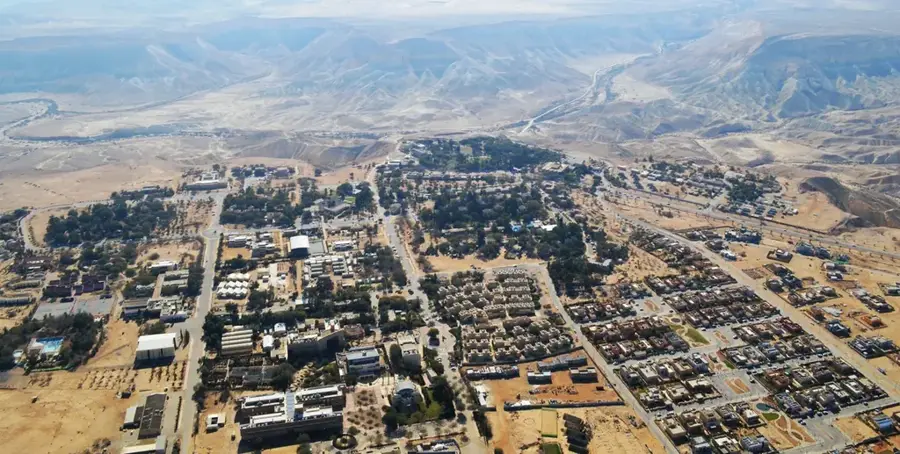
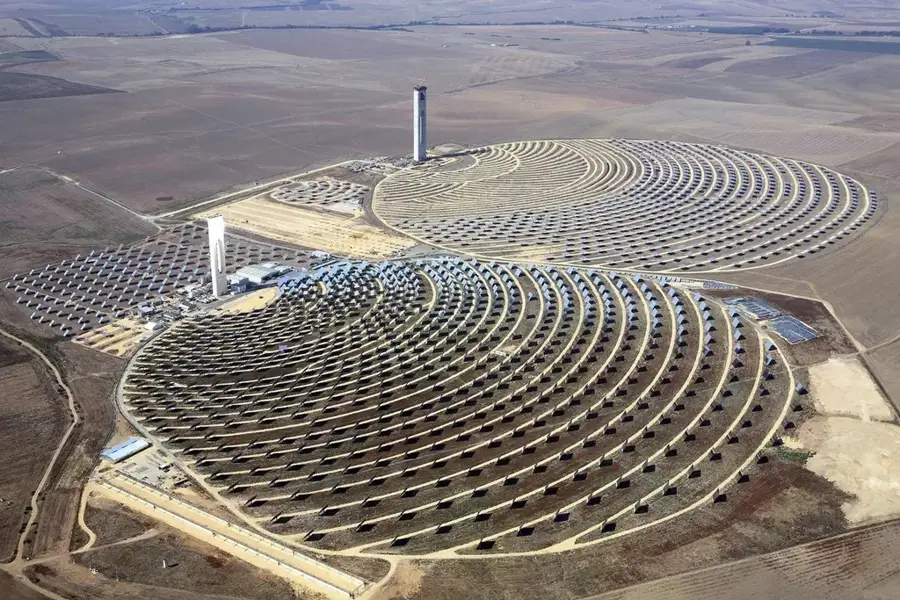
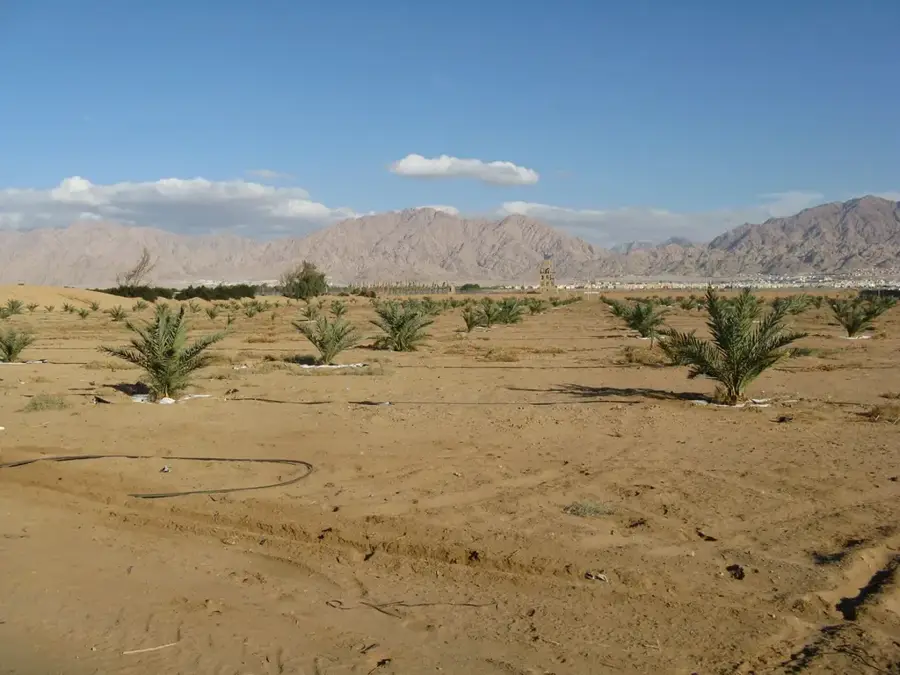
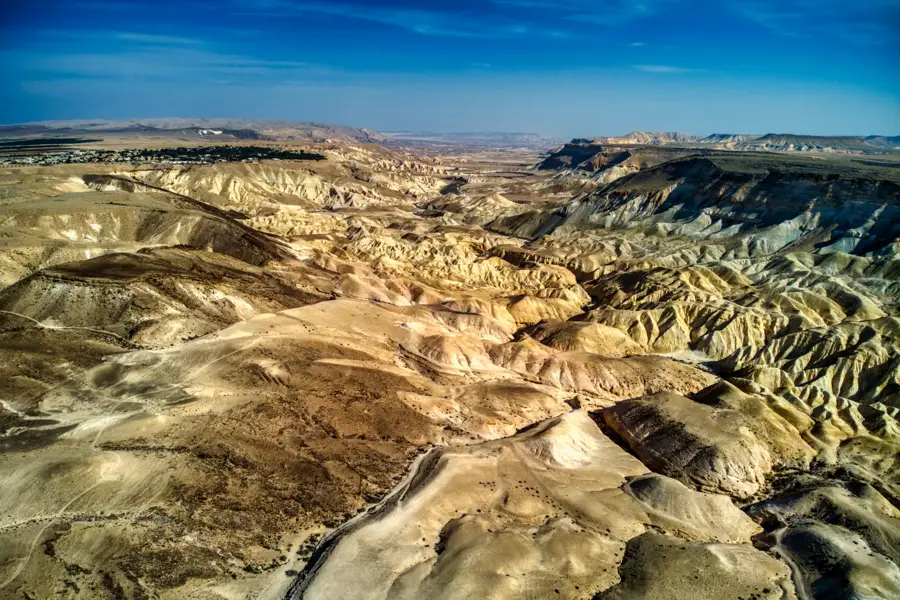
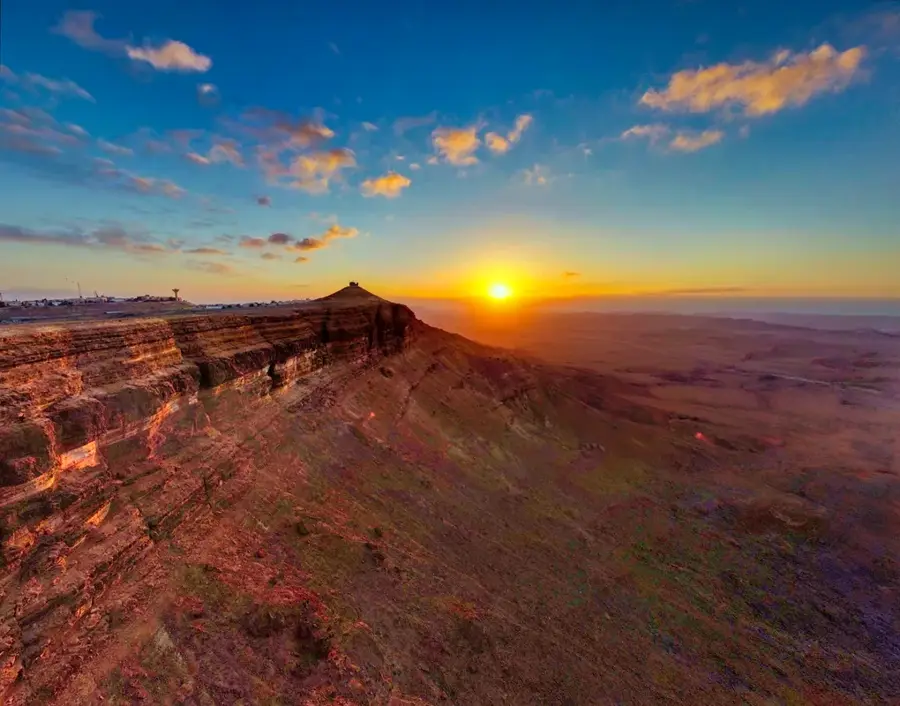
The Negev Desert covers over 55% of Israel's landmass, spanning approximately 13,000 square kilometers in the southern part of the country. Geologically, the region is world-renowned for its 'makhteshim', unique erosion craters, with Makhtesh Ramon being the largest of its kind globally, stretching 40 kilometers in length. The topography is highly diverse, ranging from loess plains in the north and limestone ridges in the center to rugged granite peaks in the far south near the Red Sea. Historically, the Negev was the domain of the Nabataeans, who developed sophisticated water-harvesting techniques to sustain thriving cities like Avdat along the Incense Route. Today, the desert serves as a global hub for arid-zone agriculture, solar energy innovation, and high-tech research. Despite its hyper-arid climate, the Negev supports a specialized ecosystem featuring Nubian ibexes, desert foxes, and Dorcas gazelles. The landscape is defined by seasonal flash floods that dramatically transform dry wadis into raging torrents, shaping the terrain over millennia.

Best time to visit & climate

The most pleasant time to visit is Apr, May, Oct.

JanFebMarAprMayJunJulAugSepOctNovDec
Avg °C111216202427292926231813
Rain mm352815103000271420

📋 Practical info

🧭
Getting there
The vast area is primarily accessed via major highways heading south from Beersheba, which serves as the main gateway to the region. Driving your own vehicle or taking an organized tour are the most practical ways to explore the extensive distances between natural attractions.
📅
Best season
Late autumn to early spring gives the most favorable weather conditions for outdoor activities, avoiding the oppressive and dangerous summer heat. The brief period following winter rains can transform parts of the arid landscape with surprisingly bustling wildflower blooms.
⛰️
Terrain & paths
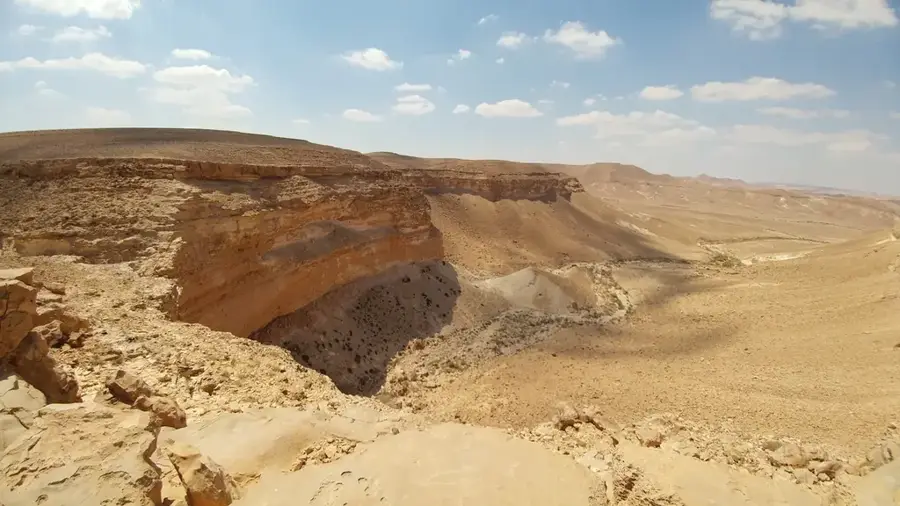
The topography features a striking mix of rocky valleys, vast plains, and unique geological formations called makhteshim or erosion craters. Trails range from flat, easy walks across sandy expanses to challenging ascents up steep, rocky crater walls requiring good physical fitness.
🎒
What to bring
Adequate hydration is critical, so always carry significantly more water than you think you will need. Sun-protective clothing, a hat, sturdy hiking shoes, and a detailed map or GPS device are mandatory for anyone planning to venture onto the extensive hiking trails.
🅿️
Parking
Most recognized national parks and major scenic overlooks within the region feature designated, unpaved parking areas. In more remote sections, visitors often park near the side of the main roads, taking care not to block traffic or damage the fragile desert ecosystem.
⚠️
Safety
The primary dangers here are severe dehydration and heat exhaustion, making it vital to limit strenuous activities during peak sunshine hours. Be aware of the risk of sudden flash floods in low-lying areas and dry riverbeds, particularly during the unstable winter months.
⏱️
Time needed
A quick scenic drive stopping at major viewpoints can easily be completed in a few hours, but dedicated hikers and nature enthusiasts often spend several days exploring. Multi-day trekking and camping under the stars are very popular ways to experience the immensity of the landscape.

Geography

Coordinates
30.50000, 34.79000

Facts

  • The Negev spans 13,000 square kilometers, over half of Israel's area.
  • Makhtesh Ramon is the largest erosion crater on Earth at 40 km long.
  • The region is home to the world's most advanced desert drip irrigation.
  • Mount Ramon is the highest peak in the Negev at 1,037 meters.
  • The Nabataean city of Shivta shows complex ancient water engineering.
  • Winter flash floods in the Negev are a major force of geological erosion.

Explore nearby

Notable places around
Route planner — Car & Motorhome

Where do you start? We build the route here, with stops and country notes along the way.

Vehicle
Only stops with (optional):

© OpenStreetMap contributors · OpenRouteService

Sights in the town Negev Desert (4)

Giv`at Tzahavon🌿 nature

A desert hill in the Negev named for its yellowish hue, resulting from the specific mineral composition of its slopes.

Banshee📍 landmark

A distinctive rock formation or point of interest located within the rugged, arid terrain of the Negev desert landscape.

Mt. Qirton🌿 nature

A mountain composed primarily of chalk and limestone, standing as a prominent landmark in the central Negev desert.

Mt. Sham'ay🌿 nature

An isolated summit in the Negev desert providing clear views across the sparse, rocky plateaus of southern Israel.

Sights nearby

Frequently asked questions

What is special about the Ramon Crater?
It is a 'makhtesh', a world-unique erosion crater with fascinating geological layers.
Can you go hiking in the Negev?
Yes, there are thousands of kilometers of marked trails, including a section of the Israel National Trail.
Is there water in the desert?
In oases like Ein Avdat, there are waterfalls and natural pools year-round.
Is it very cold in the desert at night?
Yes, especially in winter, temperatures can drop close to freezing at night.
What animals can you see?
Nubian ibexes are often seen, especially near Mitzpe Ramon or Ein Avdat.
Negev Desert: where is it located?
Negev Desert is located in Israel.
Negev Desert: what is there to see?
Highlights include Giv`at Tzahavon, Banshee, Mt. Qirton.
Negev Desert: when is the best time to visit?
The most pleasant time to visit is Apr, May, Oct.
Negev Desert: why is it worth visiting?

The Negev Desert covers over 55% of Israel's landmass, spanning approximately 13,000 square kilometers in the southern part of the country.
View on map → The Top 50 Attractions → OpenStreetMap →
Asia
Explore with Plizio Discover more places in Asia
More places in Israel →

Nearby cities

History & landmarks

Nature
More places