Plizio Visual Lab

Sharah Mountains
Plizio editorial teamData Sources
Mountain
—°5
Sharah Mountains (Jordan)

Weather…

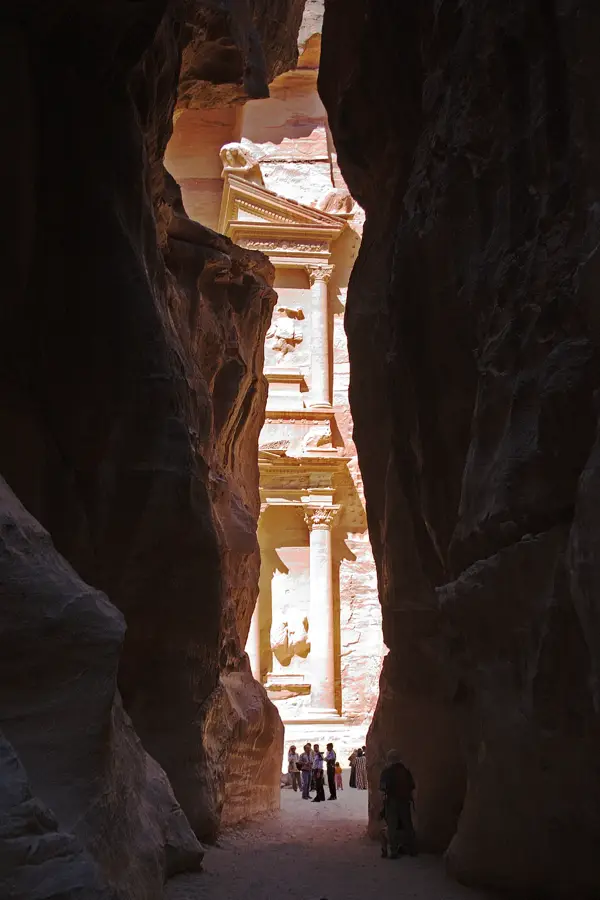
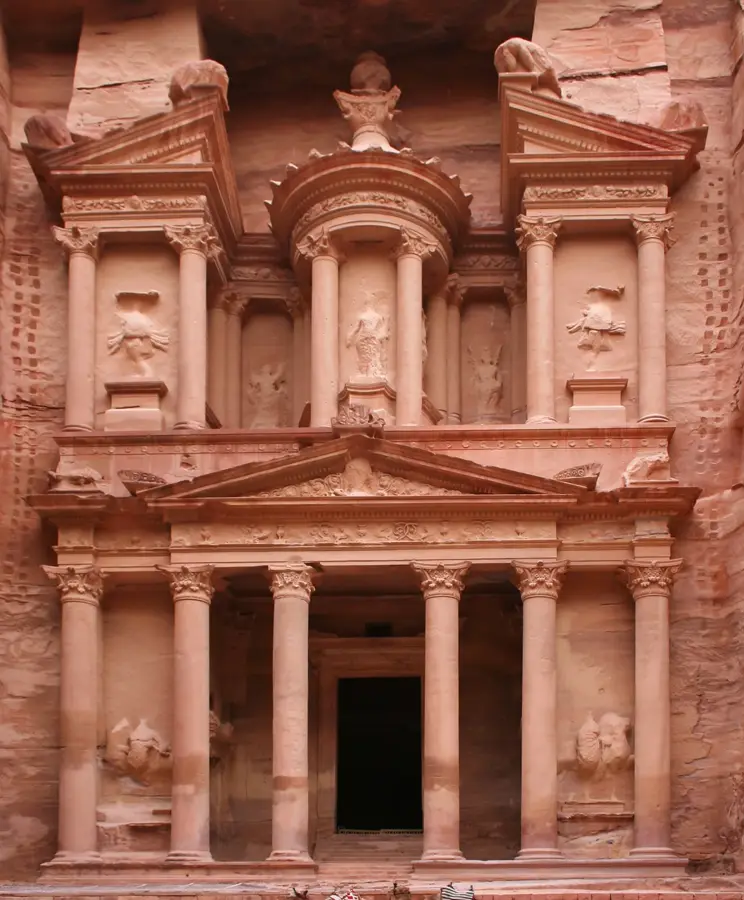
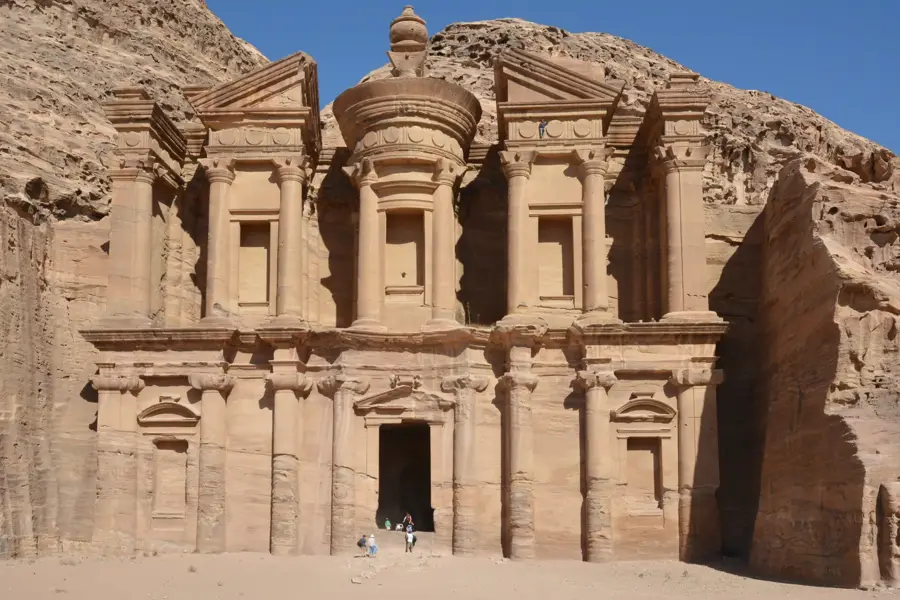
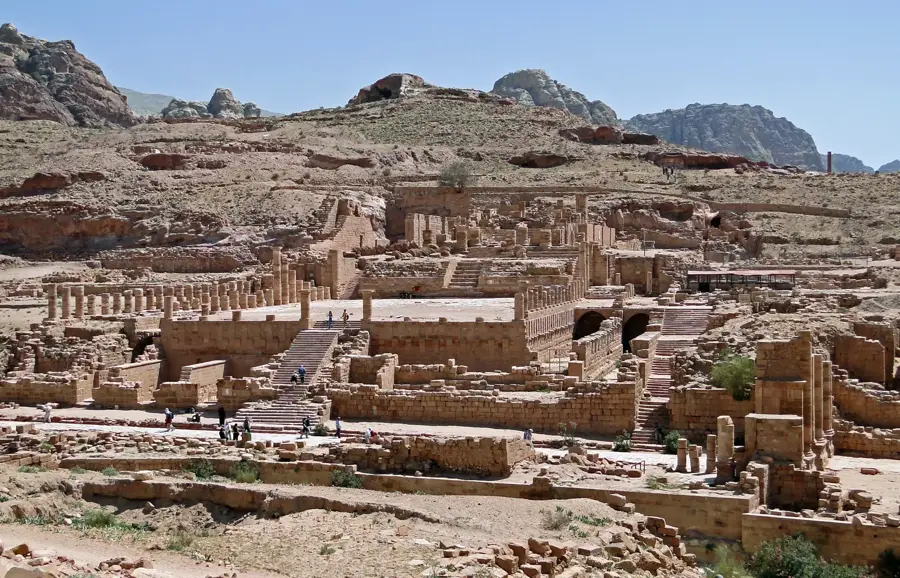
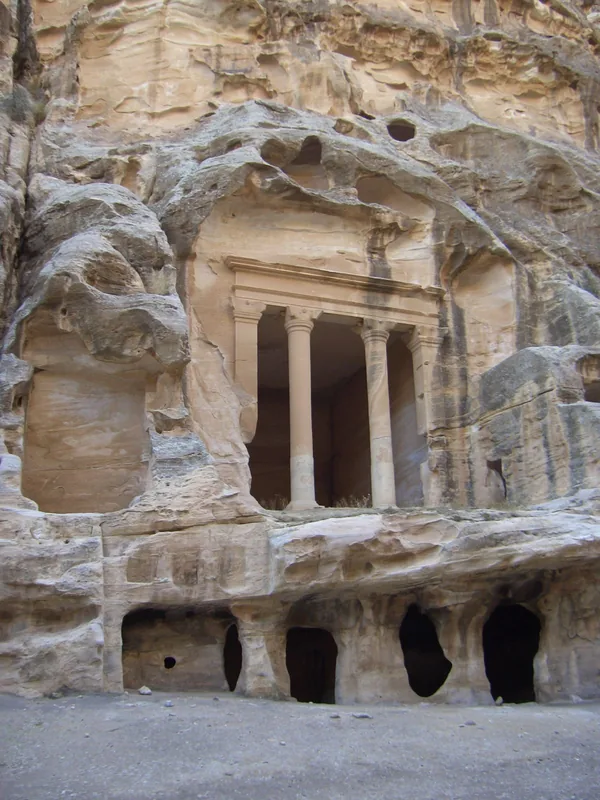
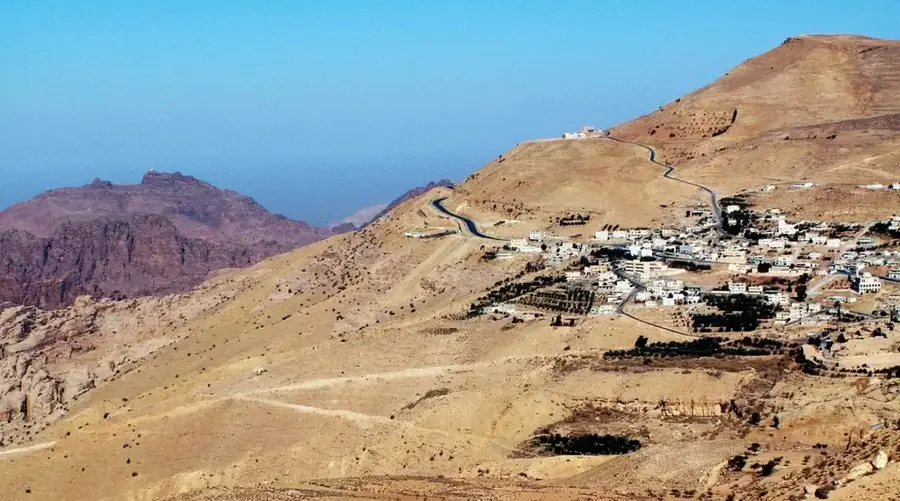
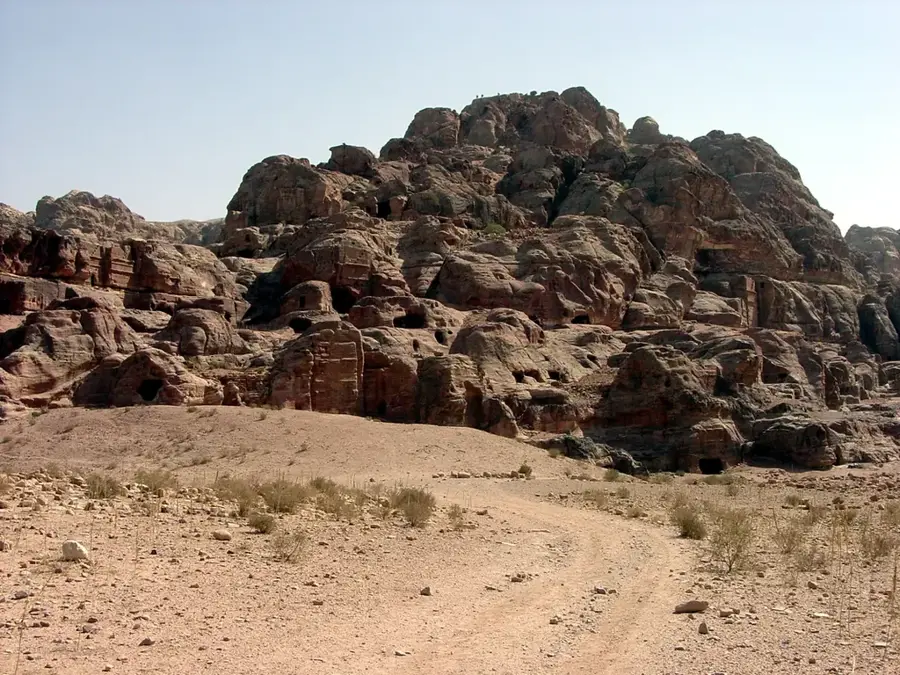
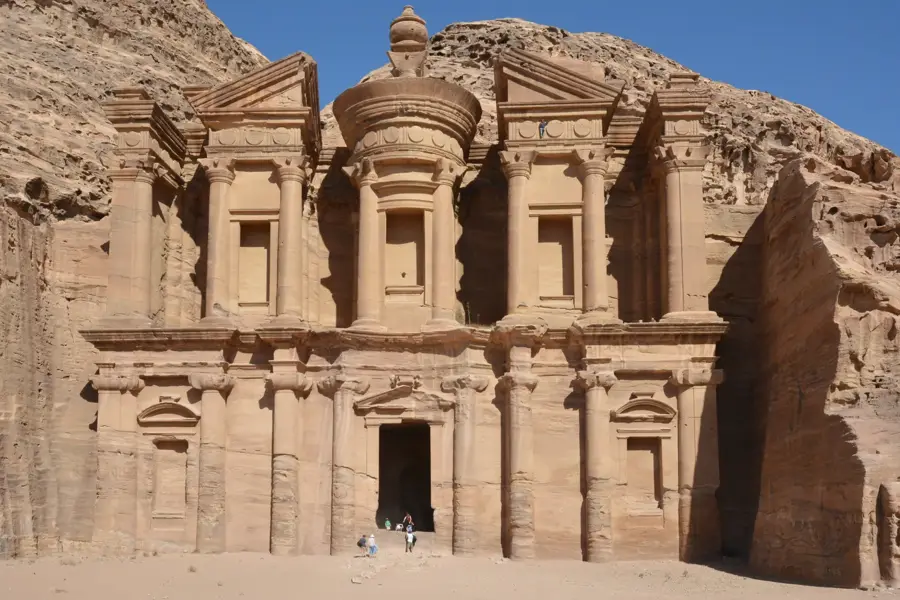
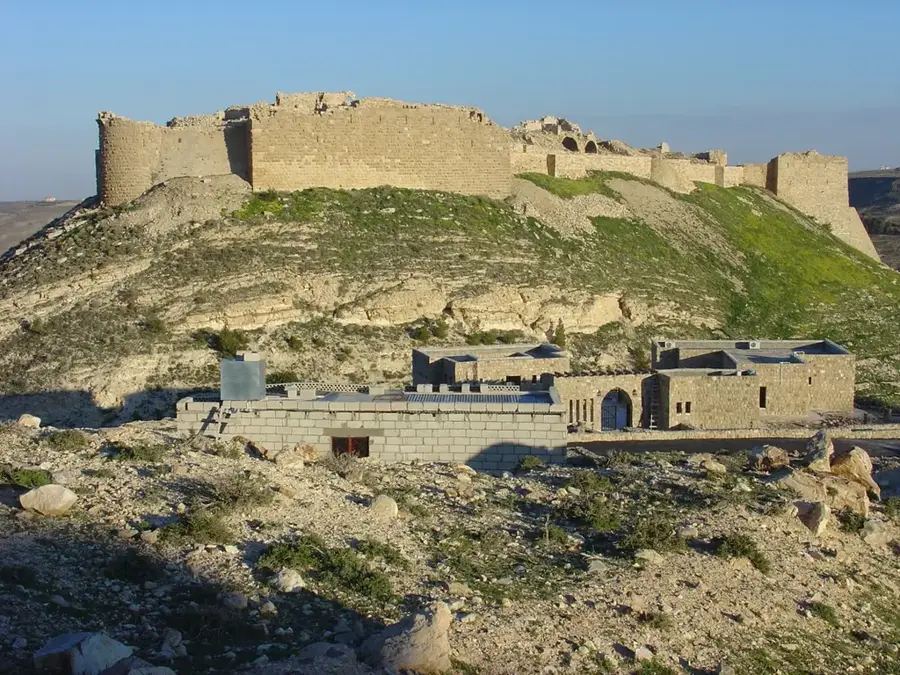
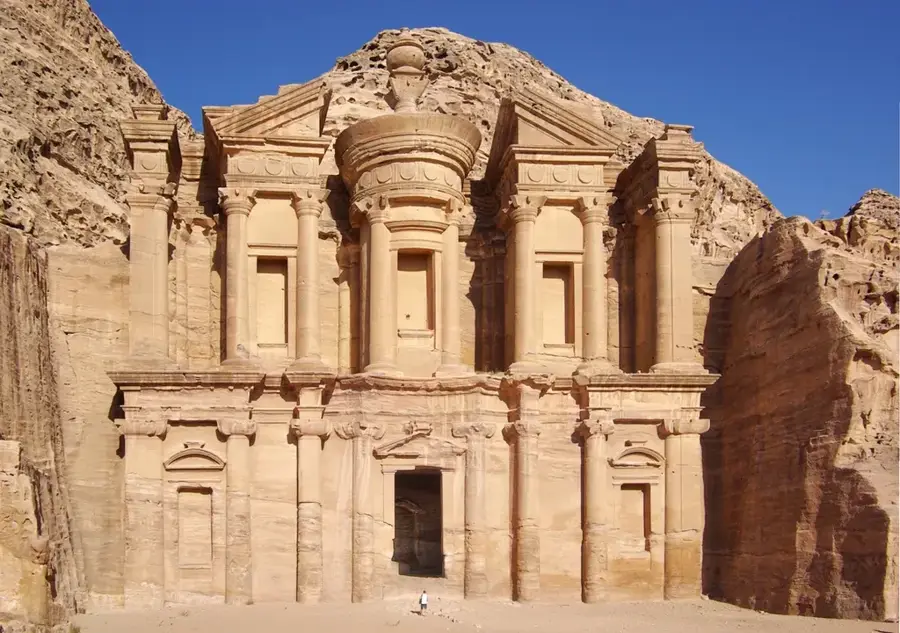
The Sharah Mountains form the southern part of the Jordanian highlands, stretching near the ancient site of Petra and the town of Wadi Musa. With peaks reaching heights of over 1,500 meters, it is one of the country's most imposing mountain ranges, known for its rugged rock formations and deep canyons. Geologically, the area is dominated by sandstone and limestone, which have been eroded into spectacular monumental shapes over millions of years. Due to its elevation, the climate is significantly cooler than the neighboring Wadi Araba valley, and snowfall is common during the winter months. Historically, the range served as a vital defensive wall for the Nabataeans and contains numerous remains of ancient irrigation systems and fortifications. The Crusader castle of Shobak (Montreal) perches on one of the mountain's spurs, testifying to the region's strategic importance during the Middle Ages. The landscape also provides a unique habitat for a variety of specialized flora and fauna thriving in protected valleys.

Best time to visit & climate

The most pleasant time to visit is May, Jun, Sep.

JanFebMarAprMayJunJulAugSepOctNovDec
Avg °C681115202325252319138
Rain mm453619104000171526

📋 Practical info

🧭
Getting there
The mountains form the backdrop to the famous city of Petra; access is exceptionally straightforward via the modern Desert Highway, which connects major Jordanian cities directly to the well-developed tourist hub of Wadi Musa at the mountain's base.
📅
Best season
Spring (March to May) and autumn (September to November) provide the most comfortable climbing and hiking conditions. Summer temperatures among the exposed rocks can be punishingly hot, while winter brings biting cold winds and occasional, surprising snowfalls.
⛰️
Terrain & paths
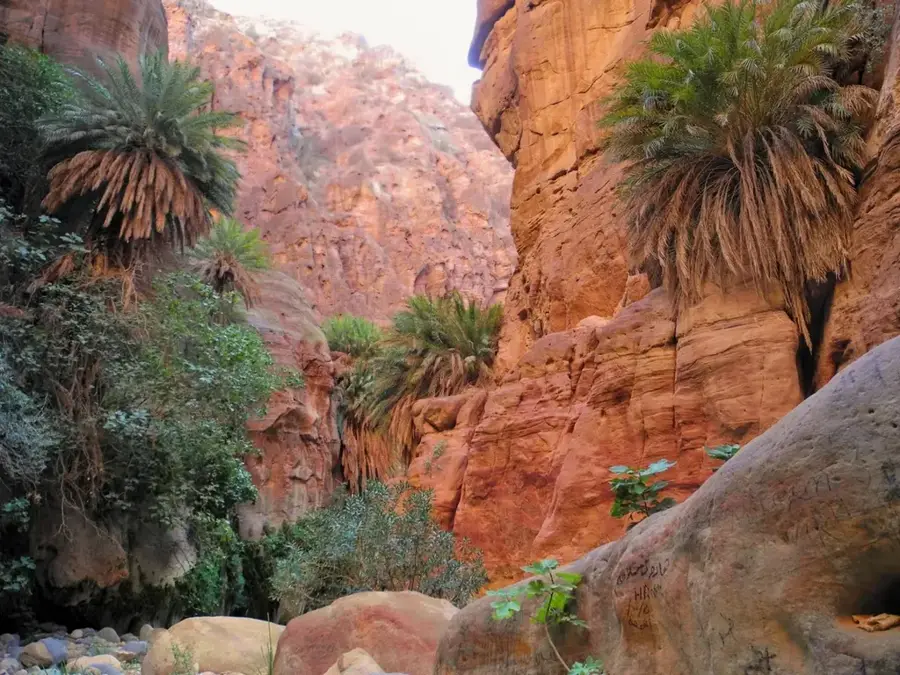
The massif is a spectacular but formidable environment of towering, wind-sculpted sandstone cliffs, narrow labyrinthine canyons (siqs), and steep, rocky switchback trails. The ground is often a mix of loose gravel, hard slickrock, and ancient carved stone steps.
🎒
What to bring
Sturdy, well-ventilated hiking shoes with excellent grip are vital for navigating slick sandstone and uneven steps. Due to the intense desert sun, a wide-brimmed hat, sunglasses, high-factor sunscreen, and a hydration bladder are absolute necessities.
🅿️
Parking
Extensive, secure parking facilities are readily available in the town of Wadi Musa and directly at the Petra Visitor Center. From these massive lots, visitors typically proceed on foot or via official site shuttles into the mountain valleys.
⚠️
Safety
The combination of intense heat and physical exertion makes dehydration and heat exhaustion the primary risks. Additionally, narrow canyons are prone to highly dangerous flash floods during sudden rainstorms; always follow local weather warnings strictly.
⏱️
Time needed
Most travelers dedicate at least one full day to hike through the mountains and explore the ancient monuments carved into them. Serious hikers and photographers often spend three to four days tackling the higher, more remote trails across the massif.

Geography

Coordinates
30.31600, 35.48300

Facts

  • The highest peaks reach over 1,500 meters above sea level
  • Shobak Castle was built in 1115 by King Baldwin I
  • The mountains mainly consist of Cretaceous limestone and sandstone
  • The region is famous for its ancient terraced farming systems
  • Snow regularly covers the peaks in January and February
  • The mountain range is a crucial water source for the Petra oasis

Explore nearby

Notable places around
Route planner — Car & Motorhome

Where do you start? We build the route here, with stops and country notes along the way.

Vehicle
Only stops with (optional):

© OpenStreetMap contributors · OpenRouteService

Sights in the town Sharah Mountains (5)

Al Dinariyah🏺 historical

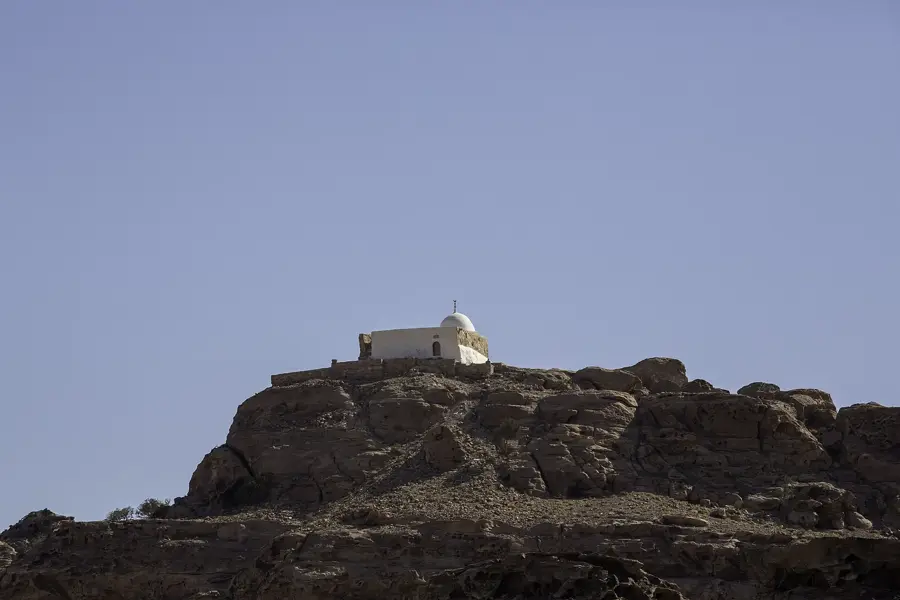
These ancient stone ruins are located in the rugged mountain landscape of the Schara range above Wadi Musa.

Kafr Asham🏺 historical

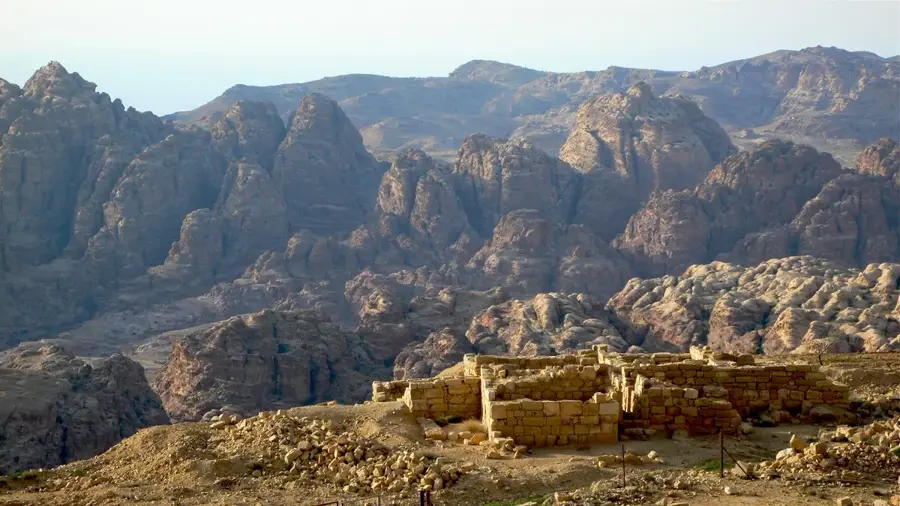
This archaeological site encompasses foundations of ancient buildings located near historical trade routes.

Talat Umar🏺 historical

The remains of this ancient settlement are scattered across the arid, hilly landscape of the region.

Funtain Mouse📍 landmark

This famous spring is traditionally held to be the place where Moses struck the rock with his staff to bring forth water.

Great Mosque of Wadi Musa📍 landmark

This large mosque forms the religious center of Wadi Musa, the modern town located right next to Petra.

Sights nearby

Frequently asked questions

What are the Schara Mountains?
A mountain range in the south of Jordan, known for its rugged beauty.
Is it suitable for hiking?
Yes, for experienced hikers it is a fantastic challenge.
When is the best time for a visit?
Spring and autumn to avoid extreme temperatures.
Are there viewpoints there?
Yes, from the peaks you have a spectacular view over the desert landscape.
Is a guide advisable?
Yes, because of the difficult terrain, a local guide is highly recommended.
Sharah Mountains: where is it located?
Sharah Mountains is located in Jordan.
Sharah Mountains: what is there to see?
Highlights include Al Dinariyah, Kafr Asham, Talat Umar.
Sharah Mountains: when is the best time to visit?
The most pleasant time to visit is May, Jun, Sep.
Sharah Mountains: why is it worth visiting?

The Sharah Mountains form the southern part of the Jordanian highlands, stretching near the ancient site of Petra and the town of Wadi Musa.
View on map → The Top 50 Attractions → OpenStreetMap →
Asia
Explore with Plizio Discover more places in Asia
More places in Jordan →

Nearby cities

History & landmarks
More places