Plizio Visual Lab

Mount Sodom
Plizio editorial teamData Sources
Mountain
—°9
Mount Sodom (Israel)

Weather…

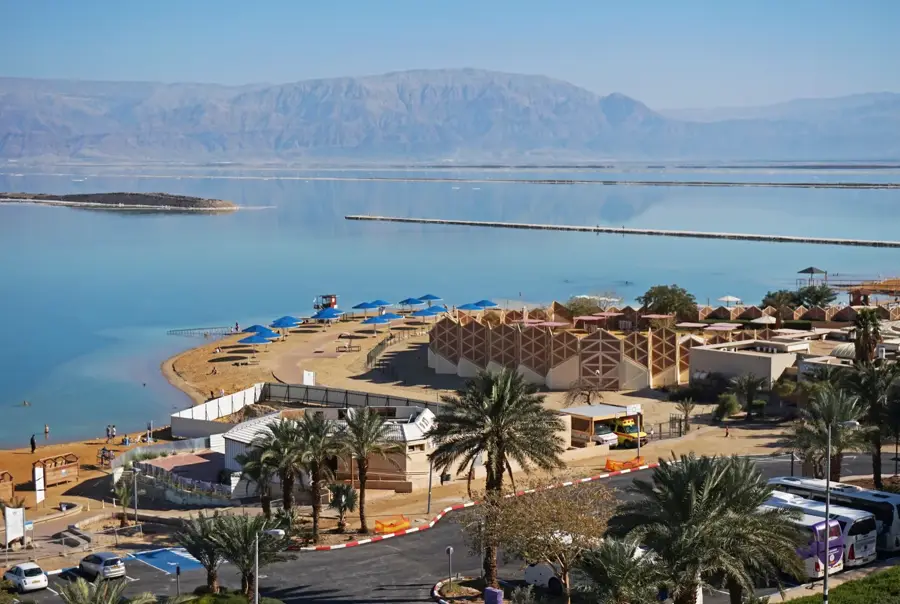
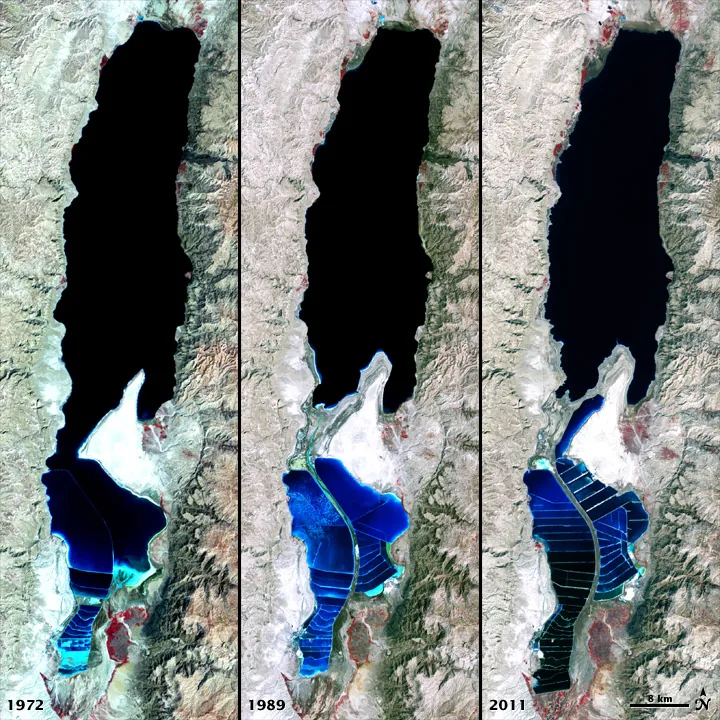
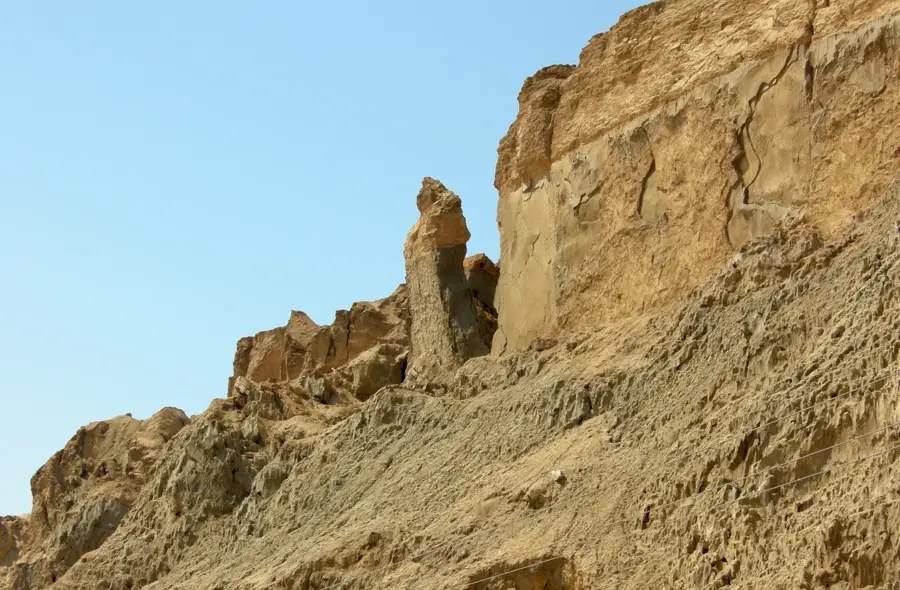
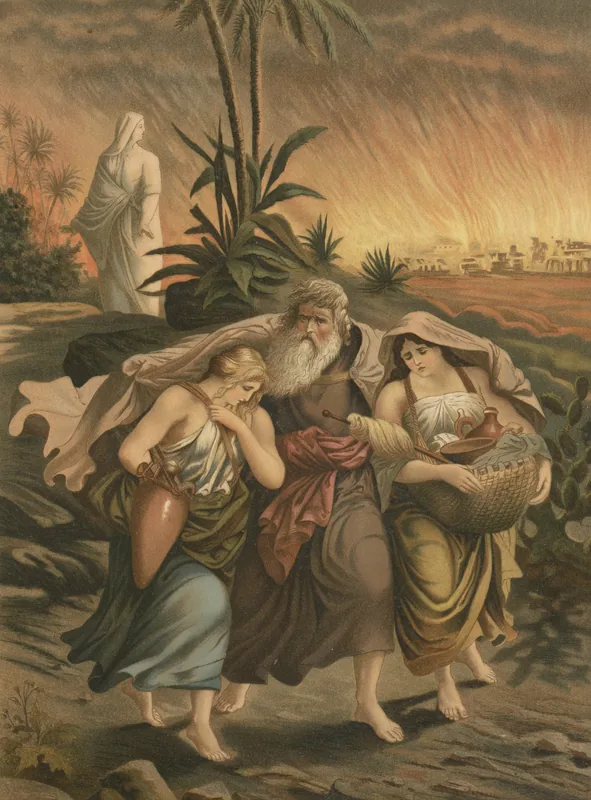
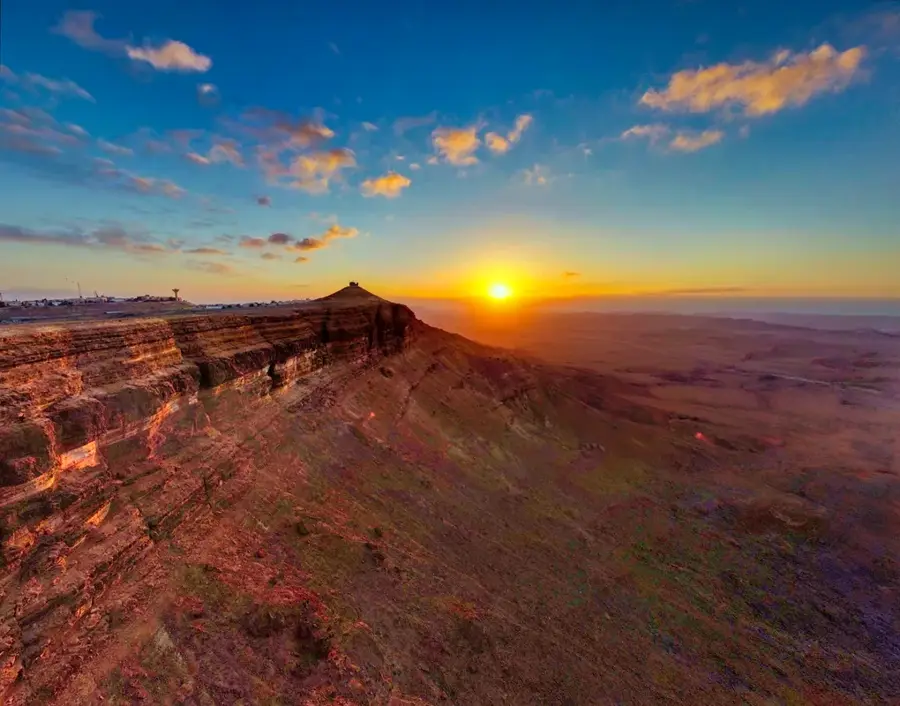
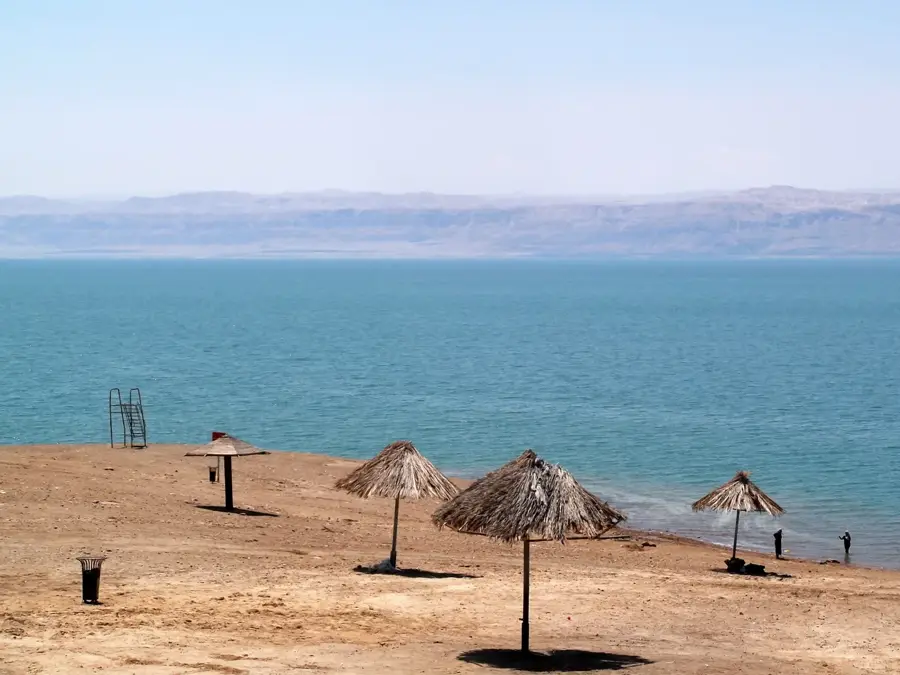
Mount Sodom is a geologically unique hill range at the southwestern corner of the Dead Sea, composed almost entirely of rock salt (halite). Stretching approximately eight kilometers in length, it rises about 220 meters above the Dead Sea's surface, though its summit remains well below global sea level. The mountain is a salt diapir, formed when ancient salt layers were pushed upward by the immense pressure of overlying sedimentary rocks. Erosion from rare desert rainstorms has carved out the world's most extensive network of salt caves within the mountain, including the Malham Cave, which exceeds 10 kilometers in total length. A thin cap of gypsum and marl protects the underlying salt from rapid dissolution. The site is famously linked to the biblical narrative of Sodom and Gomorrah, with a distinct salt pillar on its slopes traditionally identified as 'Lot's Wife.' The stark, crystalline landscape provides surreal vistas of the Dead Sea evaporation ponds and the Moab Mountains in neighboring Jordan.

Best time to visit & climate

The most pleasant time to visit is Apr, May, Oct.

JanFebMarAprMayJunJulAugSepOctNovDec
Avg °C101115182326282826221712
Rain mm665024135000181934

📋 Practical info

🧭
Getting there
The range is located along the southwestern shore of the Dead Sea and is easily reached via Road 90, with several dirt tracks leading into the salt valleys and caves.
📅
Best season
Winter and spring provide the only safe temperatures for hiking; the region is extremely hot for most of the year, with ground temperatures often becoming unbearable.
⛰️
Terrain & paths
The mountain is composed almost entirely of rock salt; the terrain is highly unique with salt pillars, deep sinkholes, and fragile desert crusts that require careful navigation.
🎒
What to bring
Bring shoes with excellent traction for the slippery salt surfaces; high-quality polarized sunglasses are essential to combat the intense glare from the white salt deposits.
🅿️
Parking
Parking is available in gravel pull-offs along Road 90 near the various cave entrances and at the base of the popular 'Lot's Wife' salt pillar formation.
⚠️
Safety
Avoid entering caves without proper equipment and experience as salt structures can collapse; be extremely cautious of flash floods in the narrow canyons during winter.
⏱️
Time needed
A short visit to the lookout points takes 1 hour, while a more extensive exploration of the salt valleys and marked caves can take 3-5 hours for adventurous hikers.

Geography

Coordinates
31.07000, 35.39000

Facts

  • Mount Sodom is roughly 98% pure halite (sodium chloride).
  • The Malham salt cave system was mapped at over 10 km in length.
  • The mountain is rising at a rate of approximately 3.5 mm per year.
  • It is located within the Dead Sea rift, the lowest point on the Earth's surface.
  • The caprock of gypsum protects the salt from melting during winter rains.
  • Archaeologists often investigate the area for remnants of Bronze Age settlements.

Explore nearby

Notable places around
Route planner — Car & Motorhome

Where do you start? We build the route here, with stops and country notes along the way.

Vehicle
Only stops with (optional):

© OpenStreetMap contributors · OpenRouteService

Sights in the town Mount Sodom (9)

Ein Hamarmar📍 landmark

A saline spring located at the base of the salt-rock Mount Sodom.

Malham🌿 nature

The entrance to the world's longest salt cave, stretching through the heart of Mount Sodom.

Mount Sedom Lookout🌿 nature

A panoramic viewpoint offering vistas of the Dead Sea and the Moab Mountains in Jordan.

Lot's Wife📍 landmark

A distinct pillar of salt on Mount Sodom, traditionally associated with the biblical story of Lot's wife.

Flour Cave Entrance📍 landmark

The entrance to a narrow canyon known for the fine, white flour-like dust covering its walls.

Mearat HaKemah🌿 nature

A cave entrance in the Pratzim Stream, famous for its chalky, white marl sediment.

Mezad Zohar🏺 historical

Ruins of a Roman and Byzantine fortress that guarded the ancient road leading to the Dead Sea.

Mezad Gozal🏺 historical

Remains of a small desert fortification perched on a hill overlooking the Zohar Stream.

Sedom🏺 historical

Archaeological remains of an ancient settlement located in the harsh, salty environment of Mount Sodom.

Sights nearby

Frequently asked questions

What is Mount Sodom made of?
It is made almost entirely of rock salt (halite) covered by a thin layer of gypsum and clay.
Are there caves there?
Yes, it houses spectacular salt caves, including Malham, one of the longest in the world.
Who was 'Lot's Wife'?
It is a famous salt pillar that recalls the biblical story of the destruction of Sodom.
Can you visit the caves alone?
It is strongly recommended to enter the caves only with an experienced guide and proper equipment.
Does the mountain offer good views?
From the summit, you have a dramatic view of the Dead Sea and the Moab mountains in Jordan.
Mount Sodom: where is it located?
Mount Sodom is located in Israel.
Mount Sodom: what is there to see?
Highlights include Ein Hamarmar, Malham, Mount Sedom Lookout.
Mount Sodom: when is the best time to visit?
The most pleasant time to visit is Apr, May, Oct.
Mount Sodom: why is it worth visiting?
Mount Sodom is a geologically unique hill range at the southwestern corner of the Dead Sea, composed almost entirely of rock salt (halite).
View on map → The Top 50 Attractions → OpenStreetMap →
Asia
Explore with Plizio Discover more places in Asia
More places in Israel →

Nearby cities

History & landmarks
Nature
More places