Plizio Visual Lab

Avdat
Plizio editorial teamData Sources
ruin
—°9
Avdat (Israel)

Weather…

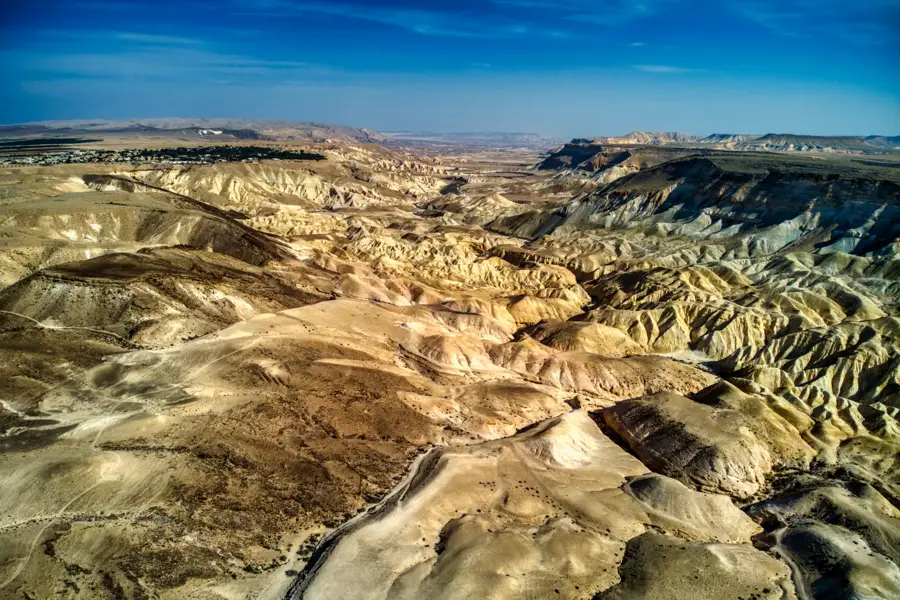
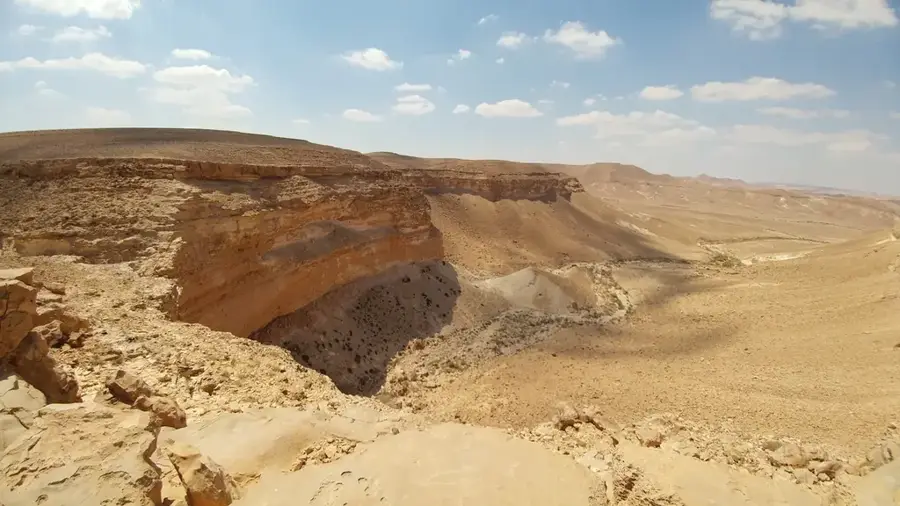
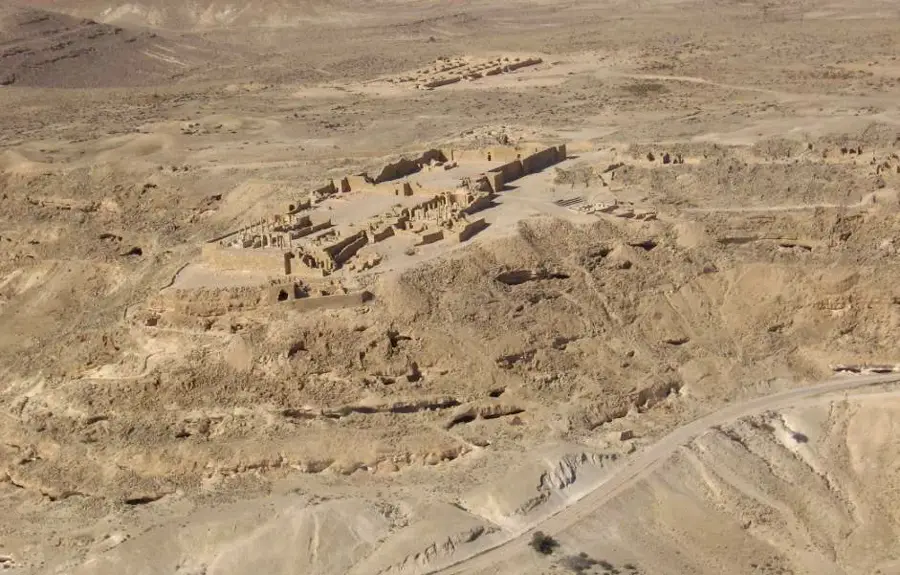
Avdat was a pivotal station along the Nabatean Incense Route in the Negev Desert, situated on a prominent hill 650 meters above sea level. Founded by the Nabateans in the 3rd century BCE, the city reached its zenith under King Obodas II, for whom it was named. It functioned as a vital rest stop for caravans transporting frankincense and myrrh from the Arabian Peninsula to the Mediterranean ports. Following Roman annexation in 106 CE, Avdat evolved into a prosperous agricultural hub, characterized by sophisticated irrigation and large-scale viticulture. During the Byzantine period, the city was adorned with grand churches and a defensive citadel to protect against nomadic raids. The site was ultimately abandoned in the 7th century CE following a severe earthquake and Arab incursions. Today, Avdat is a UNESCO World Heritage site, renowned for its remarkably preserved acropolis, Byzantine churches, and ancient wine presses.

Best time to visit & climate

The most pleasant time to visit is Apr, May, Oct.

JanFebMarAprMayJunJulAugSepOctNovDec
Avg °C111216192427282826231813
Rain mm433118113000292026

📋 Practical info

🚪
Visiting
The archaeological site of Avdat can be extensively explored, allowing visitors to walk freely among the open-air ruins of the ancient Nabataean city. Because the expansive desert terrain features very little shade, touring is most comfortable during the cooler parts of the day.
🕒
Typical hours
As an official national park, access generally follows standard Israeli park operating hours, which cover the daytime. During national holidays and on Shabbat, operating times are typically altered or shortened, making it advisable to verify current schedules in advance.
📷
Photography
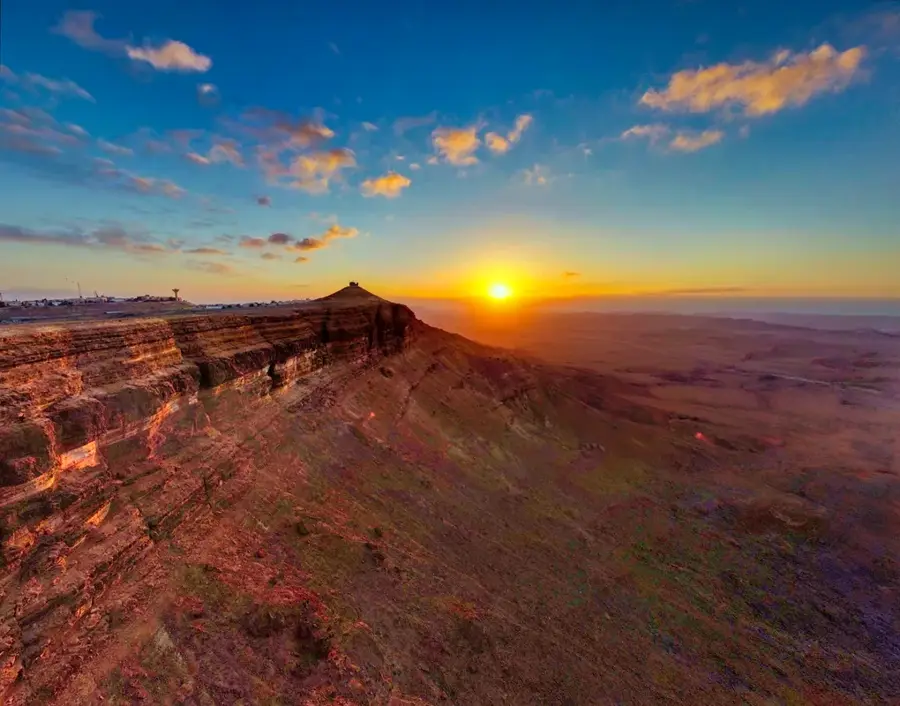
The dramatic desert landscape and ancient stone structures provide exceptional opportunities for both landscape and architectural photography. The soft, warm light of early morning or late afternoon beautifully highlights the pale stonework against the stark environment.
⏱️
Time needed
For a comprehensive and unhurried tour of the historical grounds, you should typically allocate about two to three hours. This timeframe provides ample opportunity to explore the various excavated sectors and take in the sweeping panoramic views across the Negev desert.
Combine with
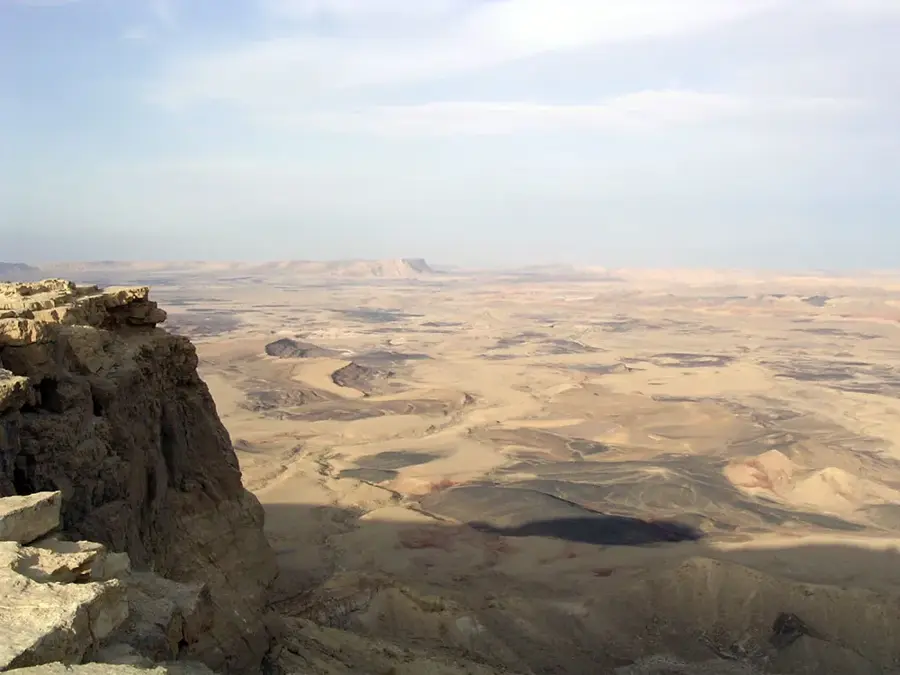
A visit can be perfectly paired with other prominent natural and historical attractions in the Negev, such as the beautiful En Avdat canyon oasis. Additionally, the extraordinary Ramon Crater (Makhtesh Ramon) is easily integrated into a comprehensive day trip through the region.
🧭
Getting there
Getting to the site is most convenient by rental car, traveling along the well-maintained main highway that runs through the Negev. While public intercity buses do service the area, their schedules are often sparse, making private transportation the most practical option.
💡
Insider tip
Be absolutely sure to pack strong sun protection, a wide-brimmed hat, and plenty of drinking water, as the desert heat can be relentless. Sturdy, closed-toe walking shoes are highly recommended for safely navigating the uneven, rocky paths winding between the ancient structures.

Geography

Coordinates
30.79330, 34.77330

Facts

  • Designated a UNESCO World Heritage site in 2005.
  • Located at an elevation of 650 meters above sea level.
  • Named after the Nabatean King Obodas (Abdat) who was deified.
  • Became a major center for wine production in the Byzantine era.
  • Features two prominent 4th-century Byzantine churches.
  • The city was abandoned in the 7th century CE after an earthquake.

Explore nearby

Notable places around
Route planner — Car & Motorhome

Where do you start? We build the route here, with stops and country notes along the way.

Vehicle
Only stops with (optional):

© OpenStreetMap contributors · OpenRouteService

Sights in the town Avdat (9)

Parsa Waterfall🌿 nature

A desert viewpoint overlooking a dry waterfall ledge that flows only during rare flash floods in the Negev highlands.

Lipa Gal lookout🌿 nature

A scenic overlook providing a clear view of the ancient Nabataean city of Avdat perched on its hilltop.

Mihya🌿 nature

A desert peak near the ancient city of Avdat, notable for its rock engravings and views of the Roman-era agricultural terraces.

Ein Maarif spring📍 landmark

The uppermost spring of the Ein Avdat canyon, emerging from the rock to create a hidden desert pool and waterfall.

Remalia water holes📍 landmark

An ancient Nabataean water collection system featuring deep cisterns carved into the rock to trap desert runoff.

Bathhouse🏺 historical

Ruins of a Byzantine bathhouse at the foot of Avdat featuring well-preserved furnace rooms and hypocaust heating systems.

Pottery workshop🏺 historical

The remains of a 3rd-century Nabataean pottery workshop where the famous eggshell-thin decorated ceramics were produced.

Byzantine quarter🏺 historical

An excavated residential area of Avdat containing houses with stone arches and specialized rooms for pressing grapes into wine.

Ein Akev📍 landmark

Perennial desert spring with a deep pool and a waterfall.

Sights nearby

Frequently asked questions

What was Avdat?
An important station on the Nabatean Incense Route.
Where is Avdat located?
Centrally located in the Negev Desert, on a hilltop.
Is there viticulture there?
Yes, you can visit the ancient wine presses.
Is there an entry fee?
Yes, it is a national park (entry approx. 28 NIS).
How do you get to Avdat?
Best reached by car via Highway 40.
Avdat: where is it located?
Avdat is located in Israel.
Avdat: what is there to see?
Highlights include Parsa Waterfall, Lipa Gal lookout, Mihya.
Avdat: when is the best time to visit?
The most pleasant time to visit is Apr, May, Oct.
Avdat: why is it worth visiting?
Avdat was a pivotal station along the Nabatean Incense Route in the Negev Desert, situated on a prominent hill 650 meters above sea level.
View on map → The Top 50 Attractions → OpenStreetMap →
Asia
Explore with Plizio Discover more places in Asia
More places in Israel →

Nearby cities

History & landmarks

Nature
More places