Plizio Visual Lab

Kish

Plizio editorial teamData Sources
ruin
—°4
Kish (Iraq)

Weather…

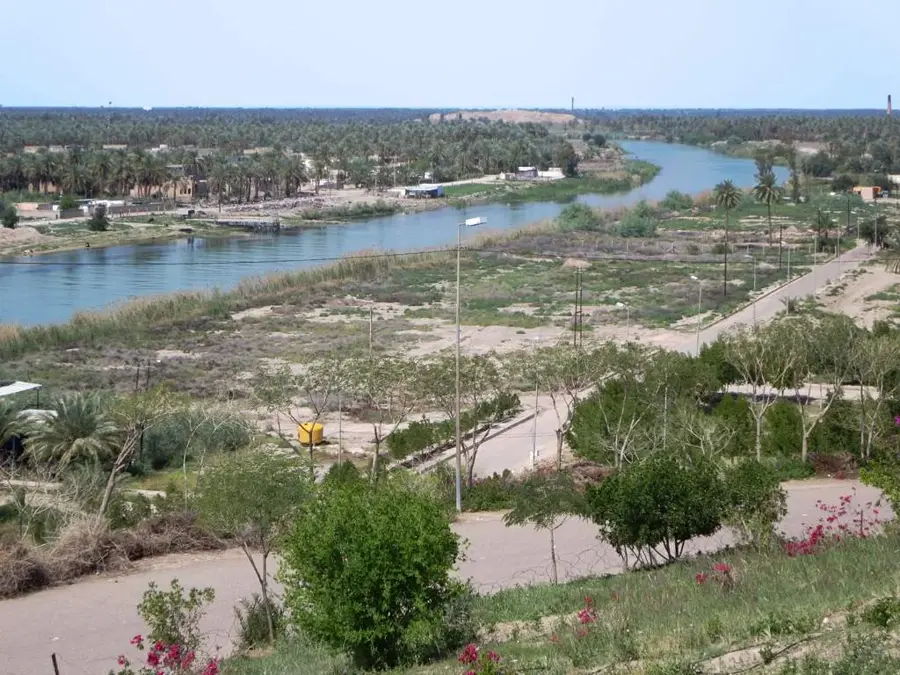
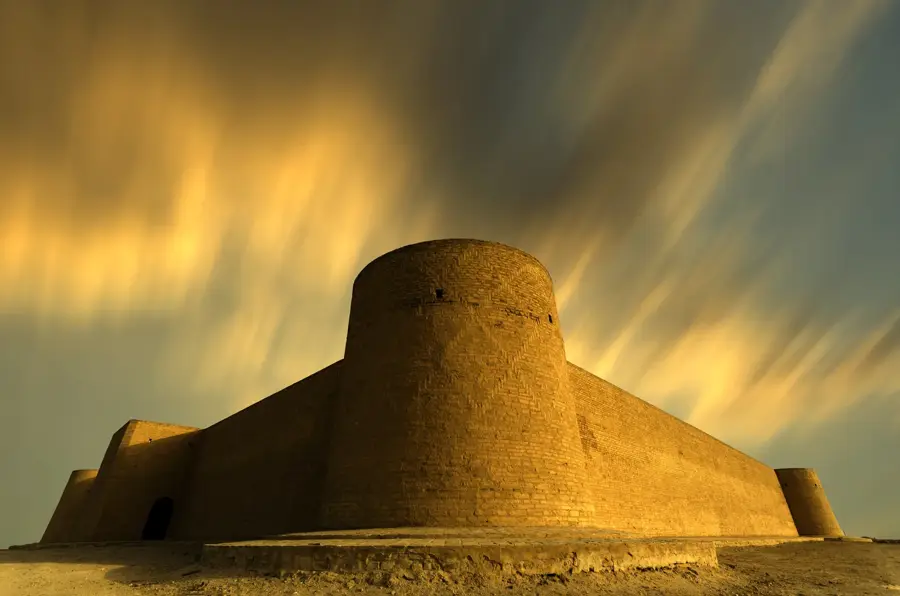
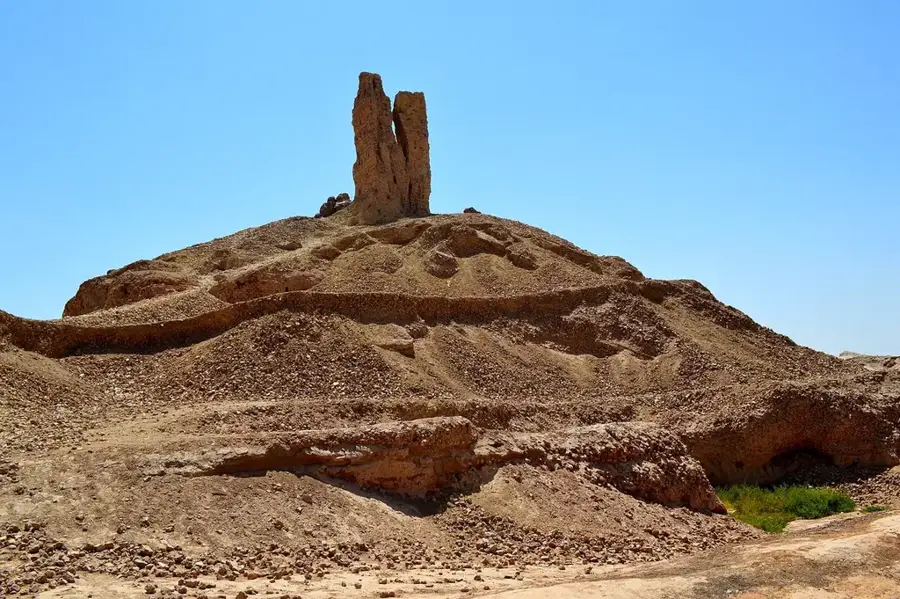
Kish, a major ancient city in Sumer and later Akkad, is located about 12 kilometers east of Babylon in modern central Iraq. According to the Sumerian King List, Kish was the first city where kingship was exercised following the Great Flood, granting it immense prestige in the ancient world. The city functioned as a power center for millennia, and regional rulers frequently adopted the title 'King of Kish' to assert their hegemony over all of Mesopotamia. Archaeologically, the site is defined by a cluster of mounds known as Tell al-Uhaymir, where significant remains of palaces and ziggurats from various periods have been unearthed. Discoveries from the Early Dynastic period have been particularly crucial for understanding the earliest social and political organization of Mesopotamian city-states. Kish also served as a vital transportation hub between the Tigris and Euphrates rivers, ensuring its economic prosperity until its eventual decline during the Sassanid era.

Best time to visit & climate

The most pleasant time to visit is Mar, Apr, Nov.

JanFebMarAprMayJunJulAugSepOctNovDec
Avg °C101218233035383833271711
Rain mm2823201860001102319

📋 Practical info

🚪
Visiting
The ancient ruins of Kish can generally be visited by those traveling in the Babil Governorate, though the site is largely undeveloped and exposed. It consists mainly of eroded mounds and remaining ziggurat foundations scattered across the desert landscape.
🕒
Typical hours
As an open archaeological area, there are typically no official opening hours, but daytime visits are highly recommended for safety and visibility. Always check the current local security situation and potential military or police checkpoint requirements beforehand.
📷
Photography
Photography is generally permitted, capturing the vastness of the Mesopotamian plains and the weathered brickwork of early civilization. Be cautious not to photograph any nearby military installations, checkpoints, or personnel without explicit permission.
⏱️
Time needed
A standard visit typically lasts between one to two hours, giving you enough time to walk among the primary mounds and reflect on its deep history. The extreme summer heat may force you to significantly shorten your exploration time outdoors.
Combine with
This site is best combined with a trip to the nearby ruins of Babylon, located just a short drive away, which provides a much more extensive reconstruction. The city of Hillah also serves as a practical base for exploring the surrounding historical wonders.
🧭
Getting there
Reaching the site typically requires hiring a local driver or joining an organized tour from Baghdad or Hillah, navigating unpaved desert tracks. Independent travel using public transport is not feasible due to the remote location and security considerations.
💡
Insider tip
Because there are absolutely no facilities, shade, or informative signboards at the site, you must bring plenty of water, sun protection, and a knowledgeable local guide. Wearing sturdy walking shoes is essential for navigating the dusty and uneven terrain.

Geography

Coordinates
32.54030, 44.62940

Facts

  • Kish is historically recognized as the first seat of kingship after the Flood.
  • The archaeological site consists of over 40 individual mounds of ruins.
  • The title 'King of Kish' came to symbolize overall rule over Sumer.
  • Archaeologists discovered some of the world's oldest chariot wheels here.
  • The city was primarily dedicated to the war god Zababa.
  • Sargon of Akkad began his rise to power as an official in Kish.

Explore nearby

Notable places around

Route planner — Car & Motorhome

Where do you start? We build the route here, with stops and country notes along the way.

Vehicle
Only stops with (optional):

© OpenStreetMap contributors · OpenRouteService

Sights in the town Kish (4)

Hursagkalama🏺 historical

Ancient Sumerian district of Kish, home to the temple of the goddess Inanna.

Tell Uhaimir🏺 historical

Principal archaeological mound of ancient Kish, featuring the ruins of a Sasanian-era ziggurat.

Ishan Mizyad🏺 historical

Archaeological site containing the remains of ancient settlements near the city of Kish.

Waqf Imam Zinad📍 landmark

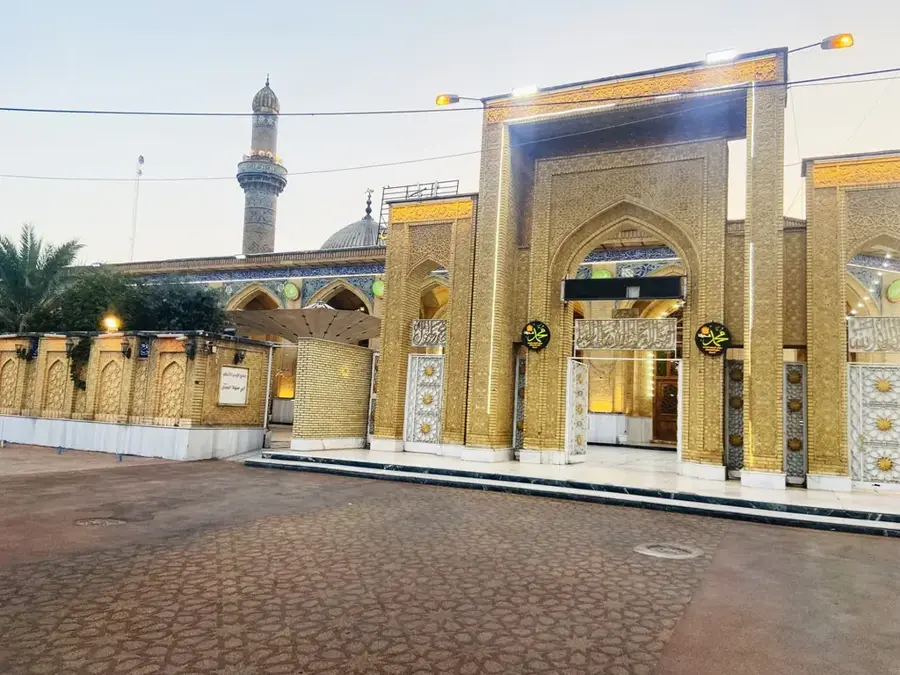
Religious endowment site managed for the benefit of the local Muslim community.

Sights nearby

Frequently asked questions

What was the significance of Kish?
Kish was one of Sumer's most important cities, where the Sumerian King List says kingship first descended from heaven.
Where are the ruins of Kish located today?
The archaeological site, Tell al-Uhaymir, is situated about 12 km east of the ancient city of Babylon.
What can be seen there?
Visitors can find the remains of ziggurats, palaces, and temples scattered across several mounds.
When was Kish inhabited?
The city was occupied from the Early Dynastic period (c. 2900 BC) through to the Sassanid era.
Is a guide necessary?
A local guide is highly recommended to help navigate and understand the extensive and complex ruins.
Kish: where is it located?
Kish is located in Iraq.
Kish: what is there to see?
Highlights include Hursagkalama, Tell Uhaimir, Ishan Mizyad.
Kish: when is the best time to visit?
The most pleasant time to visit is Mar, Apr, Nov.
Kish: why is it worth visiting?
Kish, a major ancient city in Sumer and later Akkad, is located about 12 kilometers east of Babylon in modern central Iraq.
View on map → The Top 50 Attractions → OpenStreetMap →
Asia
Explore with Plizio Discover more places in Asia
More places in Iraq →

Nearby cities

History & landmarks
Nature
More places