Plizio Visual Lab

Babylon
Plizio editorial teamData Sources
ruin
—°11
Babylon (Iraq)

Weather…

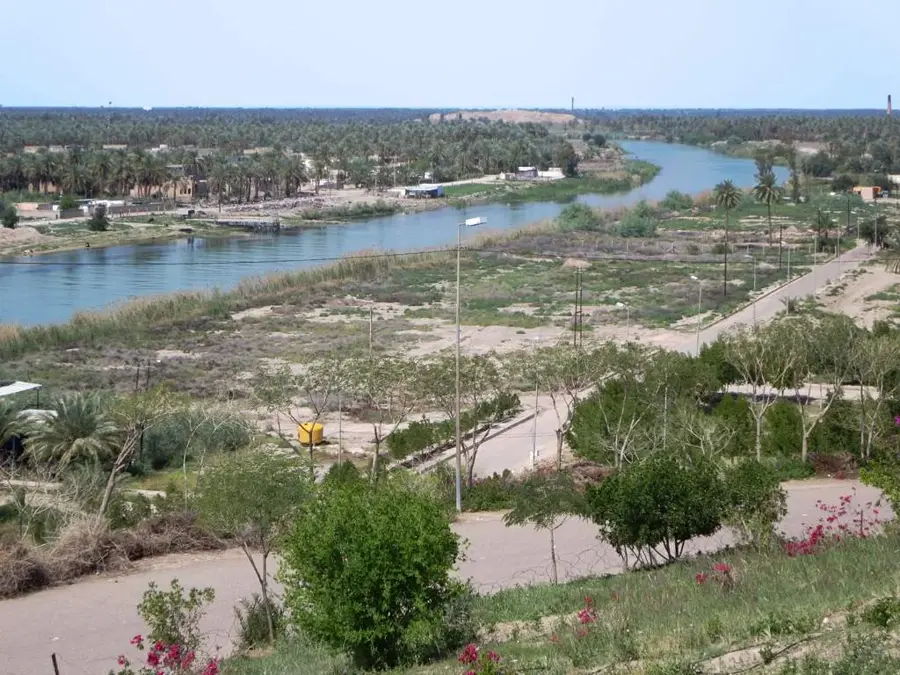
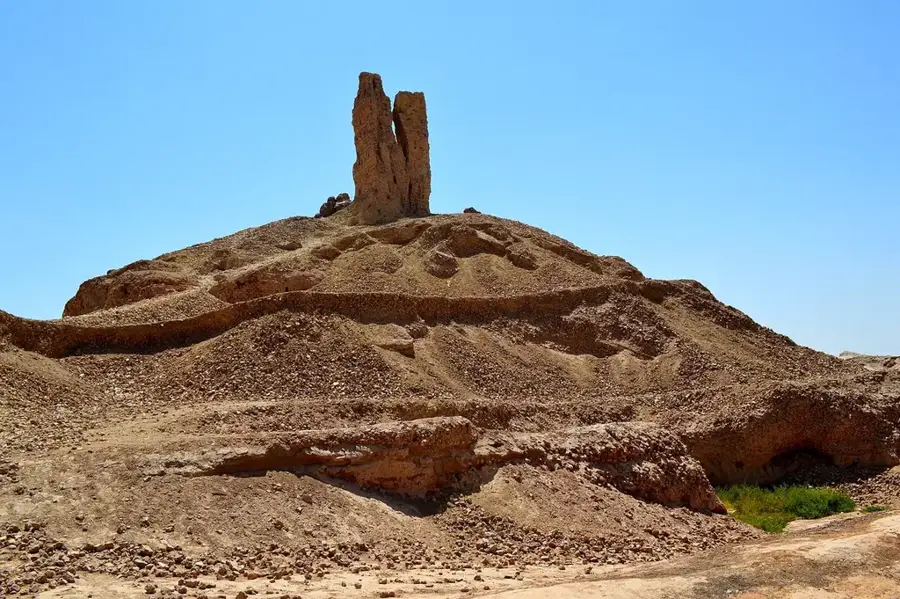
Babylon, one of the most significant metropolises of ancient Mesopotamia, stretched along the banks of the Euphrates River in present-day Iraq. As the capital of the Babylonian Empire under rulers like Hammurabi and Nebuchadnezzar II, it was a global center for science, law, and religion. The ruins include monumental structures such as the magnificent Ishtar Gate, once adorned with blue glazed bricks, and the massive foundation of the Etemenanki ziggurat. Ancient sources praised the city for the Hanging Gardens, recognized as one of the Seven Wonders of the Ancient World. Systematic archaeological excavations began in 1899 under the direction of Robert Koldewey, providing essential insights into the region's Sumerian and Akkadian heritage. Today, the archaeological site covers over 900 hectares and was officially inscribed on the UNESCO World Heritage List in 2019 due to its outstanding universal value.

Best time to visit & climate

The most pleasant time to visit is Mar, Apr, Nov.

JanFebMarAprMayJunJulAugSepOctNovDec
Avg °C101218233035383833271711
Rain mm2823201860001102319

📋 Practical info

🚪
Visiting
Visitors can explore the vast archaeological site that contains reconstructed walls, ancient foundations, and the impressive Ishtar Gate replica. Walking through the historical grounds provides a profound connection to one of antiquity's greatest cities.
🕒
Typical hours
The site is generally open to visitors during standard daytime hours throughout the week, though exact times may fluctuate based on local conditions. It is strongly advised to start your visit in the cooler morning hours for a comfortable walk.
📷
Photography
Photography is widely permitted, with the reconstructed blue brick walls of the Ishtar Gate serving as a particularly popular backdrop. Capturing the contrast between the ancient ruins and the nearby Euphrates River also yields striking images.
⏱️
Time needed
Visitors typically spend around two to three hours navigating the expansive archaeological zone and examining the various historical layers. More time may be needed if you wish to explore the nearby palace complex on the overlooking hill.
Combine with
Exploring the ruins can be combined with a visit to the controversial hilltop palace built during the 20th century, offering panoramic views of the ancient city. The nearby town of Hillah provides local dining and cultural immersion opportunities.
🧭
Getting there
The historical site is usually reached by private vehicle or taxi from Baghdad, taking approximately one to two hours depending on security checkpoints. Arranging transportation through a verified local tour operator is highly recommended for a smoother journey.
💡
Insider tip
Hiring a knowledgeable local guide is virtually essential to make sense of the vast, often unmarked mud-brick foundations and the complex historical layers. Sun protection and plenty of drinking water are crucial, as shade is extremely limited across the site.

Geography

Coordinates
32.54220, 44.42080

Facts

  • The ruins of Babylon are located about 85 kilometers south of the modern capital, Baghdad.
  • Under Nebuchadnezzar II (605–562 BC), the city reached its greatest period of splendor.
  • The famous Ishtar Gate was constructed around 575 BC as part of the processional way.
  • The ancient city walls were considered one of the wonders of the world due to their size.
  • In 2019, UNESCO officially designated Babylon as a World Heritage site.
  • Robert Koldewey led the first systematic scientific excavations from 1899 to 1917.

Explore nearby

Notable places around

Route planner — Car & Motorhome

Where do you start? We build the route here, with stops and country notes along the way.

Vehicle
Only stops with (optional):

© OpenStreetMap contributors · OpenRouteService

Sights in the town Babylon (11)

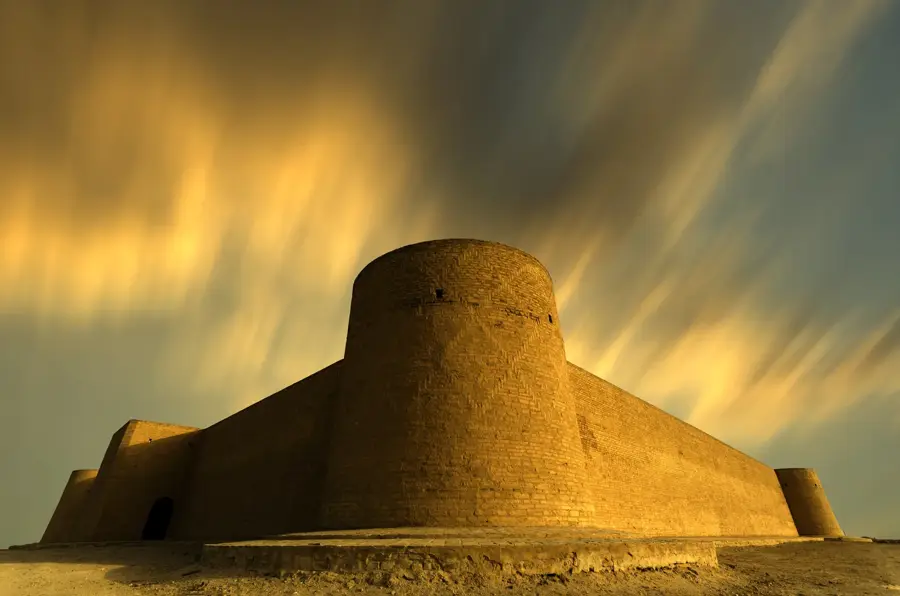
Qalat Shuhayb al Hamad🏰 castle

A historical fortification near ancient Babylon that guarded the desert approach.

Al Hajj Shuhayb🏰 castle

A fortress structure in the historical district of Babylon featuring traditional mud-brick walls.

Babylon🏺 historical

The sprawling ruins of the ancient Mesopotamian capital, renowned for its monumental city walls.

Esagila🏺 historical

The archaeological remains of the temple of Marduk, one of the most important religious centers of ancient Babylon.

Presidential Palace of Sadam Hussein🏰 castle

A modern palace built atop a man-made hill, offering a panoramic view over the Babylon excavation sites.

Outer Wall of Babylon🏺 historical

The massive remains of the outer fortifications that once encircled the ancient metropolis.

Babylon city📍 landmark

A major Mesopotamian archaeological complex featuring reconstructed temples and ancient processional ways.

Temple of Ninmakh⛪ religious

An ancient temple dating back to the 6th century BC, dedicated to the mother goddess Ninmakh.

Ishtar Gate🛡️ fortress

A monumental city gate from 575 BC, originally decorated with blue glazed bricks and animal reliefs.

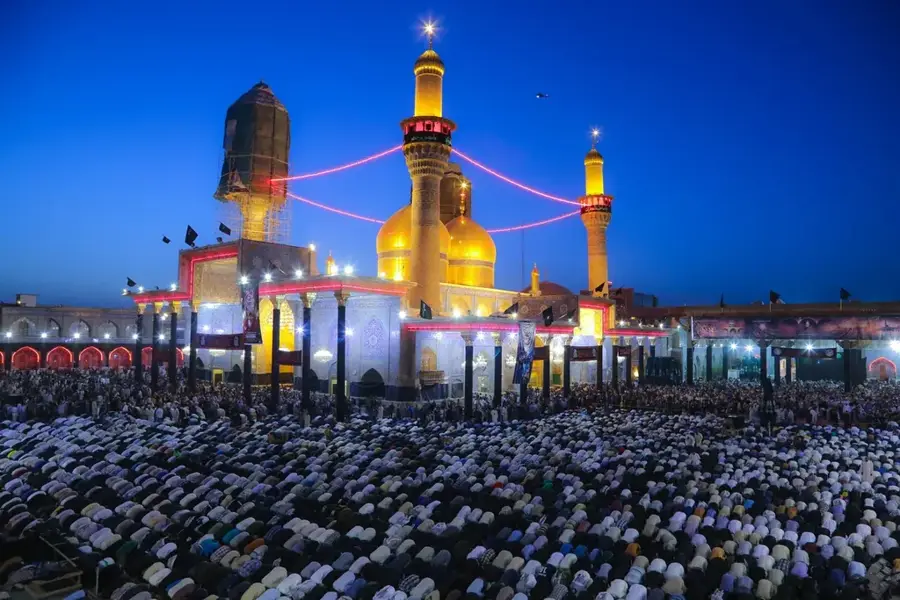
Imam Salman📍 landmark

A Shia shrine located near the ruins of Babylon, dedicated to Imam Salman.

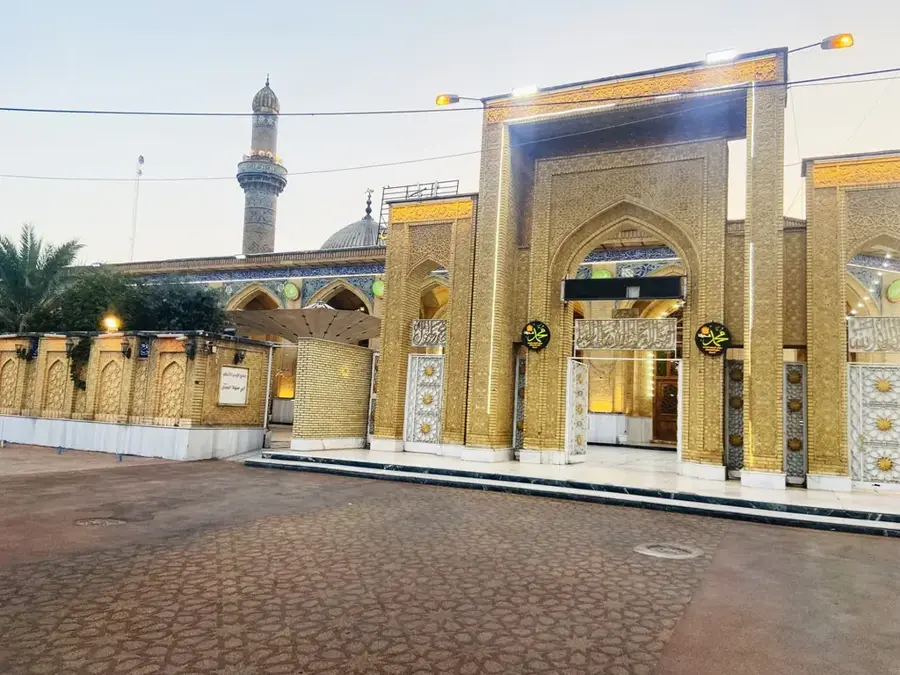
Almuttaqin⛪ religious

A local mosque situated near the archaeological sites, serving as a spiritual gathering place for pilgrims.

Sights nearby

Frequently asked questions

Is Babylon listed as a UNESCO World Heritage site?
Yes, since 2019 the ancient city has officially been part of the World Heritage.
What are the main sights?
The Ishtar Gate (reconstruction), the Lion of Babylon, and the ruins of the palaces.
Is there a museum there?
Yes, there is a small museum on-site with finds from various eras.
How far is Babylon from Baghdad?
It is located about 90 kilometers south of Baghdad near the city of Hilla.
Can you see the Hanging Gardens?
Archaeologically, almost nothing remains of the gardens themselves.
Babylon: where is it located?
Babylon is located in Iraq.
Babylon: what is there to see?
Highlights include Qalat Shuhayb al Hamad, Al Hajj Shuhayb, Babylon.
Babylon: when is the best time to visit?
The most pleasant time to visit is Mar, Apr, Nov.
Babylon: why is it worth visiting?
Babylon, one of the most significant metropolises of ancient Mesopotamia, stretched along the banks of the Euphrates River in present-day Iraq.
View on map → The Top 50 Attractions → OpenStreetMap →
Asia
Explore with Plizio Discover more places in Asia
More places in Iraq →

Nearby cities

History & landmarks
Nature
More places