Plizio Visual Lab
Isfahan
ℹ️Practical info — Isfahan
▾
🌤 Weather — 5 days
📍 Nearby
Sights nearby
💡 Tips
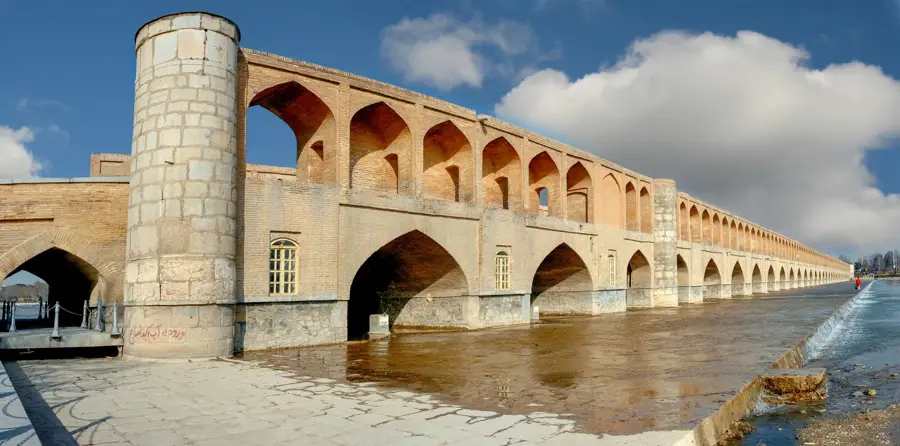
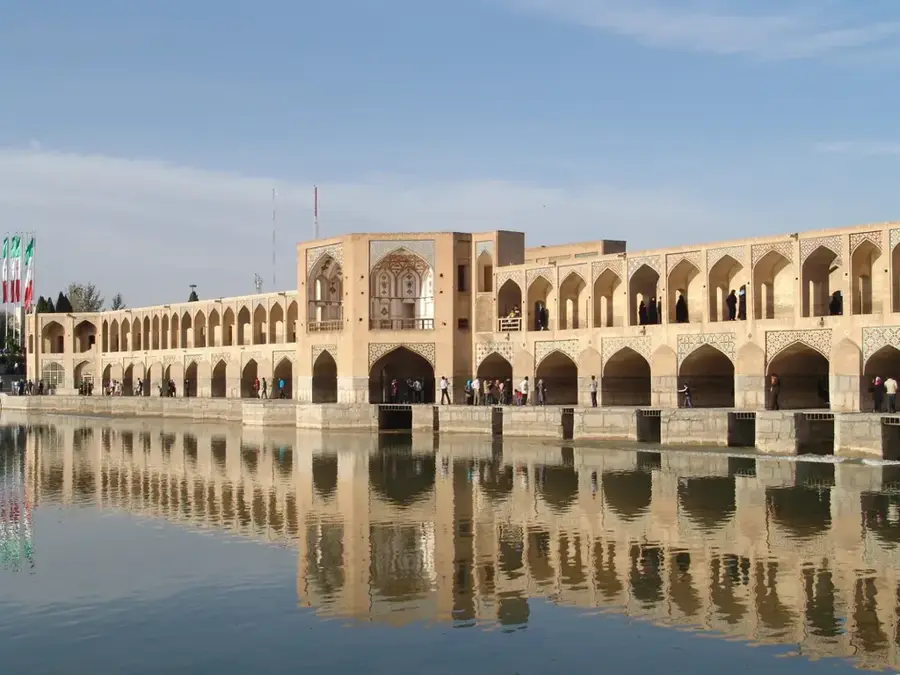
- Walk across the Si-o-se-pol and Khaju bridges at sunset or early evening when locals gather.
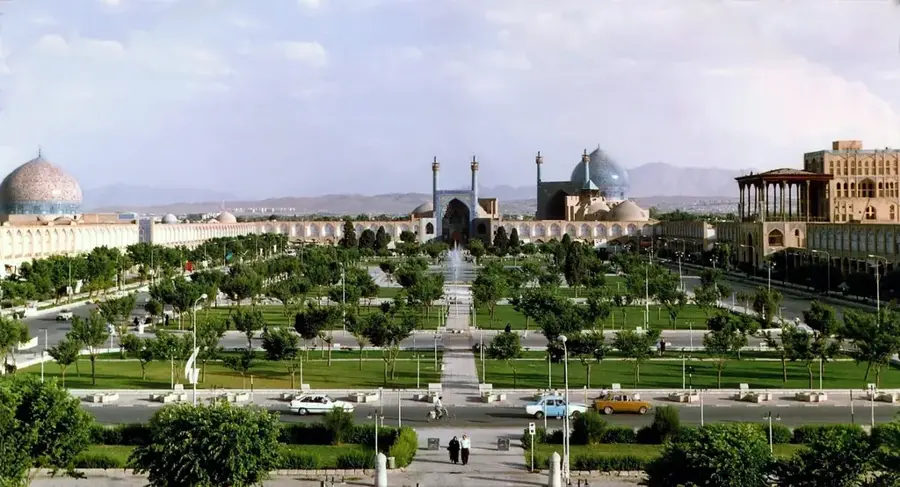
- Naqsh-e Jahan Square is best visited in the late afternoon when it's less hot.
- Adhere to local dress codes (hijab for women, long trousers for men).
- Use the local ride-hailing app Snapp! for cheap and easy transport.
🍽 Food
A local specialty of minced meat served on flatbread, best enjoyed in traditional restaurants near the main square.
Chewy nougat with pistachios, excellent with tea at local teahouses.
Pomegranate and walnut stew, a staple in traditional Persian restaurants.
🛍 Shopping · 🧘 Quiet spots
A massive covered market for carpets, spices, and copperware.
Intricate inlaid wood crafts, which you can buy directly from artisans around the main square.
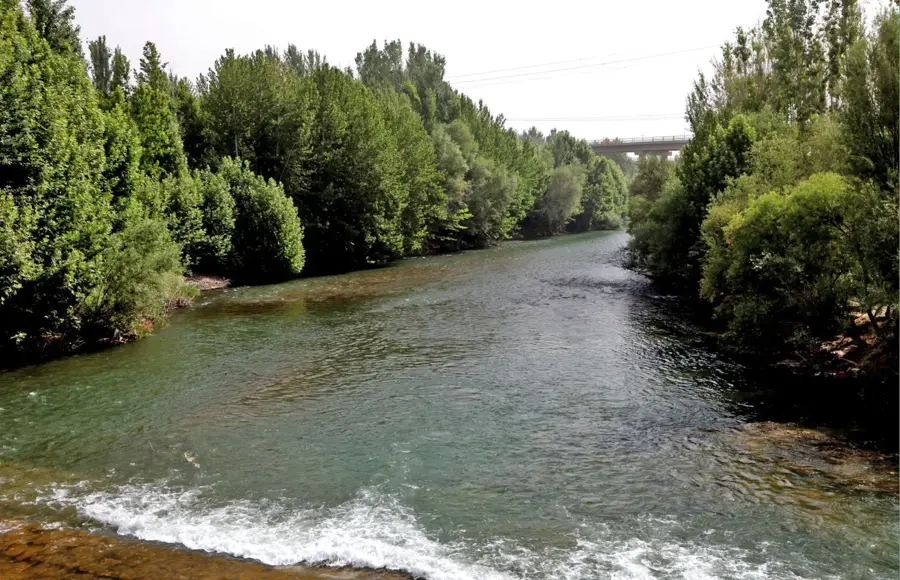
A calm escape along the Zayandeh River.
A peaceful architectural marvel; go early in the morning for absolute silence.
Water temperature…
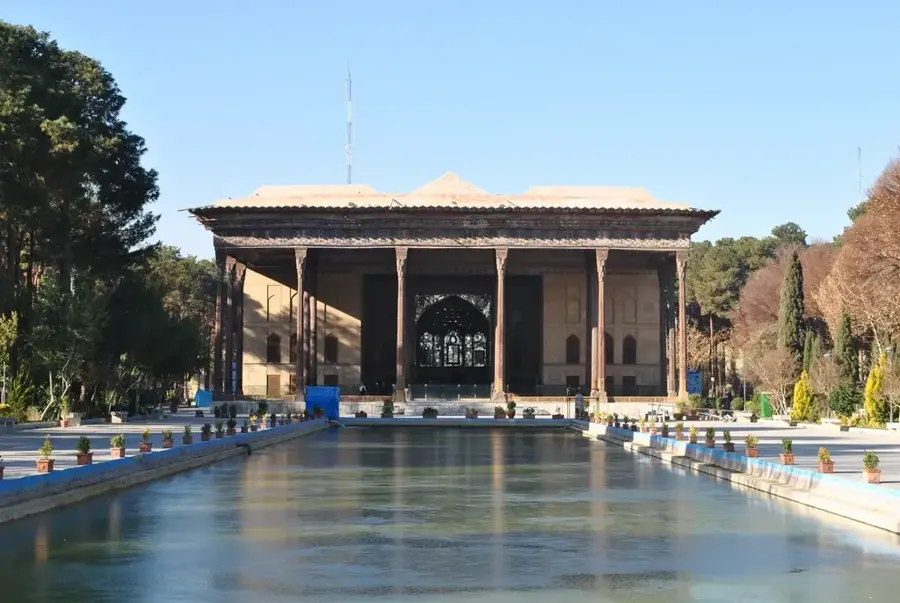
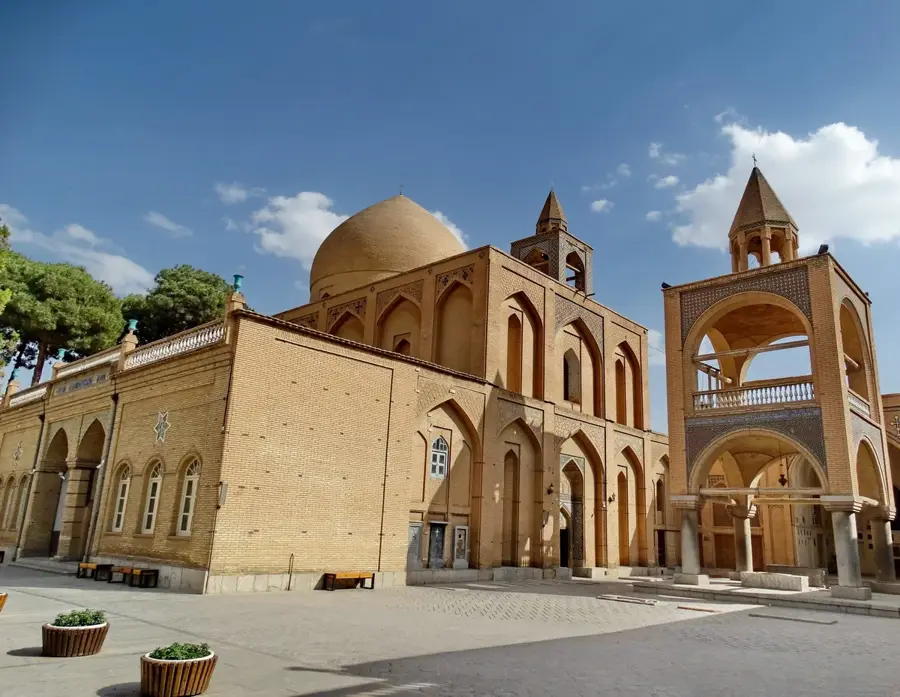
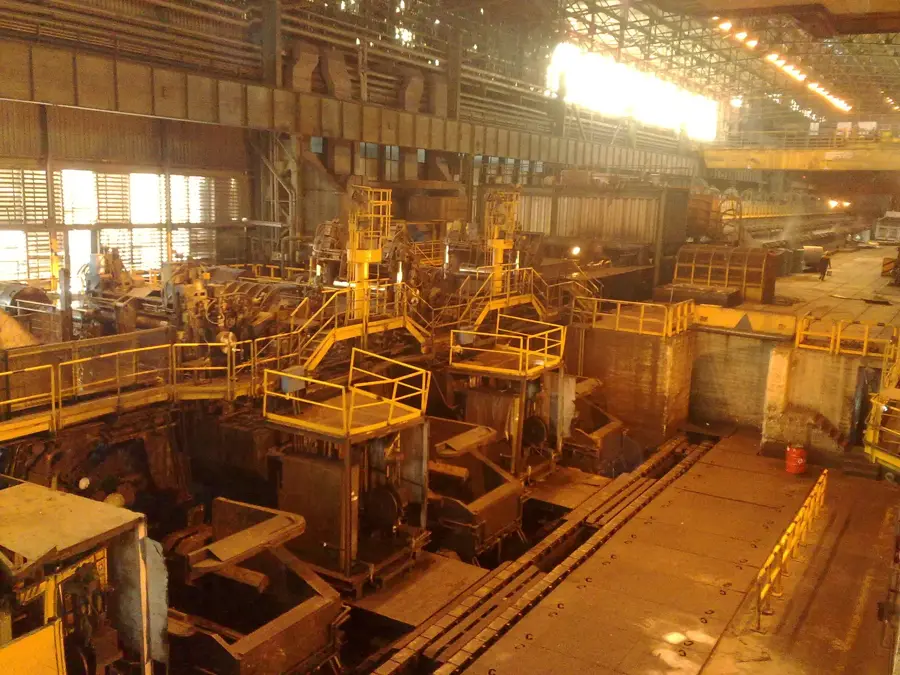
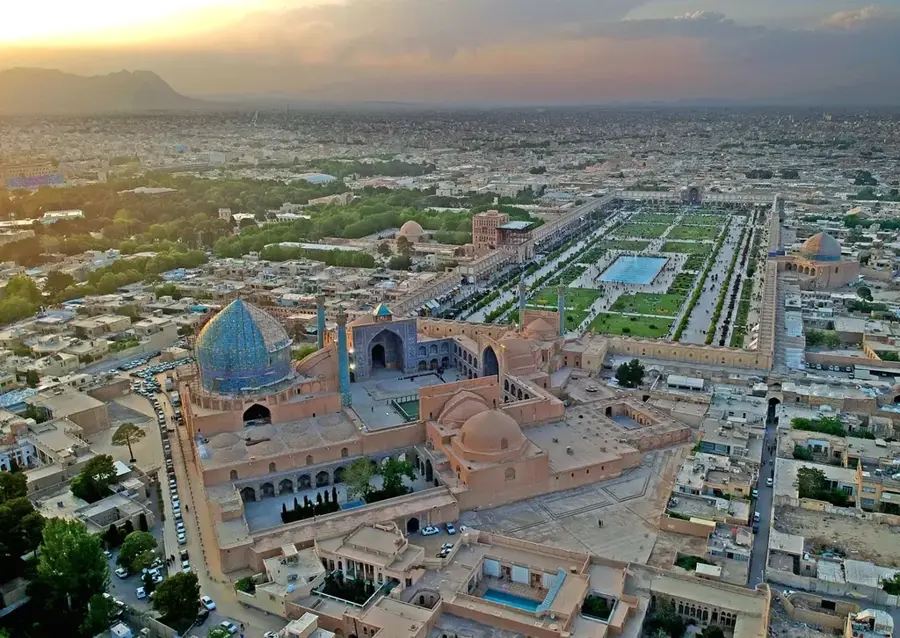
Isfahan, historically known as Aspadana, is one of Iran's most evocative cities, standing as a testament to the grandeur of the Safavid Empire. Located in the center of the Iranian plateau, the city is world-renowned for its Islamic architecture, characterized by turquoise-tiled domes and intricate geometric patterns. The centerpiece of Isfahan is the massive Naqsh-e Jahan Square, one of the largest town squares in the world, surrounded by architectural masterpieces like the Shah Mosque and the Ali Qapu Palace. Under the reign of Shah Abbas I in the late 16th century, Isfahan became the capital of Persia and a melting pot of cultures, attracting merchants and artists from across Asia and Europe. The Zayandeh River, although often dry in recent years due to water management issues, is spanned by historic bridges like the Khaju and Si-o-se-pol, which have served as social hubs for centuries. Beyond its historical sites, Isfahan is a modern industrial powerhouse, hosting significant steel mills, refineries, and a thriving textile industry. The city is also famous for its traditional handicrafts, particularly its exquisite carpets and fine metalwork, which can be found in the labyrinthine Grand Bazaar. Isfahan's academic prestige is upheld by the University of Isfahan and the Isfahan University of Technology. The city also features a unique Armenian community in the Julfa district, home to the remarkable Vank Cathedral and its museum. Isfahan's culinary scene is topped by 'Gaz' (Persian nougat) and 'Poolaki' (candy coins), which are staples of local hospitality. With its blend of ancient history and contemporary development, Isfahan remains a top destination for scholars, tourists, and business travelers alike.
- Location: Iran
- Top sights: Lemjir neighborhood · Isfahan Music Museum · Ata-ol-Molk Dehesh Historical House
- Population: ~1.547.164 (2025)
Best time to visit & climate
The most pleasant time to visit is May, Jun, Sep.
| Jan | Feb | Mar | Apr | May | Jun | Jul | Aug | Sep | Oct | Nov | Dec | |
|---|---|---|---|---|---|---|---|---|---|---|---|---|
| Avg °C | 1 | 3 | 8 | 13 | 19 | 25 | 27 | 26 | 22 | 16 | 8 | 3 |
| Rain mm | 29 | 27 | 35 | 34 | 11 | 2 | 2 | 1 | 1 | 7 | 31 | 34 |
Geography
Facts
- Isfahan's Naqsh-e Jahan Square is larger than Moscow's Red Square.
- The city served as the capital of the Seljuk Empire in the 11th century.
- There are 33 arches on the Allahverdi Khan Bridge, hence its common name.
- Isfahan produces significant amounts of saffron and medicinal herbs.
- The Shah Mosque is famous for its acoustic echo under the main dome.
- The city is located on the main north-south and east-west transit routes of Iran.
- Isfahan is home to a Jewish community with a history dating back 2,500 years.
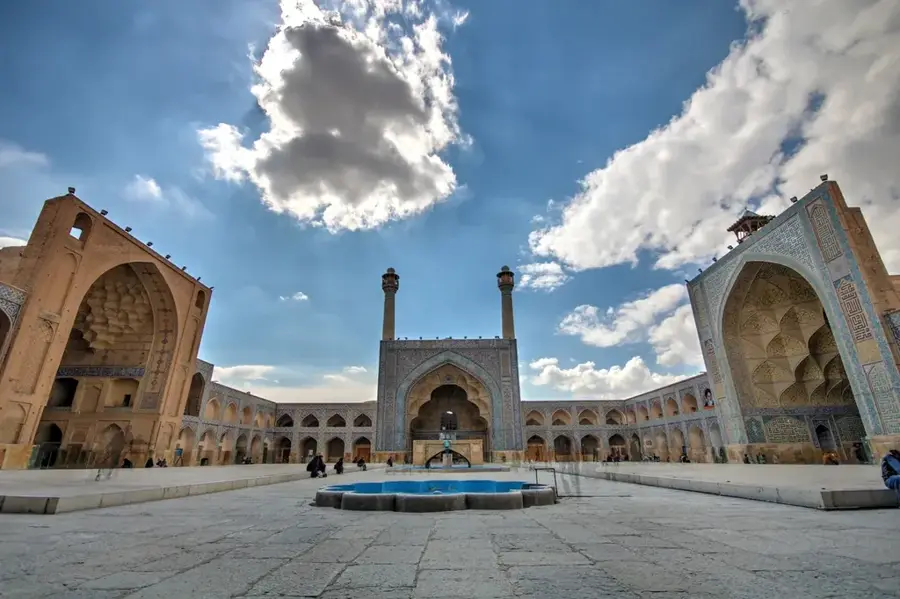
- The Jameh Mosque of Isfahan represents over 800 years of Islamic design.
Explore nearby
Notable places around
Route planner — Car & Motorhome
Where do you start? We build the route here, with stops and country notes along the way.
© OpenStreetMap contributors · OpenRouteService
Sights in the town Isfahan (7)
Frequently asked questions
What is the highlight of Isfahan?
How many days should I stay?
Is Isfahan safe?
When is the best time to visit?
How to get from the airport to the city?
Isfahan: where is it located?
Isfahan: what is there to see?
Isfahan: when is the best time to visit?
Isfahan: why is it worth visiting?

Nearby cities
History & landmarks
More places