Plizio Visual Lab

Chehel Sotoun
Plizio editorial teamData Sources
tourist-attraction
—°9
Chehel Sotoun (Iran)

Weather…

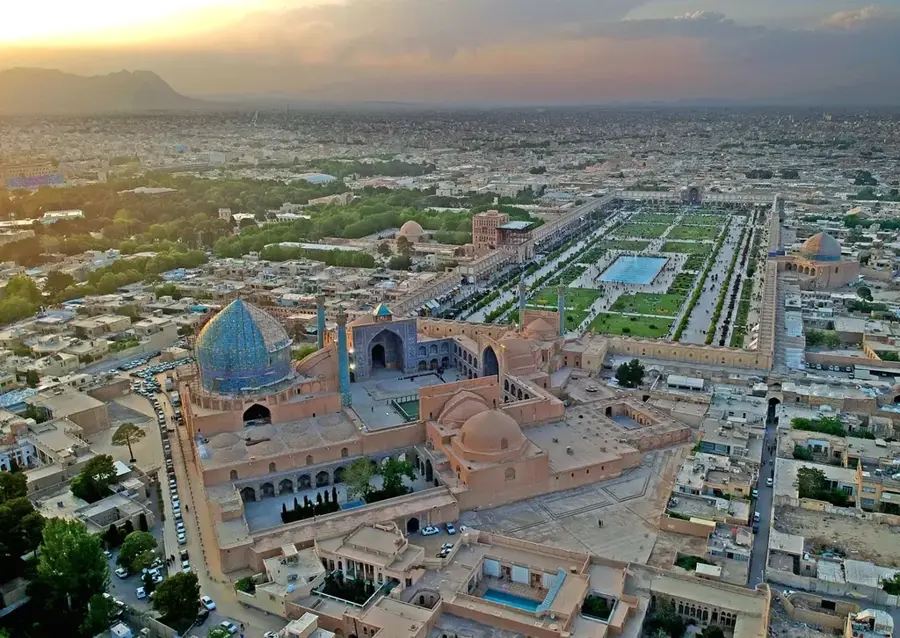
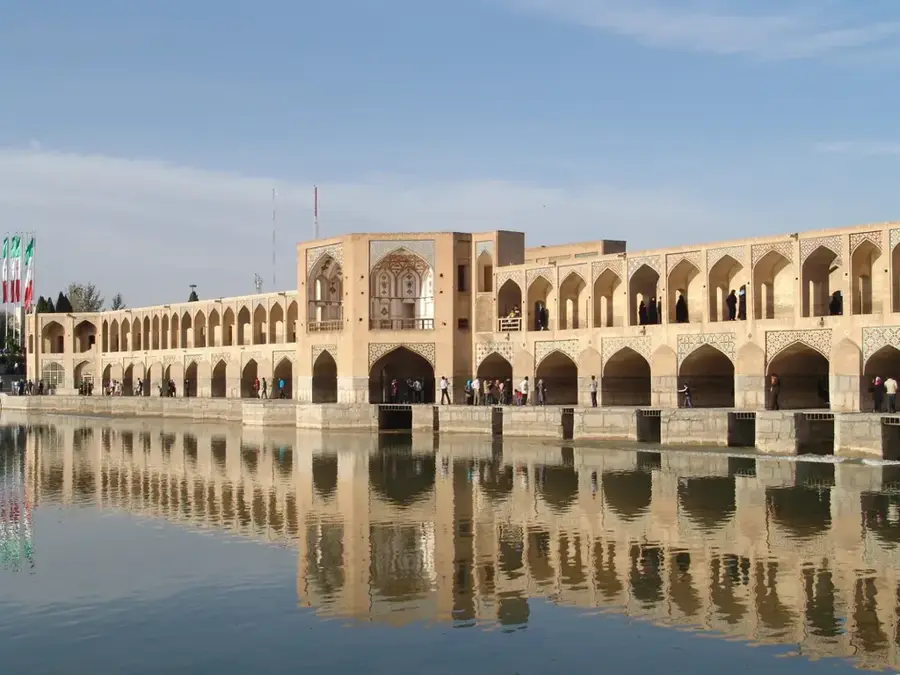
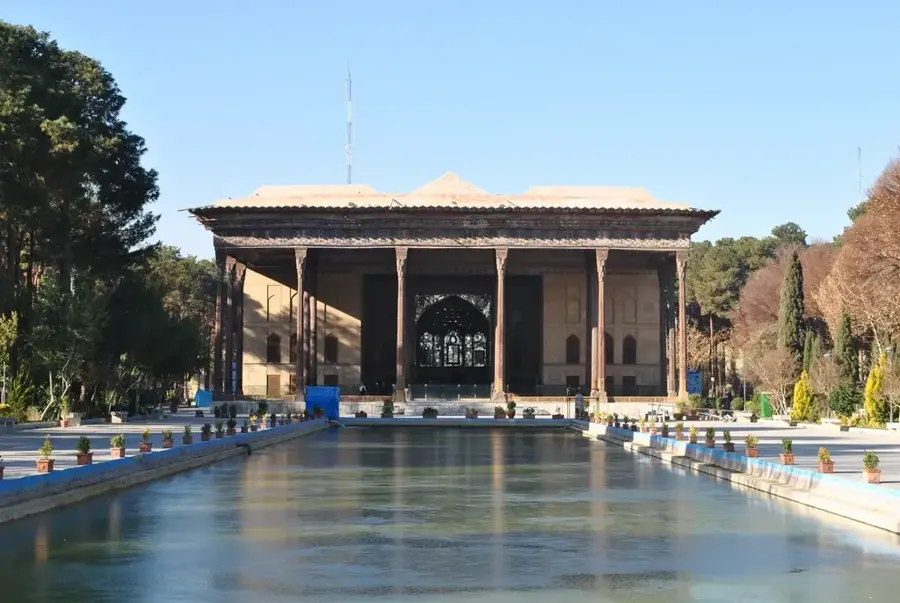
Chehel Sotoun Palace in Isfahan, whose name translates to 'Forty Columns,' is a magnificent pavilion set within a sprawling Persian garden. Completed in 1647 under the reign of Shah Abbas II, it was primarily used for official receptions and the entertainment of foreign dignitaries. The name originates from the 20 slender wooden columns of the entrance porch, which, when reflected in the large pool in front of the palace, appear to be forty in number. Its architecture is a superb example of the integration of wooden structural elements with traditional stone masonry from the Safavid era. Inside the palace, the main hall features monumental murals and frescoes that depict significant historical battles, such as the Battle of Chaldiran, alongside festive scenes of courtly life. The ceilings are adorned with intricate mirror mosaics and detailed woodwork. Since 2011, Chehel Sotoun has been recognized as a UNESCO World Heritage site as part of the Persian Gardens collective, standing as a testament to the cultural splendor of old Persia.

Best time to visit & climate

The most pleasant time to visit is May, Jun, Sep.

JanFebMarAprMayJunJulAugSepOctNovDec
Avg °C1381319252726221683
Rain mm2927353411221173134

📋 Practical info

🚪
Visiting
The historic palace building and the expansive, UNESCO World Heritage-listed Persian gardens can be thoroughly visited, allowing guests to admire both the memorable exterior and the magnificent interior spaces.
🕒
Typical hours
The palace complex is typically open to the general public during regular daylight hours, with the main gates usually closing in the late afternoon or early evening just before the onset of full darkness.
📷
Photography
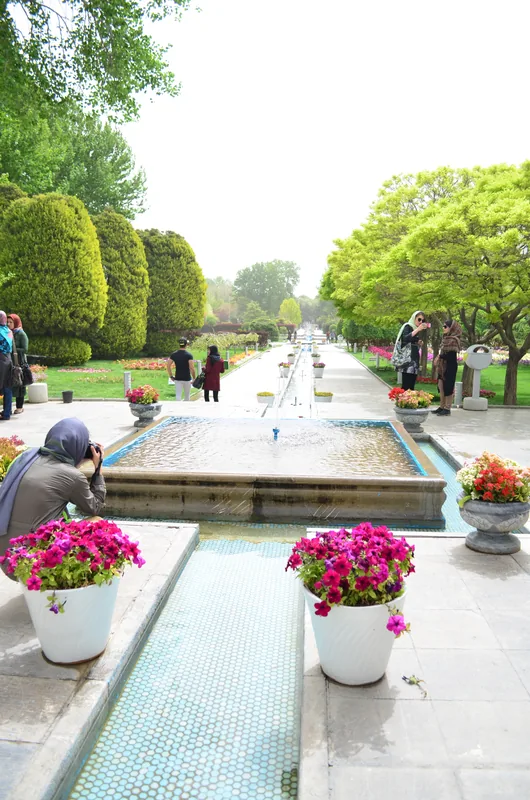
Photography is generally permitted without any issues in the outdoor areas and gardens, with the iconic reflection of the twenty wooden columns in the large water pool being the most highly sought-after motif.
⏱️
Time needed
To thoroughly appreciate the truly impressive interior frescoes and the peaceful atmosphere of the gardens, cultural enthusiasts should typically plan on spending about one to two hours for a complete walking tour.
Combine with
A visit to this historical masterpiece can be ideally combined with a pleasant walk to the world-famous Naqsh-e Jahan Square, which is located just a short distance away in the very historical heart of Isfahan.
🧭
Getting there
Due to its highly central location within the city, the attraction is easily accessible on foot, by taking a local taxi, or by utilizing the well-developed public transportation network from most accommodations.
💡
Insider tip
It is especially highly recommended to visit the complex in the late afternoon, when the incredibly soft, warm light of the setting sun magically highlights the ornate artistic decorations and the majestic pool reflection.

Geography

Coordinates
32.65720, 51.67190

Facts

  • The palace was completed in 1647 by order of Shah Abbas II.
  • The name refers to the 20 actual columns plus their 20 reflections in the pool.
  • It was inscribed on the UNESCO World Heritage list in 2011.
  • Large murals in the main hall depict pivotal moments in Safavid history.
  • The reflection pool in front of the palace is 110 meters long.
  • The columns are crafted from massive trunks of Chenar (plane) trees.

Explore nearby

Notable places around
Route planner — Car & Motorhome

Where do you start? We build the route here, with stops and country notes along the way.

Vehicle
Only stops with (optional):

© OpenStreetMap contributors · OpenRouteService

Sights in the town Chehel Sotoun (9)

AliQoliAqa Zurkhaneh📍 landmark

Traditional "House of Strength" where ancient Persian athletics are practiced to drum music.

Ali Qoli Aqa Bathhouse Museum🏛 museum

Safavid-era public bath featuring intricate tilework and historical wax figures.

Sheikh al-Islam House🏺 historical

Magnificent Safavid manor known for its traditional courtyard and textile workshops.

Jahan Nama Palace Ruins📍 landmark

Excavated remains of a once-grand Safavid palace along the Chahar Bagh avenue.

Seyed Mosque⛪ religious

The largest Qajar-era mosque in Isfahan, famous for its detailed floral tile designs.

Museum of Decorative Art🏛 museum

Housed in a Safavid pavilion, this museum displays fine Iranian carpets and metalwork.

Natural History Museum🏛 museum

Museum housed in a 15th-century Timurid building known as Talar-e Teymouri.

Isfahan Municipality🏺 historical

Elegant administrative building from the early 20th century located near the gardens.

Haj NazarAli Mosque📍 landmark

Neighborhood mosque in the Ali Qoli Aqa district with traditional brick masonry.

Sights nearby

Frequently asked questions

Why is the palace called '40 Columns'?
The palace has 20 columns; their reflection in the pool doubles the number to 40.
Are there wall paintings?
Yes, the main hall features large frescoes depicting historical battles and royal receptions.
Is the palace located in a park?
Yes, it is located in the middle of a beautiful Persian garden with water channels.
What is the entrance fee?
For foreign tourists, the price is usually around 500,000 - 1,000,000 Rial (as of 2024).
Is filming allowed inside?
Amateur filming with a phone is allowed, but professional equipment requires a permit.
Chehel Sotoun: where is it located?
Chehel Sotoun is located in Iran.
Chehel Sotoun: what is there to see?
Highlights include AliQoliAqa Zurkhaneh, Ali Qoli Aqa Bathhouse Museum, Sheikh al-Islam House.
Chehel Sotoun: when is the best time to visit?
The most pleasant time to visit is May, Jun, Sep.
Chehel Sotoun: why is it worth visiting?

Chehel Sotoun Palace in Isfahan, whose name translates to 'Forty Columns,' is a magnificent pavilion set within a sprawling Persian garden.
View on map → The Top 50 Attractions → OpenStreetMap →
Asia
Explore with Plizio Discover more places in Asia
More places in Iran →

Nearby cities

History & landmarks
More places